
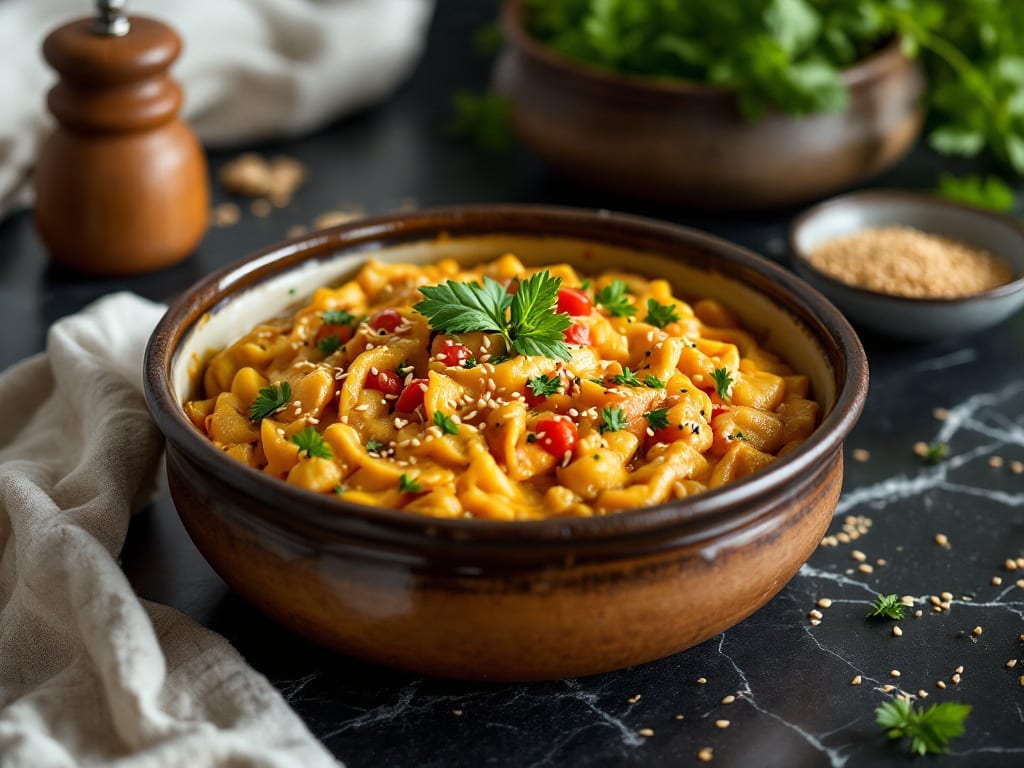
Converting crock pot recipes to oven-baked methods preserves that signature juicy tenderness while adapting to different heat dynamics. The key lies in understanding how ovens distribute heat differently than slow cookers—higher temperatures mean faster moisture loss, so we’ll compensate with strategic adjustments.
I’ve perfected this technique after testing countless adaptations, and the results are just as rich, just as flavorful.
This method works for any slow-cooker recipe, from pulled pork to beef stew, by using a Dutch oven or heavy baking dish to mimic the crock pot’s moisture retention. The oven’s dry heat requires shorter cooking times and careful monitoring to prevent over-browning while keeping the center tender.
What you’ll achieve is a dish that’s just as satisfying as the original, with the added bonus of crispier edges when needed.
The transition involves three critical adjustments: increasing the temperature by 25-50°F, reducing cooking time by 30-50%, and adding liquid as needed to prevent drying. For example, a 6-hour crock pot recipe might take 2-3 hours in a 325°F oven with occasional basting.
The result? A perfectly juicy center with caramelized edges that elevate the dish to restaurant-quality.
Whether you’re adapting a family favorite or experimenting with new recipes, this technique ensures you never sacrifice flavor or texture. The oven method also gives you more control over browning and crispiness—ideal for dishes where presentation matters. Let’s get started with the step-by-step conversion process.
📚 In This Guide
- What you need
- Instructions
- Tips and common mistakes
- Wrapping up and next steps
What you need
- ● Baking dish: A heavy-duty, oven-safe dish (e.g., ceramic, cast iron, or stainless steel) that fits your oven racks. Size matters! Use a dish that’s at least 1–2 inches larger in diameter than your crock pot to allow for even heat circulation.
- ● Oven thermometer: Highly recommended to ensure your oven isn’t running hotter or cooler than the set temperature (ovens vary wildly!).
- ● Tongs or heat-resistant spatula: For flipping meats or stirring sauces without burning yourself.
- ● Aluminum foil or parchment paper: To cover dishes during resting or prevent spills (especially for saucy recipes!).
- ● Measuring cups/spoons: To adjust liquid ratios if your recipe calls for extra moisture (e.g., adding ¼–½ cup broth or water for oven conversions).
- ● Meat thermometer: To check doneness (especially for poultry or pork—never guess!).
- ● Broiler pan or rack: For crispy tops (like for pulled pork or chicken).
- ● Basting brush: For glazing meats with sauces or honey before the final broil.
- ● Slow cooker liner: If you want to easily transfer the dish from crock pot to oven without spills.
Step-by-Step instructions for converting crock pot recipes to oven
Master this oven adaptation method and you’ll achieve the same juicy, tender results without a slow cooker.
Choose the Right Oven Temperature and Cookware
Start by selecting a heavy, oven-safe skillet or Dutch oven that can handle direct heat. I prefer cast iron or enameled steel for even heat distribution. Preheat your oven to 325°F—this is the closest equivalent to a crock pot’s low setting. The key difference is that oven cooking requires more precise temperature control since it lacks the crock pot’s built-in thermostat.
Here’s the thing—you’ll need to monitor the dish more closely. Unlike a crock pot that maintains steady heat, ovens can create hot spots. Place your pan on the middle rack where heat circulates most evenly. If your recipe calls for liquid, use about 25% less than you would in a crock pot since evaporation happens more quickly in the oven.
Prepare Ingredients with Proper Layering
Arrange ingredients in the same order you would in a crock pot, but with one critical adjustment: place tougher cuts of meat or vegetables on the bottom where they’ll get direct heat. For example, if converting chicken thighs, position them skin-side up on the bottom of your pan. This mimics how crock pots cook from the bottom up.
Don’t overcrowd the pan—leave at least ½-inch space between ingredients. This allows heat to circulate and prevents steaming, which can make your dish soggy instead of tender. If your recipe includes sauce, pour it over the top rather than mixing it in beforehand. The oven will reduce it naturally as it cooks, creating a glossy finish similar to crock pot results.
Cover and Cook with Precision Timing
Cover your pan tightly with aluminum foil or a lid designed for high heat. This traps moisture and prevents evaporation, which is crucial for maintaining juiciness. Place a baking sheet under the pan to catch any drips—this makes cleanup easier and prevents heat loss.
Cook for about 75% of the crock pot’s total time, then remove the cover and increase the oven temperature to 375°F for the final 20-30 minutes. This two-stage approach mimics the crock pot’s gradual cooking while creating a better browned exterior. Check for doneness using the same visual cues you would with a crock pot—meat should pull away from bones easily, and vegetables should be fork-tender.
Rest and Serve for Maximum Juiciness
Once your dish reaches the proper internal temperature, remove it from the oven and let it rest for 10-15 minutes before serving. This resting period is non-negotiable—it allows juices to redistribute throughout the meat and vegetables, preventing them from pooling at the bottom of your pan.
I know it’s tempting to dig in immediately, but skipping this step means you’ll end up with dry results. The oven’s dry heat works against juiciness, so resting is your secret weapon for maintaining that crock pot-level moisture. Serve directly from the pan, letting any accumulated juices baste the food as you eat.
Tips & tricks for perfect oven-crock pot conversions
Converting crock pot recipes to the oven requires a few strategic adjustments to maintain that signature juiciness and tenderness. Here’s what I’ve learned from perfecting this transition time and time again.
Temperature Control: The 325°F starting temperature is non-negotiable for mimicking a crock pot’s low setting, but don’t assume your oven maintains perfect consistency. Invest in an oven thermometer to verify accuracy—many ovens run hot or cold. If your dish browns too quickly at 325°F, tent loosely with foil during the initial cooking phase to preserve moisture while still allowing gentle heat penetration.
Layering Strategy: When arranging ingredients in Step 2, think about heat distribution from the bottom up—this is where the magic happens. Place denser proteins like chicken thighs or beef chuck roast skin-side up on the bottom of your pan. These cuts benefit from direct, steady heat that mimics the crock pot’s bottom heating element. For vegetables, arrange them in layers with the most heat-resistant varieties (like carrots or potatoes) on the bottom and more delicate ones (like onions or peppers) on top.
Precision Timing: The two-stage cooking method in Step 3 deserves special attention. During the initial 75% of the crock pot’s time at 325°F, resist the urge to peek or remove the cover—every time you do, you lose precious moisture. Once you transition to 375°F for that final 20-30 minutes, watch closely for color development. This high-heat phase creates that beautiful caramelization while still allowing the interior to cook through gently, just like in a crock pot.
Juiciness Preservation: The 10-15 minute rest in Step 4 is absolutely critical for maintaining that crock pot-level moisture. During this time, juices that would otherwise pool at the bottom redistribute throughout the meat and vegetables. Here’s a pro move: After resting, gently spoon any accumulated pan juices over the top of your dish before serving. This basting technique adds an extra layer of flavor and moisture that makes all the difference in the final presentation.
Pro Tips for Convert Crock Pot Recipe To Oven
- Converting crock pot recipes to the oven requires a few strategic adjustments to maintain that signature juiciness and tenderness.
- Temperature Control: The 325°F starting temperature is non-negotiable for mimicking a crock pot’s low setting, but don’t assume your oven maintains perfect consistency.
- Layering Strategy: When arranging ingredients in Step 2, think about heat distribution from the bottom up—this is where the magic happens.
Frequently asked questions
Got questions about converting your favorite crock pot recipes to the oven? You’re not alone! Here are some of the most common concerns—and their easy solutions—to help you nail that one-pan transition every time.
Can I just dump my crock pot recipe directly into the oven?
Not always! Many crock pot dishes rely on slow cooking for tenderness, so a direct transfer might not yield the same results. Instead, opt for a bake-and-braise method: sear proteins first (if needed), then bake with a splash of liquid (like broth or sauce) to mimic the moisture. For tough cuts like pork shoulder, a 300°F oven works best—just add 30–45 minutes per pound.
How do I adjust cooking times when switching from crock pot to oven?
Crock pots cook at low and slow (200–300°F), while ovens run hotter (325–425°F). As a general rule:
- Low crock pot (2–3 hours) ≈ 1.5–2 hours in a 325°F oven (covered).
- High crock pot (3–6 hours) ≈ 1–2 hours in a 375°F oven (uncovered for browning).
Will my dish dry out in the oven like it doesn’t in the crock pot?
Drying out is the #1 worry! Prevent it by:
- Adding extra liquid (1–2 tbsp per pound of meat).
- Using a tight lid or foil tent for the first 2/3 of cooking.
- Basting with pan juices every 30 minutes.
What’s the best ovenware for converting recipes?
Not all pans are created equal! For even cooking:
- Dutch ovens or heavy casserole dishes (like Le Creuset) distribute heat well.
- Avoid thin aluminum pans—they can burn the bottom.
- For crispy tops (like pot roast), use a baking sheet under the pan to catch drips.
Can I convert a crock pot dessert (like pull-apart bread) to the oven?
For sticky, gooey desserts:
- Use a greased 9×13-inch pan or a cast-iron skillet.
- Bake at 350°F for 25–40 minutes (covered with foil), then broil 2–3 minutes for a golden crust.
- Add 1–2 tbsp extra butter or oil to mimic the crock pot’s moisture.
Wrapping up and next steps
Converting your favorite crock pot recipes to the oven is easier than you think—and the results are just as tender and flavorful! 🌟 With the right adjustments, like monitoring heat levels and choosing the right cookware, you can achieve that same slow-cooked magic in a fraction of the time.
Whether you’re short on time or just love one-pan convenience, this transition opens up a world of possibilities for stress-free, delicious meals.
Ready to put your new skills to the test? Grab a recipe, preheat that oven, and get cooking! 🍴 Start with a simple conversion and soon you’ll be a pro at swapping methods like a seasoned chef. Happy baking!

- Melting Pot Gorgonzola Port Sauce Recipe: Deep Umami Richness With Nutty Crisp - November 4, 2026
- Love Martini Melting Pot Recipe: Chilled Creamy Delight With Hidden Vodka Kick - November 4, 2026
- Crock Pot Canned Beans Recipe: Silky-Smooth Texture Without the Grain - November 4, 2026