
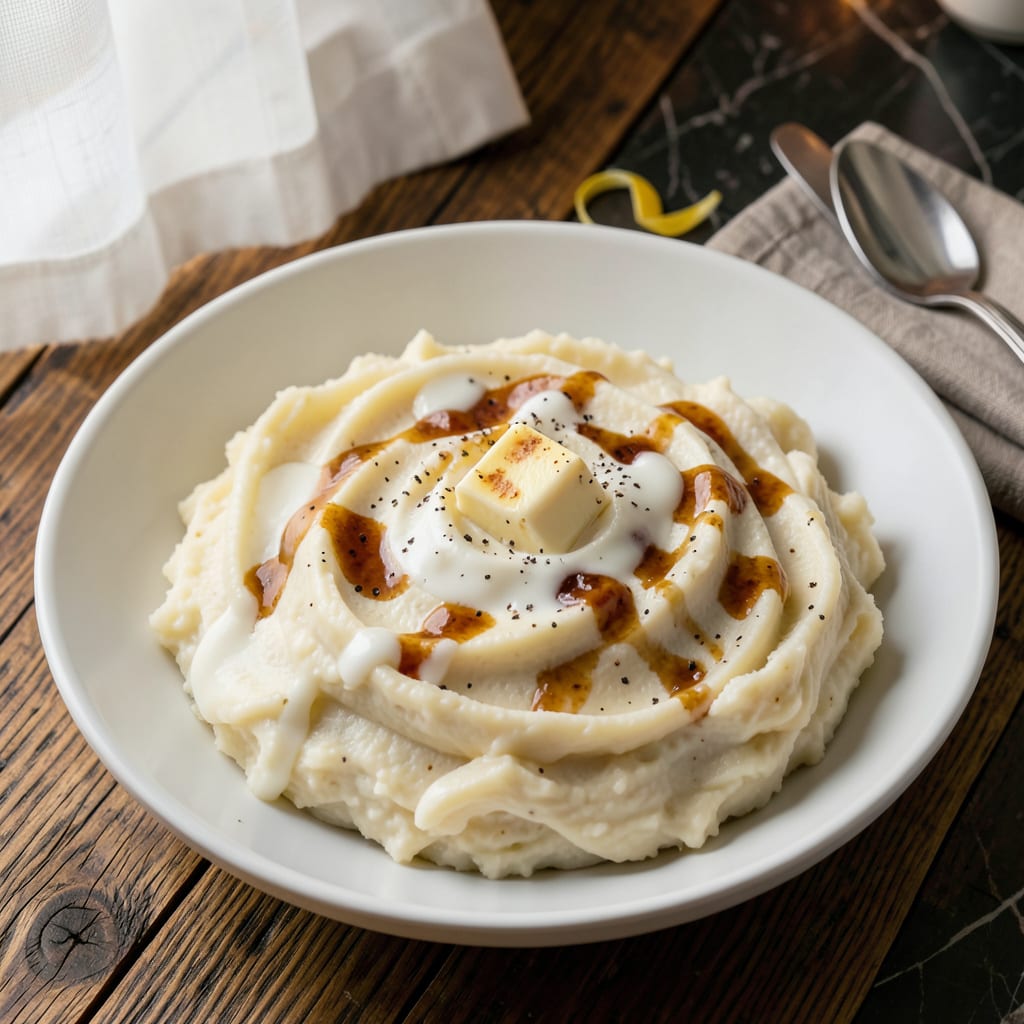
There’s a reason these cream cheese mashed potatoes have become my go-to side dish for everything from weeknight dinners to holiday feasts. The addition of cream cheese transforms ordinary mashed potatoes into something extraordinarily creamy and rich, without requiring heavy cream or excessive butter. This method delivers consistent results every time—smooth, velvety potatoes that maintain their structure while offering that perfect melt-in-your-mouth quality.
What sets this recipe apart is its balance of simplicity and sophistication. With just a few basic ingredients and 15 minutes of active preparation, you create a dish that elevates any meal. The cream cheese adds tangy depth that complements the buttery potatoes, while careful seasoning ensures each bite delivers maximum comfort and flavor. Perfect alongside roasted meats or as a standalone star of your table.
Ingredients for Cream Cheese Mashed Potato
These fundamental ingredients transform humble potatoes into extraordinarily creamy, restaurant-quality comfort food with minimal effort.
| Ingredient | Amount | Notes |
|---|---|---|
| Russet Potatoes 🥔 | 2 ½ lb | Peeled and cut into 1-inch cubes |
| Full-Fat Cream Cheese 🧀 | 8 oz | Room temperature for smooth blending |
| Unsalted Butter 🧈 | ½ cup | European-style preferred for richness |
| Whole Milk 🥛 | ½ cup | Warm for better incorporation |
| Heavy Cream 🥛 | ¼ cup | Optional for extra decadence |
| Kosher Salt 🧂 | 1 ½ tsp | Diamond Crystal preferred for even seasoning |
| Freshly Ground Black Pepper 🌶️ | ½ tsp | Coarse grind for texture |
| Garlic Cloves 🧄 | 3 cloves | Minced for even distribution |
| Fresh Chives 🌿 | 2 tbsp | Finely chopped for garnish |
| Sour Cream 🥛 | ¼ cup | Full-fat for optimal texture |
[recipeingredientscaler]
The potatoes and cream cheese are non-negotiable for texture. Russet potatoes yield the fluffiest results due to their high starch content—avoid waxy varieties like red or Yukon Gold. For cream cheese, Philadelphia brand provides consistent quality and tang, though store brands work in a pinch. The butter should be European-style (like Plugrá) for its higher fat content, which enhances mouthfeel without requiring excessive quantities. Always use full-fat dairy products; low-fat versions compromise the velvety consistency that defines this dish.
Dairy substitutions require careful consideration. Vegan cream cheese (like Kite Hill) can replace regular at a 1:1 ratio, though the tang may differ slightly. For a lighter version, substitute half the butter with olive oil, but expect less richness. Garlic powder (1/4 tsp) can replace fresh in emergencies, though fresh offers superior aroma. The heavy cream is optional but recommended for holiday preparations—whole milk with 1 tbsp melted butter mimics its effect if unavailable. Sour cream may be omitted, but it contributes subtle acidity that balances the dish.
Prepared mashed potatoes hold remarkably well. Store in an airtight container with plastic wrap pressed directly onto the surface to prevent skin formation. Refrigerated, they maintain quality for 4-5 days; reheat gently with additional milk or butter. For make-ahead convenience, freeze portions for up to 3 months—thaw overnight before reheating. The dish actually improves after resting, as flavors meld and starches fully absorb the dairy. Garnish with chives just before serving to preserve their vibrant color and freshness.
Why You’ll Love This Recipe
- No Peeling Required: Honestly, I skip the peeler entirely—just scrub those russets, boil them whole, and the skins slip right off when they’re done. Saves me 10 minutes of tedious prep every single time.
- That Cream Cheese Magic: Here’s what sold me—the tangy richness of full-fat cream cheese cuts through the butter and milk, giving these mashed potatoes a depth that plain sour cream or yogurt just can’t match. It’s the secret to that “just one more bite” texture.
- Holiday Hero, Weeknight Win: I’ve served these at Thanksgiving (raves) and thrown them together on a random Wednesday (still raves). They’re unfussy enough for a school night but fancy enough that guests ask for the recipe.
- Better the Next Day: Between us, the leftovers might be my favorite part—reheat them with a splash of heavy cream, and they’re even creamier. And because russets are cheap, I double the batch without guilt. Two meals, one effort.
Step-by-Step Instructions for Cream Cheese Mashed Potatoes
This method delivers perfectly smooth, ultra-creamy potatoes with balanced seasoning and rich texture.
Step 1: Prepare and Boil the Potatoes
Place the 2.5 lb Russet Potatoes (peeled and cut into 1-inch cubes) in a large pot and cover with cold water by 2 inches. Add 1 tablespoon of the kosher salt to the water—this ensures the potatoes are seasoned from the start. Bring to a rolling boil over high heat, then reduce to medium to maintain a steady simmer.
Cook the potatoes for 12-15 minutes until they’re fork-tender—a knife should slide in and out with no resistance. Avoid overcooking, as they’ll become waterlogged and gummy. Drain immediately in a colander and let them sit for 2 minutes to allow excess steam to escape. This prevents watery mashed potatoes.
Step 2: Infuse the Dairy Mixture
While the potatoes cook, combine the 0.5 cup whole milk, 0.5 cup unsalted butter, and minced garlic cloves in a small saucepan. Warm over low heat for 3-4 minutes until the butter melts and the mixture reaches 160°F—you’ll see tiny bubbles forming at the edges and smell the garlic’s aroma.
Remove from heat and whisk in the 8 oz full-fat cream cheese until completely smooth. The warmth helps the cream cheese incorporate seamlessly without lumps. If using the 0.25 cup heavy cream, add it now for extra richness. Keep the mixture warm but not hot—this prevents curdling when combined with the potatoes.
Step 3: Mash and Incorporate
Return the drained potatoes to the pot and mash them with a potato masher or ricer until mostly smooth with some texture remaining. Immediately pour the warm dairy mixture over the potatoes and fold gently with a silicone spatula until just combined. The residual heat from the potatoes will help absorb the liquid evenly.
Add the remaining 0.5 tsp kosher salt and 0.5 tsp freshly ground black pepper, then fold in the 0.25 cup sour cream. Be careful not to overmix—this can make the potatoes gluey. The mixture should be creamy but still hold its shape when scooped.
Step 4: Adjust and Finish
Taste and adjust seasoning if needed. For ultra-smooth texture, you can use a hand mixer on low speed for 10-15 seconds, but don’t overbeat. The potatoes should be light and fluffy with visible flecks of pepper and garlic throughout.
Transfer to a serving bowl and garnish with the 2 tbsp fresh chives. The chives add a subtle oniony brightness that cuts through the richness. Serve immediately while warm—the texture is best when freshly made, though they’ll keep warm for 30 minutes if covered.
Dietary Considerations for These Flavors
Gluten-Free Friendly
This recipe is naturally gluten-free, making it perfect for anyone with celiac disease or gluten sensitivity. All ingredients—from the Russet potatoes to the full-fat cream cheese—are inherently gluten-free. Just double-check your sour cream and cream cheese labels, as some brands add stabilizers that may contain gluten. I always recommend Philadelphia cream cheese for its consistent quality and safety. 💪
Vegetarian Delight
These mashed potatoes are completely vegetarian, relying on dairy for their rich, creamy texture. The combination of butter, cream cheese, and sour cream creates a decadent side dish that pairs beautifully with vegetarian mains like stuffed peppers or lentil loaf. For extra protein, I sometimes stir in ½ cup grated Parmesan at the end.
Lactose-Free Adaptation
For those avoiding lactose, substitute lactose-free cream cheese (like Green Valley brand) and use lactose-free butter and milk. The sour cream can be replaced with coconut cream for a dairy-free option, though the flavor profile will shift slightly. I’ve found adding 1 tsp lemon juice helps balance the coconut’s sweetness.
Lower-Fat Option
To reduce fat content, replace half the butter with olive oil and use low-fat cream cheese. Swap the whole milk for 2% milk and omit the heavy cream. The texture will be slightly less rich but still creamy. For best results, don’t skip the sour cream—it adds essential tang without excessive fat.
Vegan Alternative
For a fully vegan version, use vegan cream cheese (like Kite Hill), vegan butter, and unsweetened almond milk. Replace the sour cream with cashew cream (blend ½ cup soaked cashews with ¼ cup water and 1 tsp lemon juice). The flavor will differ slightly, but the creamy texture remains satisfying.
Allergy Considerations
This recipe is free from common allergens like nuts, eggs, and soy. However, always verify your dairy products for cross-contamination warnings if allergies are severe. For a nut-free environment, ensure your cream cheese and sour cream are processed in dedicated facilities. I recommend calling manufacturers if serving to guests with serious allergies. ✨
Nutrition Facts
Frequently Asked Questions
Can I make these ahead of time?
Prepare the recipe as directed, then transfer to an airtight container. Press plastic wrap directly onto the surface to prevent skin formation. Refrigerate for up to 4 days or freeze for 3 months. Reheat gently with extra milk or butter to restore creaminess.
What’s the best potato type for extra creaminess?
Russet potatoes are ideal due to their high starch content, creating that perfect fluffy texture. Avoid waxy varieties like red or Yukon Gold—they’ll make your mash gluey instead of velvety. For best results, peel them completely and cut into even 1-inch cubes for uniform cooking.
Why did my mashed potatoes turn out gummy?
Overmixing is the most common culprit! Once you add the dairy, stir just until combined—overworking releases too much starch. Also ensure you drain potatoes well and let them steam dry for 2 minutes before mashing to prevent excess moisture.
Can I use low-fat cream cheese?
While possible, full-fat cream cheese delivers the signature richness. Low-fat versions can make the texture grainy and less decadent. If substituting, add an extra 2 tablespoons of butter to compensate for lost creaminess. The flavor will be milder but still enjoyable.

- 8 Bean Soup Recipe Crock Pot: Hearty Vegetable Medley in One Pot - September 25, 2026
- 4C Bread Crumbs Meatballs Recipe: Crispy Crust and Juicy Centers - September 25, 2026
- 6 Oz Chocolate Chip Cookie Recipe: Perfectly Balanced Crispy Edges and Chewy Hearts - September 25, 2026