
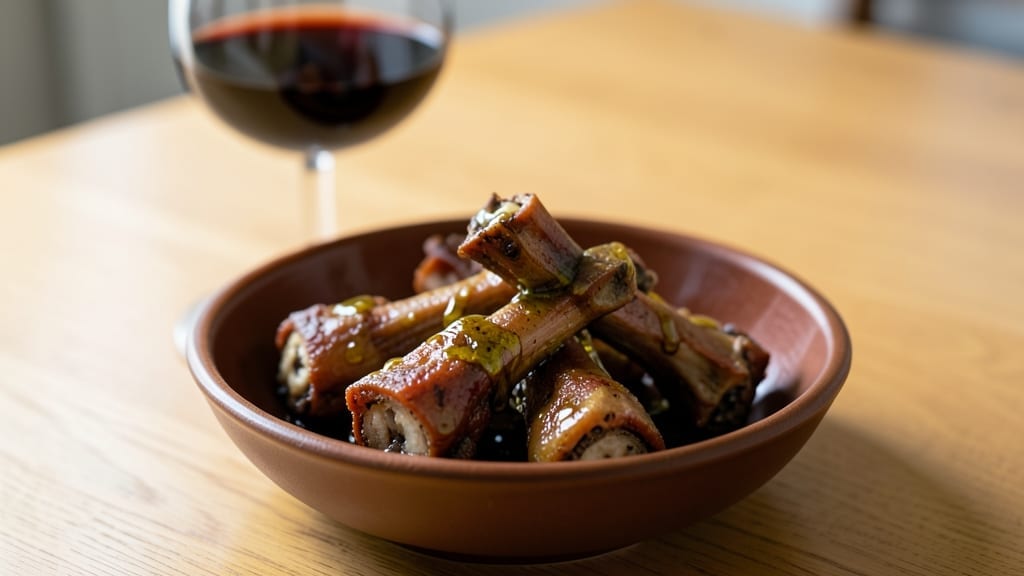
Slow-cooking neck bones in a crock pot unlocks a depth of flavor that transforms simple ingredients into something extraordinary. This method builds rich, gelatinous broth perfect for tacos, soups, or stews—where every bite carries that unmistakable meaty essence.
I’ve refined the technique over years of testing, ensuring the bones render completely while maintaining that perfect balance of savory and umami.
The secret lies in proper preparation: browning the bones first to develop a flavorful crust, then simmering them low and slow with aromatic vegetables and herbs. This isn’t just any broth—it’s the foundation of hearty, restaurant-quality dishes that taste like they’ve been simmering all day.
The long cooking time breaks down collagen into gelatin, creating that luxurious mouthfeel that separates home cooking from professional results.
By the time you’re done, you’ll have tender meat that practically falls off the bone and enough broth to fill your kitchen with an irresistible aroma.
The versatility is what makes this recipe a game-changer—use the shredded meat for tacos, the broth as a base for soups, or both together in a rich stew. This is comfort food at its finest, where minimal effort yields maximum flavor.
Whether you’re preparing for a family dinner or meal prepping for the week, this crock pot method delivers consistent, foolproof results. The beauty of slow cooking is that it requires almost no attention while creating something truly special. Let’s get started on building that flavor-packed foundation for your next meal.
Ingredients for crock pot neck bones
Sixteen essential ingredients transform raw neck bones into restaurant-quality broth with minimal effort.
| Ingredient | Amount | Notes |
|---|---|---|
| Beef Neck Bones 🥩 | 3 lb | Raw, uncooked, marrow-rich preferred |
| Yellow Onion 🧅 | 1 whole | Medium, halved and caramelized |
| Carrot 🥕 | 4 whole | Medium, roughly chopped |
| Celery Stalks 🌿 | 4 whole | Fresh, cut into 2-inch pieces |
| Garlic Cloves 🧄 | 6 cloves | Peeled, lightly smashed |
| Tomato Paste 🍅 | ½ cup | High-quality, no sugar added |
| Beef Broth 💧 | 4 cups | Low-sodium preferred |
| Red Wine 🍷 | 1 cup | Dry, bold variety |
| Apple Cider Vinegar 🍏 | 2 tbsp | For acidity balance |
| Bay Leaves 🌿 | 2 whole | Fresh, dried acceptable |
| Fresh Thyme 🌿 | ¼ cup | Stems removed, chopped |
| Fresh Oregano 🌿 | ¼ cup | Chopped, Mexican preferred |
| Salt 🧂 | 1 ½ tsp | Diamond Crystal kosher |
| Black Peppercorns 🌶️ | 1 tsp | Freshly cracked |
| Olive Oil 🫒 | 2 tbsp | Extra-virgin for browning |
The quality of neck bones determines your broth’s depth. Local butchers or specialty meat counters often carry marrow-rich cuts—look for bones with visible marrow channels. Costco and Whole Foods typically stock high-quality options, though grocery store meat sections may suffice if the bones are fresh and unbleached. Avoid pre-cooked or boiled bones, as they lack collagen. For maximum flavor, opt for bones with some remaining meat—this adds protein and richness to your final broth. If you’re unsure about freshness, check for a vibrant red color and avoid any with a sour or ammonia-like odor.
No red wine on hand? Beef broth with 1 tbsp balsamic vinegar replicates the depth, though the acidity will differ slightly. Fresh thyme and oregano are ideal, but dried substitutes work at one-third the quantity. The tomato paste can be omitted if you prefer a lighter broth, though it adds a subtle sweetness and helps prevent cloudiness. For the vinegar, apple cider vinegar or white vinegar both work—avoid flavored varieties. The celery and carrot can be swapped for fennel or leeks for a different aromatic profile, though the classic trio of onion, carrot, and celery remains the most versatile foundation.
This broth develops flavor over time, so 24-48 hours of slow cooking yields the best results. Store in airtight containers in the refrigerator for up to 5 days or freeze in 1-cup portions for up to 6 months. The meat will separate easily from the bones once cooled—reserve for tacos, soups, or stews. For long-term storage, freeze the entire pot, then thaw only what you need. The broth thickens as it cools, so reheat gently to restore its original consistency. This makes an excellent base for meal prepping—double the recipe and freeze half for future use.
Why You’ll Love This Recipe
- Ditch the Chopping: I’ll be real—this recipe only needs six ingredients chopped total. Toss in the neck bones, dump the veggies (onion, carrot, celery) straight from the bag, add garlic, and you’re done. The slow cooker does all the work while you’re scrolling or watching TV.
- Deep, Rich Flavor: That beef neck bone? It melts into the broth like a dream, leaving behind a sauce so rich it’ll make you close your eyes. The garlic and onions caramelize just enough to add a sweet, savory punch—no fancy techniques, just pure, satisfying taste.
- Leftovers That Save Dinner: Make a big batch on Sunday, and you’ve got lunch covered for the week. The bones stay tender, the broth thickens into a perfect dipping sauce, and reheating takes less time than ordering takeout. (Yes, even on a Tuesday night.)
- Budget-Friendly Bone Yard: Neck bones are the secret weapon for stretching meals without breaking the bank. A pound of bones feeds four, and the veggies are cheap staples. Honestly, it’s the kind of recipe that makes me feel like I’m feeding a crowd without the grocery bill to prove it.
Step-by-step instructions for slow-cooked beef neck bone broth
This method transforms simple ingredients into deeply flavorful bone broth through precise timing and technique.
Sear the Beef Neck Bones for Maximum Flavor
Heat a large Dutch oven over medium-high heat. Add the 2 tablespoons olive oil and swirl to coat the bottom evenly. Place the 3 lb beef neck bones in a single layer, working in batches if needed, and sear until deeply browned on all sides—this typically takes 8-10 minutes per side. The bones should develop a rich, caramelized crust that forms the flavor foundation.
Here’s the thing—don’t rush this step. You’ll know the searing is complete when the bones release easily from the pan and the surface turns a deep mahogany color. If you have any leftover rendered fat, leave it in the pot; it contains concentrated flavor that will infuse the broth during cooking.
Sauté the Aromatic Vegetables and Build the Base
Remove the seared bones from the pot and set them aside. In the same Dutch oven, add the halved yellow onion, chopped carrot, and celery stalks. Cook over medium heat for 8-10 minutes, stirring occasionally, until the vegetables soften and begin to caramelize—this process deepens their sweetness and adds complexity to the broth.
Add the 6 lightly smashed garlic cloves and cook for an additional 30 seconds until fragrant. Here’s where it gets fun—stir in the 0.5 cup tomato paste and cook for 2 minutes, allowing it to darken slightly. This step develops the umami depth that makes this broth exceptional. Remove the vegetables from the pot and set them aside with the bones.
Deglaze and Combine All Ingredients
Return the Dutch oven to medium heat and carefully pour in the 1 cup red wine, scraping up any browned bits from the bottom with a wooden spoon. This deglazing step captures all the concentrated flavor that would otherwise stick to the pot. Let the wine simmer for 3-4 minutes until it reduces by half and the alcohol burns off.
Add the 4 cups beef broth, 2 tablespoons apple cider vinegar, 2 whole bay leaves, 0.25 cup chopped fresh thyme, 0.25 cup chopped fresh oregano, 1.5 teaspoons salt, and 1 teaspoon freshly cracked black peppercorns. Stir well to combine all ingredients, ensuring the seasonings are fully incorporated into the liquid.
Transfer to the Slow Cooker and Simmer
Carefully transfer the seared bones and sautéed vegetables back into the Dutch oven, along with any accumulated juices. Pour the entire contents into a 6-quart slow cooker, ensuring the bones are fully submerged in the liquid. The slow cooker should be filled to about ¾ capacity—this prevents overflow during the long cooking process.
Cover the slow cooker and cook on low heat for 18-24 hours. The low and slow method is critical—it allows the collagen in the bones to break down gradually, creating a rich, gelatinous broth. Check the liquid level occasionally and add ½ cup water if it falls below the ¾ capacity mark during cooking.
Strain and Serve the Finished Broth
Once the cooking time is complete, carefully remove the bones and vegetables from the slow cooker using tongs. Strain the broth through a fine-mesh sieve or cheesecloth into a large bowl or pot, pressing gently on the solids to extract every last bit of flavorful liquid. Discard the solids or save them for compost.
The finished broth should have a deep amber color and a rich, meaty aroma. Taste and adjust the seasoning if needed—you might want to add a pinch more salt or a splash of apple cider vinegar to balance the flavors. Serve warm as a base for soups, stews, or enjoy it straight as a nourishing beverage.
Pro Tips For Making Crock Pot Neck Bones
- CHAR THE BONES FIRST: I learned this the hard way—skipping the sear means flavorless broth. Brown the neck bones in a hot skillet with oil until deep caramel forms (5-7 minutes per side). The Maillard reaction pulls flavor out of the bones that’ll infuse your crock pot all day.
- CHOP VEGETABLES UNEVENLY: No need for perfect dice—roughly chop the onion, carrot, and celery into 1-inch chunks. The uneven edges release more flavor into the broth, and you’ll spend less time prepping. (Yes, even if you’re impatient like me.)
- DON’T OVERFILL THE POT: The crock pot needs room to work. Fill it only halfway with bones and veggies—liquid will rise during cooking. If it’s packed tight, you’ll end up with soggy celery and a broth that tastes like stewed vegetables instead of rich, gelatinous goodness.
- ADD ACID LATE: Save a splash of vinegar or lemon juice (1-2 tablespoons) for the last 30 minutes. The acid brightens flavors and cuts through any gamey notes in the neck bones—just don’t add it too early, or you’ll cook it off and lose the effect. (Your future self will notice the difference.)
Creative variations of this crock pot neck bones
Global-Inspired Broths
Transform this classic recipe into a Thai-inspired broth by adding 2 stalks lemongrass, 1-inch galangal root, and 1 tbsp fish sauce during the slow cooker phase.
For a Japanese-inspired dashi, replace the red wine with 1 cup kombu broth and add ½ cup bonito flakes in the final 10 minutes of cooking. Both versions maintain the rich umami while introducing bold regional flavors. 🌏
BBQ-Style Shredded Meat
Use half the broth to make BBQ-style shredded meat by adding ½ cup BBQ sauce (like Sweet Baby Ray’s) and 1 tbsp smoked paprika during the last 2 hours of cooking.
The slow-cooked bones yield tender, fall-apart meat perfect for sandwiches or tacos. Serve with pickles and coleslaw for a Southern-inspired meal. 🔥
Asian-Inspired Noodle Base
Create a ramen-style broth by adding 1 tbsp gochujang and 1-inch fresh ginger (sliced) to the slow cooker. Strain and use as a base for hand-pulled noodles or rice bowls.
For extra richness, whisk in 1 tbsp miso paste after cooking. Garnish with soft-boiled eggs and green onions for a restaurant-quality bowl. 🍜
Spicy Cajun Twist
Infuse the broth with Cajun heat by adding 1 tbsp Cajun seasoning (like Tony Chachere’s) and 1 tsp cayenne pepper during the slow cooker phase.
Use the shredded meat for Cajun-style gumbo or red beans and rice. The slow cooking enhances the spices, creating a deeply flavorful base. 🌶️
Herb-Forward European Style
For a French-inspired bouillon, replace the oregano with 1 tbsp fresh tarragon and 2 sprigs fresh parsley. Add 1 bay leaf and ½ cup dry white wine instead of red.
Strain and use as a base for beef stew or coq au vin. The delicate herbs elevate the broth’s elegance. 🌿
Smoky Chipotle Infusion
Add smoky depth by incorporating 2 chipotle peppers in adobo sauce (minced) and 1 tsp ground cumin during the slow cooker phase. Use the broth for smoky tacos or enchiladas**. The chipotle infuses the broth with a subtle heat, perfect for Mexican-inspired dishes. 💨
Nutrition facts
Frequently asked questions
Why do you sear the neck bones before slow cooking?
Searing creates a flavorful crust called the Maillard reaction, which builds deep, caramelized notes that infuse the broth. Skipping this step leaves your broth tasting flat and one-dimensional. The rendered fat from searing also adds richness that can’t be replicated with oil alone.
Can I use chicken or pork neck bones instead of beef?
Yes, but the flavor and texture will differ significantly. Chicken bones yield a lighter broth better suited for soups, while pork bones create a sweeter, fattier base. Beef bones are ideal for their rich umami and collagen content. If using poultry, reduce cooking time to 12-16 hours to prevent over-browning.
How do I know when the broth is done?
The broth is finished when the bones are completely tender and the liquid has a rich, gelatinous consistency. For beef, this typically takes 18-24 hours on low. The broth should coat the back of a spoon and have a deep amber color. If it’s still cloudy, cook 2-4 more hours—the collagen needs more time to break down.
What’s the best way to store leftover broth?
Let the broth cool completely, then transfer to airtight containers. It keeps in the refrigerator for 5 days or freezes for up to 6 months. For freezing, use ice cube trays for portion control. Thaw overnight in the fridge—never microwave directly from frozen to preserve texture. The broth thickens when cold, so reheat gently over low heat.
Can I make this in an Instant Pot instead of a crock pot?
Sear the bones first, then combine all ingredients in the Instant Pot. Cook on high pressure for 2 hours, followed by a 15-minute natural release. The Instant Pot version cooks faster but may yield slightly less gelatin. For maximum richness, add 1 cup water after pressure cooking and let it sit off the heat for 30 minutes to thicken naturally.

- Baked Potatoes in Crock Pot Recipe: Buttery Interiors and Crispy Top Magic - November 1, 2026
- Braised Beef Short Ribs Recipe: Crock Pot Fall-Off-Bone Magic in 6 Hours - November 1, 2026
- Crock Pot Cocoa Recipe: Velvety Warmth With Hidden Spice Magic - November 1, 2026