
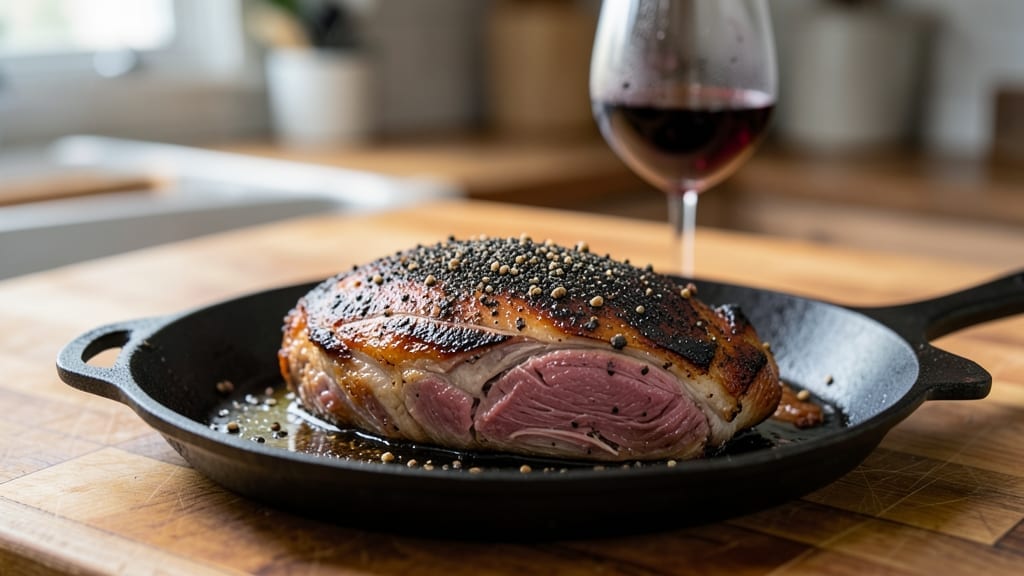
Slow-cooking deer shoulder in a crock pot transforms tough cuts into fall-off-the-bone tenderness that rivals any restaurant dish. The key lies in proper seasoning and low-and-slow cooking—this method develops deep, rich flavors while ensuring every bite melts effortlessly.
I perfected this recipe after years of hunting trips, where game meat often required special handling to achieve restaurant-quality results at home.
What makes this recipe work is the balance of time and technique. A well-seasoned deer shoulder—with salt, pepper, and aromatic herbs—simmers for 8 to 10 hours on low heat, breaking down connective tissue into succulent, fork-tender meat.
Unlike traditional braising, the crock pot does the heavy lifting, requiring minimal attention while delivering maximum flavor. The result? A dish that’s hearty, satisfying, and perfect for feeding a crowd.
By the end, you’ll have a dish that’s rich, deeply flavorful, and impossibly tender, with a sauce that’s thickened by rendered fats and seasonings. The aroma alone will have everyone gathering at the table, and the texture—juicy, shreddable meat—makes every bite worth the wait.
This is the kind of meal that turns a simple dinner into a memorable experience.
Pair it with roasted root vegetables or a fresh green salad to round out the meal. The slow-cooked richness of the deer shoulder pairs beautifully with bold flavors, making it a standout centerpiece for any occasion. Ready to create a dish that feels like a hunt-worthy reward? Let’s get started.
Ingredients for deer shoulder crock pot
Six simple ingredients transform game meat into restaurant-quality tenderness with minimal effort.
| Ingredient | Amount | Notes |
|---|---|---|
| Deer Shoulder 🦌 | 4 lb | Bone-in, cut into 2-inch chunks |
| Yellow Onion 🧅 | 1 whole | Large, sliced into half-moons |
| Carrots 🥕 | 1 ½ lb | Whole, peeled, cut into chunks |
| Fresh Rosemary 🌿 | ¼ cup | Chopped sprigs, fresh preferred |
| Fresh Thyme 🌿 | ¼ cup | Leaves only, stems removed |
| Garlic Cloves 🧄 | 8 cloves | Peeled, smashed for infusion |
| Kosher Salt 🧂 | 2 tbsp | Diamond Crystal preferred |
| Freshly Ground Black Pepper 🌶️ | 1 tbsp | Coarse grind for texture |
| Apple Cider Vinegar 🍎 | ½ cup | For acidity balance |
| Beef Broth 💧 | 2 cups | Low-sodium, homemade preferred |
| Whole Grain Mustard 🍯 | 1 tbsp | Adds depth to sauce |
| Extra-Virgin Olive Oil 🫒 | 2 tbsp | For initial searing |
| Bay Leaves 🍃 | 2 whole | Dried, removed before serving |
The deer shoulder is the foundation—look for well-marbled cuts with visible fat for moisture during cooking. Local butchers often carry game meat, or check specialty stores like Wild Fork Foods for pre-packaged options. Fresh herbs elevate the dish; rosemary and thyme from the grocery store’s produce section should be vibrant green with no wilting. For the beef broth, homemade is ideal, but low-sodium store-bought works in a pinch. The apple cider vinegar adds brightness, so opt for unfiltered, organic varieties if available—Mott’s or Bragg are reliable brands.
No fresh rosemary? Dried at one-third the amount works, but fresh is preferred for aromatic depth. Substitute thyme with dried oregano if needed, though the flavor will differ slightly. The beef broth can be swapped for vegetable broth if dietary restrictions apply, though the richness will be less pronounced. For mustard, Dijon can replace whole grain, though texture will vary. The bay leaves are optional but recommended—they infuse subtle earthy notes without overpowering. If you lack extra-virgin olive oil, light olive oil suffices for searing, though flavor will be milder.
Store the deer shoulder in the coldest part of your fridge for up to 3 days before cooking. The herbs should be wrapped in damp paper towels and sealed in a bag for 5 days of freshness. This recipe reheats beautifully—simmer on the stove for 10-15 minutes to restore tenderness. Leftovers keep for 4-5 days in the fridge or 3 months frozen. Portion into airtight containers for easy meal prep, and always reheat with a splash of broth to maintain moisture.
Why You’ll Love This Recipe
- Hands-Off Magic: I swear by this for nights when I’d rather not stand at the stove. Toss the deer shoulder, onions, and carrots in the crock pot with rosemary and thyme, add a splash of broth, and let it slow-cook. The effort? Less than 10 minutes. The result? Fall-apart tender meat that practically cooks itself.
- Herb-Infused Perfection: Between us, deer shoulder can be gamey if not handled right—but this recipe fixes that. The rosemary and thyme? They’re the secret. They mellow out the richness while adding that earthy, woodsy depth that makes every bite feel like a hug. (Yes, even on a Tuesday night.)
- Leftovers That Don’t Disappoint: I make this on Sundays because the leftovers are better the next day. The meat gets even more tender, and the flavors meld into something heartier. Pack it for lunches or reheat it for dinner—no one will guess it’s been sitting in the fridge.
- Budget-Friendly Wild Game: Honestly, deer is one of the most economical proteins if you hunt or know a local supplier. A single shoulder feeds my family for days, and the veggies (onions, carrots) are pantry staples. It’s a win for my wallet and my taste buds—no fancy ingredients, just pure satisfaction.
Step-by-step instructions for slow-cooked deer shoulder
Transform tough venison into melt-in-your-mouth perfection using this precise slow-cooking method.
Sear the Deer Shoulder for Depth of Flavor
Heat a heavy Dutch oven over medium-high heat until very hot. Add the 2 tablespoons extra-virgin olive oil and swirl to coat. Working in batches if needed, sear the 4 lb deer shoulder chunks on all sides until deeply browned—about 3-4 minutes per side. The goal is to develop a rich Maillard crust that will infuse the slow-cooked sauce with caramelized depth.
As you sear, resist the urge to overcrowd the pan. Cooking in batches maintains proper heat and ensures each piece develops that coveted crust. Transfer the browned meat to a plate and set aside temporarily. This initial searing step creates the flavor foundation for your dish.
Build the Aromatic Base in the Dutch Oven
In the same Dutch oven, add the sliced yellow onion and carrot chunks. Cook over medium heat for 5-6 minutes until the vegetables begin to soften and release their natural juices. The onions should turn translucent while the carrots develop a slight caramelization at their edges.
Add the smashed garlic cloves, chopped fresh rosemary, and fresh thyme leaves, stirring to combine. Cook for an additional 1 minute until the garlic becomes fragrant and the herbs release their essential oils. This aromatic layer forms the flavor backbone of your slow-cooked preparation.
Deglaze and Combine All Ingredients
Pour in the 0.5 cup apple cider vinegar, scraping up any browned bits from the bottom of the Dutch oven with a wooden spoon. These fond bits contain concentrated flavor that would otherwise be lost. Let the vinegar simmer for 2-3 minutes until it reduces by about half and the acidity mellows.
Add the 2 cups beef broth, 2 tablespoons kosher salt, 1 tablespoon freshly ground black pepper, 1 tablespoon whole grain mustard, and 2 whole bay leaves. Stir well to combine all ingredients, then return the seared deer shoulder chunks to the pot. The mustard adds subtle complexity while the vinegar balances the richness of the meat.
Transfer to Crock Pot and Cook Low and Slow
Carefully transfer the entire contents of the Dutch oven to a 6-quart slow cooker. The liquid should come up about halfway up the meat. Cover and cook on low heat for 8-10 hours, or until the meat is fork-tender and falls apart easily when pulled with tongs.
Here’s the key to perfect tenderness: The slow cooking process breaks down collagen in the connective tissue, transforming tough meat into succulent bites. Check the internal temperature occasionally after 6 hours—it should reach 195-200°F when fully tender. The long cook time ensures maximum flavor extraction from both the meat and vegetables.
Shred and Finish the Dish
Once the meat is tender, use two forks to shred the deer shoulder directly in the slow cooker. Discard the bay leaves and adjust seasoning if needed, adding more salt or pepper as required. The meat should be moist and fall apart easily at this stage.
For serving, you can either leave the meat in the cooking liquid for a rich gravy-like consistency, or drain and reserve the liquid separately for use as a sauce. The vegetables will have absorbed much of the flavor during cooking, creating a harmonious blend of textures and tastes. Serve immediately over mashed potatoes or crusty bread to capture all the juices.
Pro Tips For Making Deer Shoulder Crock Pot
- Brown the Meat First: Deer shoulder needs a head start—sear it in a hot skillet for 3-4 minutes per side before it goes into the crock pot. This isn’t just for flavor; it builds a crust that keeps the meat from turning mushy during slow cooking. (Yes, even if you’re impatient like me, skip this and you’ll regret it later.)
- Chop Onions Like a Pro: Roughly chop those yellow onions—no need for perfect slices. Big chunks caramelize better in the crock pot and won’t turn to mush. I used to dice them finely, and they’d just dissolve into the sauce. Save yourself the effort and go bold.
- Don’t Overfill the Crock Pot: Fill the pot only halfway with liquid—deer shoulder releases its own juices, and too much liquid = bland stew. Start with about 1 cup of broth or water, then let the meat and veggies work their magic. Trust me, your future self will thank you when the sauce isn’t watery.
- Tie Up the Herbs: Bundle fresh rosemary and thyme in cheesecloth or a mesh bag before adding them to the crock pot. This keeps the leaves intact so they infuse the meat without turning the dish into a herb slurry. (And yes, it’s worth the 30-second effort.)
Pro cooking tips for this dish
Searing Secrets
Never skip the searing step—this creates the Maillard reaction that builds deep, caramelized flavor. Use a heavy Dutch oven (like All-Clad) for even heat distribution. Sear in batches if needed to avoid steaming instead of browning.
I like to work in 2-3 minute intervals per side until the meat develops a deep golden crust. 🔥
Game Meat Safety
Always cook deer shoulder to an internal temperature of 165°F to ensure food safety. Use a meat thermometer (I recommend Thermoworks Smoke) inserted into the thickest part.
Game meat can dry out more quickly than beef, so monitor the liquid level in your crock pot—add ¼ cup broth if it drops below halfway up the meat. This prevents overcooking while maintaining moisture.
Low vs High Heat
For best results, always use the low setting on your crock pot. The slow cooker maintains a consistent 170-190°F temperature, which is ideal for breaking down collagen without overcooking. If you’re short on time, switch to high heat after the first 4 hours, but expect slightly less tender results.
I’ve found that 8-10 hours on low yields the most tender, flavorful meat.
Herb Freshness Matters
Fresh herbs make a dramatic difference in flavor. I always use Penzeys brand rosemary and thyme for their superior quality. If using dried herbs, reduce to ⅓ the amount and add them directly to the crock pot during the last 2 hours of cooking.
Never substitute dried herbs for fresh without adjusting quantities—they have completely different flavor profiles and release aromatics at different rates. 🌿
Acid Balance
The apple cider vinegar serves two purposes: it tenderizes the meat and balances the richness. I recommend using unfiltered, organic vinegar for maximum flavor. If you prefer a milder taste, reduce to ⅓ cup and add 1 tsp lemon juice instead.
The acidity helps break down proteins while preventing the dish from becoming too heavy. Taste the sauce before serving—adjust with more vinegar or a pinch of salt if needed.
Post-Cooking Rest
After removing the meat from the crock pot, let it rest for 10-15 minutes before shredding. This allows the juices to redistribute throughout the meat, preventing dryness. I also recommend transferring the meat to a serving platter and tenting it loosely with foil while you finish any sides.
This keeps the meat warm and tender while you prepare the rest of your meal. 💡
Nutrition facts
Frequently asked questions
Why does deer shoulder need such a long cook time?
Deer shoulder contains more connective tissue than beef, requiring 8-10 hours on low heat to break down collagen into gelatin. This slow process transforms tough meat into fall-off-the-bone tenderness while developing deep, rich flavors. The low temperature ensures moisture retention and prevents drying out.
Can I use frozen deer shoulder in this recipe?
Yes, but thaw it completely first in the refrigerator for 24-48 hours. Never thaw at room temperature or in warm water, as this promotes bacterial growth. For frozen chunks, add 1-2 extra hours to the cook time to ensure full tenderness.
What if my crock pot doesn’t have a low setting?
Use the high setting instead, but reduce cook time to 6-7 hours total. Monitor the meat frequently after 4 hours to prevent overcooking. The internal temperature should reach 165°F for safety, but aim for 195-200°F for maximum tenderness.
How do I store leftovers?
Store in an airtight container with any cooking liquid for up to 4 days in the fridge. Freeze portions for 3 months by wrapping tightly in plastic wrap. Reheat slowly on the stove with a splash of broth to maintain moisture—never microwave directly from frozen.

- Baked Potatoes in Crock Pot Recipe: Buttery Interiors and Crispy Top Magic - November 1, 2026
- Braised Beef Short Ribs Recipe: Crock Pot Fall-Off-Bone Magic in 6 Hours - November 1, 2026
- Crock Pot Cocoa Recipe: Velvety Warmth With Hidden Spice Magic - November 1, 2026