
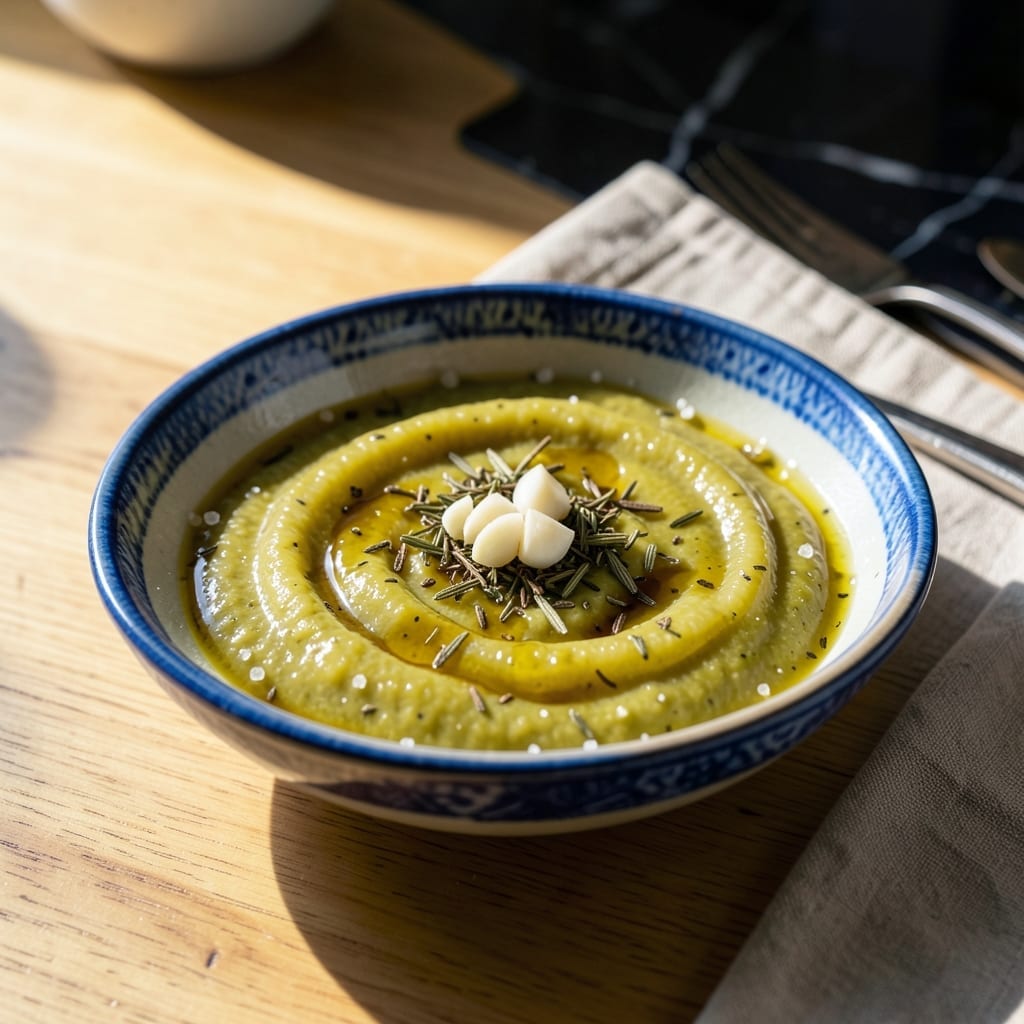
This dressing captures the bright, tangy essence of traditional fattoush without relying on pomegranate molasses. A simple blend of fresh lemon juice, extra virgin olive oil, and aromatic herbs creates a vibrant, balanced flavor.
With just 5 ingredients and 5 minutes of prep, you’ll have a versatile dressing ready to elevate salads, grilled meats, or roasted vegetables. The result is fresh, zesty, and perfectly tangy.
Ingredients for Fattoush Dressing Recipe Without Pomegranate Molasses
Seven simple ingredients deliver that signature bright, tangy fattoush flavor without the molasses.
| Ingredient | Amount | Notes |
|---|---|---|
| Fresh Lemon Juice 🍋 | ½ cup | Newly squeezed for brightness |
| Extra Virgin Olive Oil 🫒 | ¾ cup | High-quality, fruity preferred |
| Dried Oregano 🌿 | 2 tsp | Mediterranean variety ideal |
| Dried Thyme 🍃 | 1 tsp | Rubbed between fingers |
| Garlic Cloves 🧄 | 2 cloves | Minced finely for even distribution |
| Sea Salt 🧂 | 1 tsp | Fine grain for dissolution |
| Ground Sumac 🌶️ | 1 tsp | For authentic tangy depth |
The olive oil sets the foundation. California Olive Ranch or Cobram Estate offer consistent quality at grocery stores, but any cold-pressed extra virgin will work. Fresh lemon juice is non-negotiable—bottled lacks the necessary acidity. For sumac, check the international aisle or Middle Eastern markets. It’s worth the hunt for that authentic zing.
No sumac? A pinch of lemon zest plus salt mimics the tang. Dried herbs can be swapped for fresh at a 1:3 ratio (1 tsp dried = 1 tbsp fresh). If you’re out of oregano, marjoram works in a pinch. The garlic can be adjusted to taste—3 cloves for bold flavor, 1 clove for subtler notes. Always use fine sea salt here for even dispersion.
This dressing stays vibrant for 5 days in the fridge in an airtight container. The flavors meld and deepen over time—give it a good shake before using. For longer storage, omit the garlic and add it fresh each time to prevent bitterness.
Why You’ll Love This Recipe
- Five-Minute Whisk: No chopping, no fuss—just shake the lemon, oil, and herbs together in a jar. Honestly, it’s faster than deciding what to order for takeout.
- Bright and Zesty: The lemon and garlic give it that tangy kick, while the oregano and thyme add a warm, earthy depth. I’ll be real: it tastes better than most restaurant versions.
- Salad’s Best Friend: Drizzle it over greens, grains, or grilled veggies—it works everywhere. Between us, I’ve even used it as a marinade for chicken.
- Pantry Staples Only: Everything in this dressing is already in my cupboard. No last-minute grocery runs, and it keeps for days in the fridge.
Step-by-Step Instructions for Fattoush Dressing Without Pomegranate Molasses
This straightforward emulsification process yields a vibrant, tangy dressing with authentic Mediterranean character.
Step 1: Infuse the Oil with Aromatics
Finely mince the 2 cloves garlic cloves until they’re nearly paste-like in consistency. In a small saucepan, gently warm the 0.75 cup extra virgin olive oil over low heat for 2-3 minutes until it just begins to shimmer.
Add the minced garlic to the warm oil and remove from heat immediately. I find this brief heating softens the garlic’s harshness without risking bitterness. Let the mixture steep for 10 minutes to develop depth of flavor, then allow it to cool completely to room temperature.
Step 2: Activate the Dried Herbs
While the oil infuses, measure the 2 tsp dried oregano and 1 tsp dried thyme into your palm. Rub them between your fingers directly over the bowl you’ll use for mixing—this releases their essential oils and maximizes their aromatic potential.
Add these activated herbs to the cooled oil-garlic mixture. The warmth from the infusion will help extract their flavors more effectively than adding them to cold oil. Stir gently to combine, allowing the herbs to begin their flavor transfer process.
Step 3: Emulsify with Acid and Seasoning
Pour the 0.5 cup fresh lemon juice into the oil mixture in a thin, steady stream while whisking vigorously. This gradual incorporation is crucial for creating a stable emulsion that won’t separate. Continue whisking for 30-45 seconds until the mixture begins to thicken slightly.
Add the 1 tsp sea salt and 1 tsp ground sumac to the emulsion. The sumac provides the characteristic tang that would typically come from pomegranate molasses. Whisk again for 20-30 seconds until fully incorporated and the dressing takes on a creamy, pale yellow appearance.
Step 4: Adjust and Rest for Optimal Flavor
Taste the dressing and adjust the seasoning if needed. The flavors will meld and intensify as it rests. Transfer to a jar with a tight-fitting lid and let it sit at room temperature for 30 minutes before using. This resting period allows the sumac to fully hydrate and the garlic to mellow further.
The finished dressing should coat the back of a spoon lightly and have a balanced, bright acidity with earthy herb notes. It will keep in the refrigerator for up to 1 week, though I recommend using it within 3 days for peak freshness and flavor.
Pro Tips For Making Fattoush Dressing Recipe Without Pomegranate Molasses
- Bloom the Herbs: Toast the dried oregano and thyme in a dry pan for 30 seconds before mixing—it wakes up their flavors and makes the dressing taste far more complex.
- Grate the Garlic: Use a microplane for the garlic cloves instead of mincing; it blends seamlessly into the dressing and avoids those harsh raw chunks that can overpower the lemon.
- Balance the Acid: Taste as you go and add a pinch of sugar or honey if the lemon juice is too sharp; without pomegranate molasses, a touch of sweetness rounds out the brightness.
- Rest Before Serving: Let the dressing sit for at least 10 minutes after whisking—this gives the olive oil and lemon time to marry, and the garlic mellows just enough.
Serving Suggestions for Leftovers
On Classic Fattoush Salad
Drizzle 3-4 tbsp over crisp romaine, cucumber, tomatoes, radishes, and toasted pita pieces. The dressing’s bright acidity softens the pita while keeping the greens vibrant. I love adding thinly sliced red onion for extra bite. 🥗
As a Grain Bowl Topping
Transform quinoa or farro bowls by spooning 2 tbsp over warm grains, roasted vegetables, and chickpeas. The lemony tang pairs perfectly with earthy flavors. Add crumbled feta if you’re not keeping it vegan.
Marinade for Grilled Proteins
Use as a marinade for chicken or lamb—combine ½ cup dressing with the protein and let sit for 2-4 hours. The acid helps tenderize while the herbs infuse deep flavor. Brush extra on while grilling for maximum impact.
Dip for Crudités
Thicken slightly by letting it sit for 10 minutes, then serve with raw veggies. The sumac adds a tangy twist that elevates carrots, bell peppers, and endive. I often double the recipe just for dipping.
Over Roasted Vegetables
Drizzle over hot roasted eggplant, zucchini, or cauliflower. The heat helps the dressing cling better. A sprinkle of toasted pine nuts adds wonderful crunch and richness to the dish. 🌟
In Wraps and Sandwiches
Spread 1-2 tbsp inside pita pockets or wraps with falafel, lettuce, and tomatoes. It prevents sogginess while adding Mediterranean flair. Works great in veggie burgers too.
Nutrition Facts
Frequently Asked Questions
Can I use lime juice instead of lemon?
Yes, lime juice works as a substitute, though it has a slightly different flavor profile. Use the same ½ cup amount for comparable acidity. The dressing will have a more floral, citrus-forward taste.
What if I don’t have sumac?
Replace the 1 tsp sumac with ½ tsp lemon zest plus an extra pinch of salt. This mimics the tangy, slightly sour flavor that sumac provides.
How long can I store this dressing?
It stays fresh in the fridge for up to 5 days in an airtight container. Shake well before each use, as the ingredients may separate over time.
Can I make this dressing ahead of time?
In fact, letting it rest for 30 minutes before using enhances the flavors. The garlic mellows and the herbs infuse more deeply.

- 4C Bread Crumbs Meatballs Recipe: Crispy Crust and Juicy Centers - September 25, 2026
- 6 Oz Chocolate Chip Cookie Recipe: Perfectly Balanced Crispy Edges and Chewy Hearts - September 25, 2026
- 6-Inch Coffee Cake Recipe: Vanilla Bean Swirls and Buttery Streusel Topping - September 25, 2026