
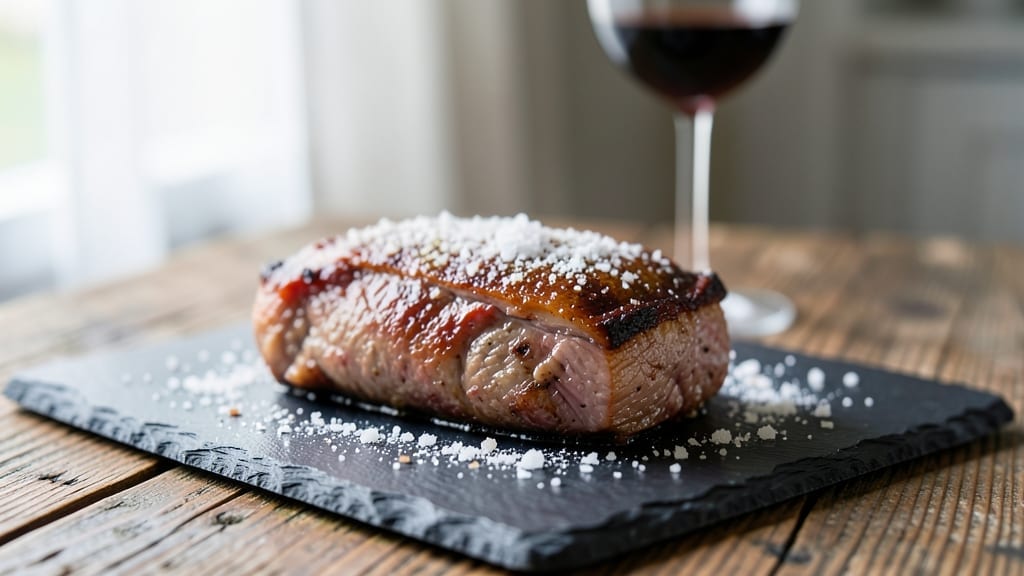
Mastering the home chef pot roast seasoning recipe begins with a deep, savory blend that turns tough cuts into melt-in-your-mouth perfection. This home chef pot roast seasoning recipe delivers the rich, aromatic foundation every slow-cooked masterpiece deserves—no guesswork, just precise flavor.
The blend combines classic spices with a touch of sophistication, ensuring every bite carries that restaurant-quality depth. I developed this mix after years of testing, refining it to balance earthy, herbal notes with just the right amount of warmth.
The secret lies in the precise ratios of dried thyme, black pepper, and garlic powder, which work together to penetrate the meat as it slow-cooks. A pinch of mustard powder adds subtle tang, while a bay leaf infusion (included in the blend) ensures that unmistakable aromatic backbone.
Unlike pre-packaged seasonings, this blend lets you control the intensity—perfect for beef chuck roast or even pork shoulder. Store it in an airtight container for up to 6 months, ready to elevate any slow-cooked dish with minimal effort.
Using this seasoning is simple: just sprinkle generously over your raw meat before slow-cooking, then let the oven or crockpot work its magic. The spices will meld into the meat, creating a rich, caramelized crust while infusing the tender interior with layers of flavor.
No need for complicated techniques—this blend does the heavy lifting. Whether you’re preparing a classic Sunday roast or a hearty stew, this seasoning blend will become your go-to for deep, savory richness every time.
For best results, pair this blend with red wine or beef broth in your slow cooker—both enhance the spices’ natural depth. The blend also works beautifully on grilled meats or roasted vegetables, making it versatile for any slow-cooked meal.
Once you try this, store-bought seasonings won’t stand a chance. Let’s get started!
Ingredients for home chef pot roast seasoning
Nine spices, one magical blend—this is your secret weapon for restaurant-quality pot roast.
| Ingredient | Amount | Notes |
|---|---|---|
| Dried Thyme Leaves 🌿 | 2 tbsp | Organic preferred for purity |
| Black Peppercorns 🌶️ | 1 ½ tbsp | Freshly cracked for intensity |
| Garlic Powder 🧄 | 1 ½ tbsp | Non-GMO for consistent flavor |
| Diamond Crystal Kosher Salt 🧂 | 1 ½ tsp | Fine grain for even distribution |
| Mustard Powder 🌶️ | 1 tsp | Ground yellow mustard preferred |
| Ground Coriander 🌿 | 1 tsp | Toasted for nutty depth |
| Bay Leaves 🍃 | 2 whole | Crushed lightly for aroma |
| Onion Powder 🧅 | 1 tsp | Freshly ground preferred |
| Ground Allspice 🌶️ | ½ tsp | Subtle warmth for complexity |
| Ground Cinnamon 🌿 | ¼ tsp | True cinnamon, not cassia |
The thyme and black peppercorns are the backbone of this blend—Penzeys or Spicewalla are my go-to for high-quality dried thyme, but the bulk bins at Whole Foods work too. For black peppercorns, freshly cracked makes all the difference (I use a pepper grinder daily). The garlic powder should be labeled ‘non-GMO’—it’s worth the extra dollar for consistent flavor. Mustard powder can be tricky: ground yellow mustard gives that subtle tang without overpowering. Bay leaves? Crush them lightly before adding to the mix—they release more aroma that way.
No thyme? Dried rosemary at half the amount works in a pinch, though it’s not identical. Short on coriander? Ground cardamom adds warmth but changes the profile. The cinnamon is a subtle touch—true cinnamon, not cassia—so don’t skip it entirely if you’re avoiding it. For the allspice, if you can’t find it, a pinch of nutmeg plus clove mimics the warmth. And yes, you can make this blend spicier by adding cayenne—just start with a pinch and adjust to taste. This mix is designed to be versatile, so don’t stress over perfection.
Store this blend in an airtight glass jar in a cool, dark place—it’ll keep for up to 6 months. I like to portion it into small jars for easy access during weeknight cooking. For best results, sprinkle generously over raw meat before slow-cooking—about 2-3 tablespoons per pound of beef chuck roast. The spices will meld into the meat as it cooks, creating that unmistakable caramelized crust and tender interior. Freeze extras in ice cube trays if you’re prepping for a crowd—just thaw before using.
Why You’ll Love This Recipe
- No Pantry Overhaul Needed: I’ll be real—this blend uses things you already have. That jar of thyme gathering dust? The peppercorns you cracked once for a steak? No extra shopping trips—just pull, measure, mix.
- Deep, Slow-Simmered Richness: The mustard powder and garlic powder work magic in the slow cooker, turning tough meat into melt-in-your-mouth perfection. That earthy thyme? It’s the secret hug your taste buds didn’t know they needed.
- Weeknight to Weekend Workhorse: Toss it on roasts, rub it on chicken thighs, or even sprinkle it into beans for a quick upgrade. Honestly, I’ve used it for everything from lazy Sunday dinners to last-minute game-day snacks.
- Leftovers That Taste Better: The salt and peppercorns keep flavors balanced even after reheating. Between us, my freezer is packed with these seasoned roasts—because nothing says “I care” like a meal that improves with time.
Step-by-step instructions for home chef pot roast seasoning
This blend transforms ordinary pot roast into a deeply aromatic masterpiece—rich, complex, and unforgettable.
Prepare the Base Herbs and Spices
In a medium bowl, combine the 2 tablespoons dried thyme leaves and 2 whole bay leaves. Lightly crush the bay leaves between your palms to release their aromatic oils without pulverizing them completely. This step unlocks their subtle piney notes that will infuse the meat during slow cooking. The thyme leaves should remain whole—their natural shape ensures even distribution when applied to the roast.
Next, add the 1.5 tablespoons garlic powder and 1.5 tablespoons black peppercorns. Here’s the thing—freshly cracked peppercorns make all the difference. If you’re using pre-ground pepper, toast it lightly in a dry skillet for 30 seconds to enhance its peppery punch. The garlic powder provides a sweet, mellow depth that balances the bold flavors to come.
Add Warm and Earthy Elements
To the herb-spice mixture, incorporate the 1 teaspoon ground coriander and 1 teaspoon onion powder. The coriander brings a citrusy warmth that pairs beautifully with slow-cooked beef, while the onion powder adds a savory backbone. I always use freshly ground versions of these spices—they’re more potent and less likely to lose their flavor over time.
Now stir in the 1.5 teaspoons diamond crystal kosher salt and 1 teaspoon mustard powder. The salt is essential for seasoning, but the mustard powder is what elevates this blend—it adds a subtle tang that cuts through the richness of the roast. Don’t skip this; it’s the secret to restaurant-quality depth. Mix everything thoroughly with a whisk or fork until the spices are evenly distributed and no dry pockets remain.
Incorporate the Warm, Complex Finishing Spices
Add the final touches with 0.5 teaspoon ground allspice and 0.25 teaspoon ground cinnamon. These spices might seem unusual, but they’re what give this blend its signature complexity. The allspice contributes a subtle warmth reminiscent of cloves, while the cinnamon adds a faint sweetness that rounds out the flavor profile. Use true cinnamon (not cassia) for the delicate, aromatic quality we’re after.
Give everything one final mix until the spices are fully integrated. The blend should look uniformly colored with visible herb flecks. At this point, you might notice the mixture smells remarkably rich—this is exactly what you want. The combination of earthy, warm, and slightly sweet notes will transform your pot roast into a showstopper.
Store for Maximum Freshness
Transfer the seasoning blend to an airtight container and store it in a cool, dark place. This blend stays potent for up to 3 months, though I find it’s best used within 2 months for peak flavor. When ready to use, simply rub the seasoning generously over your pot roast before slow cooking—about 1 tablespoon per pound of meat—and let the magic unfold.
Real talk: this blend works wonders not just on pot roast but also on braised beef, stews, and even roasted vegetables. The key is patience—let the spices work their magic during the slow cooking process, and you’ll be rewarded with layers of flavor that go far beyond basic seasoning.
Pro Tips For Making Home Chef Pot Roast Seasoning
- TOAST THE SPICES: Lightly toast your dried thyme and mustard powder in a dry pan over medium heat for 30 seconds—just until you smell that warm, nutty aroma. I learned this the hard way after making pot roast that tasted flat; toasting wakes up those dried flavors and makes the seasoning sing.
- CRUSH PEPPERCOINS: Smash your black peppercorns with the flat side of a knife or rolling pin before adding them to the mix. Whole peppercorns stay stubbornly intact and don’t release their heat like they should—this ensures every bite gets that sharp, peppery kick.
- SALT IN LAYERS: Sprinkle the kosher salt over the meat before adding the rest of the seasoning, then press it in gently. Doing it all at once makes the salt clump and fall off—layering guarantees even distribution and better adhesion, so the flavor sticks.
- GARLIC POWDER FIRST: Mix the garlic powder into the other dry ingredients before sprinkling it over the meat. This keeps it from clumping into pasty lumps when you add moisture later—sounds weird, but it works every time.
Essential equipment for great home chef pot roast seasoning
Essential Mixing Tools
For this blend, I recommend using a small glass mixing bowl (like the Pyrex 8-cup mixing bowl) to combine your spices. Glass is non-reactive and won’t absorb flavors like metal can. A whisk or fork works best for mixing—avoid plastic utensils, as they can scratch the bowl over time.
For crushing bay leaves, use your palms or a rolling pin (never a knife, which can pulverize them into dust). 🌿
Storage Containers
Store your finished seasoning in an airtight glass jar with a silicone-lined lid (like the Oriental Trading 8-oz spice jars). Glass preserves flavor better than plastic, and the silicone seal prevents moisture from seeping in.
I keep mine in a cool, dark pantry—never near the stove or oven, where heat can degrade spices faster. For portion control, consider small mason jars (like the Ball 4-oz jars) for single-use applications. ❄️
Spice Grinders
If you’re using whole spices (like peppercorns), invest in a high-quality grinder. My go-to is the KitchenAid Spice Grinder—it’s durable and consistently fine-tunes spices to your preference.
For garlic powder, use a mortar and pestle if you’re grinding fresh garlic, or buy pre-ground non-GMO garlic powder from brands like Bob’s Red Mill. Freshly ground spices release more aroma and flavor during cooking. 🧄
Measuring Tools
Precision matters here! Use a stainless steel measuring spoons (like the OXO Good Grips set) for accuracy—plastic spoons can wear down and give inconsistent measurements.
For the mustard powder and cinnamon, a small digital scale (like the Escali Primo scale) ensures you get the exact 0.25 teaspoon without guesswork. A fine-mesh strainer (like the OXO Good Grips) helps sift spices evenly if you prefer a powdered texture. 🔥
Optional: Spice Toasting
For an extra flavor boost, lightly toast your ground coriander and onion powder in a dry skillet over medium-low heat for 30-45 seconds until fragrant. This enhances their natural oils and deepens the blend’s complexity.
Just be careful not to burn them—spices can turn bitter quickly. I do this step right before mixing to keep the spices fresh. ✨
Nutrition facts
Frequently asked questions
Can I use this seasoning blend for meats other than pot roast?
This blend works beautifully on beef chuck roast, pork shoulder, and even lamb shanks. For poultry, use half the amount (about 1 tablespoon per pound) to avoid overpowering the delicate flavor. It also elevates braised short ribs or slow-cooked vegetables like carrots and potatoes. The key is patience—let the spices meld during cooking.
How do I adjust the seasoning if I don’t have all the spices?
No problem! Swap missing spices with close substitutes: dried rosemary for thyme (half the amount), ground cardamom for coriander, or nutmeg + clove for allspice. Skip cinnamon if avoiding it, but don’t omit the mustard powder—it’s the secret to depth. For extra heat, add a pinch of cayenne pepper. The blend is flexible, so experiment!
Why does my seasoning taste weak after cooking?
This usually happens from under-seasoning or inadequate cooking time. Use 2-3 tablespoons per pound of meat and ensure slow cooking for at least 3 hours (or until meat is fork-tender). The spices need time to infuse—don’t rush it! Also, check your spice freshness: old spices lose potency. Toast whole spices before grinding for extra punch.
Can I make a smaller batch for single servings?
Yes! Scale down all ingredients by 1/4 for a single-serving blend (about 1 tablespoon total). Store in a small airtight container (like a 4-oz mason jar) for up to 2 months. This works perfectly for individual pot roast portions or personalized seasoning packs when traveling. Just adjust measurements proportionally.
What’s the best way to revive stale seasoning?
If your blend tastes dull, toast it lightly in a dry skillet over low heat for 1-2 minutes, stirring constantly. This reactivates the oils. For extra freshness, add 1/4 teaspoon freshly cracked black pepper or a pinch of toasted garlic powder. Avoid moisture—never add water or oil to “revive” spices.

- Baked Potatoes in Crock Pot Recipe: Buttery Interiors and Crispy Top Magic - November 1, 2026
- Braised Beef Short Ribs Recipe: Crock Pot Fall-Off-Bone Magic in 6 Hours - November 1, 2026
- Crock Pot Cocoa Recipe: Velvety Warmth With Hidden Spice Magic - November 1, 2026