
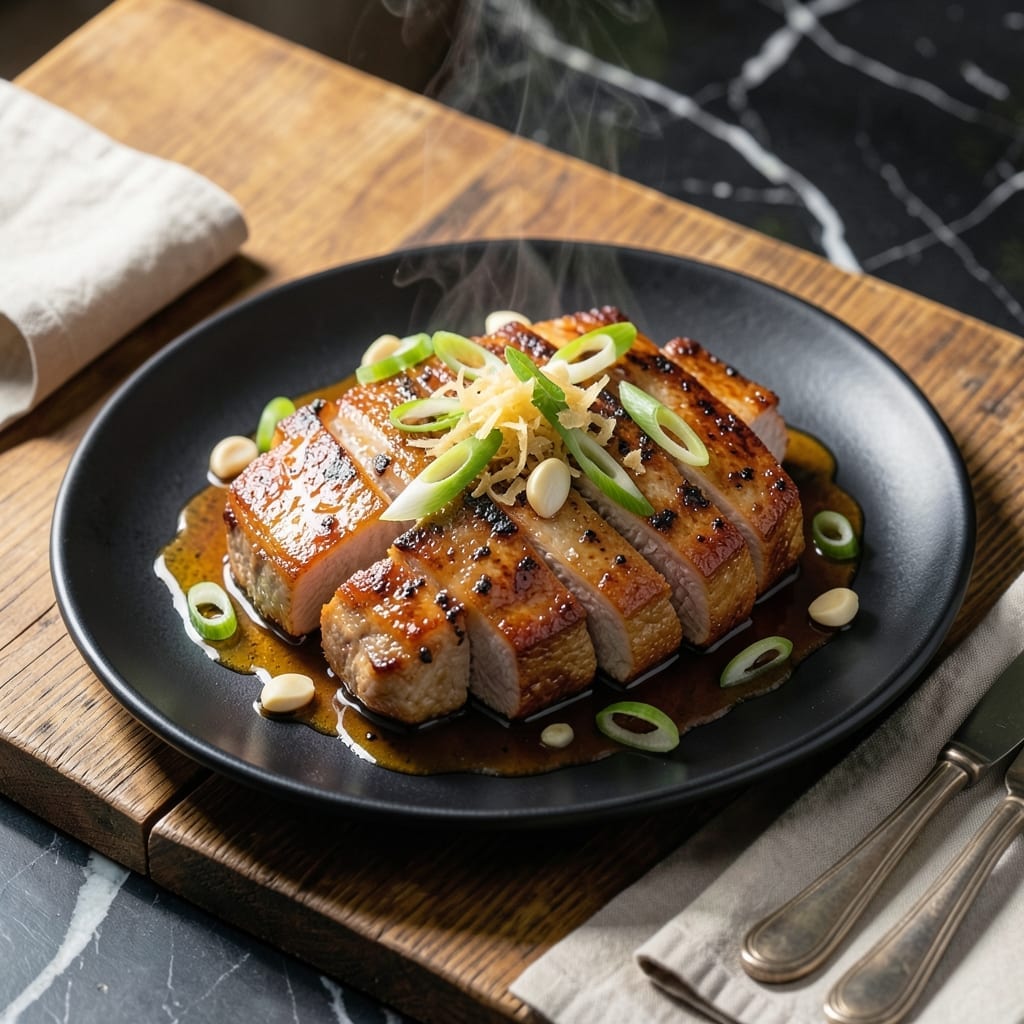
This hot pot pork roast transforms a simple cut into a tender, flavorful centerpiece through a slow-simmered Asian broth. The process coaxes out rich, aromatic notes that infuse every bite.
I developed this method to highlight the pork’s natural sweetness while letting the broth develop deep, layered flavors. The key is patience—allowing the meat to simmer until it reaches fall-apart tenderness without drying out.
The result is a dish that feels special yet remains approachable. The broth becomes a savory elixir, perfect for soaking up with rice or noodles.
This recipe works for gatherings or quiet dinners, with leftovers tasting even better the next day.
Ingredients for Hot Pot Pork Roast
Slow-simmered pork shoulder meets aromatic Asian spices in this deeply flavorful broth.
| Ingredient | Amount | Notes |
|---|---|---|
| Pork Shoulder 🥩 | 2 lb | Boneless, cut into chunks |
| Soy Sauce 🫒 | ½ cup | Low-sodium preferred |
| Shaoxing Wine 🍶 | ¼ cup | Dry sherry as substitute |
| Ginger Root 🌿 | 3 tbsp | Fresh, grated or sliced |
| Garlic Cloves 🧄 | 6 cloves | Minced for depth of flavor |
| Scallions 🧅 | 4 whole | White and green parts separated |
| Star Anise Pods ✨ | 2 whole | Whole for broth infusion |
| Cinnamon Stick 🌰 | 1 whole | For aromatic broth base |
| Dried Shiitake Mushrooms 🍄 | ½ oz | Rehydrated for umami |
| Rock Sugar 🍬 | 2 tbsp | Or substitute with brown sugar |
| Chinese Black Vinegar 🫗 | 1 tbsp | For tangy depth |
| Chicken Stock 🥣 | 4 cups | Low-sodium or homemade |
| Napa Cabbage 🥬 | 1 whole | Cut into wedges for serving |
| Sesame Oil 🫒 | 1 tsp | Toasted for finishing |
The pork shoulder is non-negotiable—its fat content and connective tissue break down beautifully during the long simmer, creating that fall-apart texture the introduction promises. Source it from Whole Foods or a trusted butcher for quality cuts with good marbling. The Shaoxing wine adds complexity, but dry sherry works in a pinch (avoid cooking wine, which is salted). For the star anise and cinnamon, Asian markets carry the freshest stock.
No Shaoxing wine? Dry sherry is your best bet, or use mirin with a splash of rice vinegar for a sweeter, tangier twist. Swap pork shoulder for pork belly if you prefer more fat, but adjust simmering time accordingly. Dried shiitake can be replaced with fresh shiitake or cremini mushrooms—just add them later to avoid mushiness. Rock sugar is traditional, but brown sugar or even honey (if not strictly vegan) works.
The broth develops more depth overnight. Refrigerate for up to 3 days or freeze for 3 months. Reheat gently to preserve the aromatic compounds. Leftovers taste even better, as the flavors continue to meld and intensify.
Why You’ll Love This Recipe
- One Pot Wonder: I just dump the pork shoulder, soy sauce, Shaoxing wine, and aromatics in one pot and let it work its magic.
- Deep Umami Bomb: Honestly, the soy sauce and Shaoxing wine create this rich, savory depth that makes every bite ridiculous.
- Feeds a Crowd: Between us, this is my go-to for family dinners—everyone leaves satisfied and there’s always enough.
- Budget Stretcher: Pork shoulder is so affordable, and this recipe turns it into something that tastes like a splurge.
Step-by-Step Instructions for Hot Pot Pork Roast
Master the technique for this aromatic dish with precise timing and layering of flavors.
Step 1: Prepare the Pork and Aromatics
Cut the 2 lb Pork Shoulder into 1½-inch chunks, ensuring uniform pieces for even cooking. Trim any excess fat but leave some marbling for flavor. Meanwhile, grate the 3 tbsp Ginger Root and mince the 6 cloves Garlic Cloves finely—this releases their essential oils for maximum infusion.
Separate the 4 whole Scallions into white and green parts, reserving the greens for garnish. The whites will join the broth base. This preparation step ensures all aromatics are ready to go when the simmering begins, preventing any burnt or underdeveloped flavors.
Step 2: Build the Broth Base
In a large pot, combine the 4 cups Chicken Stock, 0.5 cup Soy Sauce, 0.25 cup Shaoxing Wine, 2 whole Star Anise Pods, and 1 whole Cinnamon Stick. Add the grated ginger, minced garlic, and white parts of the scallions. Bring to a gentle simmer over medium heat.
Add the 0.5 oz Dried Shiitake Mushrooms, 2 tbsp Rock Sugar, and 1 tbsp Chinese Black Vinegar. Let this mixture simmer uncovered for 15 minutes to allow the spices to bloom and the mushrooms to rehydrate, creating a deeply fragrant foundation for the pork.
Step 3: Simmer the Pork to Tenderness
Carefully add the pork chunks to the broth, ensuring they are fully submerged. Reduce the heat to low, cover, and let simmer for 1½ to 2 hours. The pork should become fork-tender, easily pulling apart with minimal resistance.
Skim any foam or impurities that rise to the surface during the first 30 minutes of simmering. This keeps the broth clean and ensures a refined final flavor. The liquid should maintain a gentle bubble, not a rolling boil, to avoid toughening the meat.
Step 4: Prepare the Napa Cabbage and Finish
While the pork simmers, cut the 1 whole Napa Cabbage into 2-inch wedges, keeping the core intact to hold the leaves together. Add the wedges to the pot during the last 20 minutes of cooking, allowing them to soften slightly while absorbing the rich broth.
The cabbage should be tender but still retain some bite. Once the pork and cabbage are cooked, turn off the heat and stir in the 1 tsp Sesame Oil. Let the pot sit covered for 10 minutes to allow the flavors to meld before serving.
Pro Tips For Making Hot Pot Pork Roast
- Sear the Pork: I learned this the hard way—brown the pork shoulder well in batches before braising. It adds depth to the soy and Shaoxing wine sauce that skipping this step just can’t match.
- Slice Against Grain: After cooking, let the pork rest 10 minutes, then slice against the grain. This makes the meat tender and easier to pull apart for the hot pot.
- Skip the Old Ginger: Use fresh ginger root only—old or dried ginger loses its punch and leaves the dish tasting flat. A 1-inch knob, peeled and sliced, is perfect for this amount of pork.
- Deglaze the Pan: After searing, pour in the Shaoxing wine and scrape up all those browned bits. Sounds weird, but it works: those little bits pack serious flavor into the braising liquid.
Troubleshooting hot pot pork roast
Broth Too Weak
If your broth lacks depth after simmering, add 2 tbsp soy sauce and 1 tbsp Shaoxing wine. Simmer uncovered for 10-15 minutes to concentrate flavors. I also toss in 2 extra star anise pods for more aromatic punch. 🌡️
Pork Not Tender
When pork remains tough, it often needs more time. Extend simmering by 30-45 minutes on low heat. Ensure liquid covers the meat—add 1-2 cups hot water if needed. Check doneness with a fork; it should slide in effortlessly.
Bitterness in Broth
Bitterness usually comes from overcooked aromatics. Next time, simmer ginger and garlic for only 5 minutes before adding pork. To fix now, stir in 1 tsp rock sugar or a splash of Chinese black vinegar to balance flavors.
Cabbage Overcooked
Add cabbage wedges during the last 15 minutes instead of 20 for crisp-tender texture. If already mushy, remove with a slotted spoon and serve immediately. Smaller wedges (1-inch) cook faster and retain more bite.
Broth Too Salty
Dilute with 1-2 cups hot water or unsalted chicken stock. Add ½ lb sliced daikon radish to absorb excess salt naturally. Taste before adjusting further—flavors mellow as it rests.
Fatty Surface Layer
Chill the pot for 30 minutes, then skim solidified fat. For immediate results, drag a paper towel across the surface. Using leaner pork shoulder or trimming more fat beforehand prevents this issue. ✨
Nutrition Facts
Frequently Asked Questions
Can I use a different cut of pork?
Pork shoulder works best for its fat and connective tissue, but you can use pork belly for more richness. Just adjust simmering time to 2-2½ hours for similar tenderness.
How long can I store leftovers?
Refrigerate in an airtight container for up to 3 days. For longer storage, freeze for 3 months. Reheat gently to preserve flavors.
What can I use instead of Shaoxing wine?
Dry sherry is the best substitute. Alternatively, use mirin with a splash of rice vinegar for a sweeter, tangier twist.
Why is my broth bitter?
Overcooked aromatics often cause bitterness. Simmer ginger and garlic for only 5 minutes before adding pork. Fix it now with 1 tsp rock sugar.

- 4C Bread Crumbs Meatballs Recipe: Crispy Crust and Juicy Centers - September 25, 2026
- 6 Oz Chocolate Chip Cookie Recipe: Perfectly Balanced Crispy Edges and Chewy Hearts - September 25, 2026
- 6-Inch Coffee Cake Recipe: Vanilla Bean Swirls and Buttery Streusel Topping - September 25, 2026