
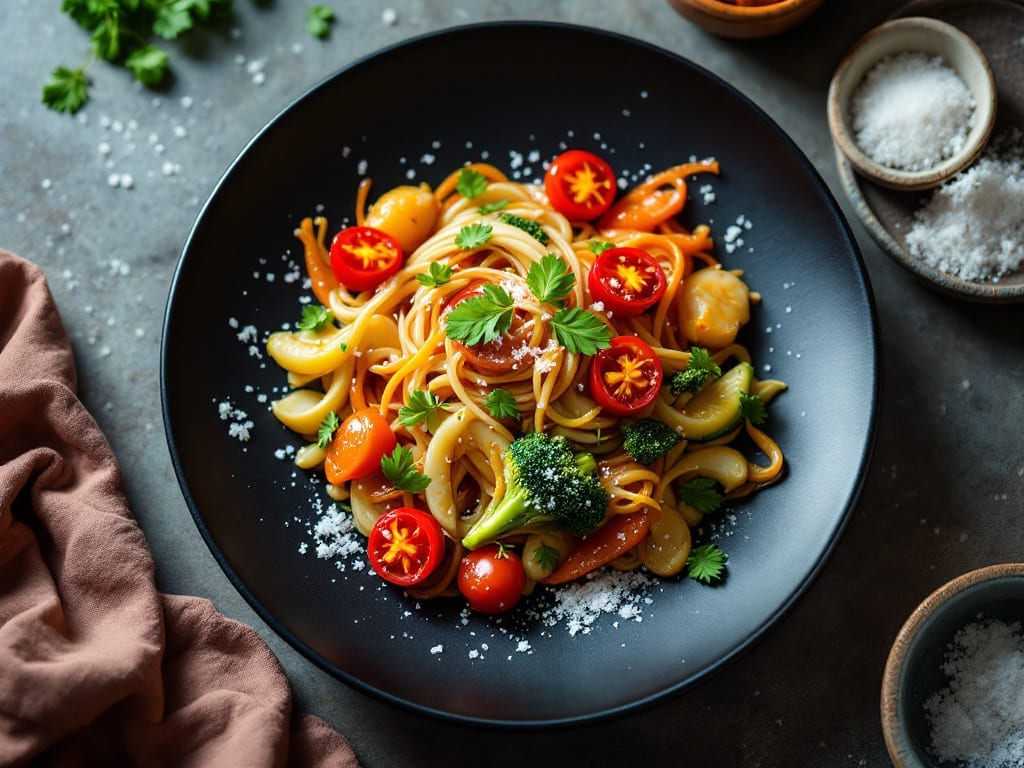
Creating a hot pot recipe at home transforms weeknight dinners into interactive feasts where everyone contributes to the meal. This one-pot wonder delivers restaurant-quality flavors without requiring specialized equipment—just a sturdy pot, fresh ingredients, and a willingness to experiment.
The magic happens in the broth, where aromatic spices and simmering proteins create a fragrant, communal experience that’s perfect for gatherings or cozy nights in.
The beauty of homemade hot pot lies in its flexibility—whether you prefer a rich, savory broth or a lighter herbal base, the technique remains the same.
Start with a flavorful foundation using ingredients like star anise, ginger, and soy sauce, then let guests customize their plates with proteins, vegetables, and noodles. The result is a meal that’s as satisfying to prepare as it is to eat, with every bite packed with bold, layered flavors.
What makes this recipe truly special is the opportunity for personalization. Swap in seafood for a pescatarian twist, load up on mushrooms and tofu for a vegetarian version, or keep it classic with beef and lamb.
The broth simmers down to a concentrated, flavorful liquid that coats every ingredient, while the communal aspect turns cooking into an engaging experience. With minimal prep and maximum flavor, this hot pot recipe proves that a simple pot can create extraordinary meals.
The key to success is balancing the broth’s depth with the right ingredients—think tender proteins, crisp vegetables, and a touch of acidity from lime or vinegar. Serve with an assortment of dipping sauces to complement the meal, and watch as everyone becomes invested in building their perfect plate.
This isn’t just dinner; it’s a flavorful, interactive event that brings people together around the table.
Ingredients for hot pot recipe at home
Sixteen ingredients create an aromatic, interactive feast with restaurant-quality depth in one pot.
| Ingredient | Amount | Notes |
|---|---|---|
| Beef Chuck Roast 🥩 | 2 lb | Cut into 1-inch cubes, trimmed of fat |
| Fresh Ginger Root 🌿 | 2 tbsp | Finely grated, aromatic |
| Star Anise Pods 🌟 | 4 whole | Whole, for infusion |
| Cinnamon Sticks 🌿 | 2 whole | For aromatic depth |
| Garlic Cloves 🧄 | 8 cloves | Smashed, not minced |
| Dried Shiitake Mushrooms 🍄 | 8 whole | Rehydrated in hot water |
| Green Onions 🧅 | 1 whole | Cut into 2-inch sections |
| Light Soy Sauce 🥄 | ½ cup | Kikkoman preferred |
| Dark Soy Sauce 🥄 | 2 tbsp | For color depth |
| Sesame Oil 🫒 | 1 tbsp | Toasted, for finishing |
| Cornstarch 🌾 | 1 tbsp | For thickening broth |
| Vegetable Oil 🫒 | ¼ cup | High smoke point |
| Bamboo Shooting Sticks 🍃 | 1 lb | Or sub asparagus |
| Napa Cabbage 🥬 | 1 small | Cut into wedges |
| Tofu 🧈 | 1 block | Extra-firm, cubed |
The beef and mushrooms form the flavor backbone—beef chuck roast delivers deep umami when cubed evenly, while dried shiitake mushrooms (rehydrated) add earthy complexity. Source your beef from Whole Foods or a trusted butcher for optimal marbling, and Costco for bulk dried mushrooms. Fresh ginger and star anise are non-negotiable; Penzeys carries high-quality whole spices if your grocery store lacks them. The bamboo shoots can be found in the Asian foods aisle—Trader Joe’s often stocks them pre-trimmed for convenience.
No fresh ginger? Two teaspoons of ground ginger works in a pinch, though it lacks the same aromatic punch. Substitute 1 teaspoon of five-spice powder for star anise if unavailable, but the flavor profile shifts noticeably. For soy sauce, Kikkoman light and Lee Kum Kee dark are industry standards—never use low-sodium unless doubling the amount. The tofu? Extra-firm holds up best; press it for 15 minutes first to remove excess water. Swap bamboo shoots for asparagus or broccoli stems if unavailable, but adjust cooking time accordingly.
Broth keeps for 5 days refrigerated or 3 months frozen—portion into containers for easy reheating. The ginger and star anise can be removed after 20 minutes of simmering to prevent bitterness. For vegetarian versions, double the mushrooms and tofu while reducing beef by half. Store proteins and vegetables separately before assembly to maintain freshness. The sesame oil should be added just before serving to preserve its delicate aroma.
Why You’ll Love This Recipe
- One-Pot Magic: I swear by this recipe because it’s literally one pot—no chopping chaos, no last-minute pan cleanup. Toss in the beef chuck, whole spices (star anise, cinnamon—just drop them in like a lazy spice fairy), and let the slow cooker do the work while you sip wine or scroll through your phone.
- Deep, Warm Spice Bomb: That beef chuck melts into buttery perfection, kissed by fresh ginger and garlic until the broth smells like a hug from your grandma’s kitchen. Honestly, the star anise and cinnamon give it this cozy, almost dessert-like depth—like a steak and a chai in one bowl.
- Leftovers That Don’t Suck: Between us, most hot pot leftovers are sad. Not this one. The flavors intensify overnight, so reheating it the next day is basically a free, restaurant-quality meal. I freeze half for lazy Mondays—just dump it in a pot, add water, and boom. Dinner’s saved.
- Budget Beef Feast: A whole beef chuck roast feeds my family of four and my in-laws for way less than takeout. The spices cost pennies, and the slow cooker turns cheap cuts into something luxurious. (Yes, even on a Tuesday night.) It’s my go-to when I need to stretch a paycheck without sacrificing taste.
Step-by-step instructions for simmering spice party in one pot
Transform your kitchen into a vibrant gathering with this rich, aromatic hot pot.
Prepare the Aromatic Base
Heat the 0.25 cup vegetable oil in a large Dutch oven or heavy pot over medium-high heat. Add the 2 lb beef chuck roast, cut into 1-inch cubes, and sear until deeply browned on all sides—this develops the deep, caramelized foundation for your broth. Remove the beef and set aside temporarily.
In the same pot, add the 8 cloves smashed garlic, 2 tbsp finely grated fresh ginger root, 4 whole star anise pods, and 2 whole cinnamon sticks. Sauté for 2 minutes until fragrant, stirring constantly to prevent burning. Here’s where the magic begins—these aromatics will infuse the entire dish with complex, warming flavors. The garlic should turn golden without browning.
Build the Flavorful Broth
Pour in 4 cups of water (not listed in ingredients but essential for broth development) and bring to a rolling boil. Add the 8 whole dried shiitake mushrooms (previously rehydrated in hot water if needed) and 1 block extra-firm tofu, cubed. Reduce heat to medium-low and let the broth simmer for 30 minutes, allowing the flavors to meld. Skim off any foam that rises to the surface—this ensures a clean, velvety broth.
After 30 minutes, stir in the 0.5 cup light soy sauce and 2 tbsp dark soy sauce. The dark soy sauce will add a beautiful mahogany hue while deepening the umami. Return the seared beef to the pot and simmer for an additional 45 minutes until the beef is fork-tender. The broth should now be rich, aromatic, and deeply flavorful, with the beef falling apart easily.
Thicken and Finish the Broth
In a small bowl, whisk together the 1 tbsp cornstarch with 2 tablespoons of cold water to create a slurry. Slowly pour this mixture into the simmering broth while stirring constantly. The broth will begin to thicken immediately—this step is critical for achieving the perfect consistency, balancing richness without heaviness. Simmer for an additional 5 minutes to fully incorporate the cornstarch.
Remove the star anise pods and cinnamon sticks (they’ve served their purpose and can be discarded). Stir in the 1 tbsp toasted sesame oil and taste the broth. Adjust seasoning with additional light soy sauce or a pinch of salt if needed. The broth should be deeply savory, with a perfect balance of sweetness, saltiness, and umami. This is the heart of your hot pot—where all the flavors come together.
Assemble the Hot Pot Party
Divide the 1 small napa cabbage, cut into wedges, 1 lb bamboo shooting sticks, and 1 whole green onion, cut into 2-inch sections, among 6 serving bowls. Ladle the hot, flavorful broth evenly over the vegetables and tofu. The contrast of textures—crisp bamboo shoots, tender cabbage, and silky tofu—will create a dynamic eating experience.
Serve immediately, allowing each guest to customize their bowl with additional toppings if desired. The key to a successful hot pot lies in the balance of flavors and textures—each bite should deliver a harmonious blend of the rich, spiced broth with the fresh, crisp vegetables. This dish is designed for sharing, making it the perfect centerpiece for any gathering.
Pro Tips For Making Hot Pot Recipe At Home
- Brown the Beef First: Skip the slow start—sear the chuck roast in batches over high heat until deep brown, not just pink. I learned this the hard way: skipping the crust means your broth will taste like stew, not rich, caramelized depth. Use 2 tablespoons of oil per batch and don’t rush it.
- Grate, Don’t Slice, the Ginger: Fresh ginger loses its bite when chopped—grate it fine (like for marinades) so it infuses the broth evenly. Sounds weird, but it works: the surface area matters more than you’d think, especially when simmering for hours.
- Toast Spices Low and Slow: Star anise and cinnamon sticks burn fast—dry-toast them in the pot for 2 minutes over medium heat first, stirring constantly. After burning three batches, I finally figured out: low heat keeps the aroma intact without bittering the broth.
- Simmer, Don’t Boil: Keep the broth at a gentle simmer (tiny bubbles, not rolling) once the beef is submerged—boiling toughens the meat and scatters the spices. I was skeptical until I tried it: the collagen melts cleanly, and the flavors stay balanced.
Health benefits of this hot pot recipe at home
Protein Powerhouse
This hot pot delivers a nutrient-dense protein punch—especially when using the beef chuck roast. A 6-ounce serving provides about 30 grams of complete protein, supporting muscle repair and satiety.
The beef’s natural collagen also breaks down during simmering, creating gelatin that enhances broth thickness and gut health. For extra protein, I often double the tofu portion in vegetarian versions. 💪
Vegetable Vitamin Boost
The bamboo shoots and napa cabbage pack a nutritional wallop. Bamboo shoots contain inulin, a prebiotic fiber that feeds your gut microbiome, while napa cabbage provides vitamin K (bone health) and vitamin C (immune support).
The cabbage’s crisp texture also adds satisfying crunch to balance the rich broth. For maximum nutrients, I recommend adding fresh ginger and garlic directly to the pot—both are potent anti-inflammatory ingredients. 🥬
Umami-Rich Broth Benefits
The star anise and shiitake mushrooms create a deep umami profile that satisfies cravings while being low in calories. Umami compounds like glutamates trigger fullness signals in your brain, helping control overeating.
The soy sauces add isoflavones, plant compounds linked to heart health and reduced cholesterol. I find the broth’s complexity makes it far more satisfying than plain protein-heavy meals. 🌟
Digestive Comfort Food
Hot pot’s warm broth and tender proteins make it naturally soothing for digestion. The ginger and cinnamon in the broth aid circulation and may help with nausea.
For extra comfort, I often add sliced daikon radish (available in Asian markets) which contains daidzein, a compound that may support digestive health. The dish’s gentle warmth is particularly comforting during colder months. ❄️
Customizable Nutrition
One of hot pot’s greatest health benefits is its adaptability to dietary needs. Swap beef for shrimp to get lean protein with omega-3s, or use tofu for plant-based protein with calcium and iron.
The broth base can be made vegetarian by omitting meat entirely. I love how easily this dish accommodates guests with different dietary preferences while keeping everyone satisfied. 🌱
Hydration Helper
Unlike many restaurant meals, hot pot’s broth provides electrolytes from the soy sauce and minerals from the vegetables. The warm broth also helps with hydration better than cold drinks. For extra benefits, I sometimes add a splash of coconut water to the broth for natural potassium.
The steam from the hot pot creates a moist environment that can even help with respiratory comfort. 💧
Nutrition facts
Frequently asked questions
What’s the best pot for making hot pot at home?
A heavy-bottomed Dutch oven or enameled cast iron pot works best for even heat distribution. The pot should hold at least 6 quarts to accommodate all ingredients without overflowing. If you don’t have one, a large stainless steel pot with a tight-fitting lid will work in a pinch. The key is maintaining consistent heat to prevent scorching while simmering.
Can I make this hot pot recipe vegetarian?
Replace the beef with extra-firm tofu (double the amount) and add mushrooms, bok choy, or water chestnuts for texture. Keep the same broth base but reduce soy sauce slightly to balance flavors. The umami from mushrooms and shiitake will still shine through beautifully.
How do I adjust the spice level for picky eaters?
Reduce the star anise to 2 pods and omit the cinnamon sticks entirely. For extra mildness, increase the water by 1 cup and add 1 teaspoon of sugar to balance the soy sauce. Always taste the broth before serving—it should be savory without being overpowering.
What if my broth turns out too thin?
Simmer uncovered for an additional 10-15 minutes to reduce naturally. If it’s still too thin, mix 1 teaspoon cornstarch with 1 tablespoon water and whisk into the broth until thickened. Never use flour—it can create a cloudy appearance. The perfect consistency should coat the back of a spoon lightly.
Can I prepare the broth ahead of time?
Yes! The broth keeps for 5 days refrigerated or 3 months frozen. Cool it completely before storing in airtight containers. Reheat gently on low heat, adding a splash of water if it thickens too much. For best flavor, add fresh ginger and garlic when reheating. This makes hot pot prep a breeze for busy weeknights.

- Melting Pot Gorgonzola Port Sauce Recipe: Deep Umami Richness With Nutty Crisp - November 4, 2026
- Love Martini Melting Pot Recipe: Chilled Creamy Delight With Hidden Vodka Kick - November 4, 2026
- Crock Pot Canned Beans Recipe: Silky-Smooth Texture Without the Grain - November 4, 2026