
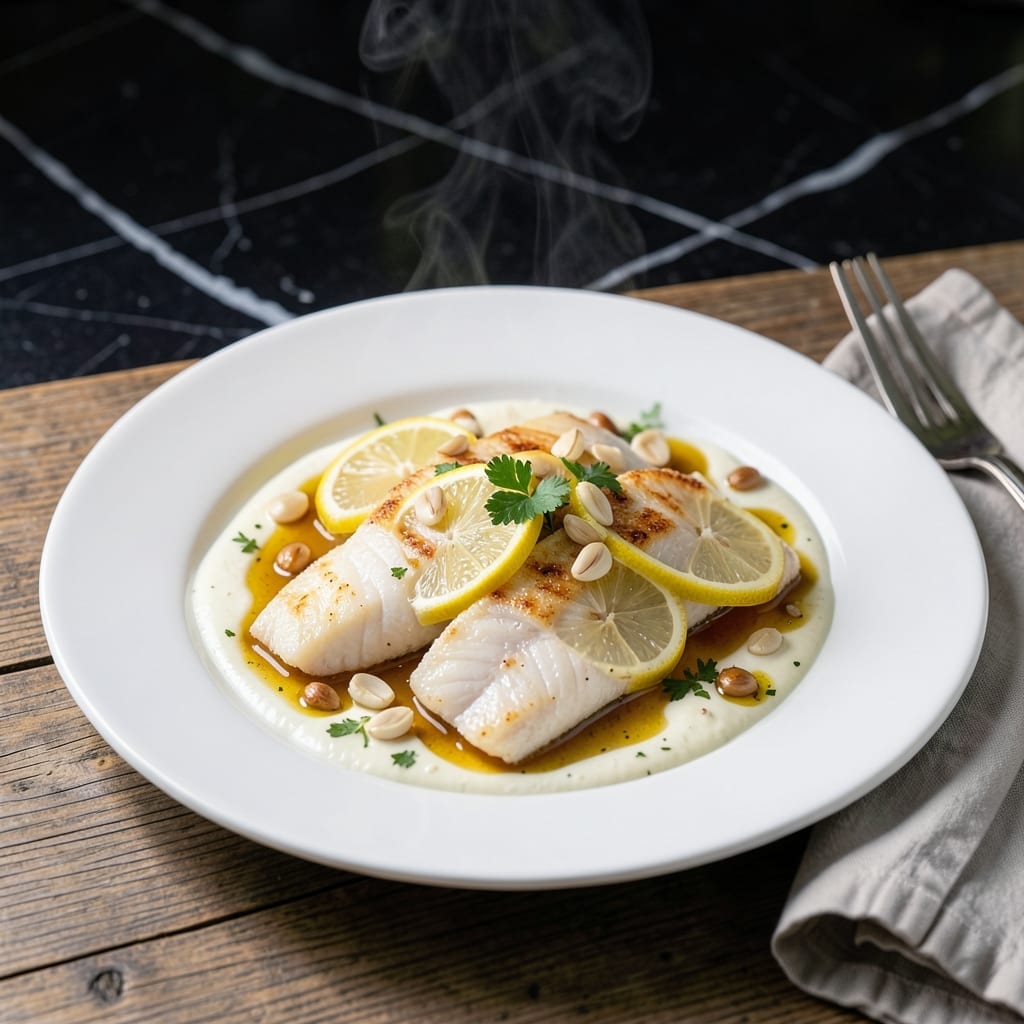
Achieving perfectly flaky fish in an Instant Pot is easier than you think. This method locks in moisture while delivering restaurant-quality results in minutes, not hours.
The secret lies in precise timing and a careful balance of liquid to steam. I’ve tested countless variations to ensure the fish emerges tender, never rubbery or dry.
What you’ll get is delicate, buttery fish that flakes effortlessly with a fork, infused with subtle aromatics. The pressure cooker enhances natural flavors without overpowering them.
Pair with fresh herbs and a squeeze of lemon for a dish that’s as impressive as it is simple.
Ingredients for Instant Pot Fish
Fresh fish, bright herbs, and a few aromatics deliver that restaurant-quality flake every time.
| Ingredient | Amount | Notes |
|---|---|---|
| White Fish Fillets 🐟 | 1 ½ lb | Cod, halibut, or tilapia work best |
| Chicken Broth 🥣 | 1 cup | Low-sodium preferred for control |
| Lemon Juice 🍋 | 2 tbsp | Freshly squeezed for brightness |
| Butter 🧈 | 4 tbsp | Unsalted, cut into small pieces |
| White Wine 🍷 | ½ cup | Dry variety like Sauvignon Blanc |
| Garlic Cloves 🧄 | 3 cloves | Minced for even distribution |
| Shallot 🧅 | 1 whole | Finely diced for subtle sweetness |
| Fresh Dill 🌿 | ¼ cup | Chopped, stems removed |
| Fresh Parsley 🌿 | 2 tbsp | Chopped, for garnish |
| Lemon Zest 🍋 | 1 tsp | From one medium lemon |
| Salt 🧂 | ¾ tsp | Diamond Crystal kosher preferred |
| Black Pepper 🌶️ | ½ tsp | Freshly ground for best flavor |
| Bay Leaf 🍃 | 1 whole | Dried, for aromatic depth |
| Olive Oil 🫒 | 1 tbsp | For sautéing aromatics |
The fish matters most here. Wild-caught cod or halibut from Whole Foods or your local seafood counter gives the best texture—avoid anything that smells fishy or has dull, gray flesh. I prefer thicker fillets (about 1-inch) since they hold up better to pressure cooking. If buying frozen, thaw completely in the fridge overnight—never cook from frozen in the Instant Pot.
No white wine? Substitute with more chicken broth plus a splash of lemon juice. Dill not your thing? Fresh tarragon or thyme work beautifully. The butter can be swapped for olive oil if you’re avoiding dairy, though you’ll lose some richness. For extra flavor, add a pinch of Old Bay seasoning or a dash of white wine vinegar to the cooking liquid.
Cook and serve immediately for best texture. Leftovers keep in the fridge for 1-2 days max—fish dries out fast. Not ideal for freezing, but if you must, wrap tightly in plastic and use within 1 month. Reheat gently in a skillet with a splash of broth.
Why You’ll Love This Recipe
- Set It and Forget: I toss in the fish, broth, and wine, then walk away—20 minutes later, dinner’s ready without me lifting a finger.
- Buttery Lemon Bliss: The butter and lemon juice create this rich, tangy sauce that soaks into the fish and makes every bite melt in your mouth.
- Weeknight Hero: Honestly, it’s my go-to for busy evenings when I need something fancy enough for company but simple enough for a Tuesday.
- Budget-Friendly Feast: White fish fillets stretch far, and with just a splash of wine and broth, I serve up a meal that feels indulgent without the price tag.
Step-by-Step Instructions for Pressure-Cooked Fish
Here’s the method I rely on for tender, flaky fish that never dries out under pressure.
Step 1: Sauté Aromatics to Build Flavor Base
Set your Instant Pot to Sauté mode and add the 1 tbsp olive oil. Once shimmering, add the finely diced shallot and cook for 2-3 minutes until it turns translucent and begins to soften at the edges. The aroma should shift from sharp to sweet.
Add the 3 cloves minced garlic cloves and cook for 30 seconds, stirring constantly to prevent burning. You’ll know it’s ready when the garlic releases its fragrance but hasn’t browned. Stir in the 0.5 cup white wine and 1 cup chicken broth, then add the 1 whole bay leaf. Let this mixture simmer for 2 minutes to meld the flavors.
Step 2: Prepare Fish Fillets and Seasonings
While the aromatics cook, pat the 1.5 lb white fish fillets completely dry with paper towels. This step prevents the fish from steaming in its own moisture, which would make it rubbery instead of flaky. Season both sides evenly with the 0.75 tsp salt and 0.5 tsp black pepper.
In a small bowl, combine the 2 tbsp lemon juice and 1 tsp lemon zest. This bright, citrusy mixture will add a fresh pop of flavor to the finished dish. Chop the 0.25 cup fresh dill and set it aside for later. Cut the 4 tbsp butter into small pieces so it melts evenly into the sauce.
Step 3: Pressure Cook to Perfection
Place the trivet in the Instant Pot and arrange the seasoned white fish fillets on top in a single layer. If your fillets are thick, you may need to cut them into slightly smaller portions to fit. Drizzle the lemon juice mixture over the fillets, then scatter the chopped fresh dill on top.
Secure the lid, set the valve to Sealing, and cook on High Pressure for 3 minutes. Yes, just 3 minutes—this is all the time needed for the fish to become opaque and flaky. Once the cooking cycle completes, perform a quick release by carefully turning the valve to Venting. The fish is done when it reaches an internal temperature of 145°F and flakes easily with a fork.
Step 4: Finish with Butter and Garnish
Carefully remove the fish fillets from the Instant Pot and transfer them to a serving platter. Switch the Instant Pot back to Sauté mode and stir in the 4 tbsp butter, one piece at a time, until fully melted and incorporated into the sauce. This creates a rich, velvety finish.
Spoon the sauce over the white fish fillets, ensuring each portion is well coated. Garnish with the 2 tbsp fresh parsley for a pop of color and freshness. Serve immediately while hot—the fish will continue to absorb flavors as it rests for 2-3 minutes on the platter. The result should be tender, moist, and perfectly flaky with every bite.
Pro Tips For Making Instant Pot Fish
- Use Quick Release: I learned this the hard way—fish overcooks fast, so hit that quick-release button the second the timer goes off to stop the cooking process immediately.
- Pat Fish Dry: Skip the soggy fillets by patting the white fish dry with paper towels before adding it to the Instant Pot—it helps the broth and butter actually sear rather than steam.
- Avoid Thin Fillets: Steer clear of ultra-thin fish pieces; they turn to mush under pressure. Stick to fillets at least 1 inch thick for texture that holds up.
- Deglaze First: After sautéing, pour in the white wine to scrape up those browned bits—it adds depth to the broth and prevents the Instant Pot from giving you that dreaded “burn” error.
Wine and Beer Pairings for This instant pot fish
Crisp White Wines
A Sauvignon Blanc from New Zealand mirrors the bright acidity of the lemon in this dish. I love Kim Crawford or Oyster Bay for their citrus-forward profiles that cleanse the palate between bites. 🍷
Rich White Wines
For buttery richness, try a Chardonnay with subtle oak, like Kendall-Jackson Vintner’s Reserve. The creamy texture pairs beautifully with the dish’s velvety sauce, while the wine’s acidity balances the fish’s natural oils.
Light Beers
A crisp pilsner such as Stella Artois or Pilsner Urquell offers refreshing carbonation that cuts through the butter. The light malt profile won’t compete with the delicate fish flavors.
Wheat Beers
I often reach for a Belgian witbier like Hoegaarden. Its citrus and coriander notes complement the lemon and dill, while the creamy texture enhances the overall mouthfeel. 🍺
Sparkling Options
For a celebratory touch, Prosecco works wonderfully. The bubbles cleanse your palate, and the apple and pear notes harmonize with the fish’s mild sweetness. I prefer La Marca for its consistent quality.
Non-Alcoholic Pair
For a non-alcoholic option, try sparkling lemon water with a sprig of fresh dill. The effervescence mimics the palate-cleansing effect of wine, while the flavors mirror the dish’s key ingredients. ✨
Nutrition Facts
Frequently Asked Questions
Can I use frozen fish in this method?
No, always thaw fish completely in the fridge overnight first. Cooking from frozen can lead to uneven texture and overcooking.
What if my fish fillets are very thin?
Reduce pressure cooking time to 2 minutes for thinner cuts. Check for doneness at 145°F internal temperature.
Why does the sauce sometimes separate?
This happens if the butter is added too quickly. Stir in 1 piece at a time on low heat for a smooth emulsion.
Can I double the recipe?
Yes, but cook in batches. Overcrowding the pot steams the fish instead of pressure-cooking it properly.

- 4C Bread Crumbs Meatballs Recipe: Crispy Crust and Juicy Centers - September 25, 2026
- 6 Oz Chocolate Chip Cookie Recipe: Perfectly Balanced Crispy Edges and Chewy Hearts - September 25, 2026
- 6-Inch Coffee Cake Recipe: Vanilla Bean Swirls and Buttery Streusel Topping - September 25, 2026