
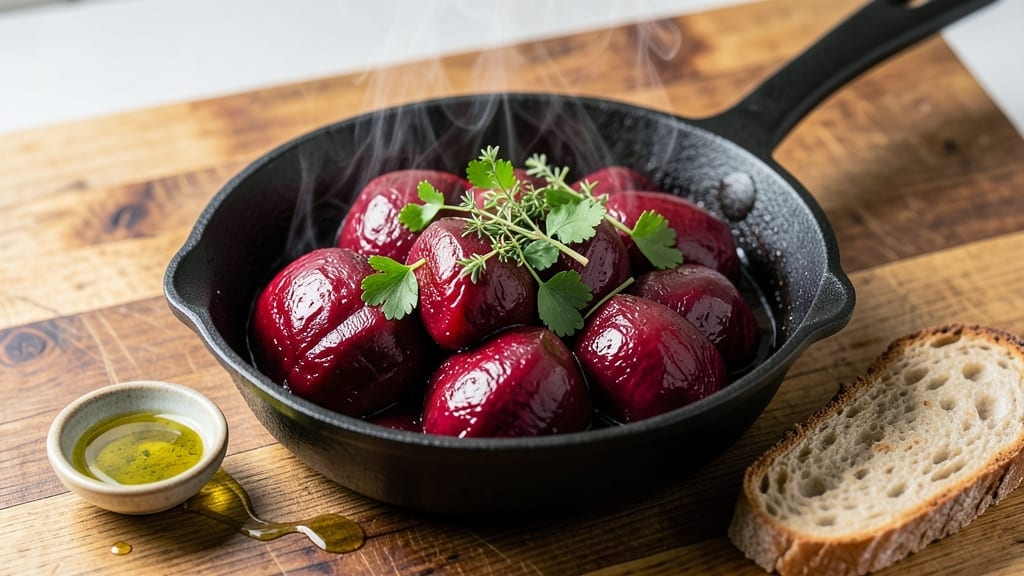
Transforming fresh beets into tangy, vinegar-bright pickled beets in just 30 minutes is one of my favorite ways to elevate a meal—this Instant Pot recipe delivers restaurant-quality results without the wait.
The secret lies in balancing vinegar, sugar, and spices to create that signature crunch and tang that pairs perfectly with everything from charcuterie boards to grilled meats. I developed this method after struggling with traditional pickling times, and it never fails to impress.
This recipe maintains the traditional pickling process while leveraging the Instant Pot’s efficiency—no long simmer times or constant monitoring required. The high-pressure cooking ensures beets stay vibrant and crisp-tender, not mushy, while the vinegar mixture infuses flavor quickly.
You’ll need just 5 simple ingredients and 15 minutes of prep, making it ideal for meal prep or last-minute sides.
By the end, you’ll have glossy, deep-red beets with a satisfying crunch, their sharp vinegar brightness cutting through rich dishes. The flavor develops even more after a day of chilling, making them perfect for snacking, salads, or sandwiches.
This is the kind of side that transforms ordinary meals into something special—let’s get started.
Store them in the fridge for up to 2 weeks, and they’ll only get better with time. The versatility is what makes this recipe a game-changer—use them in grain bowls, antipasto platters, or even as a tangy topping for roasted chicken. Ready to make pickling effortless?
Ingredients for instant pot pickled beets
Five ingredients transform humble beets into restaurant-quality pickles in 30 minutes.
| Ingredient | Amount | Notes |
|---|---|---|
| Fresh Beets (Medium) 🍠 | 1 ½ lb | Red variety, peeled and cut into 1-inch chunks |
| White Vinegar 💧 | 1 cup | Distilled white vinegar preferred |
| Granulated Sugar 🍚 | ½ cup | Light brown sugar for deeper flavor |
| Diamond Crystal Kosher Salt 🧂 | 1 ½ tbsp | Fine grain preferred for even dissolving |
| Whole Black Peppercorns 🌶️ | 1 tbsp | Crushed for added depth |
| Fresh Bay Leaves 🌿 | 2 whole | For aromatic complexity |
| Water 💧 | 1 cup | Filtered preferred for clarity |
| Extra-Virgin Olive Oil 🫒 | 1 tbsp | For glossy finish after pickling |
The quality of your vinegar and sugar makes all the difference. Distilled white vinegar delivers consistent acidity, while light brown sugar adds subtle caramel notes that store-bought pickles lack. For the beets, organic red varieties from Whole Foods or local markets yield the deepest color. The Diamond Crystal kosher salt dissolves completely—avoid iodized table salt, which can cloud the liquid. Fresh bay leaves should be vibrant green; dried leaves work but lose aromatic intensity. If you’re short on time, pre-peeled beets from Trader Joe’s cut prep by half.
No white vinegar? Apple cider vinegar works equally well, though it imparts a slightly fruity note. Running out of brown sugar? White sugar plus 1/4 tsp cinnamon mimics the depth. The peppercorns can be omitted if you prefer milder flavor, but crushing them lightly releases oils that elevate the pickles. For a smoky twist, add 1/2 tsp smoked paprika to the sugar. The olive oil is optional but recommended—it coats the beets post-pickling, preventing drying. If you’re pickling for a crowd, double the recipe; the Instant Pot handles it effortlessly.
Store the pickled beets in an airtight container in the refrigerator for up to 2 weeks, though they peak after 3-5 days of chilling. The liquid will develop a deeper tang as it sits. For longer storage, transfer to sterilized glass jars and refrigerate for up to 3 months. The beets maintain their crisp texture when submerged in the vinegar brine—never drain them before serving. This method yields enough for 4 generous servings, perfect for charcuterie boards or pairing with roasted meats like grilled chicken.
Why You’ll Love This Recipe
- No Chopping Struggle: I swear by this recipe because you just peel and slice—no spiralizer, no mandoline drama. The Instant Pot handles all the pressure-cooking magic while I sip tea and pretend I’m not actually cooking.
- Sweet-Tart Magic: That balance of sugar and vinegar? It’s like a flavor hug. The beets stay tender with a crisp edge, and the peppercorns add just enough bite to keep it interesting—not too sweet, not too sharp, just right.
- Meal Prep MVP: Make a big batch on Sunday, and you’ve got snacks for salads, sandwiches, or even charcuterie boards all week. Between us, I’ve sent these to potlucks, packed them in lunches, and even thrown them into grain bowls on lazy nights.
- Budget Brightener: Fresh beets are cheap, and this recipe stretches them into something special. A single jar lasts forever, and you’re not buying overpriced store-bought pickles—just real, tangy, homemade flavor that costs pennies to make.
Step-by-step instructions for vinegar-bright pickled beets
Here’s the method for perfectly balanced, restaurant-quality pickled beets in your Instant Pot.
Prepare the Beets and Aromatics
Begin by thoroughly washing the 1.5 lb fresh beets under cold water. Using a sharp chef’s knife, carefully peel away the skin, working from the stem end toward the tail. I find a vegetable peeler works best for this delicate task—it preserves the beet’s shape while removing all traces of skin. Cut each beet into 1-inch chunks, ensuring uniform size for even cooking. This size allows the vinegar to penetrate completely while maintaining some texture.
While the beets cook, crush the 1 tbsp whole black peppercorns using a mortar and pestle or rolling pin. The goal is to break them open slightly—not into powder—so their essential oils can infuse the brine. Tear the 2 whole fresh bay leaves into large pieces and set aside. This preparation ensures maximum flavor extraction during the cooking process.
Sauté the Beets for Depth of Flavor
Set your Instant Pot to the “Sauté” function and add 1 tbsp extra-virgin olive oil. Allow it to heat for 1 minute until shimmering. Add the prepared beet chunks and cook for 3-4 minutes, stirring occasionally, until they begin to soften slightly at the edges. This quick sauté develops a deeper caramelized flavor that the vinegar preserves beautifully.
Add the crushed peppercorns and torn bay leaves to the pot, stirring to combine. Cook for an additional 1 minute, allowing the aromatics to bloom. This step is crucial—it builds the flavor foundation before the liquid phase. The beets should release some moisture as they soften, which will later blend with the vinegar mixture.
Combine Brine Components
In a medium bowl, whisk together the 1 cup white vinegar, 0.5 cup granulated sugar, and 1.5 tbsp diamond crystal kosher salt until the sugar and salt dissolve completely. This creates the brine that will both preserve and flavor the beets. I prefer using light brown sugar here for its subtle molasses notes, but granulated works perfectly for a cleaner profile. The mixture should be fully homogeneous—no graininess should remain.
Add the 1 cup water to the vinegar mixture and stir again. The solution should be clear with no visible sugar crystals. Taste a small amount—it should be pleasantly acidic with a touch of sweetness, balanced by the salt. This is your flavor benchmark. Pour the prepared brine into the Instant Pot with the sautéed beets and aromatics.
Pressure Cook to Perfection
Secure the Instant Pot lid and set the valve to “Sealing.” Select the “High Pressure” setting and cook for 15 minutes. During this time, the beets will soften completely while absorbing the flavorful vinegar mixture. The high-pressure environment ensures even penetration of the liquid, resulting in beets that are tender yet retain their shape.
When the cooking cycle completes, allow a 10-minute natural release before quick-releasing any remaining pressure. This gradual release prevents the beets from becoming mushy. Once fully depressurized, carefully remove the lid. The beets should be fork-tender with a vibrant color—deep ruby red with no resistance when pierced. If any beets remain slightly firm, return them to the pot for an additional 2-3 minutes on the “Sauté” function.
Finish and Store for Maximum Freshness
Using a slotted spoon, transfer the beets to a clean glass jar or airtight container, reserving the pickling liquid. The beets should be submerged completely in the liquid—this prevents surface oxidation that dulls their color. If needed, add a small amount of the reserved liquid to ensure full coverage.
Let the beets cool to room temperature, then refrigerate for at least 4 hours before serving. This resting period allows the flavors to meld completely. The finished product should have a bright, tangy sweetness with notes of pepper and bay leaf. These pickled beets will keep in the refrigerator for up to 3 weeks, making them perfect for meal prep or holiday gifts.
Pro Tips For Making Instant Pot Pickled Beets
- PEEL BEETS AFTER COOKING: Raw beets are stubborn—peeling them before pressure cooking turns your kitchen into a crime scene. Cook them whole with skins on, then peel under running water once cooled. The skins slide off like magic, and you skip the mess.
- USE 1:1 VINEGAR TO BEET RATIO: I learned this the hard way—too much vinegar makes the beets mushy, too little leaves them bland. Stick to 1 cup vinegar per 1 pound of beets (about 3 medium). If you’re picky, add a splash more, but don’t drown them.
- PRESSURE COOK 20 MINUTES: Natural release is your friend here. Set the Instant Pot for 20 minutes high pressure, then let it depressurize naturally. Rushing it leaves beets tough; patience gives you tender, fork-friendly slices every time.
- CRUSH PEPPERCORNS GENTLY: Whole peppercorns stay whole—literally. Lightly crush them with a mortar and pestle (or the side of a knife) before adding to the jar. This releases flavor without turning your pickles into a peppercorn soup.
Regional styles of this dish
Scandinavian Vinegar Beets
In Sweden and Norway, pickled beets often feature apple cider vinegar instead of white vinegar, creating a subtly fruity profile that pairs beautifully with smoked fish or herring. I like using 1 cup apple cider vinegar and adding 1 tsp juniper berries to the brine for an earthy Nordic twist.
The beets stay vibrant and develop a delicate sweetness that’s perfect for festive tables. For extra authenticity, serve with sour cream and dill. 🌍
Southern U.S. Spiced Beets
Southern cooks often infuse their pickled beets with Cajun spices, turning them into a tangy side for BBQ or fried chicken. I boost the flavor by adding ½ tsp smoked paprika, ¼ tsp cayenne, and 2 garlic cloves to the brine.
The result is a bold, slightly spicy beet that stands up to rich, fatty dishes. For a true Southern touch, finish with a sprinkle of crumbled cornbread on top. 🌶️
German Bread-and-Beet Salad
German Rotkohl (red cabbage) traditions extend to beets, where they’re often served with mustard vinegar and caramelized onions in a hearty salad. I adapt this by using ½ cup red wine vinegar and adding 2 tbsp Dijon mustard to the brine.
Toss the pickled beets with shredded cabbage, apples, and walnuts for a crunchy, sweet-savory dish that’s perfect for holiday gatherings. 🍏
Mediterranean Olive Oil Beets
In Greece and Italy, pickled beets often incorporate extra-virgin olive oil into the brine for a richer, more complex flavor. I replace ½ cup of the vinegar with ½ cup olive oil and add 1 tsp dried oregano and 1 crushed garlic clove.
These beets have a velvety texture and pair wonderfully with grilled lamb or crusty bread. Store them in jars with the oil to keep them submerged. 🫒
Japanese Sweet-Tangy Tsukemono
Japanese tsukemono pickles often balance sweet and sour flavors, and beets adapt beautifully. I use ½ cup rice vinegar, ¼ cup mirin, and 1 tbsp soy sauce in the brine, along with 1 tsp grated ginger.
The beets develop a glossy sheen and a gentle heat from the ginger, making them a stunning addition to sushi platters or bento boxes. Garnish with sesame seeds for extra crunch. 🍱
Nutrition facts
Frequently asked questions
Can I use store-bought beets instead of fresh?
Yes, but with a few adjustments! Use 12 oz pre-cooked, peeled beets (like those from Trader Joe’s) and reduce the cooking time to 8 minutes on high pressure. They’ll absorb the vinegar faster, so check for tenderness after 5 minutes of natural release. The texture will be slightly softer but still delicious.
How do I know when the pickled beets are done?
Your beets are perfectly done when they’re fork-tender with no resistance and maintain their shape. After the 10-minute natural release, pierce a piece—it should collapse easily. If any remain firm, return them to the pot for 2-3 minutes on “Sauté.” The liquid should also be vibrant red, not cloudy.
Can I make these pickled beets spicier?
For extra heat, add ½ tsp cayenne pepper or 1 tsp hot sauce to the brine. For depth without heat, try ½ tsp smoked paprika or 1 crushed red pepper flake. If you prefer whole spices, add 1 star anise pod or 2 cloves during pressure cooking. The Instant Pot’s sealed environment intensifies the flavors beautifully.
Why did my pickled beets turn mushy?
This usually happens from either overcooking or quick-releasing pressure too soon. Always use the 10-minute natural release first, then quick-release. If they’re still mushy, reduce cooking time to 12 minutes next time. Also ensure your beets are cut into even 1-inch chunks—uneven pieces cook at different rates.
How can I use these pickled beets in meals?
These versatile pickles shine in so many ways! Try them in grain bowls with quinoa, charcuterie boards with cheese, or sandwiches for tangy crunch. For heartier meals, toss with roasted potatoes or grilled meats. The vinegar brightness cuts through rich flavors perfectly. For a quick snack, serve with hummus and pita chips.

- Baked Potatoes in Crock Pot Recipe: Buttery Interiors and Crispy Top Magic - November 1, 2026
- Braised Beef Short Ribs Recipe: Crock Pot Fall-Off-Bone Magic in 6 Hours - November 1, 2026
- Crock Pot Cocoa Recipe: Velvety Warmth With Hidden Spice Magic - November 1, 2026