
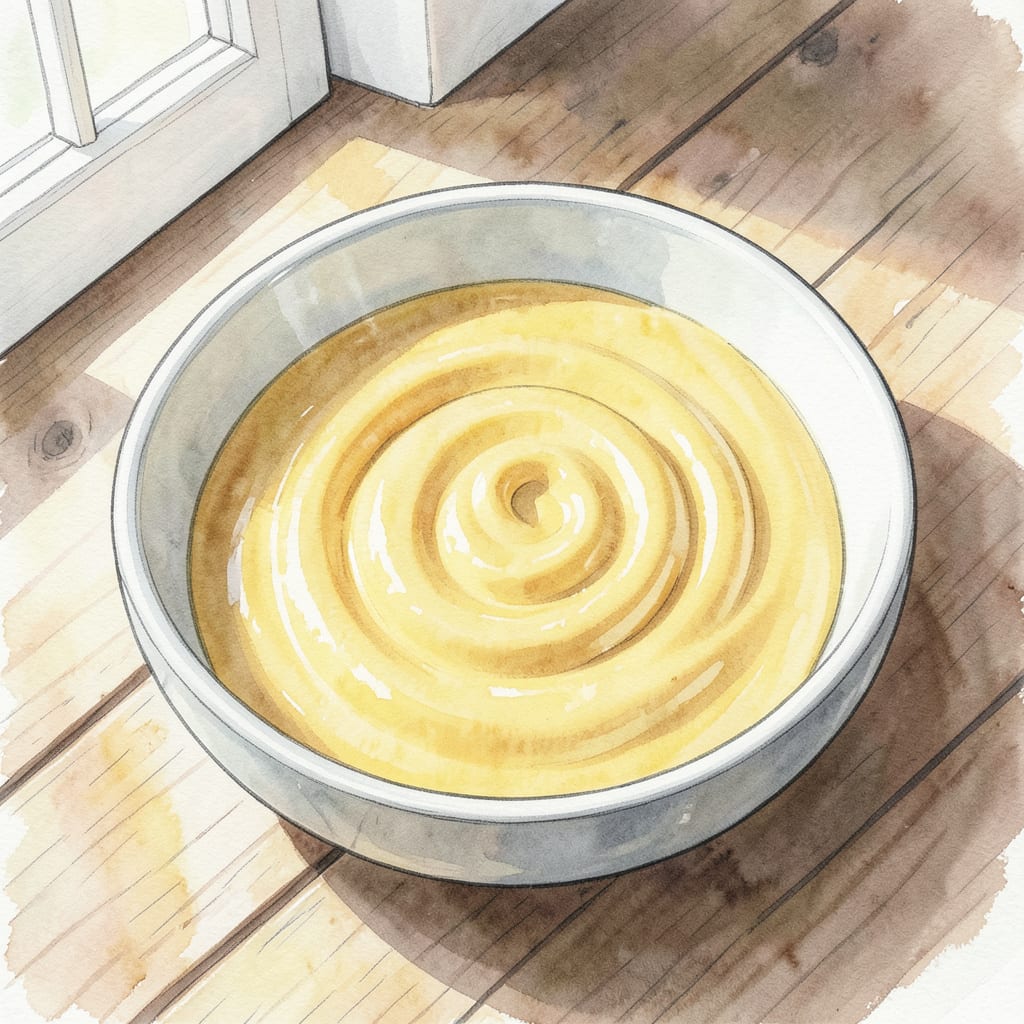
I’ve discovered that making rich and creamy hollandaise sauce is easier than you think, thanks to Knorr’s convenient mix. This recipe transforms breakfast or brunch into a luxurious experience with minimal effort, delivering that signature creamy texture everyone loves.
By following this simple recipe, you’ll achieve a velvety sauce perfect for eggs Benedict, steamed asparagus, or grilled fish. The Knorr mix ensures consistent results while maintaining that authentic hollandaise flavor, making it ideal for both special occasions and everyday meals.
Ingredients for Knorr Hollandaise Sauce
Simple ingredients come together to create this rich and creamy hollandaise sauce.
| Ingredient | Amount | Notes |
|---|---|---|
| Knorr Hollandaise Sauce Mix 📦 | 1 package | Standard packet size |
| Unsalted Butter 🧈 | ½ cup | Melted, for richness |
| Water 💧 | ¼ cup | Cold, for mixing |
| Lemon Juice 🍋 | 2 tbsp | Freshly squeezed, for brightness |
The Knorr mix is the star here—available at most supermarkets in the spice aisle. I’ve found that using high-quality unsalted butter makes a noticeable difference in richness. For the best results, keep all ingredients cold until mixing.
No fresh lemons? Bottled lemon juice works in a pinch, but fresh is always preferred for that bright, citrusy note. If you’re looking for a lighter version, you can reduce the butter to 6 tablespoons—it will still be creamy but less rich. Some people swear by using European-style butter for extra richness.
This sauce is best made fresh, but you can keep it warm for up to 30 minutes by placing the bowl over a pot of simmering water. Stir occasionally to prevent separation. If it does separate, whisk in a teaspoon of hot water to bring it back together. Leftover sauce keeps in the fridge for 2-3 days—reheat gently while whisking.
Step-by-Step Instructions for Knorr Hollandaise Sauce
Creating this rich and creamy sauce is straightforward with these detailed steps.
Step 1: Prepare the Knorr Hollandaise Sauce Mix
Start by opening the 1 package Knorr Hollandaise Sauce Mix and pouring its contents into a medium-sized bowl. I like to use a bowl that’s large enough to whisk comfortably without worrying about splashing. The mix contains the essential seasoning and thickening agents that give hollandaise its characteristic flavor and texture.
Next, I’ll add the 0.25 cup Water to the bowl with the sauce mix. It’s crucial to use cold water as specified, as this helps prevent the sauce from breaking when we add the melted butter later. Whisk the mixture until it’s smooth and free of lumps, ensuring that the sauce mix is fully dissolved.
Step 2: Melt the Unsalted Butter and Combine
Melt the 0.5 cup Unsalted Butter in a small saucepan over low heat, stirring occasionally. I prefer to melt it slowly to avoid burning or separating the butter. Once melted, remove it from the heat and let it cool slightly. This step is critical because adding hot butter directly to the sauce mix can cause it to scramble or break.
Slowly pour the melted butter into the sauce mix while whisking continuously. I find that using a whisk with a comfortable grip makes this process easier and more controlled. Continue whisking until the mixture is smooth and emulsified, which should take about 2-3 minutes. You’ll notice the sauce thickening as you incorporate the butter.
Step 3: Add Lemon Juice and Finish the Sauce
Add the 2 tbsp Lemon Juice to the sauce and whisk until fully incorporated. The lemon juice adds a bright, tangy flavor that balances the richness of the butter. Taste the sauce at this point and adjust the seasoning if necessary. If it needs more lemon or salt, now is the time to add it.
Transfer the finished hollandaise sauce to a serving vessel or a thermos to keep it warm. I like to use a thermos when serving with eggs Benedict or asparagus, as it keeps the sauce at the perfect temperature for up to 30 minutes. Serve immediately over your chosen dish, whether it’s steamed asparagus, poached eggs, or grilled fish.
Dietary Considerations for knorr hollandaise sauce
Dietary Modifications
For those watching their diet, this Knorr hollandaise sauce recipe can be adapted. To make it lower-calorie, try reducing the butter to 6 tablespoons—it will still be creamy but less rich. You can also experiment with light or reduced-fat butter alternatives.
Gluten-Free Considerations
The good news is that Knorr Hollandaise Sauce Mix is typically gluten-free, making this recipe suitable for most gluten-restricted diets. However, always check the packaging to confirm as formulations can change. If you’re serving this with gluten-free bread or vegetables, you’ll have a completely gluten-free meal.
Dairy-Free Alternatives
While traditional hollandaise is dairy-based, you can make some adjustments. Try substituting the butter with vegan butter or dairy-free margarine. Keep in mind that these alternatives may change the flavor profile slightly, so some experimentation may be needed to get your desired taste.
Nutritional Information
A serving of this hollandaise sauce (about 2 tablespoons) contains approximately 170 calories, with 18g of fat. It’s rich in vitamins A and D from the butter. If you’re watching your fat intake, remember that you can adjust the amount of butter used in the recipe to suit your needs. 💡
Storage and Reheating
If you have leftover sauce, it can be refrigerated for 2-3 days. To reheat, gently warm it over low heat, whisking constantly to prevent separation. You can also keep it warm for up to 30 minutes by placing the bowl over a pot of simmering water. Stir occasionally to maintain the smooth texture.
Customizing the Flavor
Nutrition Facts
120kcal

- 8 Bean Soup Recipe Crock Pot: Hearty Vegetable Medley in One Pot - September 25, 2026
- 4C Bread Crumbs Meatballs Recipe: Crispy Crust and Juicy Centers - September 25, 2026
- 6 Oz Chocolate Chip Cookie Recipe: Perfectly Balanced Crispy Edges and Chewy Hearts - September 25, 2026