
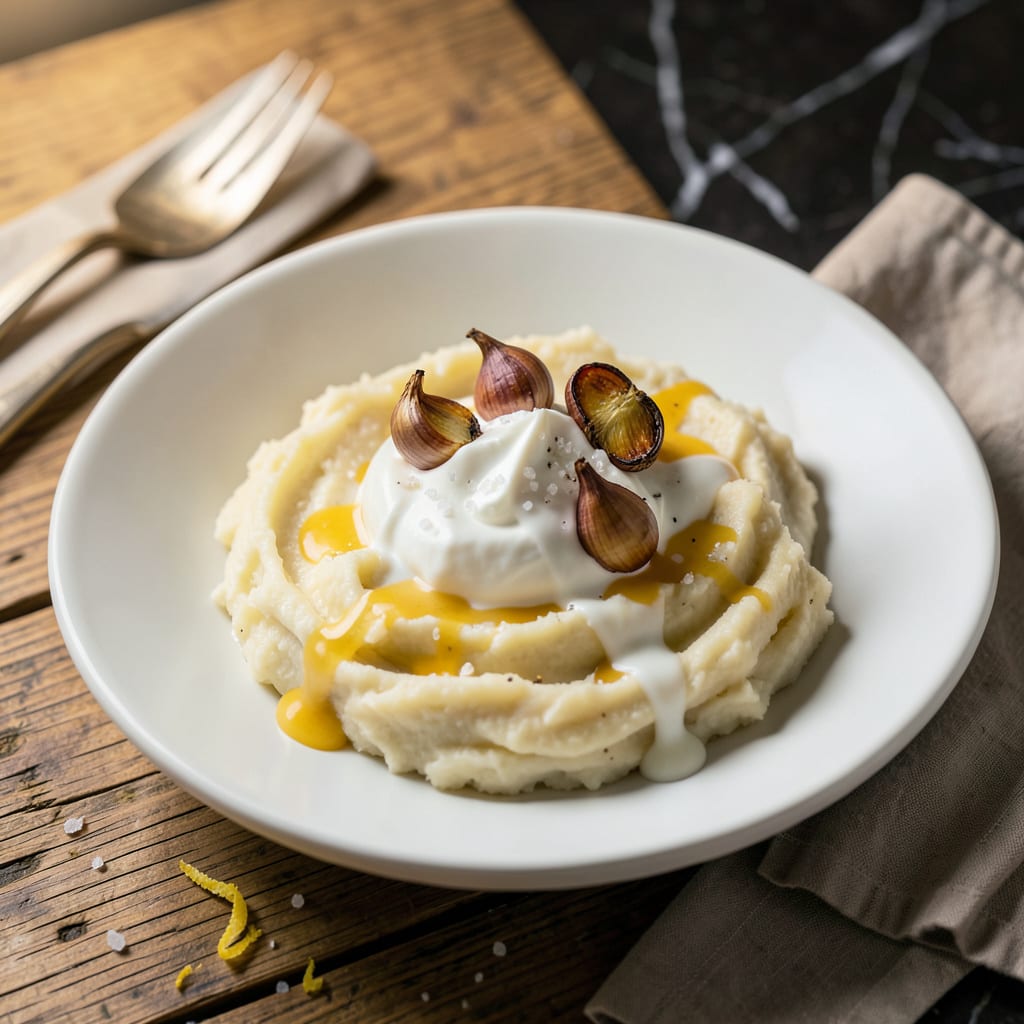
Recreating Longhorn’s signature mashed potatoes at home delivers that same creamy, restaurant-quality comfort you crave. This recipe captures the perfect balance of richness and smooth texture that makes their version so memorable. The secret lies in the right potato variety and a precise ratio of dairy to achieve that velvety consistency.
What sets this apart from ordinary mashed potatoes is the steakhouse-inspired approach—real butter, heavy cream, and just enough seasoning to enhance rather than overpower. You’ll achieve that familiar comfort food experience with every bite, making it the ideal side for grilled meats or holiday meals. The method ensures foolproof results, whether you’re serving two or a crowd.
Ingredients for Longhorn Mashed Potatoes
These simple ingredients transform into that creamy, steakhouse-style comfort you love—no shortcuts, just real dairy goodness.
| Ingredient | Amount | Notes |
|---|---|---|
| Russet Potatoes 🥔 | 2 ½ lb | Peeled and cut into 1-inch cubes |
| Heavy Whipping Cream 🥛 | 1 cup | Cold, for best texture |
| Unsalted Butter 🧈 | ½ cup | Cut into small cubes |
| Whole Milk 🥛 | ½ cup | Warm to room temperature |
| Garlic Cloves 🧄 | 3 cloves | Minced, for depth of flavor |
| Kosher Salt 🧂 | 1 ½ tsp | Diamond Crystal preferred |
| Freshly Ground Black Pepper 🌶️ | ½ tsp | Coarse grind for texture |
| Sour Cream 🥛 | ¼ cup | Full-fat for creaminess |
| Chicken Stock 🍲 | ¼ cup | Low-sodium preferred |
| Fresh Chives 🌿 | 2 tbsp | Finely chopped, for garnish |
| Grated Parmesan Cheese 🧀 | ¼ cup | Freshly grated preferred |
The potatoes are everything here. Russets give that fluffy, light texture—don’t swap for waxy varieties like red or Yukon Gold. I grab mine from Costco when I’m doing a big batch, but any grocery store works. The butter matters too: unsalted lets you control the salt level (I use Kerrygold if I’m splurging). For the cream, heavy whipping is non-negotiable—half-and-half just won’t cut it for that restaurant richness. Look for organic if you can; the fat content makes all the difference.
No heavy cream? Whole milk plus melted butter (2 tbsp per 1 cup milk) gets you close. Out of sour cream? Full-fat Greek yogurt works in a pinch—just strain it first to remove excess liquid. The chicken stock might seem odd, but it adds that steakhouse depth (use Better Than Bouillon if you’ve got it). Fresh chives are ideal, but green onions work too—just use the green parts. And if you’re skipping the Parm, add an extra pinch of salt to compensate.
Mashed potatoes hate the fridge—they get gluey. Best made fresh, but if you must store them, press plastic wrap directly on the surface to prevent a skin. Reheat gently with extra cream or butter. Leftovers? Turn them into potato pancakes or shepherd’s pie topping within 3 days. For make-ahead, prep everything except the butter/cream—add those last-minute for that just-made texture.
Why You’ll Love This Recipe
- One-Pot Magic: I love that this comes together in a single saucepan—peel, boil, mash, and mix all in one place. No colander, no extra bowls, just easy cleanup while the potatoes stay warm.
- Garlic-Butter Luxury: The combo of roasted garlic cloves and heavy whipping cream makes these taste like a steakhouse side, but homemade. That first bite—creamy, rich, with just enough garlic bite—is worth every calorie.
- Holiday or Tuesday: Between us, I’ve served these at Thanksgiving and on random weeknights when I need comfort food fast. They pair just as well with grilled chicken as they do with prime rib.
- Leftovers? Yes, Please: Here’s what sold me—these reheat beautifully with a splash of milk, and the flavor deepens overnight. I’ll make a double batch just to have them ready for lazy lunches.
Step-by-Step Instructions for Steakhouse-Style Mashed Potatoes
Here’s how to nail that ultra-creamy, restaurant-quality texture right in your own kitchen.
Step 1: Prepare and Cook the Potatoes
Place the peeled and cubed russet potatoes in a large pot and cover with cold water by about 1 inch. Add 1 tablespoon of the kosher salt to the water—this seasons the potatoes from the inside out. Bring to a boil over high heat, then reduce to medium and simmer for 15-18 minutes.
You’ll know they’re done when a fork slides in easily and the potatoes break apart with gentle pressure. Don’t overcook them or they’ll become waterlogged. Drain immediately in a colander and let them sit for 2 minutes to allow excess steam to escape—this prevents watery mashed potatoes.
Step 2: Infuse the Dairy Mixture
While the potatoes cook, combine the heavy whipping cream, whole milk, and minced garlic cloves in a small saucepan. Warm over medium-low heat for 5-6 minutes until small bubbles form around the edges and the mixture reaches about 160°F—this gently infuses the garlic flavor without boiling.
Remove from heat and let it steep for 5 minutes. The cream should smell fragrant with garlic but not taste bitter. Strain out the garlic pieces if you prefer a smoother texture, or leave them in for little bursts of flavor throughout the dish.
Step 3: Mash and Incorporate the Fats
Return the drained potatoes to the pot and mash them roughly with a potato masher. Add the cubed unsalted butter and begin mashing it into the potatoes while they’re still hot—the residual heat will melt the butter evenly. Work quickly but gently to avoid overworking the potatoes, which can make them gluey.
Gradually pour in the warm garlic-infused cream mixture while continuing to mash. The potatoes should become creamy but still have some texture. Stir in the sour cream, chicken stock, remaining ½ teaspoon kosher salt, and freshly ground black pepper. The mixture should be rich and velvety, with just enough liquid to make it smooth but not runny.
Step 4: Finish with Parmesan and Adjust Seasoning
Fold in the grated parmesan cheese using a silicone spatula. The cheese should melt into the potatoes, adding a subtle nutty depth. Taste and adjust the seasoning if needed—remember that the parmesan adds saltiness, so go easy on additional salt.
The finished texture should be ultra-creamy with a slight sheen from the butter, and the flavor should be rich but balanced. For that perfect steakhouse presentation, the potatoes should hold their shape when scooped but still be luxuriously smooth on the tongue.
Step 5: Serve with Fresh Chives
Transfer the mashed potatoes to a warmed serving bowl. The warmth of the bowl helps maintain the creamy texture. Sprinkle the finely chopped fresh chives evenly over the top—their mild onion flavor and bright green color provide the perfect contrast to the rich potatoes.
Serve immediately while still steaming hot. These potatoes pair perfectly with grilled steaks, roasted chicken, or even as a comforting side on their own. The texture should remain creamy and luscious, with no gumminess or separation, delivering that signature steakhouse experience in every bite.
Storing and Reheating This longhorn mashed potatoes
Short-Term Refrigeration
If you have leftovers, transfer them to an airtight container while still warm—this prevents a skin from forming. Press plastic wrap directly onto the surface before sealing the lid. They’ll keep in the fridge for up to 3 days, though the texture is best within 24 hours. I always label mine with the date using masking tape. ❄️
Freezing for Later
For longer storage, portion the mashed potatoes into freezer-safe bags, squeezing out all the air before sealing. They freeze well for up to 2 months, but the texture changes slightly upon thawing. To combat this, I add an extra 2 tablespoons of butter when reheating. Thaw overnight in the fridge before warming.
Stovetop Reheating
My preferred method: Transfer potatoes to a saucepan and add ¼ cup whole milk or chicken stock. Heat over low-medium for 5-7 minutes, stirring frequently with a silicone spatula. Add more liquid as needed to restore creaminess. The key is gentle heat—never let them boil, or they’ll turn gluey.
Microwave Revival
Place portions in a microwave-safe bowl with 1 tablespoon butter and a splash of cream. Cover with a damp paper towel and heat at 50% power in 1-minute intervals, stirring between each. This takes about 2-3 minutes total. The damp towel creates steam to keep them moist.
Oven Refresh
For larger batches, spread potatoes in a baking dish and dot with extra butter. Cover with foil and warm at 300°F for 15-20 minutes. Uncover and broil for 2 minutes if you want a golden top. This method works best when you’re reheating while cooking other dishes. 🔥
Repurposing Leftovers
Turn day-old mashed potatoes into crispy potato pancakes by mixing with 1 egg and 2 tablespoons flour per cup of potatoes. Pan-fry in butter until golden on both sides. Or use as a topping for shepherd’s pie—just mix with a little extra stock before baking to refresh the texture.
Nutrition Facts
Frequently Asked Questions
Can I use a different potato variety?
Stick with russets for that authentic steakhouse texture. They’re high in starch and low in moisture, which creates the fluffy, light consistency Longhorn is known for. Yukon Golds work in a pinch but will be slightly denser.
Why warm the dairy before mixing?
Cold dairy shocks the hot potatoes, creating a gluey texture instead of creamy. Warming the cream and milk to 160°F ensures smooth incorporation. Think of it like tempering eggs—gentle heat prevents separation.
How do I fix runny mashed potatoes?
Return them to the pot and cook over low heat for 3-5 minutes, stirring constantly. This evaporates excess liquid. If needed, fold in 1-2 tablespoons of instant potato flakes for quick thickening without altering flavor.
Can I make these ahead for a party?
Prepare through Step 3, then transfer to a buttered baking dish. Refrigerate up to 24 hours. Before serving, warm at 350°F for 20 minutes, stirring in extra cream if needed.

- 8 Bean Soup Recipe Crock Pot: Hearty Vegetable Medley in One Pot - September 25, 2026
- 4C Bread Crumbs Meatballs Recipe: Crispy Crust and Juicy Centers - September 25, 2026
- 6 Oz Chocolate Chip Cookie Recipe: Perfectly Balanced Crispy Edges and Chewy Hearts - September 25, 2026