
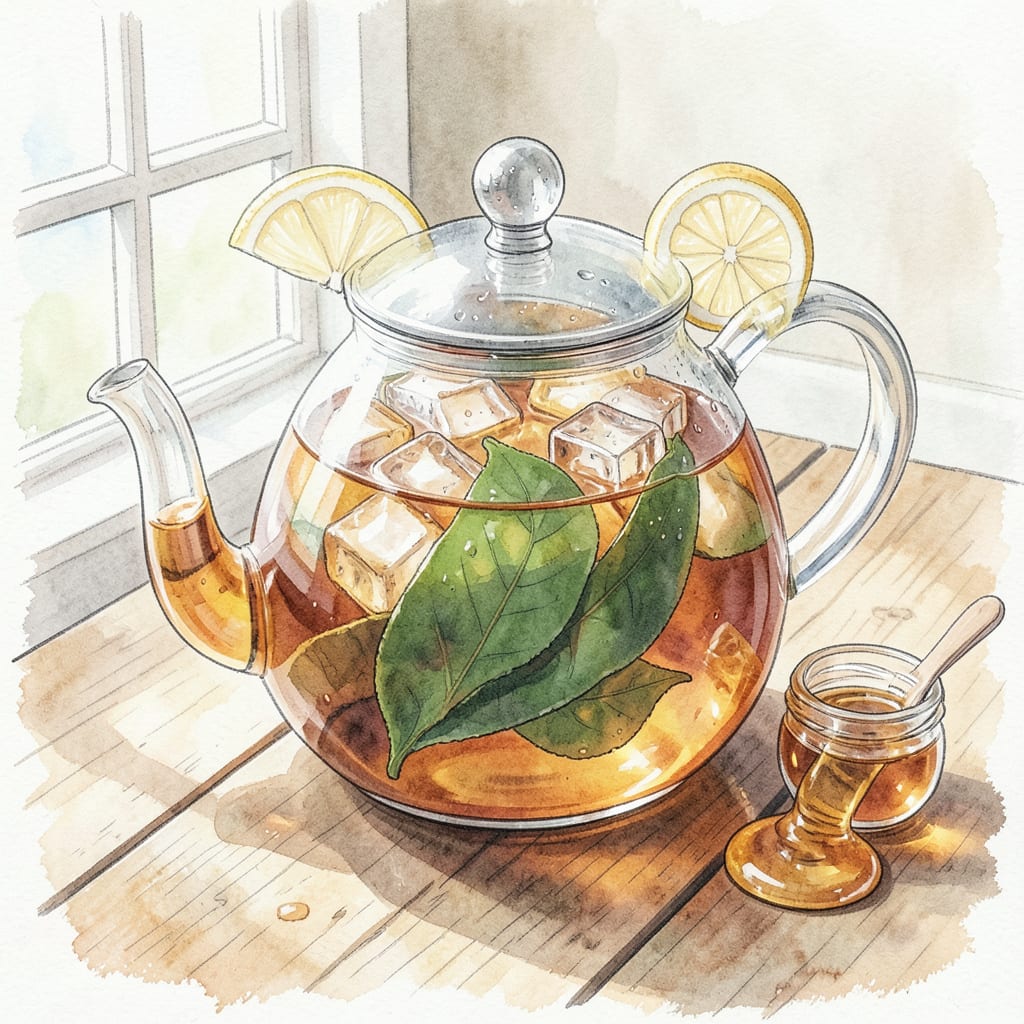
Mango leaf tea offers numerous health benefits, from soothing digestion to reducing inflammation. I’ve found that using fresh, organic mango leaves creates the most potent brew, with a delicate flavor that’s both refreshing and calming. ✨
To make this tea, you’ll need to prepare the mango leaves by cleaning and drying them thoroughly. The resulting tea is a gentle, caffeine-free beverage perfect for any time of day, promoting overall wellness with every soothing cup.
Ingredients for Mango Leaf Tea
Simple ingredients make this soothing tea. Fresh mango leaves are the star.
| Ingredient | Amount | Notes |
|---|---|---|
| Mango Leaves 🌿 | 1 cup | Fresh, organic preferred |
| Water 💧 | 4 cups | Filtered for best taste |
| Honey 🍯 | 1 tbsp | Optional, for sweetness |
| Lemon Slices 🍋 | 2 slices | Optional, for flavor |
| Ice Cubes ❄️ | 4 cubes | For serving cold tea |
For the best flavor, use fresh, organic mango leaves. You can find them at some Asian markets or grow your own mango tree. If you’re using fresh leaves, make sure to clean and dry them thoroughly before using. I’ve found that this extra step makes a big difference in the tea’s potency and flavor.
No fresh mango leaves? You can substitute with dried mango leaves at half the amount. Keep in mind that dried leaves may have a slightly different flavor profile. If you prefer your tea sweet, honey or maple syrup are great options. For an extra twist, try adding a squeeze of fresh lemon juice.
Store any leftover tea in the fridge for up to 3 days. You can also freeze it for up to 3 months. When you’re ready to serve, simply thaw or pour over ice for a refreshing drink. I like to make a big batch on the weekend and enjoy it throughout the week.
Step-by-Step Instructions for Mango Leaf Tea
Here’s the simple method to brew this soothing tea to perfection every time.
👨🍳 Step 1: Prepare the Mango Leaves
Start by rinsing the 1 cup of Mango Leaves under cold running water to remove any dirt or impurities. I like to gently shake them to remove excess water. If your mango leaves are particularly fresh, you might notice a subtle aroma when you rinse them—that’s a good sign they’re ready for brewing.
After rinsing, pat the leaves dry with a clean kitchen towel. This step helps prevent any bitter flavors from developing during the brewing process. You’ll notice the leaves are slightly soft to the touch after patting dry, which is perfect for infusion.
🍳 Step 2: Steep the Mango Leaves
In a medium saucepan, combine the 4 cups of Water and the prepared Mango Leaves. Bring the mixture to a gentle boil over medium heat, watching for the first bubbles rising to the surface. Once boiling, reduce the heat to low and let it simmer for 10-15 minutes. You’ll notice the water gradually taking on a light greenish hue as the leaves release their properties.
As it simmers, the aroma of mango leaves will fill your kitchen, creating a calming atmosphere. Keep an eye on the pot to ensure it doesn’t boil over. The tea should be fragrant but not bitter—if it starts to smell too strong, reduce the heat further.
🥘 Step 3: Strain and Flavor the Tea
After the steeping process, remove the saucepan from heat and carefully strain the tea into a large pitcher or teapot using a fine-mesh sieve or cheesecloth. Discard the solids—you’ve extracted all the goodness you need. If you’re using the optional 1 tbsp of Honey for sweetness, stir it in while the tea is still warm, as it dissolves more easily.
For an extra burst of flavor, you can add the 2 slices of Lemon Slices to the tea and let them infuse for a few minutes. The citrus will complement the earthy notes of the mango leaves beautifully. Remove the lemon slices once you’re satisfied with the flavor.
⏰ Step 4: Chill and Serve
Allow the tea to cool to room temperature before refrigerating it. Once chilled, fill four glasses with 4 cubes of Ice Cubes each. Pour the Mango Leaf Tea over the ice and serve immediately. The tea should be refreshingly cold and perfectly balanced, with the subtle sweetness of honey and the tang of lemon if you’ve added those optional ingredients.
As you take your first sip, notice how the flavors meld together—the slight bitterness of the mango leaves, the sweetness of the honey, and the citrusy hint from the lemon. This tea is best enjoyed fresh, so try to consume it within a day for the best flavor and nutritional benefits.
Best Sauces and Condiments for This Dish
Complementary Sauces and Syrups
While mango leaf tea is delicious on its own, you can elevate it with complementary sauces and syrups. I like to add a drizzle of honey syrup (equal parts honey and water dissolved) for extra sweetness. For a more complex flavor profile, try a ginger syrup made with fresh ginger root and sugar.
Spice Infusions
To create interesting variations, you can infuse your mango leaf tea with warming spices. Add a cinnamon stick or 2-3 cardamom pods during the steeping process for a unique twist. The cinnamon adds a warm, comforting note, while cardamom provides a subtle aromatic quality that complements the tea’s natural flavors.
Fruit Enhancements
For a fruity variation, you can add other natural ingredients to your mango leaf tea. Try adding fresh mint leaves or a squeeze of fresh lime juice for a refreshing twist. The mint adds a cooling effect, while lime juice brightens the overall flavor profile.
Cold-Brew Variations
To make a cold-brew version, combine 1 cup of mango leaves with 4 cups of cold water in a pitcher. Refrigerate for 8-12 hours, then strain and serve over ice. This method produces a smoother, less bitter tea that’s perfect for hot summer days.
Storage and Serving Tips
Store any leftover tea in an airtight container in the refrigerator for up to 3 days. You can also freeze it for up to 3 months. When serving, consider adding a few ice cubes made from the tea itself to prevent dilution. This keeps the flavor strong even when served cold.
Nutrition Facts
15kcal

- 8 Bean Soup Recipe Crock Pot: Hearty Vegetable Medley in One Pot - September 25, 2026
- 4C Bread Crumbs Meatballs Recipe: Crispy Crust and Juicy Centers - September 25, 2026
- 6 Oz Chocolate Chip Cookie Recipe: Perfectly Balanced Crispy Edges and Chewy Hearts - September 25, 2026