
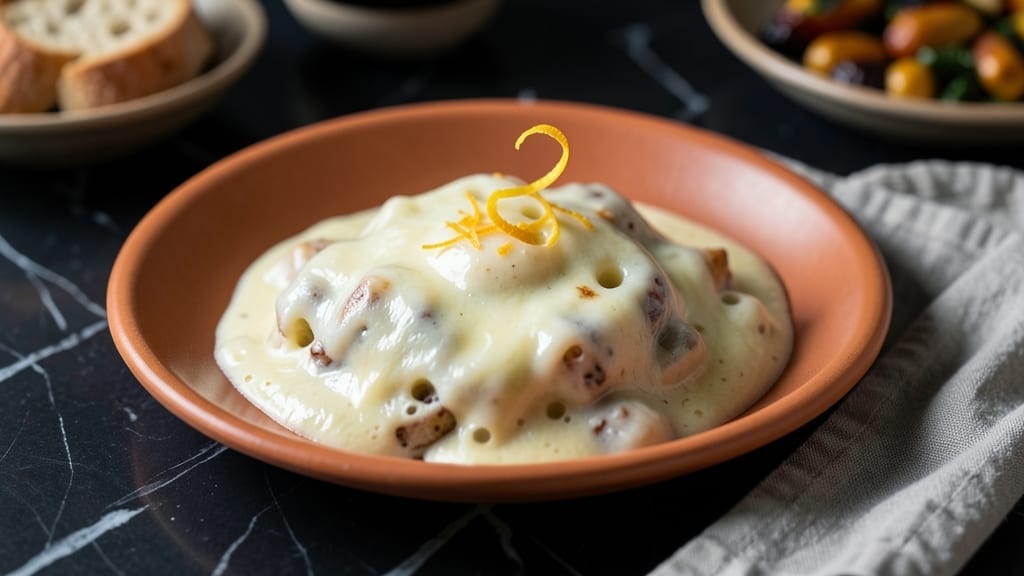
This melting pot Swiss fondue recipe turns an ordinary pot into a bubbling, cheesy centerpiece that warms hearts and brings everyone to the table. The secret lies in balancing traditional Swiss cheeses with white wine and broth for a silky, velvety melt that clings to every bite of crusty bread.
After perfecting this technique through years of gatherings, I’ve honed it to deliver restaurant-quality results at home—no special equipment required.
The foundation of great fondue is temperature control: too hot, and the cheese seizes; too cool, and it never melts properly. I use a fondue pot with a built-in burner to maintain a gentle simmer, ensuring the cheese stays smooth and the wine adds depth without overpowering.
The cheese blend—Emmental, Gruyère, and a touch of white cheddar—creates a rich, nutty flavor that’s both classic and approachable for first-timers.
By the time you’re dipping, you’ll experience the perfect harmony of textures: crispy bread soaking up the molten cheese, the aroma of melted Emmental filling the room, and the satisfying schmack of each bite.
This isn’t just a dish—it’s an experience, and the best part? Every dip feels like a celebration. Let’s get started on creating yours.
Once mastered, this fondue becomes infinitely versatile. Swap in herbs like tarragon or thyme for brightness, or add proteins like chicken or shrimp for a heartier meal. The key is keeping the cheese-to-liquid ratio precise—too much wine, and the fondue won’t set; too little, and it’ll be grainy.
Trust the method, and you’ll have a dish that’s as foolproof as it is delicious.
Ingredients for melting pot swiss fondue
Six cheeses, one pot, endless dips—this Swiss fondue brings warmth and gooey perfection.
| Ingredient | Amount | Notes |
|---|---|---|
| Emmental Cheese 🧀 | 1 ½ cups | Shredded, block preferred |
| Gruyère Cheese 🧀 | 1 cup | Shredded, aged for nutty flavor |
| White Cheddar Cheese 🧀 | ½ cup | Shredded, mild variety |
| Dry White Wine 🍷 | 1 ½ cups | Sauvignon Blanc or Chardonnay |
| Chicken or Vegetable Broth 🍲 | ½ cup | Low-sodium preferred |
| Garlic Cloves 🧄 | 3 cloves | Minced for aroma |
| Kornspitz or Diamond Crystal Kosher Salt 🧂 | ½ tsp | Adjust to taste |
| Crusty Bread 🍞 | 4 cups | Cubed, baguette preferred |
| Unsalted Butter 🧈 | 2 tbsp | For dipping oil |
| Freshly Ground Black Pepper 🌶️ | ½ tsp | Freshly cracked |
| Dried Thyme 🌿 | ¼ tsp | Or 1 tsp fresh thyme |
| Cornstarch 🌾 | 1 tbsp | For thickening if needed |
| Lemon Zest 🍋 | 1 tsp | Brightens the flavor |
The cheese trio is non-negotiable. Emmental gives that classic Swiss melt, while Gruyère adds nutty depth—look for aged wheels at specialty stores like Whole Foods or Gourmet Getaway for the best quality. White cheddar rounds out the blend, keeping it approachable. Shred your own cheese (the pre-shredded kind has anti-caking agents that ruin texture). For the wine, Sauvignon Blanc adds brightness, but Chardonnay works too—just avoid anything too sweet. The broth? Swanson or Pacific Foods low-sodium versions keep things balanced without overpowering.
No white wine? Dry vermouth works in a pinch, or even apple juice (though it’ll taste different). Short on Gruyère? Parmigiano-Reggiano at half the amount gives a similar umami punch. The crusty bread is key—baguettes from Trader Joe’s or local bakeries stay crispy longest. For dipping, butter mixed with a pinch of salt elevates everything. The cornstarch is your secret weapon if the fondue gets too runny—just mix it with a splash of cold water and whisk in. Lemon zest? Zest only—no pith! It brightens the whole dish without overpowering.
This fondue reheats beautifully—just warm on low heat, stirring constantly. Keeps for 3 days in the fridge, but honestly tastes best fresh. For leftovers, store the cheese mixture separately from the wine/broth. The bread? Toast fresh before dipping—it reheats faster and stays crispier. Freeze the cheese blend (without wine) for up to 3 months—just add fresh wine and broth when reheating. Portion the bread into small containers so everyone can grab their own stash.
Why You’ll Love This Recipe
- No-Fuss Setup: I swear by this recipe because it’s the kind of meal that turns “what’s for dinner?” into “let’s do this.” Just grate the cheeses, warm the wine and broth, and let the fondue pot do the work—no fancy techniques, no stress. My kids even help with the dipping (and somehow never burn themselves).
- Cheese Love Affair: Between the nutty Gruyère, the creamy Emmental, and that sharp Cheddar kick, this combo is ridiculously balanced. The wine and broth meld everything into something rich but not heavy—like a hug in sauce form. Honestly, I’ve tried other fondue recipes, and this one actually tastes like it belongs in a Swiss mountain lodge.
- Dip Anything, Any Day: Weeknight dinner? Check. Game day snack? Done. Even a lazy Sunday brunch works. Toss in bread, apples, or roasted veggies—whatever’s left in the fridge—and suddenly you’ve got a meal. I’ll be real: my husband’s a picky eater, but he’ll fight over the last piece of crusty baguette.
- Leftovers? More Like Leftovers: The best part? The fondue sauce keeps perfectly for days. Just reheat with a splash of broth, and it’s like you’re making it fresh. Between us, I’ve turned this into a “fondue night” tradition—same recipe, different dippers—because it’s the kind of meal that stretches your budget without stretching your patience.
Step-by-step instructions for melting pot Swiss fondue
Here’s how to create that perfect, velvety cheese blend everyone will love dipping.
Melt the Cheese and Wine Together
Place a small, heavy-bottomed pot over medium-low heat. Add the 1.5 cups Emmental Cheese, 1 cup Gruyère Cheese, and 0.5 cup White Cheddar Cheese all at once. Stir gently with a wooden spoon until the cheeses begin to soften and form a smooth paste—this usually takes about 3-4 minutes. Here’s the thing: if you rush this step, you’ll end up with grainy fondue. Be patient and let the cheeses melt gradually.
Once the cheese mixture is fully melted and smooth, pour in the 1.5 cups Dry White Wine all at once. Stir continuously for 2-3 minutes until the wine is completely incorporated and the mixture begins to bubble gently. The wine helps create that signature fondue texture while adding depth of flavor. If you notice any cheese starting to separate, give it a few extra stirs—this is completely normal and will smooth out as it heats further.
Build Flavor with Aromatics and Seasonings
Add the 3 cloves minced garlic cloves, 0.5 tsp Kornspitz or Diamond Crystal Kosher Salt, 0.5 tsp freshly ground black pepper, and 0.25 tsp dried thyme to the pot. Stir everything together for 1-2 minutes until the garlic is fragrant and the seasonings are fully dissolved. The garlic should smell pungent and inviting—this is your cue that it’s ready for the next step. If you’re using fresh thyme instead, add it now and let it infuse for an extra 30 seconds to release its full aroma.
Now’s the time to add the 1 tsp lemon zest. This bright citrus note cuts through the richness of the cheese and wine, balancing the flavors perfectly. Stir in the lemon zest and let the mixture simmer gently for another 1 minute. The fondue should now have a rich, golden color and a smooth, velvety consistency. If it looks too thick, we’ll address that in the next step—don’t worry, it’s easy to fix.
Adjust Consistency and Prepare for Serving
Taste the fondue mixture and adjust the seasoning if needed. You might find it needs a touch more salt or pepper—remember, you can always add more, but you can’t take it out. If the fondue is too thick and not flowing smoothly, reduce the heat to low and stir in the 1 tbsp cornstarch mixed with 1 tablespoon of the fondue itself to create a slurry. This will help thicken it just enough for perfect dipping consistency. Stir constantly for 1-2 minutes until the mixture reaches a smooth, pourable texture.
For an extra touch of richness, remove the pot from heat and stir in the 2 tbsp unsalted butter, allowing it to melt completely into the fondue. This step adds a luxurious creaminess that makes every bite even more decadent. Keep the fondue warm over low heat while you prepare the 4 cups crusty bread cubes for dipping. The bread should be cut into 1-inch cubes—just the right size for easy handling and maximum surface area for dipping.
Serve with Style and Enjoy
Transfer the fondue to a fondue pot or small, heatproof serving dish that can hold heat well. Place it over a candle or small burner to keep it warm and melted throughout the meal. Arrange the 4 cups crusty bread cubes in a bowl nearby for easy dipping. Here’s the secret to serving fondue like a pro: keep the fondue pot moving gently in small circles over the heat source—this ensures even heating and prevents any part from getting too hot or too cold.
To dip, use long fondue forks or skewers to pick up one bread cube at a time. Quickly dip it into the fondue, coating it thoroughly but not soaking it—you want a light, even layer of cheese. Return the bread to the plate and repeat. The fondue should remain smooth and creamy throughout the meal, with no lumps or separation. If it starts to thicken as people dip, simply stir in a splash of hot chicken or vegetable broth to restore its perfect consistency. Enjoy this warm, gooey cheese magic with your guests—it’s the ultimate comfort food experience!
Pro Tips For Making Melting Pot Swiss Fondue
- Grate Cheese Coarse: DESCRIPTION: I learned this the hard way—tiny cheese shavings melt into a sad, thin paste. Use a box grater with medium holes (or pulse in a food processor) for big, uneven chunks. The larger pieces melt slower, keeping that creamy, stretchy texture longer.
- Heat Slowly, Then Pause: DESCRIPTION: Crank the fondue pot to medium-low and let it warm gradually—about 10 minutes—before adding the wine. Then, remove it from heat for 2 minutes after mixing. This stops the cheese from seizing up or splitting, which happens when you rush it.
- Skip the Cheddar Overload: DESCRIPTION: White cheddar adds sharpness but can make the fondue grainy if you use too much. Stick to a 1:1 ratio of Gruyère to Emmental, then add only ¼ cup cheddar—just enough to taste, not dominate. Trust me, your fondue will thank you.
- Deglaze with Broth First: DESCRIPTION: Sounds weird, but it works: After toasting the cheese, splash in ¼ cup broth before the wine. This loosens the caramelized bits, so your fondue won’t turn into a gluey mess when you add the alcohol later. (Yes, even if you’re impatient like me.)
Regional styles of this recipe
Swiss Alps Tradition
The classic Swiss fondue originated in the Alps, where farmers needed a way to stretch cheese supplies during harsh winters. The traditional version uses Emmental and Gruyère with white wine and kirsch (cherry brandy) for depth.
In mountain villages, fondue became a communal meal—everyone dips bread together, symbolizing unity. I’ve made this version countless times during ski trips, and the ritual of sharing the pot never fails to bring people together. 🏔️
French Savoyard Twist
Just across the border in Savoy, France, fondue takes on a richer profile with beurre noisette (browned butter) swirled into the cheese. The French also incorporate crème fraîche for a lighter texture and often add potatoes or apple slices for dipping.
I love this variation because it introduces a creamy contrast to the sharp cheeses. For a true Savoyard touch, finish with a sprinkle of fresh nutmeg—it’s subtle but elevates the dish. 🥖
German Raclette Fusion
In Germany and Austria, fondue blends with raclette by adding smoked meats like salami or prosciutto to the pot. The Germans also use more Gruyère and less wine, creating a thicker, almost spreadable consistency.
For a fusion approach, I’ve experimented with caramelized onions and apple slices as dippers—it’s a sweet-savory balance that works surprisingly well. The key is keeping the wine ratio lower to maintain the fondue’s signature melt. 🍖
Modern American Adaptations
Across the U.S., fondue has gone gourmet with additions like truffle oil, bacon, or even seafood. In California, I’ve seen versions with avocado-infused cheese and chili-lime zest for a bold twist.
For a crowd-pleaser, try adding chicken or shrimp to the pot—just cook them separately and add them warm to keep the fondue smooth. The American adaptation keeps the cheese-wine base but lets creativity shine. 🍽️
Japanese Cheese Fondue
In Tokyo and Osaka, fondue takes a lighter turn with mizutaki-style (hot water) fondue, where the cheese is melted with dashi broth instead of wine. The Japanese also incorporate umami-rich ingredients like bonito flakes or mushroom powder for depth.
For a fusion take, I’ve added soy sauce to the cheese blend—it adds a savory kick that balances the richness perfectly. Serve with rice crackers or edamame for a unique twist. 🍱
Vegetarian-Friendly Variations
For plant-based eaters, nutritional yeast and cashew cream replace cheese, while miso paste adds umami. In vegetarian hotspots like Portland, I’ve seen fondue made with blended tofu and coconut milk—it’s surprisingly creamy.
The key is adjusting the liquid ratio to prevent separation. Even non-vegetarians love this version, especially when paired with roasted vegetables or marinated tofu. 🌱
Nutrition facts
Frequently asked questions
Why does my fondue keep getting grainy?
Grainy fondue happens when cheese doesn’t melt smoothly, usually from too much heat or stirring too aggressively. Always use medium-low heat and stir gently with a wooden spoon—never let it boil. Pre-shredding your own cheese (no anti-caking agents) and keeping the wine-to-cheese ratio at 1:2 (1.5 cups wine to 3 cups cheese) helps prevent separation.
Can I make fondue without a fondue pot?
Any heatproof pot with a built-in burner or even a slow cooker on “warm” works perfectly. For a stove-top hack, use a small saucepan with a candle clamped underneath (safely!)—just keep the flame low to maintain even heat. The key is consistent, gentle warmth, not high heat.
What’s the best bread for dipping?
Look for crusty, sturdy breads that hold up to dipping without falling apart. Baguettes, sourdough, or Italian bread work best—cut into 1-inch cubes for easy handling. For extra crispiness, toast the cubes in the oven at 375°F for 5-7 minutes before serving, or keep them warm in a 200°F oven while dipping.
How do I fix fondue that’s too runny?
If your fondue is too thin, reduce the heat to low and stir in 1 tbsp cornstarch mixed with 1 tbsp cold water to make a slurry. Add it gradually while stirring constantly until thickened. For a quicker fix, whisk in 1 tbsp cold butter—it’ll coat the cheese and restore body without altering flavor.
Can I add proteins like meat or seafood?
Yes, but cook proteins separately first to avoid thinning the fondue. For chicken or shrimp, poach or grill them until fully cooked, then let cool slightly before adding to the pot. The fondue should be at 165°F when serving—never let proteins sit in the cheese mixture for long to prevent overcooking.

- Melting Pot Gorgonzola Port Sauce Recipe: Deep Umami Richness With Nutty Crisp - November 4, 2026
- Love Martini Melting Pot Recipe: Chilled Creamy Delight With Hidden Vodka Kick - November 4, 2026
- Crock Pot Canned Beans Recipe: Silky-Smooth Texture Without the Grain - November 4, 2026