
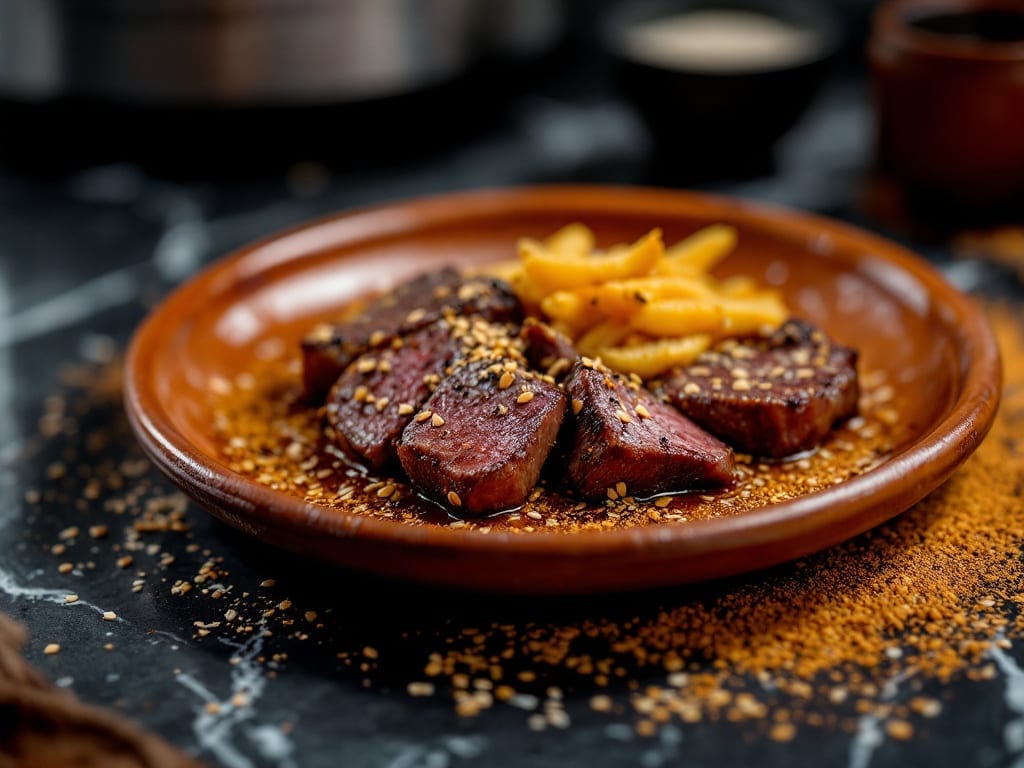
Creating a Mrs Dash-inspired pot roast seasoning transforms ordinary slow-cooked meat into restaurant-quality depth with just a few simple ingredients. This dry herb blend combines classic aromatics like thyme, rosemary, and garlic powder to build layers of savory flavor that develop beautifully during long cooking.
I developed this blend after years of testing what works best for pot roast—no fillers, no artificial flavors, just pure herbaceous punch.
The secret lies in balancing earthy and bright notes: dried thyme and rosemary provide that classic pot roast aroma, while garlic and onion powders add depth without overpowering. Black pepper brings just enough heat to wake up the flavors, and a pinch of salt ensures everything harmonizes.
Unlike store-bought blends, this version uses real herbs and no anti-caking agents, so you get pure, concentrated flavor in every tablespoon.
This seasoning mix is designed for simplicity—just sprinkle it directly onto your pot roast before slow cooking, and let the oven or slow cooker work its magic. The herbs will release their oils gradually, creating a rich, aromatic crust on the meat while infusing the juices with deep, savory notes.
One batch makes enough for multiple uses, and it keeps well in an airtight container for up to six months.
Perfect for beef, lamb, or even hearty vegetables, this blend elevates any slow-cooked dish. Whether you’re preparing a classic pot roast or experimenting with new recipes, this seasoning will become your go-to for adding professional-level depth to home cooking. Let’s get started with the ingredients you’ll need.
Ingredients for mrs dash pot roast seasoning
Nine simple herbs and spices create restaurant-quality pot roast flavor.
| Ingredient | Amount | Notes |
|---|---|---|
| Dried Thyme 🌿 | 2 tbsp | Freshly dried, not ground |
| Dried Rosemary 🌿 | 1 ½ tbsp | Finely chopped preferred |
| Garlic Powder 🧄 | 1 ½ tbsp | Not garlic salt |
| Onion Powder 🧅 | 1 ½ tbsp | Freshly ground preferred |
| Black Pepper 🌶️ | 1 tbsp | Freshly ground preferred |
| Sea Salt 🧂 | 1 tsp | Fine grain preferred |
| Ground Mustard 🌶️ | ½ tbsp | Adds subtle depth |
| Ground Coriander 🌿 | ½ tbsp | Bright citrusy note |
| Paprika 🌶️ | ½ tbsp | Smoked variety preferred |
The thyme and rosemary are the heart of this blend—look for dried leaves at bulk sections or specialty stores like Penzeys. Fresh herbs won’t work here (they’ll turn to mush), so grab the dried versions. Costco or Trader Joe’s usually have good quality at reasonable prices. For the garlic and onion powders, McCormick or Badia brands stay fresh longer. The black pepper? Freshly grind it if you can—pre-ground loses punch fast. If you’re using this for lamb instead of beef, bump the coriander up to 1 tbsp for extra brightness.
No thyme? Dried oregano at half the amount works in a pinch, but it won’t be the same. Short on rosemary? Dried marjoram is a decent swap. Want more heat? Add ½ tsp cayenne or swap the paprika for smoked paprika. The mustard and coriander can be tricky to find—check the spice aisle near the Italian seasoning. If you can’t find ground coriander, cilantro powder works but has a different vibe. Store-bought blends often contain anti-caking agents, but this mix stays free-flowing for months in an airtight container.
This blend keeps for up to 6 months in a sealed glass jar in a cool, dark place. I like to portion it into smaller jars—one for the pantry, one for the slow cooker cabinet. The flavors actually improve slightly after a few weeks as the herbs mellow. For best results, sprinkle it directly onto the meat before slow cooking. If you’re using it for vegetables, add it at the halfway point of cooking to let the flavors develop properly. Make a double batch—you’ll want it on hand for all your slow-cooked meals.
Why You’ll Love This Recipe
- Five-Ingredient Magic: I swear by this blend—no measuring cups, no fancy tools, just a quick shake of thyme, rosemary, and those powders straight from the spice rack. Honestly, the only “prep” is opening the jar and remembering to stir.
- Pot Roast Perfection: That rosemary and garlic combo? It turns tough meat into fall-apart tenderness with zero effort. Between us, the black pepper gives it this crisp edge that makes it feel restaurant-worthy.
- Meal Prep MVP: Make a big batch, toss it in a jar, and you’ve got the secret weapon for slow-cooker dinners, roasted chicken, or even mashed potatoes. I keep a stash in my pantry because it’s the one seasoning I never run out of.
- Budget-Friendly Luxury: Dried herbs and powders last forever, and a little goes a long way. I’ve used this for years, and the cost? Less than a single takeout meal. Plus, the flavor punches way above its price.
Step-by-step instructions for Mrs Dash-style pot roast seasoning
Here’s how to blend these herbs and spices into a versatile seasoning mix.
Measure All Ingredients Precisely
Start by gathering all your ingredients and measuring them exactly as listed. I find using a small kitchen scale for the spices helps ensure accuracy, especially with the smaller measurements like the 0.5 tablespoon portions of ground mustard, coriander, and paprika. These precise amounts create that perfect balance of earthy, savory, and slightly smoky flavors.
Place the 2 tablespoons dried thyme and 1.5 tablespoons dried rosemary in a medium-sized mixing bowl. I like to use a fine-mesh strainer to break up any larger rosemary sprigs if they’re not already finely chopped. This ensures even distribution throughout your seasoning blend. The thyme and rosemary will form the aromatic backbone of your mix.
Add the Powdered Components
Next, add the 1.5 tablespoons garlic powder, 1.5 tablespoons onion powder, 1 tablespoon black pepper, and 1 teaspoon sea salt to the bowl with the dried herbs. I always use freshly ground black pepper and fine-grain sea salt—this makes a noticeable difference in the final flavor. Give everything a quick stir with a fork to start combining the ingredients.
Here’s where the magic happens: add the 0.5 tablespoon ground mustard, 0.5 tablespoon ground coriander, and 0.5 tablespoon paprika. The mustard adds subtle depth, the coriander brings a bright citrusy note, and the paprika contributes that wonderful smoky quality. I prefer smoked paprika for this blend, as it enhances the slow-cooked meat flavors beautifully. If you’re using regular paprika, you might want to add an extra pinch of smoked paprika for that authentic touch.
Mix Thoroughly for Even Distribution
Use a whisk or fork to thoroughly combine all ingredients. I find that whisking works best for breaking up any potential clumps and ensuring each spoonful has an even balance of all components. Mix for about 1-2 minutes until the blend looks completely uniform and you can’t see any distinct piles of individual spices.
Here’s the thing—this blend works best when all the flavors are well integrated. Take a moment to smell the mixture; you should detect notes of thyme and rosemary with underlying garlic, onion, and that subtle smokiness from the paprika. If you’re making this for pot roast, you’ll want to use about 2-3 tablespoons of this blend per pound of meat. The seasoning will penetrate the meat beautifully during the slow cooking process, creating that rich, aromatic crust and deeply flavorful meat.
Store Properly for Maximum Freshness
Transfer your finished seasoning blend to an airtight container. I prefer glass jars with tight-sealing lids for this purpose—they keep out moisture and maintain the freshness of the spices. Label your container clearly with the contents and date, as this blend keeps best for about 6 months when stored in a cool, dark place.
This seasoning mix is incredibly versatile—use it on pot roasts, beef stews, or even as a rub for grilled meats. The key to its success lies in the balance of these specific herbs and spices. Each component plays a crucial role: the thyme and rosemary provide aromatic depth, the garlic and onion powders add savory notes, while the black pepper and sea salt enhance the overall flavor profile. The mustard, coriander, and paprika bring complexity that makes this blend truly special.
Pro Tips For Making Mrs Dash Pot Roast Seasoning
- TOAST THE HERBS: I learned this the hard way—skipping this step makes the rosemary and thyme taste like they came straight from the spice jar. Lightly toast the dried herbs in a dry pan over medium heat for 30 seconds, stirring constantly, until fragrant. This wakes up their flavor without burning them.
- GRIND THE SPICES FRESH: Your jarred Mrs. Dash mix is convenient, but if you’re making this from scratch, grind the garlic and onion powders just before use. Pre-ground spices lose potency fast, and this recipe relies on them. A quick pulse in a spice grinder or even a mortar and pestle makes a real difference.
- DON’T OVERMIX THE SEASONING: Once you’ve combined the herbs and powders, stir them just enough to blend—no need to pulverize everything into a fine dust. Overmixing can turn the rosemary into a bitter paste. A quick fold with a fork keeps the texture balanced for even distribution.
- USE A MORTAR FOR ROSEMARY: Sounds old-school, but crushing the dried rosemary in a mortar (or even a heavy mug with a rolling pin) releases more oil and aroma than shaking it in a jar. Do this before mixing with the other spices—it’s the one step that actually changes how the seasoning works in your pot roast.
Storing and reheating this recipe
Pantry Storage Tips
Store your pot roast seasoning in an airtight glass jar with a tight-sealing lid to preserve freshness. I recommend using a mason jar—they’re sturdy and keep light out, which helps maintain the herbs’ potency.
Place it in a cool, dark pantry corner away from heat sources like the stove or oven. The blend stays flavorful for up to 6 months, but I’ve noticed it peaks in flavor after about 2-3 months as the herbs mellow and integrate. 🌿
Freezing for Longevity
For extended storage beyond 6 months, freeze your seasoning in small portions using ice cube trays or mini muffin liners. Once frozen, transfer the cubes to a ziplock freezer bag and label with the date.
This method works perfectly for keeping the spices fresh for up to 1 year without losing flavor intensity. Just thaw in the fridge overnight before using. I keep a backup batch frozen so I always have fresh seasoning on hand. ❄️
Reheating Seasoned Meat
If you’ve pre-seasoned meat and need to reheat it, use the stovetop method for best results. Place the meat in a heavy-bottomed skillet with 2 tablespoons of beef broth and cover with a lid.
Heat over medium-low heat for 10-15 minutes, stirring occasionally, until reaching 165°F internal temperature. The broth prevents drying while reactivating the seasoning’s aromatic oils. 🔥
Reviving Dull Seasoning
If your seasoning mix loses potency over time, revive it by adding ½ teaspoon of fresh lemon zest or 1 teaspoon of smoked paprika to a fresh batch. The citrus brightens the flavors, while the paprika adds smoky depth.
I also like to toast the dried herbs in a dry skillet over low heat for 1-2 minutes before mixing to reactivate their essential oils. This trick works wonders for bringing back that fresh-from-the-jar flavor. 💡
Portioning for Convenience
Divide your seasoning into small jars (like 1-ounce portion jars) for easy access during cooking. I keep one jar by my slow cooker and another in the fridge for quick meal prep. This way, you won’t have to measure every time—just grab and sprinkle.
For pot roast, 2 tablespoons per pound of meat is ideal, so portion accordingly. Label each jar with the date and contents to track freshness. ✨
Using with Frozen Meat
When using this seasoning with frozen pot roast, apply it directly to the meat before thawing. The spices will cling better and penetrate more evenly during the slow cooking process. If your meat is already thawed, pat it dry first to help the seasoning adhere.
For frozen beef, plan for an extra 30-45 minutes of cooking time to ensure even seasoning distribution throughout the meat. 🥩
Nutrition facts
Frequently asked questions
Can I substitute fresh herbs for this dry blend?
Fresh herbs won’t work for this seasoning mix—they’ll turn to mush when dried. However, you can make a fresh version by finely chopping 1 tbsp each of fresh thyme and rosemary (about 3 tbsp total), then mixing with the same powdered ingredients. Use immediately or freeze in portions for up to 1 month. The dried blend lasts much longer and develops deeper flavor over time.
How much seasoning should I use per pound of meat?
For pot roast, use 2-3 tablespoons of this blend per pound of meat. Start with 2 tbsp for mild flavor and add more if you prefer stronger seasoning. The herbs release their oils gradually during slow cooking, so less is often more. For lamb, reduce to 1.5 tbsp per pound to avoid overpowering the delicate flavor.
Why does my seasoning clump together?
Clumping happens when moisture gets in—always store in an airtight container in a cool, dry place. To fix clumps, crush them gently with a fork or pass through a fine-mesh sieve. For prevention, add 1/8 tsp of rice flour to the mix before storing. This blend is designed to be free-flowing, so clumping means it’s absorbing moisture from the air.
Can I use this seasoning for vegetables or tofu?
This blend works beautifully on root vegetables like carrots and potatoes, or even marinated tofu. For vegetables, add the seasoning at the halfway point of cooking to let flavors develop. For tofu, mix with 1 tbsp soy sauce and 1 tsp olive oil before pressing and baking. The herbs add amazing depth to plant-based dishes too.
What’s the best way to test if my seasoning is still fresh?
Smell it! Fresh seasoning should have a strong, aromatic scent with clear notes of thyme, rosemary, and garlic. If it smells dull or musty, it’s lost its potency. For a quick test, sprinkle a pinch on your palm and rub—you should feel a slight tingling from the black pepper and paprika. If not, it’s time to make a fresh batch.

- Baked Potatoes in Crock Pot Recipe: Buttery Interiors and Crispy Top Magic - November 1, 2026
- Braised Beef Short Ribs Recipe: Crock Pot Fall-Off-Bone Magic in 6 Hours - November 1, 2026
- Crock Pot Cocoa Recipe: Velvety Warmth With Hidden Spice Magic - November 1, 2026