
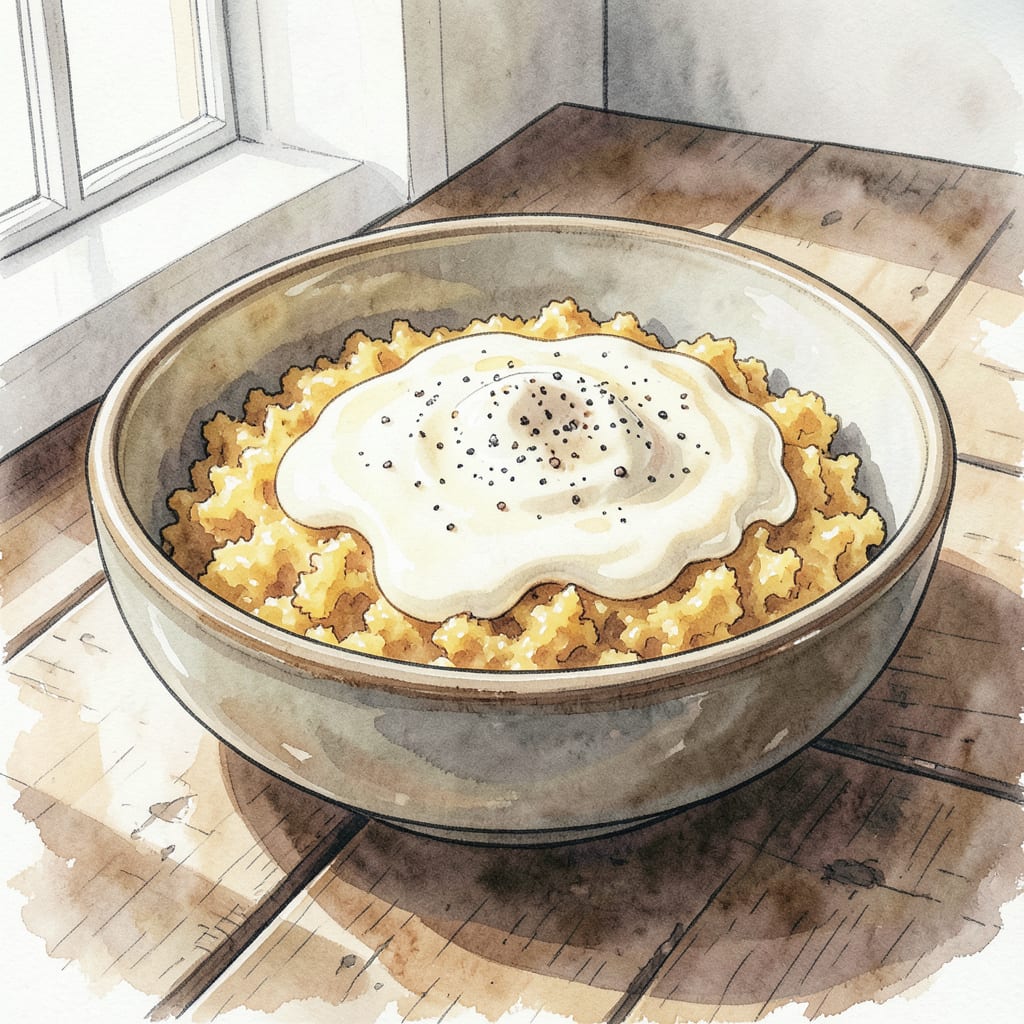
Muhlama, a traditional Turkish dish, is a rich and creamy delight that’s both comforting and flavorful. This copper kettle specialty features melted cheese, butter, and sometimes flour or cream, creating a velvety texture that’s hard to resist.
To achieve the perfect muhlama, you’ll need to carefully balance the ingredients and cooking time. With this recipe, you’ll be able to create a deliciously creamy muhlama that’s sure to impress.
Ingredients for Muhlama
Simple, rich ingredients create this Turkish copper kettle specialty with velvety texture.
| Ingredient | Amount | Notes |
|---|---|---|
| Unsalted Butter 🧈 | 4 tbsp | High-quality European-style preferred |
| Kashkaval Cheese 🧀 | 1 cup | Grated, Turkish variety recommended |
| All-Purpose Flour 🌾 | 2 tbsp | For thickening mixture |
| Heavy Cream 🥛 | ½ cup | Optional for extra creaminess |
| Black Pepper 🌶️ | ¼ tsp | Freshly ground preferred |
| Salt 🧂 | 0.1 tsp | To taste, flaky sea salt |
For authentic flavor, Kashkaval cheese is essential—look for it at Turkish or Balkan markets. If unavailable, sharp cheddar or Gouda can substitute. European-style cultured butter adds depth that regular butter can’t match. Freshly grate the cheese for best results.
No heavy cream? Half-and-half or even whole milk works in a pinch, though the dish won’t be as rich. For a lighter version, reduce the butter to 2 tablespoons. The flour is crucial for thickening—don’t skip it. If you need a gluten-free option, cornstarch or tapioca flour can replace it at half the amount.
This dish is best served immediately while the cheese is melted and creamy. Leftovers can be refrigerated for up to 2 days and reheated gently over low heat, stirring constantly. Freezing isn’t recommended as it affects the texture. For best results, reheat in a copper kettle or heavy saucepan to maintain the traditional cooking method.
Step-by-Step Instructions for Muhlama
Follow my precise method to create this creamy Turkish delight with perfectly melted cheese.
Step 1: Melt Butter and Create Roux
Start by melting the 4 tbsp Unsalted Butter in a heavy-bottomed saucepan over medium heat. Once fully melted, add the 2 tbsp All-Purpose Flour and whisk continuously for 1-2 minutes until the mixture forms a smooth, light golden roux. Be careful not to let it brown—this roux should be pale and have a nutty aroma.
The key here is to cook the flour long enough to remove any raw taste, but not so long that it darkens. You’ll notice the mixture thickening and developing a slightly nutty smell when it’s ready. This step is crucial for achieving the right consistency in your muhlama.
Step 2: Incorporate Cheese and Cream
Gradually add the 1 cup Kashkaval Cheese to the roux, stirring constantly with a wooden spoon. The cheese will start to melt immediately, creating a smooth, creamy base. If you’re using the optional 0.5 cup Heavy Cream, add it now and continue stirring until fully incorporated.
Keep the heat at medium and maintain constant stirring to prevent the cheese from sticking to the bottom of the pan. You’ll notice the mixture becoming smoother and more luxurious as the cheese melts completely. This should take about 3-5 minutes, depending on your heat level.
Step 3: Season and Achieve Perfect Consistency
Add the 0.25 tsp Black Pepper and 0.1 tsp Salt to the mixture, stirring well to combine. Continue cooking for another 2-3 minutes until the muhlama reaches your desired consistency. It should be creamy and smooth, coating the back of a spoon.
If the mixture seems too thick, you can adjust the consistency by adding a splash more Heavy Cream if you’ve chosen to use it. Conversely, if it’s too thin, a brief cook-down will help thicken it to your liking. The final product should be luxurious and creamy, with a rich cheese flavor.
Step 4: Serve Immediately
Transfer the muhlama to a warmed serving dish or individual ramekins. Serve immediately while still hot and creamy. Traditionally, this dish is enjoyed straight from the copper kettle, but any heatproof serving vessel will work.
The muhlama should be smooth and creamy, with a beautiful sheen. As you take your first bite, the cheese should be perfectly melted and the flavors well-balanced. This dish is best enjoyed fresh, so serve right away to your guests.
Pro Cooking Tips for muhlama
Mastering the Roux
The foundation of great muhlama starts with a proper roux. Melt 4 tbsp Unsalted Butter over medium heat and whisk in 2 tbsp All-Purpose Flour. Cook for 1-2 minutes until it turns light golden and develops a nutty aroma.
Cheese Incorporation Techniques
Add 1 cup Kashkaval Cheese gradually while stirring constantly with a wooden spoon. The cheese will melt quickly, creating a smooth base. If using 0.5 cup Heavy Cream, add it now and continue stirring until fully incorporated.
Temperature Control
Keep the heat at medium and maintain constant stirring to prevent the cheese from sticking. Continue cooking for 3-5 minutes until the mixture becomes smooth and luxurious. Adjust heat as needed to prevent burning.
Perfecting the Consistency
Cook for an additional 2-3 minutes after adding 0.25 tsp Black Pepper and 0.1 tsp Salt. The muhlama should coat the back of a spoon. If too thick, add a splash of Heavy Cream. If too thin, cook briefly to thicken.
Traditional Serving Methods
Transfer the muhlama to warmed serving dishes or individual ramekins. Traditionally, it’s served straight from the copper kettle. Serve immediately while hot and creamy for the best experience. 🔥
Common Mistakes to Avoid
Don’t let the roux brown too much, as it affects the flavor. Stir constantly when adding cheese to prevent lumps. If the mixture starts to separate, remove from heat immediately and whisk vigorously to re-emulsify.
Nutrition Facts
220kcal

- 8 Bean Soup Recipe Crock Pot: Hearty Vegetable Medley in One Pot - September 25, 2026
- 4C Bread Crumbs Meatballs Recipe: Crispy Crust and Juicy Centers - September 25, 2026
- 6 Oz Chocolate Chip Cookie Recipe: Perfectly Balanced Crispy Edges and Chewy Hearts - September 25, 2026