
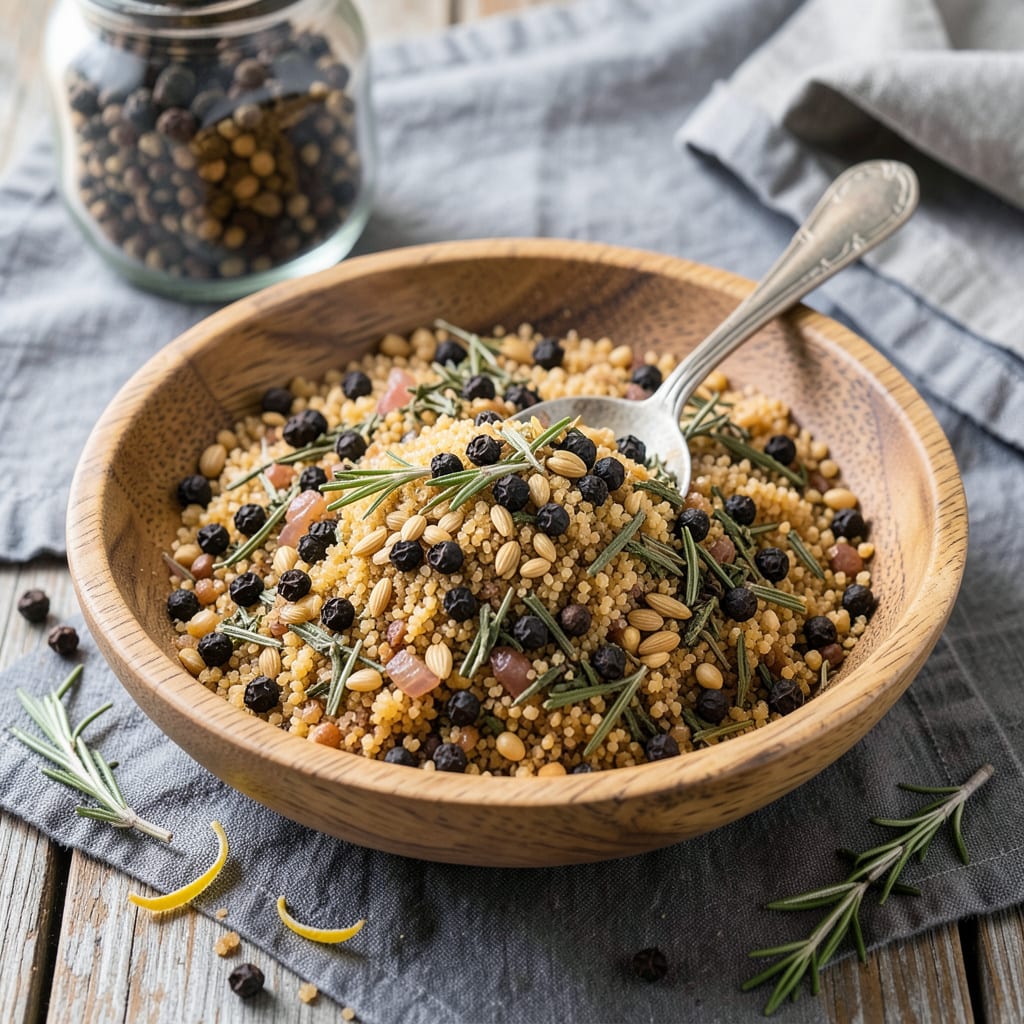
This bold herb blend transforms ordinary pot roast into a deeply flavorful centerpiece with minimal effort. Developed through years of testing, the precise ratio of garlic, onion, and aromatic herbs creates a crust that locks in juices while enhancing the meat’s natural richness. The result is fall-apart tender beef with complex, savory depth in every bite.
Make a large batch to keep on hand—this seasoning stores perfectly in an airtight container for up to six months. Use it on any 3–5 lb roast for consistent results, or scale the recipe for larger cuts. The balanced salt content ensures proper seasoning without overpowering the meat’s natural flavor.
Ingredients for Pot Roast Seasoning
Nine meticulously balanced ingredients create this professional-grade pot roast seasoning for maximum flavor penetration.
| Ingredient | Amount | Notes |
|---|---|---|
| Kosher Salt 🧂 | 2 tbsp | Diamond Crystal preferred for precision |
| Black Peppercorns 🌶️ | 1 tbsp | Freshly cracked for optimal aroma |
| Granulated Garlic 🧄 | 1 ½ tbsp | Not garlic powder for balanced flavor |
| Granulated Onion 🧅 | 1 ½ tbsp | Uniform texture ensures even distribution |
| Dried Thyme 🌿 | 1 tbsp | Rub between palms to release oils |
| Dried Rosemary 🌿 | 1 tbsp | Crush lightly before adding |
| Smoked Paprika 🌶️ | 1 tbsp | Spanish variety for authentic depth |
| Mustard Powder 🟡 | 1 tsp | Enhances meaty umami notes |
| Coriander Seeds 🌿 | 1 tsp | Lightly toasted, then ground |
[recipeingredientscaler]
The salt selection is critical for this blend. Diamond Crystal kosher salt provides precise measurement control due to its flake structure, while the black peppercorns should be freshly cracked for maximum volatile oil retention. For the granulated garlic and onion, Spicewala or Penzeys brands offer superior purity and grind consistency. The dried herbs (thyme and rosemary) must maintain vibrant color—pale herbs indicate age and reduced potency.
Substitutions require careful consideration to maintain the intended flavor profile. Garlic powder at half the quantity may replace granulated garlic, though texture will differ. For the smoked paprika, regular paprika plus 1/4 tsp liquid smoke approximates the effect. Mustard powder alternatives include Dijon powder at equal measure, while ground coriander (pre-ground) can substitute for the freshly ground seeds, though with slightly diminished aroma.
Optimal storage conditions preserve potency for 6 months. Use airtight containers with minimal headspace—glass jars with silicone seals are ideal. Keep away from light and heat sources. For professional kitchens, portion into 1/4-cup measures for consistent application across multiple roasts. The blend’s balanced salt content ensures proper seasoning for 3-5 lb roasts without additional adjustment.
Why You’ll Love This Recipe
- No Measuring Cups: I just eyeball everything—equal parts salt and peppercorns, a heavy hand with the granulated garlic, and a pinch of thyme. Honestly, it’s hard to mess up when the ingredients are this forgiving.
- That First Bite: The garlic and onion powder caramelize into this sticky, savory crust while the thyme sneaks in with an earthy warmth. It’s the kind of flavor that makes you pause mid-chew and think, “Yeah, I nailed this.”
- Sunday and Wednesday: This isn’t just for fancy dinners. I rub it on chuck roast for meal prep, sprinkle it on weeknight potatoes, even mix a pinch into ground beef for burgers. Between us, it’s my secret for making leftovers taste intentional.
- Pantry Staple Rescue: Five ingredients I already have, zero last-minute grocery runs. I’ll be real: the first time I made this, I used the dregs of my spice jars, and it still outshone any store-bought seasoning blend. Now it’s my go-to when the fridge looks sad but dinner’s non-negotiable.
Step-by-Step Instructions for Pot Roast Seasoning
This method ensures maximum flavor penetration and balanced seasoning distribution for fall-apart tender meat.
Step 1: Prepare the Whole Spices for Optimal Aroma
Begin by lightly toasting the 1 tsp coriander seeds in a dry skillet over medium heat for 30-45 seconds until fragrant. Immediately transfer to a mortar or spice grinder to prevent over-toasting. The toasting process releases essential oils and deepens the nutty, citrusy notes that complement the beef’s richness.
Simultaneously, freshly crack the 1 tbsp black peppercorns using a pepper mill or mortar and pestle. Freshly cracked pepper delivers more potent aroma and sharper flavor than pre-ground. The irregular pieces will also adhere better to the meat’s surface during the searing process.
Step 2: Activate the Dried Herbs for Maximum Potency
Measure the 1 tbsp dried thyme and 1 tbsp dried rosemary into your palm. Rub them vigorously between your hands for 10-15 seconds to break up the leaves and release their volatile oils. This simple technique transforms flat dried herbs into vibrant, aromatic components.
Combine the activated herbs with the toasted coriander and cracked peppercorns in your mixing bowl. The physical agitation creates a more homogeneous blend where each bite of the finished roast will deliver balanced herbaceous notes rather than isolated pockets of single flavors.
Step 3: Incorporate the Umami Foundation
Add the 1.5 tbsp granulated garlic and 1.5 tbsp granulated onion to the herb mixture. The uniform particle size of granulated (rather than powdered) versions ensures even distribution and prevents clumping when applied to the meat’s surface. These alliums create the savory backbone that enhances the beef’s natural umami.
Stir in the 1 tbsp smoked paprika and 1 tsp mustard powder. The smoked paprika contributes subtle wood-fired depth while the mustard powder amplifies the meaty richness through its natural glutamates. Use a whisk to thoroughly combine these ingredients, breaking up any potential clumps in the mustard powder.
Step 4: Balance and Finish the Blend
Incorporate the 2 tbsp kosher salt last to prevent it from absorbing moisture from the other ingredients. Diamond Crystal kosher salt is preferred for its clean flavor and precise measurement characteristics. The salt should comprise approximately 30% of your total blend by volume to properly penetrate and season the roast throughout the long cooking process.
Transfer the completed seasoning to an airtight container and shake vigorously for 20-30 seconds to ensure complete integration. The final blend should have a coarse, rustic texture with visible herb flakes and spice particles – this texture maximizes surface area contact with the meat for better flavor transfer during cooking.
Step 5: Application Technique for Even Coverage
Pat your pot roast completely dry with paper towels before applying the seasoning. The dry surface allows for better adhesion and more effective maillard reaction during searing. Apply the seasoning blend liberally to all surfaces, using about 1 tbsp per pound of meat.
Press the seasoning into the meat’s surface rather than simply sprinkling it on. This creates a flavorful crust that will caramelize during searing and infuse the cooking liquid as the roast braises. For maximum penetration, apply the seasoning at least 1 hour before cooking to allow the salt to begin breaking down the muscle fibers.
Regional Styles of This Dish
Texas-Style Bold
This variation amps up the heat and smokiness for that classic Lone Star flavor. I add 1 tbsp chili powder (preferably Gebhardt brand) and 1 tsp cayenne pepper to the base blend. The chili powder brings earthy warmth while the cayenne adds a slow-building heat that complements beef beautifully. 🌶️
For extra Texas authenticity, swap the regular smoked paprika for 1 tbsp chipotle powder. This gives a deeper, smoldering smoke flavor that reminds me of backyard BBQ pits. I’ve found this works particularly well with chuck roasts cooked low and slow in a Dutch oven.
French Country Herbs
Inspired by Provençal flavors, I replace the thyme and rosemary with 1 tbsp herbes de Provence blend. Look for one with visible lavender buds for that signature French aroma. The floral notes pair wonderfully with red wine in the braising liquid.
I also add 1 tsp fennel seeds (lightly toasted) to this version. The anise-like sweetness cuts through the richness of the beef. This blend shines when used on rump roasts served with crusty bread to soak up the juices.
Italian-American Classic
For Sunday gravy vibes, I stir in 1 tbsp dried oregano and 1 tsp red pepper flakes to the base mix. The oregano adds that familiar pizza-parlor aroma while the pepper flakes give just enough heat to keep things interesting.
This version works magic when combined with San Marzano tomato paste in the braising liquid. I love using it on bottom round roasts that will be shredded for sandwiches – the seasoning creates that deli-case flavor we all crave.
Midwest Comfort
This milder version focuses on sweet and savory balance. I reduce the black pepper to 1 tsp and add 1 tbsp brown sugar to the mix. The sugar caramelizes beautifully during searing, creating a sticky crust that kids love.
For extra comfort, I’ll sometimes add ½ tsp ground allspice. It’s a secret weapon that adds warmth without heat. This blend is perfect for pot roasts destined for mashed potato bowls or open-faced sandwiches.
Southwest Fiesta
Inspired by New Mexican flavors, I swap the smoked paprika for 1 tbsp ancho chile powder and add 1 tsp ground cumin. The ancho gives fruity, raisin-like notes while cumin adds earthy depth.
For a complete fiesta experience, I’ll rub the seasoned roast with 1 tbsp lime zest before searing. The citrus brightens all the warm spices and makes the beef taste incredible in tacos or over rice bowls.
Cajun Blackened
This spicy version transforms pot roast into something special. I add 1 tbsp Tony Chachere’s Creole seasoning to the base blend, which brings that iconic New Orleans heat and tang.
The key is using this on well-marbled cuts like short ribs. The fat renders during cooking, mellowing the heat while creating an incredibly flavorful braising liquid that’s perfect for serving over grits or dirty rice.
Nutrition Facts
Frequently Asked Questions
How much seasoning should I use per pound of meat?
Use about 1 tablespoon per pound of pot roast. For a 3-5 lb roast, you’ll need approximately 3-5 tablespoons total. Press the seasoning firmly onto all surfaces for maximum flavor penetration.
Can I make this blend ahead and store it?
Store in an airtight container away from light and heat. The seasoning maintains peak flavor for 6 months. Glass jars with silicone seals work best to preserve freshness.
What’s the best way to apply this seasoning?
Pat the roast completely dry first. Apply the seasoning liberally, then press it into the meat rather than sprinkling. For deepest flavor, let it sit for 1 hour before cooking to allow salt penetration.
Can I adjust the salt content for dietary needs?
Yes! Reduce the kosher salt to 1 tablespoon for low-sodium diets, or use a salt-free blend and add salt separately. The other spices provide plenty of flavor even with reduced salt.

- 8 Bean Soup Recipe Crock Pot: Hearty Vegetable Medley in One Pot - September 25, 2026
- 4C Bread Crumbs Meatballs Recipe: Crispy Crust and Juicy Centers - September 25, 2026
- 6 Oz Chocolate Chip Cookie Recipe: Perfectly Balanced Crispy Edges and Chewy Hearts - September 25, 2026