
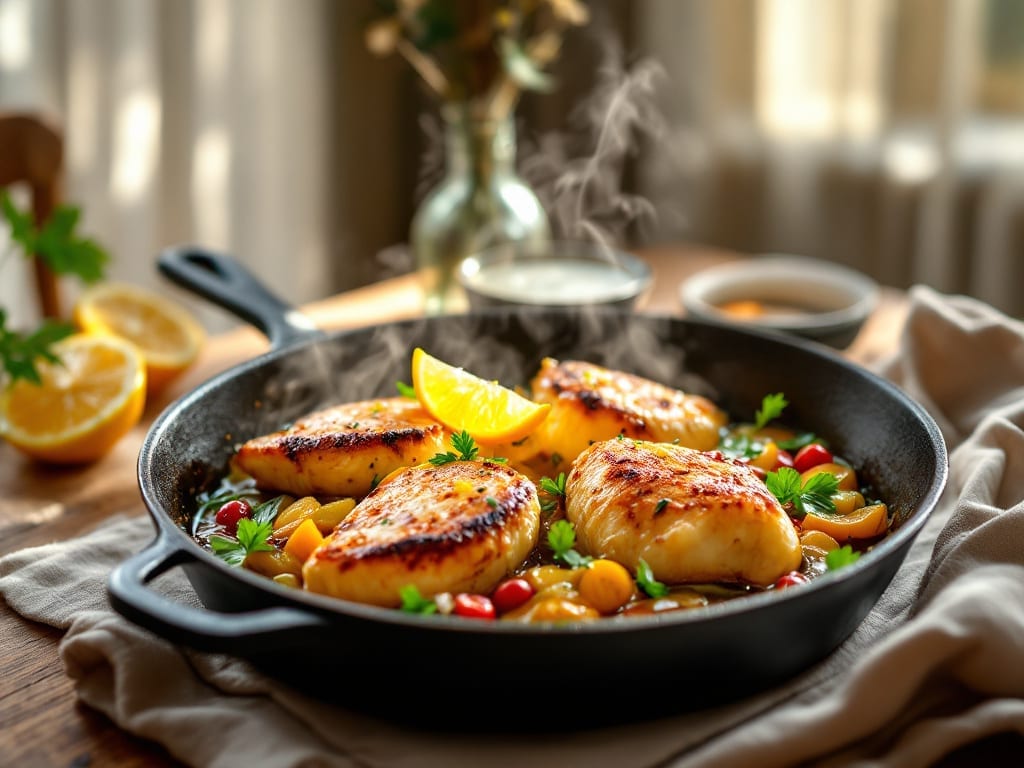
Jamie Oliver’s poule au pot recipe brings the rustic charm of the French countryside to your kitchen with tender chicken, herbed potatoes, and aromatic vegetables. This classic French stew transforms simple ingredients into a hearty, comforting meal that’s perfect for family dinners or cozy gatherings.
The key lies in slow cooking, where chicken becomes fall-off-the-bone tender while absorbing the rich flavors of garlic, herbs, and white wine.
What sets this dish apart is Jamie Oliver’s signature technique of searing the chicken first to lock in juices, followed by a long, gentle braise that develops deep, savory notes. The herbed potatoes—crispy on the edges and fluffy inside—add texture and heartiness, making every bite satisfying.
This recipe delivers restaurant-quality results without requiring advanced skills, just patience and attention to detail.
The result is a fragrant, golden stew with tender chicken, caramelized vegetables, and potatoes infused with fresh herbs. The aroma alone will have everyone gathering around the table, while the flavors—rich yet balanced—make it a dish worth repeating.
Serve with crusty bread to soak up every last bit of the delicious sauce.
Whether you’re a seasoned cook or just starting out, this poule au pot recipe proves that slow cooking can be both simple and spectacular. Ready in just under 2 hours, it’s the perfect way to turn a simple weeknight into a memorable meal. Let’s get started!
Ingredients for poule au pot recipe jamie oliver
Simple ingredients elevated by French countryside techniques—where rustic charm meets restaurant-quality results.
| Ingredient | Amount | Notes |
|---|---|---|
| Free-Range Chicken Thighs 🍗 | 1 ½ lb | Bone-in, skin-on for best flavor |
| Russet Potatoes 🥔 | 2 lb | Waxy variety, cut into 2-inch chunks |
| Yellow Onions 🧅 | 2 whole | Medium, peeled and quartered |
| Garlic Cloves 🧄 | 6 cloves | Fresh, peeled and smashed |
| Carrots 🥕 | 4 whole | Medium, peeled and halved lengthwise |
| Fresh Thyme 🌿 | ¼ cup | Leaves only, stems removed |
| Fresh Rosemary 🌿 | ¼ cup | Needles only, finely chopped |
| Dry White Wine 🍷 | 1 cup | Sauvignon Blanc or Chardonnay |
| Chicken Stock 💧 | 2 cups | Homemade or high-quality store-bought |
| Extra-Virgin Olive Oil 🫒 | ¼ cup | For searing chicken |
| Diamond Crystal Kosher Salt 🧂 | 1 ½ tsp | For seasoning and potatoes |
| Freshly Ground Black Pepper 🌶️ | ½ tsp | For seasoning |
| Fresh Parsley 🌿 | 0.1 cup | Chopped, for garnish |
| Crusty Baguette 🍞 | 1 whole | For serving, sliced into pieces |
The chicken thighs are non-negotiable here—bone-in, skin-on delivers that rich, golden crust and tender meat. Local butcher shops often carry them at better prices than grocery stores, and look for pieces with good marbling. For the potatoes, Russets or Yukon Golds work best—they hold their shape while soaking up the herbed broth. Fresh herbs are crucial: Whole Foods or local farmers markets offer the most vibrant thyme and rosemary, but grocery store bunches work if you strip and rinse them well. The white wine should be dry and crisp—Sauvignon Blanc adds brightness, while Chardonnay brings creaminess.
No white wine? Chicken stock with a splash of apple cider vinegar mimics the acidity perfectly. Short on fresh herbs? Dried thyme and rosemary at one-third the amount work in a pinch, but toast them in a dry pan first to wake up the flavors. For the carrots, baby carrots or pre-cut sticks save time without sacrificing texture. The crusty baguette can be day-old from a bakery—it reheats beautifully in the oven at 350°F for 5 minutes. If you’re short on time, frozen herbed potatoes (like those from Trader Joe’s) cut prep time in half.
This stew tastes even better the next day as flavors meld—reheat gently on the stove with a splash of water or stock. Store in an airtight container for up to 4 days in the fridge, or freeze portions for 3 months. For make-ahead convenience, prep everything except the final sear and braise, then refrigerate until ready to cook. The baguette keeps well wrapped at room temperature for 2 days or frozen for 1 month. Garnish with fresh parsley right before serving to keep it vibrant.
Why You’ll Love This Recipe
- One-Pan Magic: I swear by this—just toss everything in a Dutch oven, add stock, and let it simmer. No chopping boards left dirty, no extra pots to wash. The chicken thighs stay juicy while the potatoes and carrots soften perfectly, all in one go.
- Garlic Bomb Flavor: That slow-cooked garlic—oh boy. It caramelizes just enough to make every bite taste like you slaved over it for hours, but honestly, it’s foolproof. The free-range chicken thighs add richness, and the onions? They melt into pure sweetness.
- Leftovers That Shine: This dish tastes even better the next day (yes, really). I’ll make a big batch on Sunday, and by Wednesday, it’s still the star of our lunch. Reheat gently, and it’s like a cozy hug in a bowl—no sad, dry chicken here.
- Budget-Friendly Feast: You’re getting a whole roast-worthy meal for the price of a few basic ingredients. Russets are cheap, carrots last forever, and chicken thighs stretch further than breasts. Plus, it’s the kind of dish that makes you feel fancy without breaking the bank.
Step-by-step instructions for French countryside stew with herbed potatoes
This rustic French classic transforms simple ingredients into a deeply flavorful one-pot meal.
Sear the Chicken Thighs for Rich Flavor
Pat the 1.5 lb free-range chicken thighs dry with paper towels, removing any excess moisture from the skin. Season generously with 1.5 teaspoons diamond crystal kosher salt and 0.5 teaspoon freshly ground black pepper, pressing the seasoning into the meat to ensure even coverage. Heat a large Dutch oven over medium-high heat and add 0.25 cup extra-virgin olive oil. Once the oil shimmers, carefully place the chicken thighs skin-side down in the pot, leaving space between each piece.
Sear for 6-8 minutes until the skin is deep golden brown and crispy, and the edges release easily from the pot. Flip the thighs and sear the other side for another 4-5 minutes. The key here is patience—rushing will result in uneven cooking and less flavorful skin. Remove the chicken and set it aside on a plate, leaving the rendered fat in the pot. This fat carries all the seared flavors that will infuse your stew.
Build the Aromatic Base with Vegetables
In the same Dutch oven, reduce the heat to medium and add the 2 whole yellow onions, cut into quarters, and the 4 whole carrots, halved lengthwise. Cook for 5-6 minutes, stirring occasionally, until the onions soften and the carrots begin to caramelize at the edges. This step develops the foundational sweetness that balances the herbed notes later.
Add the 6 cloves garlic cloves, smashed with the side of your knife, and cook for 30 seconds until fragrant. Be careful not to let the garlic burn—it should smell sweet and inviting, not bitter. Stir in the 0.25 cup fresh thyme leaves and 0.25 cup finely chopped fresh rosemary needles, letting them sizzle for 1 minute to release their essential oils. These herbs will infuse the stew with their earthy, piney aromas, creating the signature French countryside flavor.
Deglaze and Simmer the Stew
Pour in the 1 cup dry white wine, scraping up any browned bits from the bottom of the pot with a wooden spoon. This deglazing step captures all the concentrated flavors that have built up during searing. Let the wine simmer for 3-4 minutes until it reduces by half, intensifying its flavor. Add the 2 cups chicken stock and bring the mixture to a gentle simmer.
Return the chicken thighs to the pot, skin-side up, and add the 2 lb russet potatoes, cut into 2-inch chunks. The potatoes should be partially submerged but not completely covered—this ensures they absorb the stew’s flavors without turning mushy. Partially cover the pot and simmer gently for 30 minutes, allowing the chicken to cook through and the potatoes to soften. Stir occasionally to prevent sticking, and ensure the liquid doesn’t evaporate completely.
After Finish and Rest for Maximum Flavor
Remove the pot from heat and let the stew rest, covered, for 10 minutes. This resting period allows the flavors to meld and the juices to redistribute, ensuring each bite is tender and packed with depth. Before serving, garnish with 0.1 cup chopped fresh parsley for a bright, fresh contrast to the rich stew. Serve with slices of the 1 whole crusty baguette** to soak up every last drop of that fragrant herbed broth.
Pro Tips For Making Poule Au Pot Recipe Jamie Oliver
- Brown the Thighs Hard: Jamie’s version relies on crispy skin, so don’t skip the 8–10 minutes in a screaming-hot pan—even if the chicken releases less fat at first. I used to rush this, and the final dish always tasted duller. High heat = flavor.
- Par-Cook the Potatoes: Russets release starch like crazy when raw. Boil them for 5 minutes first, then drain and rough up the edges with your hands—this keeps them fluffy instead of gummy. (Yes, even if you’re impatient like me.)
- Don’t Crowd the Garlic: Whole cloves get bitter when overcrowded. Slice them in half lengthwise (skin on) and scatter them loosely in the pot—this lets them caramelize instead of stewing into oblivion. I learned this after burning three batches.
- Deglaze with White Wine: After browning the chicken, splash in the white wine immediately—the residue in the pan is pure flavor gold. Let it bubble for 30 seconds before adding broth. Skimping here means missing out on the dish’s depth.
Storing and reheating your leftovers
Refrigerator Storage
Your poule au pot tastes even better the next day as the flavors deepen and meld together. Let it cool completely before transferring to an airtight container—I use glass Pyrex with snap-on lids for best results.
Store at 40°F or below for up to 4 days, though I recommend eating it within 3 days for peak texture. The herbed potatoes and chicken will stay tender, while the broth remains rich and aromatic. 💫
Freezer-Friendly Tips
For long-term storage, freeze portions in quart-sized freezer bags, leaving 1 inch of headspace to prevent expansion cracks. I label each bag with the date and contents—this stew freezes beautifully for up to 3 months without losing its rustic charm.
Thaw overnight in the refrigerator before reheating. For a quick shortcut, freeze the fully cooked stew (without garnish) and reheat directly from frozen. 🥶
Stovetop Reheating
My preferred method is stovetop reheating, which preserves the stew’s texture and depth. Transfer the desired portion to a pot and heat over medium-low heat for 10-15 minutes, stirring occasionally. Add 2-3 tablespoons of water or chicken stock if the stew looks too thick—this prevents drying out.
Taste and adjust seasoning with a pinch of salt or a splash of white wine if needed. The slow, gentle heat ensures the chicken stays moist and the potatoes remain tender. 🔥
Microwave Shortcuts
For a quick lunch, microwave individual portions in a microwave-safe dish covered with a damp paper towel. Heat on 70% power for 3-4 minutes, stir, then continue in 30-second intervals until reaching 165°F.
Avoid overcooking—the microwave can make the potatoes gummy. Add a splash of water or stock to restore moisture if needed. This method works best for single servings and saves time without sacrificing flavor. ⚡
Baguette Prep
The crusty baguette keeps well wrapped at room temperature for 2 days or frozen for 1 month. To refresh, toast slices in a 375°F oven for 5 minutes until crispy. For make-ahead convenience, slice the baguette and freeze it—thaw at room temperature for 10 minutes before serving.
The warm, crusty bread is essential for soaking up the herbed broth, so never skip this step! 🍞
Garnish Fresh
Always add the fresh parsley garnish right before serving to keep it vibrant. Store any leftover parsley in an airtight container with a damp paper towel in the fridge for up to 3 days.
If your stew loses its freshness, a sprinkle of extra herbs or a squeeze of lemon juice can revive it. The bright green parsley provides a beautiful contrast and a refreshing finish to the rich, herbed flavors. 🌿
Nutrition facts
Frequently asked questions
Can I use chicken breasts instead of thighs for this recipe?
Chicken thighs are ideal for this dish because they stay juicy and flavorful during long cooking. Chicken breasts can dry out—if you must use them, opt for bone-in, skin-on pieces and reduce cooking time to 20 minutes after the initial sear. For best results, marinate the breasts in white wine and herbs for 30 minutes before cooking to help retain moisture.
What’s the best way to make this dish ahead of time?
This stew tastes even better the next day! Cook it completely, then let it cool and refrigerate in an airtight container for up to 4 days. Reheat gently on the stove with a splash of water or stock to restore moisture. For freezing, portion into bags with 1 inch of headspace and thaw overnight in the fridge. The flavors deepen over time, making it perfect for meal prep.
Can I substitute white wine with another liquid?
Yes! If you don’t have white wine, use 1 cup chicken stock + 1 tablespoon apple cider vinegar for acidity. For a non-alcoholic version, try 1 cup sparkling water + 1 tablespoon lemon juice. The key is balancing acidity and depth—avoid using only stock, as it lacks the bright, aromatic notes wine provides.
Why do the potatoes turn mushy in my stew?
Mushy potatoes usually mean overcooking or too much liquid. Ensure potatoes are partially submerged but not fully covered, and simmer gently (not boiling). Cut them into even 2-inch chunks for consistent cooking. If the stew is too watery, remove the lid and cook uncovered for 5-10 minutes to thicken the sauce.
How do I know when the chicken is fully cooked?
Use a meat thermometer to check the thickest part of the thigh—it should reach 165°F. The chicken will also pull away from the bone easily when ready. If unsure, cut into a piece to confirm it’s no longer pink inside. Overcooking can dry out the meat, so aim for 165°F and remove it promptly.

- Braised Beef Short Ribs Recipe: Crock Pot Fall-Off-Bone Magic in 6 Hours - November 1, 2026
- Crock Pot Cocoa Recipe: Velvety Warmth With Hidden Spice Magic - November 1, 2026
- White Queso Crock Pot Recipe: Ultra-Smooth Melt Without the Grain - November 1, 2026