
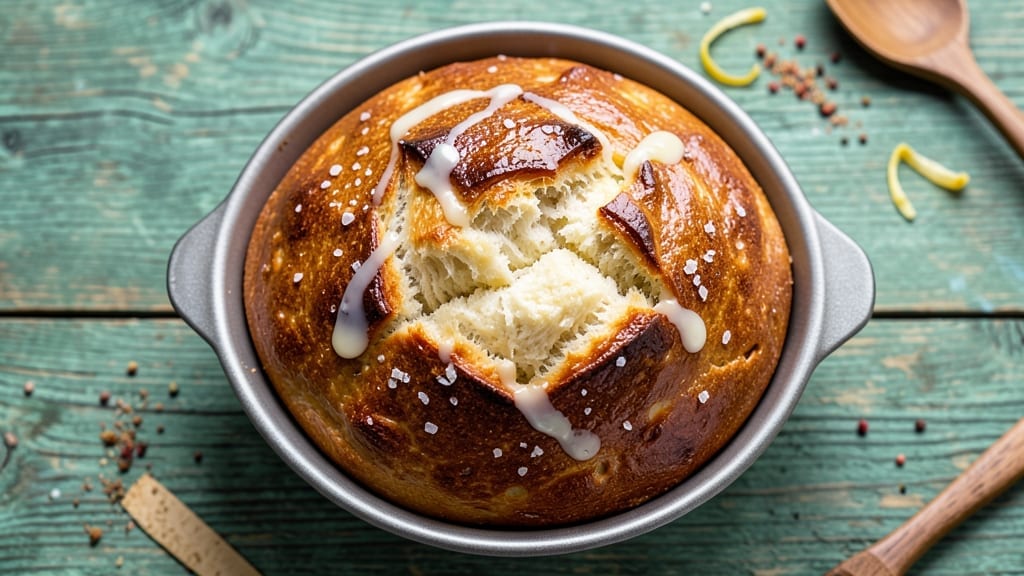
A 1 1/2 lb bread machine recipe that delivers soft, pillowy layers with minimal effort is the secret to homemade bread that rivals bakery quality. This method transforms simple ingredients into a loaf with a tender crumb and golden crust—all while you focus on other tasks.
The key lies in precise ingredient ratios and selecting the right bread machine setting for that signature texture.
This recipe is designed for beginners and bread machine veterans alike, using straightforward ingredients like flour, yeast, sugar, and milk to create a versatile loaf. The 3-hour process includes an automatic knead and rise cycle, ensuring consistent results without manual effort.
Optional add-ins like seeds, nuts, or dried fruit can be incorporated for customization while maintaining the bread’s signature softness.
The result is a light, airy loaf with an inviting aroma and a crust that’s perfectly crisp without being tough. Whether you’re making sandwiches, toast, or French toast, this bread holds up beautifully while delivering that satisfying homemade taste.
The recipe also includes troubleshooting tips to address common issues like dense bread or overproofing, ensuring success every time.
Perfect for daily meals or special occasions, this 1 1/2 lb loaf is large enough to share but small enough to use quickly. Pair it with soups, salads, or enjoy it fresh from the machine. Here’s how to achieve bakery-style perfection at home.
Ingredients for 1 1/2 lb bread machine
Simple ingredients elevated by precise ratios for bakery-style bread machine perfection.
| Ingredient | Amount | Notes |
|---|---|---|
| All-Purpose Flour 🌾 | 4 ½ cups | Unbleached, sifted for even texture |
| Active Dry Yeast 🍞 | 2 ¼ tsp | Freshly opened, room temperature |
| Granulated Sugar 🍚 | ¼ cup | White or light brown preferred |
| Unsalted Butter 🧈 | ½ cup | Cold, cubed for even distribution |
| Whole Milk 🥛 | 1 cup | Room temperature for activation |
| Large Egg 🥚 | 1 whole | Room temperature, lightly beaten |
| Diamond Crystal Kosher Salt 🧂 | 1 ½ tsp | Adjust based on salt preference |
| Extra-Virgin Olive Oil 🫒 | 1 tbsp | For greasing the pan and machine |
| Sesame Seeds 🌻 | 2 tbsp | Optional, for topping (optional) |
| Poppy Seeds 🌼 | 1 tbsp | Optional, for topping (optional) |
The all-purpose flour is the foundation—King Arthur or Bob’s Red Mill brands yield the best texture for this recipe. Sift it before adding to the machine to eliminate lumps and ensure even distribution. Whole milk should be room temperature to activate the yeast properly; cold milk slows fermentation. For the unsalted butter, grab a block from Land O’Lakes or Plugrá—avoid salted versions, as the recipe already includes salt. The active dry yeast must be fresh; check the expiration date and store it in the freezer if you won’t use it within a few months. Diamond Crystal kosher salt is preferred for its consistent grain size, but Morton works in a pinch.
No whole milk? Unsweetened almond milk or oat milk works, but expect slightly denser bread. Running low on butter? Vegetable shortening or coconut oil can substitute at the same weight, though texture may vary. The granulated sugar can be swapped for honey or maple syrup (reduce by 1 tbsp to account for moisture). For a nutty flavor, replace 1 cup of flour with whole wheat flour, but expect a denser crumb. The optional seeds (sesame, poppy, or sunflower) can be omitted entirely or replaced with dried cranberries or chopped nuts for customization. Always measure flour by weight for accuracy—1 cup of flour varies by brand.
Store the dry ingredients (flour, sugar, yeast) in airtight containers in a cool, dark place for up to 6 months. The butter and milk should be refrigerated until use, then brought to room temperature before mixing. Once baked, the loaf stays fresh for 3-4 days at room temperature, wrapped in a bread bag or foil. For longer storage, slice and freeze portions for up to 3 months. Reheat slices in a toaster or oven for that fresh-from-the-oven texture. The optional seeds can be toasted in a dry pan for 1-2 minutes before topping for enhanced flavor.
Why You’ll Love This Recipe
- No-Knead, No-Fuss Magic: I swear, this bread machine does all the work—just toss in the flour, yeast, sugar, and a splash of warm milk, then let it rise while you make dinner. No rolling, no punching, no stress.
- Buttery Soft Perfection: That cube of butter and whole milk? It turns this into something so tender and rich, you’ll forget store-bought loaves ever existed. The crust gets just enough golden crispness—no need to fuss with a Dutch oven.
- Weeknight Sandwich Hero: Between us, this is my go-to for quick PB&J lunches or grilled cheese—it’s sturdy enough to hold up but still melts in your mouth. (Yes, even on a Tuesday night.)
- Budget-Friendly Staple: A 1.5 lb loaf feeds my family for days, and the ingredients cost less than half of what I’d spend on fancy artisanal bread. Plus, the leftovers toast up like a dream.
Step-by-step instructions for soft pillowy layers in 3 hours
Follow this precise bread machine method for perfect loaves every time.
Prepare the Dough Ingredients
In a large mixing bowl, combine the 4.5 cups all-purpose flour and 2.25 teaspoons active dry yeast. Sift the flour first to eliminate any lumps, which ensures even dough development. Create a well in the center and add the 0.25 cup granulated sugar, 1.5 teaspoons kosher salt, and the 1 whole large egg. Gently whisk these ingredients together to break up the egg and distribute the sugar and salt evenly.
In a separate small bowl, warm the 1 cup whole milk until it reaches 110°F—just warm enough to dissolve sugar but not hot enough to kill the yeast. Add the 0.5 cup cold unsalted butter to the warm milk and stir until the butter melts completely. Pour this milk-butter mixture into the flour mixture, stirring gently with a wooden spoon until everything comes together into a shaggy dough.
Mix in the Bread Machine
Lightly grease your bread machine pan with 1 tablespoon extra-virgin olive oil to prevent sticking. Transfer the shaggy dough to the machine pan and use a rubber spatula to press it into the corners. Close the machine lid and select the “Basic White Bread“ setting for a 1½ pound loaf. This setting automatically handles the kneading, rising, and baking processes.
Start the machine and let it run through its full cycle. The dough will first go through a kneading phase (about 5-10 minutes), where you’ll hear it mix vigorously. Then it will rise until it nearly doubles in size. The machine will automatically switch to baking mode once the dough is properly proofed, which typically takes about 1 hour 30 minutes total.
Shape and Second Rise
Once the bread machine completes its cycle, remove the loaf from the pan and place it on a wire rack to cool for 10 minutes. While it cools slightly, prepare a baking sheet by lining it with parchment paper. Lightly brush the top of the loaf with a bit of extra-virgin olive oil to create a soft, shiny crust.
Using a sharp serrated knife, slice the loaf horizontally about ½ inch down from the top, creating two thick layers. Gently separate the layers and place them on the prepared baking sheet, slightly overlapping the edges. Cover loosely with a clean kitchen towel and let them rise for 15-20 minutes at room temperature. This step ensures the layers remain soft and pillowy.
Bake to Golden Perfection
Preheat your oven to 375°F. Place the separated layers on a baking sheet and bake for 8-10 minutes, until the edges are golden brown and the tops are slightly crisp. Keep a close eye on them—they bake quickly and can over-brown easily. Remove from the oven and let them cool on a wire rack for 5 minutes before adding the toppings.
While still warm, sprinkle the tops evenly with 2 tablespoons sesame seeds and 1 tablespoon poppy seeds. Press them gently into the surface so they adhere. Serve immediately for the softest texture, or let them cool completely for easier slicing. Store in an airtight container at room temperature for up to 3 days, or freeze for longer storage.
Pro Tips For Making 1 1/2 Lb Bread Machine
- Measure Butter Cold: Unsalted butter straight from the fridge melts slower in the bread machine—this keeps the dough from getting gummy. I used to use softened butter and wondered why my loaf always felt dense. Break it into chunks and skip the measuring cups entirely.
- Bloom Yeast First: Mix the yeast with warm milk (110°F) and a pinch of sugar 5 minutes before adding to the machine. This gives it a head start and cuts down on kneading time. I learned this the hard way—skipping it meant extra cycles or a sad, flat loaf.
- Skip the Extra Sugar: The recipe already has enough sugar for yeast activation—adding more just feeds it too fast, leading to a gummy texture. Trust the original amounts unless you’re baking in a high-altitude area. I wasted three batches overdoing it before realizing the recipe was balanced.
- Use a Scale for Flour: Scooping flour from the bag packs in air, which lightens the dough and weakens structure. Weigh it (about 18 oz for this recipe) for consistent results. Yes, it’s a pain, but your loaf will hold its shape—no more collapsing tops.
Flavor customization for this dish
Sweet Variations
Add ¼ cup honey or 2 tbsp maple syrup to the dough for a subtle sweetness—great for cinnamon swirl bread. For extra richness, fold in ½ cup dried cranberries or chopped dates during the kneading phase.
These additions work best with the “Sweet Bread” setting on your machine, which extends the rise time for deeper flavor development. 🍯
Herb & Garlic Twist
Infuse your dough with 1 tbsp dried rosemary or 1 tsp garlic powder for an aromatic boost. I like adding 2 tbsp finely chopped fresh herbs (like parsley or thyme) after the initial kneading cycle.
For a Mediterranean touch, sprinkle the top with 1 tsp dried oregano and ½ tsp red pepper flakes before baking. These herbs pair beautifully with the buttery richness of the bread.
Seedy & Nutty Options
Boost texture and nutrition with ¼ cup sunflower seeds or chopped walnuts mixed into the dough. For extra crunch, top with 3 tbsp pumpkin seeds or toasted pecans after baking.
I recommend lightly toasting seeds in a dry pan for 1-2 minutes before adding to enhance their flavor. These additions keep the bread’s signature softness while adding depth and texture.
Cheesy Delight
Transform your loaf into a cheesy pull-apart bread by folding in 1 cup shredded cheddar cheese during the final kneading phase. For a tangy twist, use ½ cup goat cheese crumbles or Parmesan.
The cheese melts beautifully during baking, creating pockets of gooey goodness. This variation works best with the “Dough” setting, followed by a quick bake in the oven for 10-12 minutes at 375°F.
Savory Garlic & Herb
Create a savory version by adding 2 minced garlic cloves and 1 tsp Italian seasoning to the dough. For extra depth, stir 1 tbsp olive oil into the flour mixture before adding wet ingredients.
After baking, brush the top with a mix of 1 tbsp melted butter and ½ tsp garlic powder for a restaurant-quality finish. This bread pairs perfectly with soups, stews, or as a side for roasted meats.
Spiced & Warm
Add warmth with 1 tsp cinnamon and ½ tsp nutmeg for a cozy, spiced loaf. I like folding in ½ cup chopped dried apricots or raisins for natural sweetness. For a festive touch, sprinkle the top with 1 tsp cinnamon sugar after baking.
This variation is especially comforting during fall and winter months and keeps well for up to 5 days when stored in an airtight container.
Nutrition facts
Frequently asked questions
Can I use whole wheat flour instead of all-purpose?
Yes, but expect a denser texture. Replace 1 cup of all-purpose flour with whole wheat and reduce the milk by 2 tablespoons to maintain moisture balance. Whole wheat bread benefits from a longer rise time—select the “Whole Wheat” setting if available, or use “Basic” and monitor closely.
Why did my bread turn out dense?
Dense bread often results from overmixing, expired yeast, or cold ingredients. Ensure your yeast is fresh (test it in warm water first) and all ingredients are room temperature. Also verify your bread machine’s pan isn’t overfilled—this 1½ lb recipe should fill the pan about ⅔ full before rising.
How do I adjust for high altitude?
For altitudes above 3,500 feet, reduce the yeast by 0.25 tsp and add 1 tbsp sugar to feed the yeast. Use the “Quick Bread” setting if available, or reduce the kneading time by 2 minutes to prevent overdevelopment. The bread may rise faster, so watch closely during the baking phase.
Can I make this recipe without a bread machine?
Mix all ingredients in a stand mixer with a dough hook for 5-7 minutes until elastic. Let rise in a greased bowl for 1-1½ hours (until doubled), then punch down and shape. Bake at 375°F for 25-30 minutes in a loaf pan. The layers require hand-separating after baking for that signature texture.
What’s the best way to store leftovers?
Wrap cooled slices in plastic wrap or place the whole loaf in an airtight container. It stays fresh for 3-4 days at room temperature. For longer storage, slice and freeze portions for up to 3 months. To revive, toast frozen slices in a toaster or reheat in a 350°F oven for 5-7 minutes wrapped in foil.

- 12 Bean Chili Recipe: Hearty Slow-Cooked Depth With 12 Legumes - October 17, 2026
- 5 Seed Bread Recipe: Nutty Crunch and Artisan Flavor in One Loaf - October 17, 2026
- 1 Lb Macaroni Salad Recipe: Bold, Crunchy, and Crowd-Pleasing - October 17, 2026