
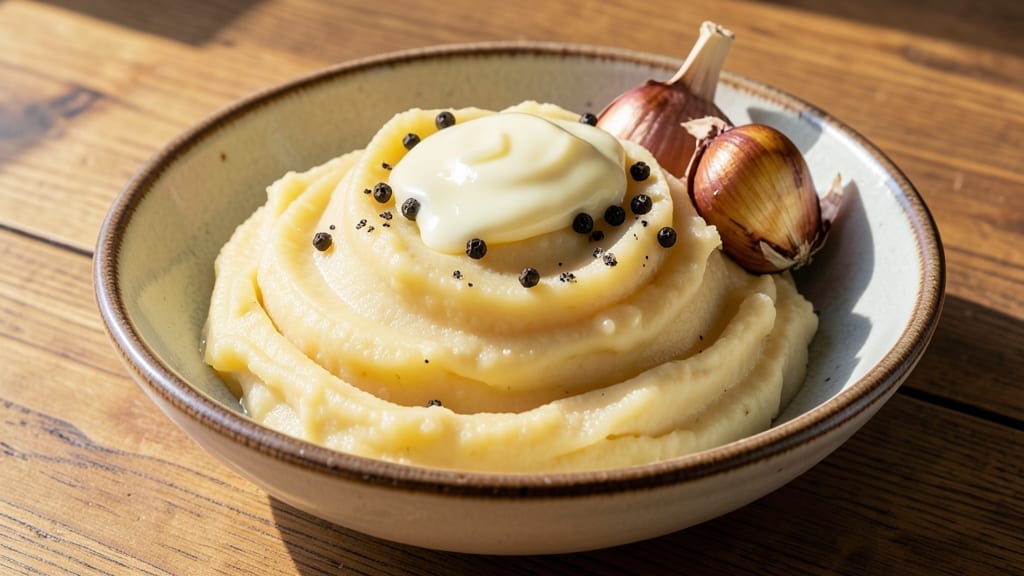
This 1 lb mashed potato recipe delivers restaurant-quality smoothness with a velvety, lump-free texture that’s impossible to resist. 💛 The secret lies in precise boiling time, proper mashing technique, and the perfect ratio of butter to milk—no guesswork, just foolproof results every time.
Whether you’re feeding a family or treating yourself to a cozy meal, this method ensures creamy, flavorful potatoes that taste like they came from a five-star kitchen.
The foundation of great mashed potatoes starts with the right technique: boiling Yukon Gold potatoes until tender, then draining and returning them to the pot. Here, we use a food mill or potato ricer to eliminate lumps, creating that signature ultra-smooth consistency.
Seasoning is simple but crucial—just butter, warm milk, salt, and pepper—but the way we incorporate them makes all the difference. This method guarantees a texture that’s fluffy yet rich, with no dry or gluey aftertaste.
What sets this recipe apart is the balance of richness and lightness—enough butter to satisfy, but enough milk to keep the potatoes tender. The result is a velvety, melt-in-your-mouth side dish that pairs perfectly with roasted meats, gravy, or even as a standalone comfort food.
No one will guess it was made with just one pound of potatoes; it feels like a full serving, not a side.
For extra flavor, consider adding minced garlic, roasted garlic, or even a sprinkle of cheddar cheese while mashing. Vegan substitutions are simple too—just swap butter for olive oil and milk for almond or oat milk.
Serve immediately for the best texture, or reheat gently with a splash of warm milk to restore that creamy perfection. Ready to master the art of mashed potatoes?
Ingredients for 1 lb mashed potato
Eight essential ingredients transform humble potatoes into velvety, restaurant-worthy mashed potatoes.
| Ingredient | Amount | Notes |
|---|---|---|
| Yukon Gold Potatoes 🥔 | 1 lb | Unpeeled, cut into even chunks |
| Unsalted Butter 🧈 | ½ cup | Cold, cubed for best texture |
| Whole Milk 🥛 | ½ cup | Warm, not hot |
| Kosher Salt 🧂 | 1 ½ tsp | Diamond Crystal preferred |
| Freshly Ground Black Pepper 🌶️ | ½ tsp | Adjust to taste |
| Garlic Cloves 🧄 | 2 cloves | Minced, optional for flavor |
| Heavy Cream 🥛 | ¼ cup | Optional for extra richness |
| Roasted Garlic 🧄 | 1 whole | Optional, for deeper flavor |
Yukon Gold potatoes are non-negotiable—their creamy texture and low starch yield the smoothest mash. Buy organic if possible to avoid wax coatings, and cut them into even 1-inch chunks for consistent cooking. The butter should be cold and cubed—this prevents greasiness and ensures proper emulsification. For the milk, warm it slightly (110°F) to help dissolve the butter fully without cooking the potatoes. If you’re using a food mill or ricer, Russell Hobbs or KitchenAid models are reliable choices for home cooks.
No Yukon Gold? Russet potatoes work too, but they’ll be slightly starchier—rinse them after boiling to reduce glueiness. Butter substitutes? Olive oil or vegan butter keeps the texture light, but the flavor won’t be identical. For the milk, half-and-half or warm water can stand in, though the texture will be less luxurious. The garlic and roasted garlic are optional but add depth—minced fresh garlic is brighter, while roasted garlic offers a mellow sweetness. If you’re making this ahead, use powdered milk instead of liquid to prevent wateriness.
Potatoes keep best in a cool, dark place for up to 2 weeks, but Yukon Golds soften faster—use within 10 days for optimal texture. Butter and milk should be refrigerated, with butter lasting 3 months and milk 1 week after opening. For leftovers, store mashed potatoes in an airtight container with a thin layer of plastic wrap pressed directly on the surface to prevent drying. Reheat gently with a splash of warm milk—microwaving dries them out, while stovetop reheating with a bit of butter restores that creamy perfection.
Why You’ll Love This Recipe
- No-Peel Hassle: I swear by Yukon Golds here—just scrub and cube, no peeling. That’s 10 minutes saved right off the bat, and honestly, the skins add a subtle earthiness that makes it taste like you put in extra effort.
- Buttery Luxe: Cold butter folded into hot potatoes? That’s the magic. You get these pillowy, velvety mounds with just the right richness—no dry lumps, no greasy mess. It’s the kind of simple indulgence that makes me want to eat straight from the pot.
- Double-Duty Potatoes: Make a big batch and freeze half for lazy weeknights. Or serve them alongside roasted chicken for Sunday dinner, then repurpose the leftovers into loaded baked potatoes the next day. Between us, this recipe works harder than I do on a Monday.
- Budget Comfort: A pound of potatoes, a stick of butter, and a splash of milk? That’s $3 of pure comfort food. It stretches to feed four, reheats like a dream, and still feels special enough for company—without the restaurant markup. My wallet and taste buds thank me every time.
Step-by-step instructions for ultra-smooth mashed potatoes
Here’s how to transform simple Yukon Golds into restaurant-quality mashed potatoes with a velvety texture.
👨🍳 Step 1: Prep and Boil the Potatoes
Start by peeling the 1 lb Yukon Gold potatoes and cutting them into even 1.5-inch chunks. I like to keep them slightly irregular—this prevents them from sticking together during boiling. Place them in a large pot and cover with cold water by about 2 inches. Add the 1.5 tsp kosher salt to the water.
Bring to a boil over high heat, then immediately reduce to medium-high and cook for 12-15 minutes until a knife slides in easily. You’ll know they’re done when they’re tender but still hold their shape slightly—they’ll break down more during mashing. Drain immediately in a colander and return to the pot.
🔥 Step 2: Dry and Heat the Potatoes
Place the drained potatoes back in the pot and set over medium heat. Let them dry out for 2-3 minutes, shaking the pot occasionally. This step is crucial—it removes excess moisture that would make your mashed potatoes watery. You’ll see steam rising and the potatoes will look slightly dry on the surface.
While the potatoes heat, warm the 0.5 cup whole milk in a small saucepan over low heat until it’s warm to the touch but not hot. This gentle warming helps the milk blend smoothly with the potatoes later. Also, squeeze the 1 whole roasted garlic clove to release its paste, and mince the 2 garlic cloves if using.
🍳 Step 3: Mash with Butter and Seasonings
Add the cold, cubed 0.5 cup unsalted butter to the hot potatoes. Using a potato masher or ricer, mash until smooth but with some slight texture remaining. I prefer not to use a food processor here—it can make potatoes gummy. Add the warmed milk and the roasted garlic paste, mashing continuously until fully incorporated.
Season with the 0.5 tsp freshly ground black pepper and taste. Add more salt if needed—Yukon Golds absorb salt differently than other varieties. The mixture should be thick but still slightly loose. If using the 0.25 cup heavy cream, add it now and mash until fully combined. This step is where the magic happens—proper mashing creates that ultra-smooth texture.
⏰ Step 4: Rest and Serve for Perfect Texture
Cover the mashed potatoes and let them rest for 5-10 minutes. This resting period allows the starches to fully absorb the butter and milk, resulting in that velvety consistency. Don’t skip this step—it makes all the difference in the final texture.
Before serving, give them one final mash with a wooden spoon to ensure complete smoothness. The potatoes should be light, fluffy, and hold their shape on the spoon. If they look too thick, add a splash of warm milk to loosen. Serve immediately with your favorite gravy or roasted meats for the ultimate comfort food experience.
Pro Tips For Making 1 Lb Mashed Potato
- BOIL THEM WHOLE: Skip peeling if you’re in a rush—Yukon Golds have thinner skins that’ll peel right off after cooking. Toss whole, unpeeled spuds in boiling water (no salt yet) and boil until a knife slides in like butter. The skins soften enough to rub off clean, and you’ll save 10 minutes of prep. (Yes, even if you’re impatient like me.)
- USE A POTATO MASHER: I learned this the hard way—food processors turn mashed potatoes into glue. A sturdy potato masher (or even a fork) keeps the texture light and fluffy. Press the potatoes against the pot’s side to break them down, then fold in butter and milk by hand. The extra effort makes a real difference in creaminess.
- SALT THE WATER: Add 1½ teaspoons kosher salt to the boiling water—it seasons the potatoes from the inside out. If you skip this, your mash will taste bland no matter how much salt you add later. (Pro move: Taste a raw potato after boiling to check seasoning.)
- WARM THE MILK: Heat the whole milk in a small saucepan until it’s just steaming (not boiling) before mixing it in. Cold milk makes the potatoes gummy, and warm milk blends in smoother. Pour it in slowly while stirring, then add butter—this keeps the texture velvety. (Your future self will thank you.)
Storing and reheating this recipe
Refrigerator Storage
Transfer your mashed potatoes to an airtight container (I love Glasslock containers for this) while still warm, pressing plastic wrap directly on the surface to prevent drying. Store in the fridge for up to 3 days—the texture stays creamy, though they’ll firm up slightly.
To reheat, microwave in 30-second bursts, stirring between each, until warmed through. For best results, add 1 tablespoon warm milk to restore creaminess before serving. 💛
Freezer Prep Tips
For long-term storage, spread mashed potatoes evenly in a freezer-safe bag (leave ½ inch headspace for expansion) or shallow container. Label with the date—they’ll keep for 2 months without texture loss.
When ready to use, thaw overnight in the fridge, then reheat on the stovetop with 2 tablespoons warm milk over low heat for 5-7 minutes, stirring constantly. Avoid microwaving directly from frozen to prevent graininess.
Reheating Perfection
My foolproof stovetop method: Place mashed potatoes in a heavy-bottomed saucepan with 2 tablespoons butter and 2 tablespoons warm milk. Heat over low-medium for 5-7 minutes, stirring every 30 seconds until fully warmed.
The butter and milk create a silky emulsion that restores that restaurant-quality texture. If they look dry, add more warm milk 1 tablespoon at a time until creamy. 🔥
Microwave Shortcuts
For quick reheating, transfer 1-2 servings to a microwave-safe bowl, cover loosely with a damp paper towel, and heat on 50% power in 1-minute intervals, stirring between each. Add 1 tablespoon warm milk after each interval to prevent drying.
Avoid high power—it breaks down the starches and makes them gluey. This method works best for leftovers within 24 hours of making.
Make-Ahead Magic
Prep mashed potatoes 1 day ahead for stress-free meals. Store them in the fridge, then reheat using the stovetop method above. For extra-rich reheating, add 1 tablespoon sour cream or crème fraîche while warming—they add tangy creaminess that masks any firmness.
This trick is perfect for Sunday dinner prep or holiday feasts. ✨
Texture Rescue
If reheated potatoes turn out too thick or dry, don’t panic! Add 1 tablespoon warm milk and 1 tablespoon butter, then mash vigorously with a wooden spoon. For extra smoothness, press the mixture through a fine-mesh sieve or use a potato ricer—this eliminates any lumps instantly.
A splash of warm heavy cream also works wonders for restoring that velvety finish. 💡
Nutrition facts
Frequently asked questions
Can I use russet potatoes instead of Yukon Gold?
Yes, but you’ll need to adjust the technique! Russets are starchier and require rinsing after boiling to remove excess starch that causes glueiness. Boil them for 15-18 minutes until fork-tender, then rinse under cold water before mashing. The texture will be slightly lighter but still delicious—just don’t expect the same creamy richness as Yukon Golds.
Why are my mashed potatoes still lumpy?
Lumps usually happen from overworking the potatoes or using the wrong tools. For silky smoothness, use a potato ricer or food mill—they break down the potatoes better than a masher. If using a masher, work in batches and avoid pressing too hard. The key is patience: let the potatoes dry slightly after boiling before adding butter and milk.
Can I make this recipe ahead of time?
This recipe actually tastes better the next day. Store in an airtight container with plastic wrap pressed directly on the surface to prevent drying. Reheat gently on the stovetop with a splash of warm milk—never microwave directly from cold. For extra richness, stir in 1 tablespoon sour cream while reheating to restore that creamy texture.
What’s the secret to ultra-smooth mashed potatoes?
The magic happens in three key steps: drying the potatoes after boiling (removes excess moisture), using a potato ricer or food mill (eliminates lumps), and resting the final mixture (lets starches absorb fully). Cold butter and warm milk also create the perfect emulsion for that velvety texture—never skip warming the milk slightly!
How do I make this recipe vegan?
Swap the butter for olive oil or vegan butter (use ½ cup total) and replace milk with unsweetened almond or oat milk (warm it first). For extra creaminess, add ¼ cup coconut cream while mashing. The texture will be lighter but still delicious—just avoid expecting the same rich mouthfeel as dairy-based versions.
