
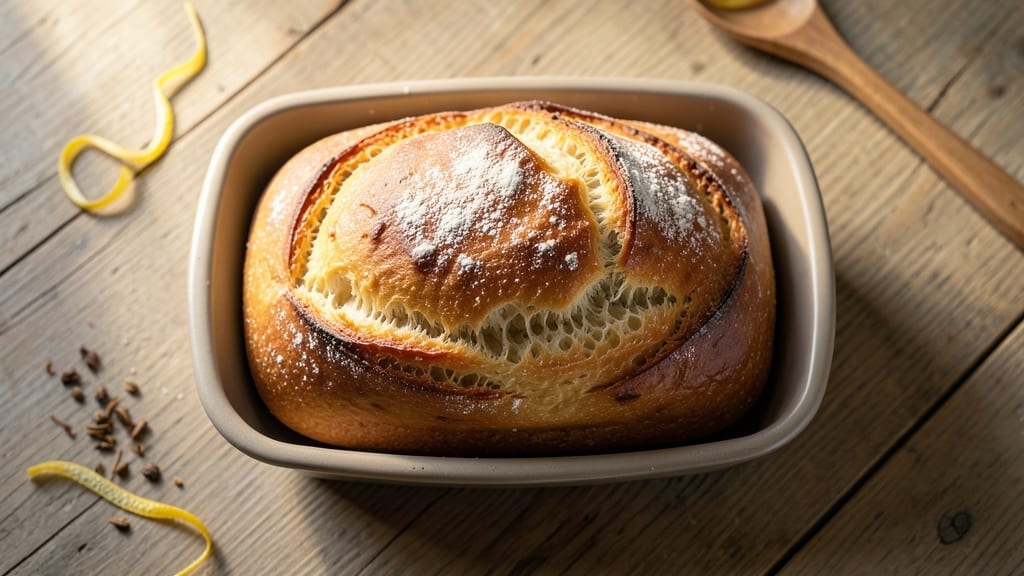
A bread machine 1-pound loaf recipe transforms your kitchen into a bakery with minimal effort—no kneading, no guesswork, just hands-off perfection. This method delivers a crusty exterior and tender crumb in just 3 hours, using simple ingredients and your bread machine’s basic cycle.
The secret lies in precise measurements and the right dough consistency, ensuring every loaf rises beautifully and bakes to golden perfection.
What sets this recipe apart is its foolproof technique for achieving an artisan-style crust without special equipment. The dough develops naturally during the machine’s kneading phase, while the bake cycle creates that coveted crackly top.
Whether you’re a beginner or an experienced baker, this method guarantees consistent results every time—no more dense or gummy loaves.
By the end, you’ll have a crusty, flavorful 1-pound loaf with a satisfying crunch and a soft, airy interior. The aroma alone will have everyone asking for seconds, and the texture holds up perfectly for days.
This recipe is designed for efficiency and quality, making it ideal for busy weeknights or special occasions when you want homemade bread without the hassle.
For customization, adjust the crust color by brushing with water or milk before baking, or add seeds and herbs for extra flavor. The versatility of this method means you can experiment with different flours or mix-ins while keeping the core technique intact. Let’s get started on your perfect loaf!
Ingredients for 1 pound loaf bread machine
Nine simple ingredients transform your bread machine into an artisan bakery in just 3 hours.
| Ingredient | Amount | Notes |
|---|---|---|
| All-Purpose Flour 🌾 | 1 cup | Unbleached preferred for better texture |
| Bread Machine Yeast 🍞 | ¼ tsp | Active dry or instant, not rapid-rise |
| Granulated Sugar 🍚 | ¼ cup | White or light brown sugar |
| Unsalted Butter 🧈 | ¼ cup | Softened to room temperature |
| Whole Milk 🥛 | ½ cup | Room temperature for best activation |
| Large Egg 🥚 | 1 whole | Room temperature for even mixing |
| Salt 🧂 | ½ tsp | Diamond Crystal kosher preferred |
| Olive Oil 🫒 | 1 tbsp | Extra-virgin for brushing crust |
| Water 💧 | ½ cup | Room temperature, not hot |
| Cornmeal 🌽 | 1 tbsp | For dusting baking pan |
Flour is the foundation—King Arthur or Gold Medal brands yield the best texture for artisan-style loaves. If your machine requires a specific flour type, stick with all-purpose for this recipe. The yeast is non-negotiable: use bread machine yeast (not active dry or rapid-rise) for consistent results. Butter must be softened to room temperature—cold butter creates dense pockets in the dough. For the milk, whole milk provides the best flavor and texture, but 2% works in a pinch. The egg binds everything together, so room temperature ensures even incorporation during the machine’s kneading cycle.
No bread machine yeast? Active dry yeast works at half the amount, but timing may vary slightly. Substitute butter with melted coconut oil for a dairy-free option, though texture will differ. Milk shortages? Unsweetened almond milk maintains moisture but may yield a slightly denser crumb. For a softer crust, reduce the olive oil to 1 teaspoon and brush with water instead. The cornmeal is optional but prevents sticking—white rice flour works as a substitute if unavailable. Always measure flour by weight for precision: 1 cup = 4.5 ounces for accurate results.
Freshly baked loaves cool best on a wire rack for 2 hours before slicing to maintain crispness. Store wrapped in a clean kitchen towel at room temperature for 2-3 days or freeze for up to 3 months. For reheating, wrap slices in foil and warm in a 350°F oven for 5 minutes to restore that bakery-fresh crunch. The dough can be shaped into a boule or batard for different crust textures—experiment with the machine’s settings for optimal rise.
Why You’ll Love This Recipe
- No-Knead Magic: I swear by this recipe—just toss the flour, yeast, and milk into the bread machine, and it handles all the heavy lifting. No rolling, no shaping, no mess. The butter and sugar work their way into every bite while you’re doing something else.
- Buttery Soft Crust: That little pat of unsalted butter? It makes all the difference. The crust gets just enough golden color while staying tender enough to tear with your fingers—no sad, tough edges here. Honestly, it’s the kind of bread that disappears faster than I can say “second slice.”
- Weeknight Hero: Between us, this is my go-to for sandwiches, toast, or even French toast. The 1-pound size is perfect for two people—no leftovers taking up space, but enough to feed a small family if you stretch it. (Yes, even on a Tuesday night.)
- Budget-Friendly Staple: A single loaf costs pennies to make, and the ingredients last forever. I keep a bag of flour and a tub of butter on hand just for this—it’s my secret weapon for cheap, delicious meals. Plus, it freezes beautifully if you bake a batch ahead.
Step-by-step instructions for bread machine artisan loaf
Follow this precise sequence for a perfectly textured, crusty loaf with minimal hands-on time.
Combine Wet Ingredients in Bread Pan
In the bread machine pan, whisk together the 0.5 cup whole milk, 0.5 cup water, and 0.25 cup granulated sugar until the sugar dissolves completely. Add the 1 whole large egg and mix thoroughly with a silicone spatula. The mixture should be smooth with no visible streaks.
Next, incorporate the 0.25 cup softened unsalted butter by gently folding it into the wet ingredients. This step is critical for creating a tender crumb. If the butter isn’t softened, melt it first and let it cool slightly before adding. The mixture will appear slightly thickened but still pourable.
Add Dry Ingredients and Yeast
In a separate bowl, sift together the 1 cup all-purpose flour and 0.5 tsp salt to eliminate any lumps. Gradually pour the dry mixture into the bread machine pan while mixing continuously. This prevents gluten development that could make the bread dense.
Make a small well in the center and add the 0.25 tsp bread machine yeast. Gently stir until just combined – you’re looking for a shaggy dough that clings to the sides of the pan. Avoid overmixing at this stage, as it can activate the gluten too early and affect the final texture.
Prepare Machine and Set Cycle
Lightly grease the inside of the bread machine pan with 1 tablespoon olive oil, then sprinkle 1 tablespoon cornmeal evenly over the bottom. This creates a non-stick surface and prevents the bread from sticking during baking. Transfer the dough to the prepared pan.
Select the “Basic White Bread” cycle on your bread machine. For this 1-pound loaf, I recommend using the “Light Crust” setting if available, which creates a slightly thinner, more digestible crust. Insert the pan into the machine and close the lid securely. The machine will automatically begin kneading and mixing.
Monitor and Finish with Olive Oil Brush
After the machine completes its kneading cycle (typically 10-15 minutes), it will automatically begin the baking process. The bread will bake for approximately 2 hours and 30 minutes, during which time you’ll hear the machine go through its various cycles of kneading, rising, and baking.
When the cycle completes and the bread has cooled for 10 minutes, remove it from the pan. Brush the top generously with the remaining olive oil using a pastry brush. This step enhances the crust’s flavor and creates that coveted artisanal appearance. Let the bread cool completely on a wire rack before slicing.
Store and Enjoy for Maximum Freshness
For best results, store the bread in an airtight container at room temperature for up to 3 days. The crust will remain crisp while the interior stays soft. If you need to preserve it longer, wrap the cooled loaf in plastic wrap and freeze for up to 3 months. Thaw at room temperature before serving.
This bread achieves its ideal texture when sliced slightly warm. The interior should reveal an even crumb with no dense pockets, while the crust should be golden brown with slight cracks. Each slice should hold together well without falling apart, indicating proper gluten development during the machine’s kneading cycle.
Pro Tips For Making 1 Pound Loaf Bread Machine
- Melt the Butter First: Toss the cold butter cubes straight into the bread pan with the wet ingredients—no need to soften or melt them first. The machine’s heat will handle it, and you’ll avoid greasy flour clumps that happen when you try to mix it in manually.
- Weigh Your Flour: Scooping flour from the bag always gives you more than you need. Use a kitchen scale for precision—1 pound of flour is not the same as 1 cup, especially when packing it down. Trust me, your loaf’s texture will thank you.
- Skip the Overproofing: That extra 10 minutes in the pan to “let it rise more”? Bad idea. A 1-pound loaf is small—it’ll rise just enough on its own. Overproofing makes it dense and gummy, and you’ll end up with a sad, flat loaf instead of a light one.
- Add a Pinch of Salt: Your recipe might not list it, but a tiny pinch (¼ teaspoon) balances the sweetness from the sugar and makes the yeast work more efficiently. It’s not about flavor—it’s about structure. (Yes, even if the recipe says “no salt.”)
Regional styles of 1 pound loaf bread machine
Classic French Baguette
Transform your bread machine into a Parisian bakery with this adaptation. Use the same base recipe but replace 1 tablespoon of all-purpose flour with 1 tablespoon vital wheat gluten for a chewier texture.
Shape the dough into a long log by hand after the machine’s kneading cycle, then bake in a preheated Dutch oven at 450°F for 20 minutes for that iconic crackly crust. Brush the top with melted butter while hot for extra flavor. 🥖
Italian Ciabatta
For a lighter, airy loaf reminiscent of Italian street markets, reduce the flour to 3/4 cup and add 1/4 cup semolina flour to the dry ingredients. After the machine’s kneading cycle, stretch the dough by hand to create those signature holes.
Bake using the “Crusty Bread” setting, then finish with a sprinkle of coarse sea salt and a brush of garlic-infused olive oil for authentic flavor.
German Pretzel
Create a sweet, soft pretzel-style loaf by adding 1/4 cup malt syrup to the wet ingredients and 1 teaspoon baking soda to the dry mix. After baking, brush the warm loaf with melted butter mixed with coarse salt and a touch of brown sugar.
For extra authenticity, boil the dough in water with 2 tablespoons baking soda for 30 seconds before baking. The result is a caramelized exterior with a soft, chewy interior.
Southern Cornbread
Swap out 1/2 cup of all-purpose flour for 1/2 cup fine cornmeal and reduce the milk to 1/4 cup. Add 1/4 cup shredded cheddar cheese and 1/2 teaspoon baking powder to the dry ingredients.
Bake in a greased loaf pan using the “Quick Bread” setting for a moist, crumbly texture perfect for serving with butter or honey. This version stays fresh for up to 5 days when stored in an airtight container.
Mediterranean Herb Loaf
Infuse your bread with Mediterranean flavors by adding 1 tablespoon dried rosemary, 1 tablespoon dried oregano, and 1 teaspoon garlic powder to the dry ingredients. After baking, brush the top with a mixture of 1/4 cup olive oil and 1 tablespoon lemon zest.
This aromatic variation pairs beautifully with soups, salads, or as a side to grilled meats. Store in a paper bag to maintain freshness for up to 4 days. 🌿
Nutrition facts
Frequently asked questions
Why does my bread machine loaf turn out dense instead of light and airy?
Overmixing the dough or using too much flour are the most common culprits. Always measure flour by weight (4.5 ounces per cup) and mix just until combined—no need to knead by hand. Also, ensure your yeast is fresh (test it in warm water before starting) and that all ingredients are at room temperature. The butter must be softened, not melted!
Can I make this recipe without a bread machine?
Yes! Combine the ingredients by hand, knead for 10 minutes until smooth, then let rise in a greased bowl for 1-2 hours until doubled. Shape into a loaf, bake at 375°F for 30-35 minutes until golden. The texture will be slightly denser but still delicious—just add 5 extra minutes of kneading time for better gluten development.
How do I adjust the recipe for a different-sized loaf?
For a 2-pound loaf, double all ingredients and use a larger pan. For a ½-pound mini loaf, reduce flour to ½ cup, milk to ¼ cup, and yeast to ¼ tsp. Always maintain the same ratio of wet to dry ingredients (about 1:1.5) to prevent density issues. The bread machine’s cycle time may vary slightly with different quantities.
Why does my bread machine loaf stick to the pan?
This usually happens when the pan isn’t properly greased or lacks cornmeal. Always coat the pan with olive oil and sprinkle 1 tbsp cornmeal on the bottom before adding dough. For stubborn sticking, try using a non-stick baking spray or lining the pan with parchment paper (cut to fit). Never force the bread out—let it cool slightly first.
Can I add seeds or nuts to this recipe?
For best results, add 2-3 tbsp seeds/nuts (like sunflower, sesame, or walnuts) to the dry ingredients. Toast them first for 3-5 minutes at 350°F to enhance flavor. Avoid adding too much—excessive mix-ins can make the bread gummy. For a uniform distribution, fold them in by hand after the machine’s kneading cycle completes.

- Baked Potatoes in Crock Pot Recipe: Buttery Interiors and Crispy Top Magic - November 1, 2026
- Braised Beef Short Ribs Recipe: Crock Pot Fall-Off-Bone Magic in 6 Hours - November 1, 2026
- Crock Pot Cocoa Recipe: Velvety Warmth With Hidden Spice Magic - November 1, 2026