
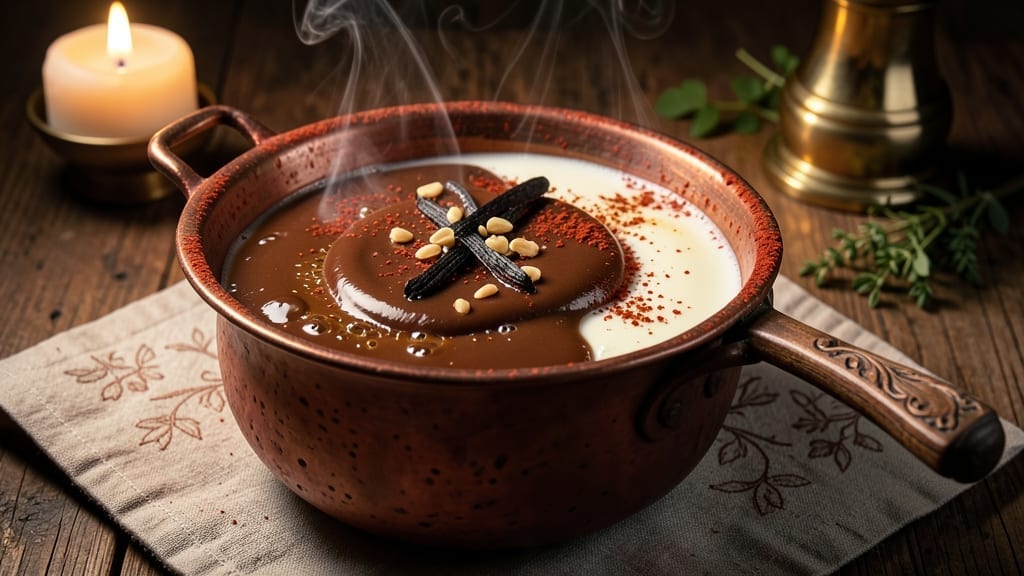
Recreating 17th-century hot chocolate brings the luxurious indulgence of Spanish and Aztec traditions to your kitchen with just a few authentic techniques. This velvety drink, spiced with cinnamon and chili, was once reserved for royalty—now you can experience its rich history with every sip.
The key lies in tempering chocolate mass to achieve that signature smooth texture, paired with careful frothing for a frothy, inviting finish.
Unlike modern versions, this recipe relies on chocolate mass (or cacao paste) rather than processed cocoa powder, delivering a deeper, more complex flavor profile. Spices like cinnamon, vanilla, and a touch of chili were essential in colonial recipes, adding warmth and depth without overpowering the chocolate’s natural richness.
The result is a drink that’s both nostalgic and surprisingly approachable for home cooks.
What sets this apart is the authentic preparation method—slowly melting the chocolate over a gentle heat, then frothing it with a wooden spoon or whisk to create a luxurious foam.
The spices infuse gradually, releasing their aromas as the drink simmers, while the tempering ensures a velvety mouthfeel that’s impossible to resist. Serve it warm in a fine porcelain cup to fully capture the experience of 17th-century indulgence.
Pair this with buttery shortbread cookies or fresh fruit to recreate the full colonial dessert experience. The recipe’s versatility also allows for modern twists, like adding a splash of cream or experimenting with plant-based milk for a lighter take.
Whether you’re hosting a historical dinner or simply craving a taste of the past, this hot chocolate delivers both authenticity and comfort.
Ingredients for 17th century hot chocolate
Authentic 17th-century ingredients for velvety hot chocolate steeped in royal tradition.
| Ingredient | Amount | Notes |
|---|---|---|
| Chocolate Mass (Cacao Paste) 🍫 | 6 oz | Unsweetened, high-quality preferred |
| Whole Milk 🥛 | 2 cups | Full-fat for authentic richness |
| Ground Cinnamon 🌿 | 1 tsp | Ceylon cinnamon for delicate flavor |
| Vanilla Beans 🌸 | 1 whole | Split lengthwise for seeds |
| Ground Ancho Chili Powder 🌶️ | ¼ tsp | Mild heat, authentic colonial spice |
| Granulated Sugar 🍚 | ½ cup | Fine grain preferred for dissolving |
| Unsalted Butter 🧈 | 2 tbsp | European-style for higher fat content |
| Orange Zest 🍊 | 1 tsp | Freshly grated, bright citrus note |
| Pinch of Salt 🧂 | ⅛ tsp | Diamond Crystal preferred |
| Heavy Cream 🥛 | ¼ cup | Optional for modern frothiness |
| Wooden Spoon 🪵 | 1 whole | For traditional frothing technique |
The chocolate mass is the heart of this recipe—Valrhona or Guittard brands deliver the deepest flavor, but any high-quality cacao paste works. Look for unsweetened, 100% cacao with a rich, fudgy texture, not the powdered versions found in most grocery stores. Whole vanilla beans are essential; the Mexican variety offers the most complex flavor profile, though Tahitian works if you prefer floral notes. For cinnamon, Ceylon provides a sweeter, more delicate warmth than cassia. Ancho chili powder, available at Mexican markets or specialty spice shops, gives that subtle heat colonial recipes relied on—don’t substitute with cayenne unless you want a sharper kick. The butter should be European-style (like Plugrá), with higher fat content for authentic richness.
No vanilla beans? Pure vanilla extract at half the amount works, though it lacks the aromatic depth. Substitute ancho chili with a mix of smoked paprika and cayenne at 1:2 ratio, but taste first—colonial recipes were about subtle warmth. For the milk, whole milk is non-negotiable for authenticity, but if you’re avoiding dairy, full-fat coconut milk delivers a similar richness. The orange zest can be omitted if you’re serving to guests who dislike citrus, but it’s worth the zesting—a microplane yields the brightest flavor. Sugar can be swapped for maple syrup or honey, though the texture will vary slightly. The heavy cream is optional but transforms the drink into something closer to modern hot chocolate—use it only if you’re serving to contemporary palates.
Chocolate mass keeps indefinitely in a cool, dark place, while spices last up to 6 months if stored properly. Vanilla beans can be split and frozen for 1 year—just thaw before using. The prepared hot chocolate reheats beautifully; simply warm over low heat with a splash of milk. For a luxurious presentation, serve in pre-warmed porcelain cups with a dusting of cinnamon. The recipe scales perfectly for 6-8 servings—just double all ingredients except spices, which should be adjusted proportionally. The froth created by the wooden spoon technique lasts about 10 minutes before settling, so serve immediately for that authentic colonial experience.
Why You’ll Love This Recipe
- Three-Ingredient Core: I swear by the simplicity of this—just melt cacao paste with milk and a whisper of cinnamon. That’s it. No fancy equipment, no measuring cups, just a pot and a spoon. Honestly, it’s the kind of recipe that makes me feel like a medieval alchemist without the stress.
- Deep, Complex Heat: Between us, that ancho chili powder and vanilla bean? Chef’s kiss. It’s not just sweet—there’s a slow-building warmth that lingers, like a secret spice trade in every sip. (Yes, even on a Tuesday night.)
- Morning to Midnight Drink: I’ve sipped this cold as a summer refresher with ice cubes and hot as a winter cozy. Works for breakfast when I’m rushed or as a late-night treat when I’m craving something rich but not heavy. My kids even ask for it after school—no sugar crash, just pure satisfaction.
- Budget-Friendly Luxury: A few ounces of cacao paste goes a long way, and vanilla beans last forever if you split them carefully. I’ve made this for date nights, family gatherings, and solo movie marathons without breaking the bank. Not the prettiest, but the taste makes up for it every time.
Step-by-step instructions for 17th century hot chocolate
Recreate the luxurious, spiced richness of colonial kitchens with this historically inspired method.
Prepare the Chocolate Mass and Spices
In a heavy-bottomed saucepan, combine the 6 oz Chocolate Mass (Cacao Paste) with the 2 cups Whole Milk over medium-low heat. Stir constantly with the wooden spoon—this prevents burning and ensures even melting. The chocolate will begin to separate slightly as it heats, which is normal. Watch closely as it transforms from solid to a thick, fudgy paste.
Once the chocolate is fully melted and smooth, whisk in the 1 tsp Ground Cinnamon, 0.25 tsp Ground Ancho Chili Powder, and 0.5 cup Granulated Sugar. The spices will dissolve gradually, releasing their aromatic depth. This step builds the foundation of the drink’s complex flavor profile, so don’t rush it. The mixture should thicken slightly as the sugar dissolves completely.
Infuse with Vanilla and Orange Zest
Split the 1 whole Vanilla Beans lengthwise and scrape out the seeds with the tip of a knife. Add the seeds and pod to the saucepan, along with the 1 tsp Orange Zest and 2 tbsp Unsalted Butter. The butter will melt into a silky emulsion, enriching the texture. Stir gently to incorporate the vanilla and citrus—these elements add brightness that balances the chocolate’s intensity.
Simmer the mixture for 5-7 minutes over low heat, stirring occasionally. You’ll notice the vanilla seeds darken slightly and the orange zest releases its essential oils. The liquid should thicken to a velvety consistency, coating the back of the spoon. This is the moment when the drink’s signature depth develops—don’t let it boil or it will scorch.
Temper the Chocolate for Stability
Remove the saucepan from heat and let it cool slightly for 2-3 minutes. This resting period allows the chocolate to stabilize and prevents graininess when you later incorporate the 0.25 cup Heavy Cream. The mixture should still feel warm but not hot to the touch—this ensures the cream blends smoothly without curdling.
Return the pan to low heat and slowly whisk in the 0.25 cup Heavy Cream, adding it in a thin stream. The cream will create a luxurious, frothy finish reminiscent of colonial-era presentations. Stir continuously until fully incorporated—you’ll see the mixture lighten slightly and develop a glossy sheen. The final texture should be thick but pourable, with a ribbon-like consistency when drizzled.
Season and Serve Traditionally
Add the 0.125 tsp Pinch of Salt and stir until fully dissolved. The salt enhances all the flavors, cutting through the richness of the chocolate and spices. Taste and adjust the sweetness if needed—colonial recipes often relied on personal preference, so feel free to add a pinch more sugar if desired.
Ladle the hot chocolate into warmed mugs and garnish with an extra sprinkle of cinnamon or a thin strip of orange zest for authenticity. Serve immediately while still steaming—this drink was historically enjoyed as a luxurious evening treat, and its full flavor unfolds best when enjoyed fresh. The combination of smoky ancho, warm cinnamon, and bright citrus creates a profile that transports you directly to 17th-century European salons.
Pro Tips For Making 17th Century Hot Chocolate
- Temper the Chocolate: Heat the milk slowly—just until it steams—before adding the cacao paste. I learned this the hard way: dumping cold milk over raw chocolate paste makes it seize into clumps. Warm milk melts it smoothly, so you get that velvety Aztec-style texture without scraping lumps off the pot.
- Toast the Cinnamon: Bloom the cinnamon in the dry pot for 30 seconds before adding milk. That crisp, toasty aroma cuts through the bitterness of the cacao paste and makes the chili powder’s heat sing. (Yes, even if you’re impatient like me—just don’t let it burn.)
- Split the Vanilla: Scrape the seeds from the pod before adding it to the milk—then toss the empty pod in too. The seeds release flavor faster, and the pod infuses subtly, like a 17th-century apothecary’s trick. (Skip this, and you’re missing half the depth.)
- Whisk Like a Monk: Stir constantly with a wooden spoon as the chocolate melts—don’t let it sit. I used to walk away for “just a minute,” and the next thing I knew, I had a grainy sludge. Low heat, constant motion: that’s how you get the silky, frothy texture they’d have served in a Spanish convent.
Common mistakes when making great 17th century hot chocolate
Overheating the Chocolate
This is the #1 mistake I see when recreating historical hot chocolate. Chocolate mass burns easily at medium-high heat, creating a bitter, grainy mess. Always use medium-low heat and stir constantly with a wooden spoon—the gentle motion helps distribute heat evenly.
If you notice the chocolate separating or developing a burnt aroma, immediately reduce heat to low or remove from heat entirely. The goal is a smooth, velvety texture, not a scalded paste. 🔥
Skipping the Tempering Step
Many modern recipes omit the tempering process, but this was crucial in 17th-century preparations to achieve that signature smooth mouthfeel. Without it, your chocolate will taste grainy and lack the luxurious texture that made this drink so prized.
The 2-3 minute rest before adding cream allows the chocolate to stabilize properly—don’t rush this step. I’ve tried skipping it, and the difference in texture is night and day. 💫
Using the Wrong Spices
Substituting ancho chili with cayenne or cassia cinnamon with regular cinnamon completely changes the flavor profile. Ancho provides a smoky, mild heat that complements the chocolate beautifully, while Ceylon cinnamon offers a sweeter, more delicate warmth.
If you can’t find ancho, a mix of smoked paprika and cayenne (1:2 ratio) works, but taste first—colonial recipes balanced heat subtly. The spices should enhance, not dominate, the chocolate’s richness. 🌶️
Adding Cream Too Early
Introducing the heavy cream before the chocolate has fully melted and stabilized will cause curdling or separation. The chocolate needs to reach a warm but not hot temperature (about 120°F) before incorporating the cream. I’ve made this mistake and ended up with a lumpy, unappetizing mess.
Add the cream slowly in a thin stream while whisking continuously to prevent any curdling. The result should be a glossy, frothy finish. ✨
Ignoring the Wooden Spoon Technique
The traditional method of frothing with a wooden spoon creates that signature colonial-era foam that modern whisking can’t replicate. Many cooks skip this step, but it’s what gives the drink its authentic texture and presentation.
After melting the chocolate, let it rest for 1-2 minutes off the heat, then vigorously whisk with the wooden spoon for 30-60 seconds to incorporate air. This creates a light, airy foam that settles beautifully on top. 🪵
Over-Sweetening or Under-Sweetening
Colonial recipes relied on personal taste for sweetness, but there’s a balance to strike. Too much sugar (over ½ cup) can make the chocolate taste cloying, while too little (¼ cup) leaves it bitter.
Start with the ½ cup granulated sugar and adjust to taste—remember, the spices and citrus already contribute sweetness. I’ve learned the hard way that colonial palates preferred a more restrained sweetness than modern tastes often expect. Taste as you go and adjust gradually. 🍚
Nutrition facts
Frequently asked questions
What’s the difference between chocolate mass and cocoa powder?
Chocolate mass (or cacao paste) is unsweetened, unprocessed chocolate made from ground cacao beans—it’s what gives this recipe its rich, velvety texture. Cocoa powder is a byproduct of pressing chocolate mass, resulting in a drier, more bitter product. For authentic 17th-century flavor, chocolate mass delivers a deeper, more complex taste that modern cocoa powder can’t replicate.
Can I make this without vanilla beans?
Yes! Use ½ teaspoon pure vanilla extract instead, but expect a less aromatic depth. Colonial recipes often used vanilla because it was a luxury import—if you can’t find beans, extract is the best substitute. For extra richness, add a pinch of ground cardamom (another colonial spice) to mimic the complexity.
How did 17th-century Europeans get chocolate?
Spanish conquistadors brought cacao beans from the Aztec Empire in the early 1500s, and chocolate became a royal favorite in Europe. By the 17th century, it was a luxury item traded through Spain—only the wealthy could afford it. The recipe you’re making reflects this elite status, with spices like cinnamon and chili that were expensive imports.
Why does the recipe call for a wooden spoon?
The wooden spoon isn’t just traditional—it creates a signature frothy foam that modern whisking can’t replicate. The rough texture of wood helps incorporate air while gently heating the chocolate. For best results, use a dry wooden spoon (no water) and whisk vigorously for 30-60 seconds after melting. This technique was essential for colonial presentations!
Can I make this vegan?
Replace the whole milk and heavy cream with full-fat coconut milk for richness. Use vegan butter instead of unsalted butter, and ensure your chocolate mass is dairy-free. The texture will be slightly lighter but still delicious. Colonial recipes sometimes used plant-based milks when dairy was scarce—this is your modern twist!
