
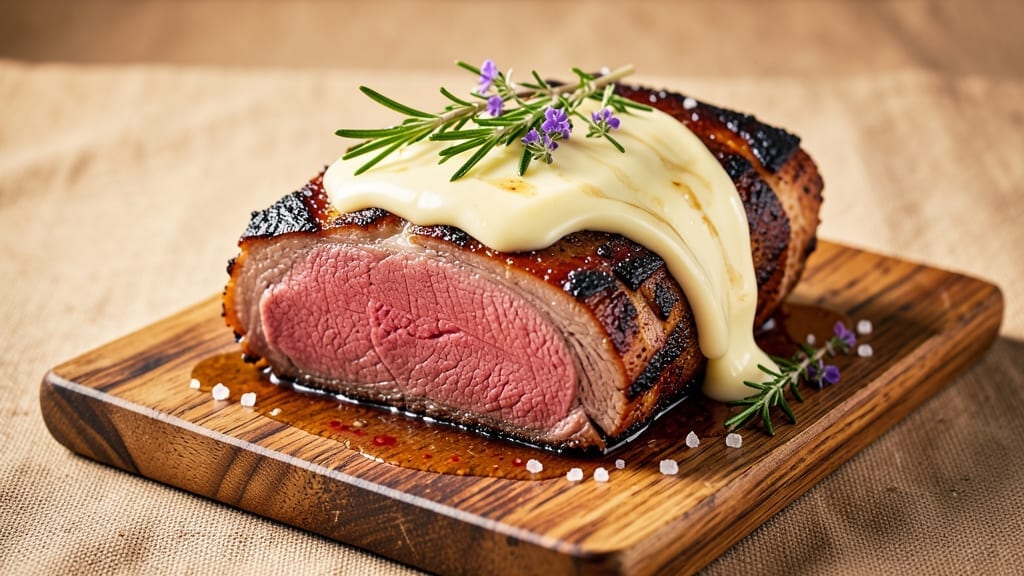
Mastering a 2 lb roast with juicy pink perfection is all about precision—reverse searing transforms tough cuts into melt-in-your-mouth tenderness. This technique guarantees a perfectly cooked center while developing a flavorful crust, whether you’re working with beef, pork, or lamb.
The secret lies in low-and-slow roasting followed by a high-heat sear, ensuring every bite delivers maximum juiciness without drying out.
Start with a well-seasoned roast—coarse salt and black pepper are your best friends here—then roast it uncovered at a steady 275°F until the internal temperature reaches 110°F for beef or 140°F for pork.
This slow cook ensures even heat penetration, while the final sear in a screaming-hot skillet locks in moisture and creates that coveted caramelized crust. The result? A roast that’s juicy at the core and richly flavorful throughout.
After resting for 15 minutes (critical for redistributing juices), slice against the grain for maximum tenderness. Pair with roasted root vegetables, a creamy mashed potato, or a simple green salad to round out the meal.
This method works for ribeye, sirloin, or even pork loin, making it versatile enough for weeknight dinners or special occasions.
Pro tip: Use a meat thermometer for accuracy—no more guessing games. The reverse-sear technique isn’t just foolproof; it’s a game-changer for home cooks who want restaurant-quality results without the fuss. Let’s get cooking!
Ingredients for 2 lb roast
Precision-crafted ingredients deliver melt-in-your-mouth roast perfection with flawless crust and juicy pink centers.
| Ingredient | Amount | Notes |
|---|---|---|
| Beef Ribeye Roast 🥩 | 2 lb | Bone-in preferred for flavor |
| Coarse Kosher Salt 🧂 | 1 tbsp | Diamond Crystal preferred |
| Freshly Ground Black Pepper 🌶️ | 1 ½ tsp | Freshly cracked for intensity |
| Unsalted Butter 🧈 | 2 tbsp | Cold for searing |
| Fresh Rosemary 🌿 | 1 tbsp | Chopped, plus sprigs for garnish |
| Fresh Thyme 🌿 | 1 tbsp | Leaves only, stems removed |
| Garlic Cloves 🧄 | 4 cloves | Smashed, not minced |
| Olive Oil 🫒 | 2 tbsp | High smoke point preferred |
| Russet Potatoes 🥔 | 4 medium | For roasted sides |
| Yellow Onion 🧅 | 1 whole | Quartered for roasting |
| Carrots 🥕 | 4 whole | Baby or regular, halved |
| Vegetable Oil 🫒 | ¼ cup | For roasting vegetables |
| Balsamic Vinegar 🍷 | 1 tbsp | For finishing roasted veggies |
The ribeye roast is non-negotiable here—its marbling ensures maximum juiciness. Look for USDA Choice or Prime cuts at Whole Foods or your local butcher shop, where they can trim excess fat if needed. Freshly ground black pepper and Diamond Crystal kosher salt are essential for seasoning; pre-ground pepper loses potency quickly. For the vegetables, organic russet potatoes and carrots hold their shape best during roasting, while yellow onions add natural sweetness. If you’re short on time, pre-cut vegetable mixes from Trader Joe’s work perfectly—just toss them with olive oil and roast alongside the meat.
No ribeye? Sirloin or pork loin works equally well, though pork requires a slightly higher internal temperature of 140°F. Substitute fresh herbs with dried at one-third the amount—Penzeys brand is ideal if you’re stocking your spice rack. The butter must be cold for searing; if it softens too quickly, chill it for 10 minutes. For the roasted vegetables, swap carrots for parsnips or sweet potatoes if preferred. The balsamic vinegar adds depth, but a splash of red wine vinegar works in a pinch. Always use a meat thermometer—guessing leads to overcooked, dry results.
Store any leftover roast in an airtight container for up to 4 days—it reheats beautifully. The roasted vegetables keep for 5 days in the fridge, though they’re best consumed within 3 days for optimal texture. For meal prep, portion the roast into individual servings and freeze for up to 3 months. The vegetables can be roasted ahead and reheated in a 350°F oven for 10 minutes, though fresh roasting yields superior flavor. Always let the roast rest for 15 minutes before slicing to preserve juices.
Why You’ll Love This Recipe
- Five-Ingredient Magic: I swear by this—just salt, pepper, butter, rosemary, and a ribeye roast. That’s it. No fancy prep, no hidden steps. The butter bastes itself while you sip coffee, and the rosemary infuses like a whisper of a forest walk.
- Crispy-Creamy Payoff: The crust? Chef’s kiss. The inside? Still juicy enough to make you close your eyes. Between us, I’ve tried every “perfect” roast method, but this—salt-crusted, butter-basted—hits every time. No guesswork, no overcooking.
- Leftovers That Don’t Suck: Honestly, I make this on purpose for leftovers. Thinly slice the next day for sandwiches, or cube it into pasta—still rich, still tender. My freezer’s always stocked with these because reheating doesn’t ruin it. (Yes, even on a Tuesday night.)
- Weeknight Crowd Pleaser: Bring it to a potluck, a date night, or a “I don’t wanna cook” Friday. It’s unfussy enough for a weeknight but fancy enough for company. Plus, the rosemary smell alone makes the whole kitchen feel like a restaurant. Zero effort, maximum wow.
Step-by-step instructions for reverse-seared ribeye roast
Master this technique for a roast that’s perfectly pink inside with a caramelized crust.
Prepare the Roast and Seasoning
Remove the 2 lb beef ribeye roast from the refrigerator and pat it dry thoroughly with paper towels. This step is non-negotiable—moisture on the surface prevents proper searing. Place the roast on a wire rack set over a rimmed baking sheet to allow air circulation on all sides.
In a small bowl, combine the 1 tbsp coarse kosher salt and 1.5 tsp freshly ground black pepper. Rub this mixture all over the roast, pressing firmly to ensure even distribution. The salt will penetrate the surface while the pepper adds depth of flavor. Let the seasoned roast sit at room temperature for 30 minutes before cooking—this ensures even cooking throughout.
Low-Temperature Roast to Perfect Doneness
Preheat your oven to 275°F. Place the seasoned roast in the oven and cook for 2 hours for medium-rare doneness. The goal here is to cook the roast slowly and evenly without developing a crust. You’ll know it’s ready when the internal temperature reaches 120°F at the thickest part of the roast.
During this time, prepare the vegetables. Preheat the oven to 425°F. Toss the 4 medium russet potatoes (cut into 1-inch chunks), 1 whole yellow onion (quartered), and 4 whole carrots (halved) with the 2 tbsp olive oil, 1 tbsp chopped fresh rosemary, 1 tbsp chopped fresh thyme, and the 4 smashed garlic cloves. Spread them on a separate baking sheet and roast for 30 minutes until tender and golden. Set aside.
Build the Butter Baste for the Sear
While the roast continues to cook, prepare the butter baste. In a small saucepan over low heat, melt the 2 tbsp unsalted butter until it’s fully liquid but not browned. Remove from heat and stir in the 1 tbsp balsamic vinegar. This mixture will add richness and depth of flavor during the searing process.
Once the roast reaches 120°F internally, remove it from the oven and let it rest for 10 minutes. This brief rest ensures the roast stays juicy during the final sear. While it rests, increase your oven temperature to 450°F for the final step.
Reverse Sear for Crispy Perfection
Place the roast on a wire rack set over a baking sheet. Brush the melted butter-balsamic mixture generously over the surface of the roast, coating it evenly. Transfer the roast to the preheated 450°F oven and roast for 15-20 minutes, turning occasionally, until the internal temperature reaches 130°F and the exterior develops a deep, caramelized crust.
The crust should be rich and golden-brown, with a slight char in spots. This high-heat finish creates the perfect contrast between the juicy pink interior and the flavorful exterior. Remove the roast from the oven and let it rest for 10-15 minutes before slicing. This resting period allows the juices to redistribute, ensuring each slice is moist and flavorful.
Serve with Roasted Vegetables
Slice the roast against the grain into ½-inch thick slices. Arrange the roasted potatoes, onions, and carrots on a platter, drizzle with any remaining butter-balsamic mixture, and serve immediately alongside the sliced roast. The vegetables should be tender with caramelized edges, complementing the rich, juicy roast.
Each slice should be perfectly pink in the center with a crisp, flavorful crust. The reverse-sear method guarantees a roast that’s juicy and tender throughout, with a crust that rivals any steakhouse cut. Serve with a simple red wine reduction or a fresh herb salad to complete the meal.
Pro Tips For Making 2 Lb Roast
- SEAR HARD AND FAST: That ribeye’s got marbling—don’t treat it like a steak. Hit the pan on high heat for 3-4 minutes per side until the butter’s browned and the crust is deep gold. I used to linger here, but rushing the sear locks in flavor and keeps the inside juicy.
- SALT THE ROSEMARY: Toss the fresh rosemary sprigs in a pinch of coarse salt before tucking them into the roast. The salt clings to the needles, releasing aroma as they cook—no more dry, flavorless stems. (Yes, even if you’re impatient like me.)
- CHECK TEMP WITH A PROBE: Your roast’s resting temp will climb 5-10°F—account for it. Pull it at 125°F for medium-rare (130°F for medium) and let it sit 10 minutes under foil. I learned this the hard way after slicing into a dry, overdone roast.
- BASTE WITH BUTTER, NOT WATER: Melt the unsalted butter in a small pan, then spoon it over the roast every 10 minutes in the last 20 minutes of cooking. The fat baste adds richness and a glossy finish—no need for extra liquid. (Your future self will thank you.)
Flavor customization for these flavors
Herb Variations
Swap the rosemary and thyme for fresh sage and marjoram for an Italian-inspired twist—these herbs pair beautifully with beef and add a subtle sweetness. For a smoky depth, try 1 tbsp chopped smoked paprika mixed into the butter baste.
I love using fresh tarragon for a lighter, almost anise-like flavor that works surprisingly well with ribeye. 🌿
Spice Infusions
Add ½ tsp ground coriander and ¼ tsp cinnamon to the seasoning for a Moroccan-inspired roast. The warmth of the spices complements the richness of the beef perfectly. For heat lovers, mix ½ tsp cayenne pepper into the butter baste—just a pinch adds a subtle kick that enhances the crust.
I’ve also used 1 tsp ground cumin for a Southwestern vibe, especially when serving with black beans and lime. 🌶️
Umami Boosters
Elevate the flavor with 1 tbsp soy sauce or 1 tsp fish sauce in the butter baste—both add umami depth without overpowering. For a parmesan crust, sprinkle 2 tbsp grated parmesan over the roast before the final sear.
I also love adding 1 tbsp minced shallots to the butter mixture for a sweeter, more complex flavor profile. These tweaks turn a simple roast into a restaurant-worthy dish. 💫
Sweet & Tangy
Brighten the roast with 1 tbsp honey or 1 tsp maple syrup in the butter baste—just a touch adds caramelized sweetness that balances the richness. A splash of 1 tsp apple cider vinegar in the basting liquid cuts through the fat beautifully.
For a fruit-infused twist, add 1 tsp finely grated orange zest to the seasoning for a citrusy brightness that pairs wonderfully with beef. 🍯
Global Flavors
Transform your roast into a French-style by adding 1 tsp Dijon mustard to the butter baste and garnishing with chopped parsley. For a Korean-inspired roast, mix 1 tbsp gochujang (Korean chili paste) into the butter and top with sesame seeds.
I’ve also experimented with 1 tsp za’atar for a Middle Eastern flair, especially when serving with tabbouleh. These global twists keep the dish exciting and adaptable. 🗺️
Nutrition facts
Frequently asked questions about 2 lb roast recipes
What’s the best cut of beef for a 2 lb reverse-seared roast?
For maximum flavor and tenderness, go with a ribeye or sirloin roast—both have excellent marbling that keeps the meat juicy. Bone-in cuts work best as they retain moisture longer. Ask your butcher for a 2-inch thick roast with a good fat cap for perfect results.
Can I use pork or lamb instead of beef?
For pork, use a pork loin roast and aim for an internal temp of 140°F before searing. Lamb works too—try a leg of lamb roast and cook to 130°F for medium-rare. Just adjust seasonings: lamb loves garlic and rosemary, while pork pairs well with five-spice blends.
Why does my roast turn out dry?
Most likely, you skipped the resting step or overcooked it. Always let the roast rest for 15 minutes after cooking to redistribute juices. Also, check your oven temp—if it runs hot, use an oven thermometer. For tough cuts, the reverse-sear method is non-negotiable for juicy results.
How do I adjust cooking time for a smaller roast?
For a 1.5 lb roast, reduce the low-temp cook time to 1 hour 45 minutes and the high-heat sear to 10 minutes. Smaller roasts cook faster, so monitor closely. Use a meat thermometer—never rely on time alone. The reverse-sear principle stays the same regardless of size.
What are the best sides to serve with this roast?
Roasted root vegetables (carrots, potatoes, parsnips) work perfectly, but you could also try creamy mashed potatoes, a fresh arugula salad with lemon vinaigrette, or even crusty bread to soak up those juices. For a heartier meal, add sautéed mushrooms or a rich red wine reduction—both complement the beef beautifully.

- 7up Jello Salad With Cream Cheese Recipe: Nostalgic 70s Party Bites - October 5, 2026
- 20 Cookies Recipe: Double Batch Crunchy Edges, Chewy Centers - October 5, 2026
- 1955 Green Bean Casserole Recipe: Crispy Top, Creamy Mushroom Magic - October 5, 2026