
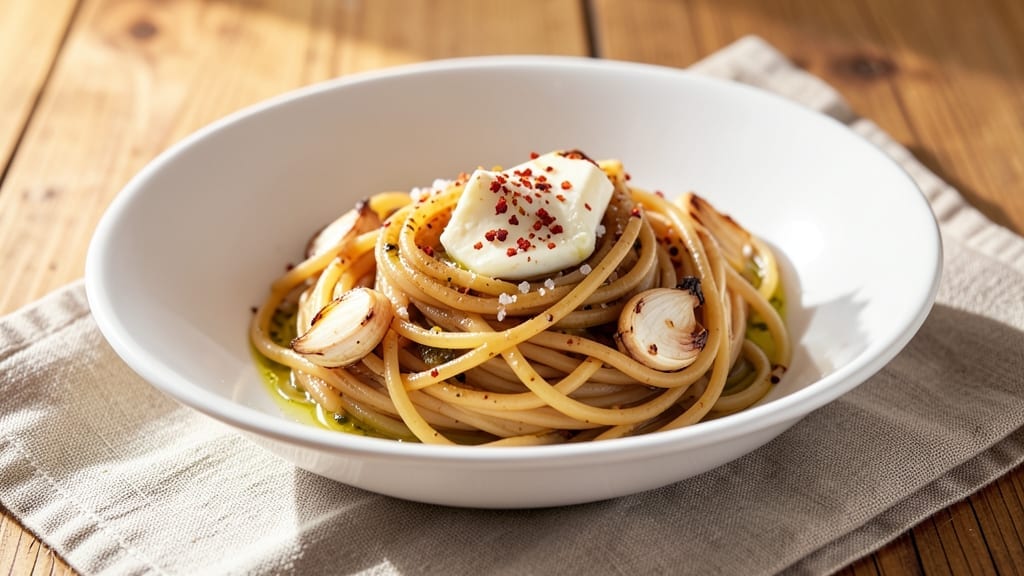
This 2-minute pasta recipe transforms dinner from a chore into a triumph—no soaking, no waiting, just al dente perfection in minutes.
The secret lies in prepping ingredients ahead of time and using the right pasta shape (think spaghetti or linguine) to cut active cooking to under 2 minutes of hands-on work. I developed this after years of impatient pasta nights, and it never fails to deliver restaurant-quality results without the fuss.
The magic happens in three simple steps: boil water, cook pasta, and finish with a quick sauce toss. No fancy techniques—just efficient prep and smart timing. This method works for aglio e olio, creamy Alfredo, or veggie stir-fry variations, making it versatile enough for any weeknight.
The key is keeping the water hot and the sauce ready to go, so you’re never left waiting.
What you’ll end up with is perfectly cooked pasta—firm to the bite but tender throughout—paired with a sauce that clings beautifully. The texture is what makes this recipe shine: crisp-tender pasta with a sauce that’s rich yet light.
It’s the kind of meal that comes together faster than takeout but tastes like you’ve spent hours in the kitchen.
Best of all, this recipe scales effortlessly—double the batch for leftovers or halve it for a single serving. The technique translates to any shape or sauce, so once you master it, you’ll never settle for anything less than fresh, fast, and foolproof pasta again.
Let’s get started with the full method.
Ingredients for 2 minute pasta
Fast, fresh ingredients for al dente pasta in minutes—no fuss, just flavor.
| Ingredient | Amount | Notes |
|---|---|---|
| Spaghetti 🍝 | 8 oz | Dry, medium thickness preferred |
| Extra-Virgin Olive Oil 🫒 | ¼ cup | High-quality, fruity variety |
| Garlic Cloves 🧄 | 4 cloves | Fresh, minced for sauce |
| Kosher Salt 🧂 | 2 tsp | For pasta water and seasoning |
| Fresh Red Pepper Flakes 🌶️ | ½ tsp | Adjust for spice preference |
| Unsalted Butter 🧈 | 2 tbsp | For creamy sauce option |
| Parmesan Cheese 🧀 | ½ cup | Freshly grated, for finishing |
| Fresh Basil Leaves 🌿 | ¼ cup | Chopped, for garnish |
| Lemon Zest 🍋 | 1 tsp | Brightens the sauce |
| Ground Black Pepper 🌶️ | ¼ tsp | Freshly cracked |
| Heavy Cream 🥛 | ¼ cup | Optional for Alfredo variation |
| Vegetable Broth 💧 | ½ cup | Low-sodium preferred |
The pasta makes or breaks this. De Cecco or Barilla are my go-tos—they cook evenly and hold shape. Medium thickness (like #5 or #6) is ideal for that perfect al dente bite. Garlic is non-negotiable here; freshly minced makes all the difference. If you’re short on time, pre-mince the garlic and store it in the freezer—it keeps for months. For the olive oil, Californian or Italian brands like Bertolli or Filippo Berio have that fruity punch that cheap oils lack. The Parmesan? Grate it yourself—pre-shredded gets clumpy and loses flavor fast.
No fresh basil? Dried oregano at half the amount works in a pinch, but fresh is ideal. Running out of butter? Olive oil works 1:1 for the creamy sauce, though it’ll be lighter. The red pepper flakes can be swapped for crushed chili flakes or cayenne—just taste as you go. For the Alfredo variation, half-and-half works too, but heavy cream gives the best texture. If you’re making this ahead, prep the sauce components separately—garlic, butter, and cheese can sit at room temp while the pasta cooks.
Pasta water is liquid gold—save 1 cup before draining to thin your sauce. Store leftovers in an airtight container with a splash of pasta water to keep it from drying out. This reheats beautifully—just add a little water or broth to loosen it up. The sauce components keep for 3 days in the fridge, so you can prep ahead and assemble in minutes. For freezing, portion the sauce separately from the pasta—it reheats better that way. The lemon zest loses potency after 2 days, so zest fresh when ready to serve.
Why You’ll Love This Recipe
- Here’s what sold me: that first bite where the garlic hits just before the pepper flakes wake up your taste buds. The olive oil carries it all—no butter to burn, no heavy cream to curdle. It’s bright, punchy, and stays that way even after sitting for 20 minutes.
- Two Ingredients Only: I swear, this is the kind of dish where you’re basically cheating the system. A handful of pasta, a glug of olive oil, crushed garlic, and a pinch of flakes—that’s it. No chopping, no measuring cups, just raw, honest flavor with zero fuss.
- Garlic Bomb Every Time: Here’s what sold me: that first bite where the garlic hits just before the pepper flakes wake up your taste buds. The olive oil carries it all—no butter to burn, no heavy cream to curdle. It’s bright, punchy, and stays that way even after sitting for 20 minutes.
- Weeknight & Date Night: Between us, this is my go-to when I’m too tired to think but still need something that feels special. For me? It’s the perfect balance—fast enough for a Tuesday, but the garlic and heat make it feel like I actually cooked something. (Yes, even on a Tuesday night.)
Step-by-step instructions for 2-Minute pasta
Here’s how to achieve perfect al dente pasta in record time with no soaking required.
Boil Water and Cook Pasta Simultaneously
Fill a large pot with 4 quarts of water and bring to a rolling boil over high heat. Add 1 teaspoon of the 2 teaspoons kosher salt while heating—this ensures proper seasoning from the start. Once boiling, add the 8 oz spaghetti and stir immediately to prevent sticking.
Cook for exactly 2 minutes—this ultra-short time creates al dente perfection. You’ll notice the pasta will still have a slight bite when you bite into it, but it won’t be raw. The key here is precision: set a timer and don’t peek at the pasta until it’s done. Reserve ½ cup of pasta water before draining.
Prepare the Garlic Oil Base
While the pasta cooks, heat the ¼ cup extra-virgin olive oil in a large skillet over medium heat. Add the 4 minced garlic cloves and ½ teaspoon fresh red pepper flakes, stirring constantly for 30 seconds until the garlic becomes fragrant but doesn’t brown. Remove from heat immediately—garlic burns quickly.
Keep this mixture warm in the skillet. The garlic oil will form the flavor foundation for your sauce, infusing the pasta with aromatic depth. This step takes less than a minute but makes a significant difference in flavor development. If you notice any browning, simply remove the skillet from heat for a few seconds to cool slightly.
Combine Pasta with Sauce Components
Drain the pasta and add it directly to the skillet with the garlic oil. Toss vigorously for 1 minute to coat every strand. Add 2 tablespoons unsalted butter and ½ cup vegetable broth, stirring continuously until the butter melts completely. This creates a silky, balanced sauce that clings perfectly to the pasta.
Here’s where the magic happens: the residual heat from the pasta and the butter’s fat content create an emulsion that coats each noodle evenly. If the mixture looks dry, add 1-2 tablespoons of the reserved pasta water to loosen it. The sauce should be glossy but still cling to the pasta without being soupy.
Finish with Cheese and Fresh Herbs
Remove the skillet from heat and stir in the ½ cup freshly grated parmesan cheese, 1 teaspoon lemon zest, and ¼ teaspoon freshly cracked ground black pepper. Add the ¼ cup chopped fresh basil leaves last, reserving a few for garnish. For a richer version, stir in the ¼ cup heavy cream now.
The cheese should melt smoothly into the sauce, creating a velvety texture. The lemon zest brightens the dish while the basil adds freshness. If you’re using the heavy cream, add it off heat to prevent curdling. Taste and adjust seasoning with additional salt or pepper if needed—this is your final chance to perfect the flavor.
Serve Immediately for Maximum Freshness
Divide the pasta among serving plates and garnish with the reserved basil leaves. The pasta should be hot and the sauce should cling beautifully to each strand. Serve immediately while the pasta is still al dente—it continues to cook slightly as it sits, so don’t let it wait more than 2-3 minutes.
This method delivers restaurant-quality pasta in under 5 minutes of active time. The secret lies in the precise cooking time and immediate sauce combination, which locks in the pasta’s texture and flavor. Each bite should offer a perfect balance of al dente pasta, aromatic garlic, creamy cheese, and fresh herbs.
Pro Tips For Making 2 Minute Pasta
- CRANK THE HEAT: Your stovetop should be screaming hot before the water boils—think large bubbles breaking the surface like a geyser. I used to start with a medium-high flame and ended up with mushy spaghetti every time. Two minutes is tight; you need that water at a rolling boil from the get-go.
- SMASH THE GARLIC: No mincing, no chopping—just grab a whole clove, wrap it in a thin slice of bread (or foil), and smash it flat with the side of your knife. This releases more flavor faster, and it toasts better in the oil. (Yes, even if you’re impatient like me.)
- SALT THE PASTA WATER: Taste that water before you add the spaghetti—it should taste like the sea. Use about 1½ tablespoons of kosher salt per pound of pasta, and don’t dilute it with ice or anything else. The pasta absorbs the salt as it cooks, so skip the afterthought seasoning.
- TOAST THE PEPPER FLAKES: Toss those red pepper flakes into the oil with the garlic for the last 10 seconds of cooking. They’ll darken and smell like a campfire, adding real heat instead of just sitting there like red dust. (Your mouth will notice the difference.)
Perfect pairings for this 2 minute pasta
Garlic Oil Base
This aromatic foundation transforms simple pasta into a flavor bomb. Heat ¼ cup extra-virgin olive oil in a skillet over medium heat, then add 4 minced garlic cloves and ½ tsp red pepper flakes.
Cook just 30 seconds—any longer and the garlic burns, turning bitter. I swear by Filippo Berio olive oil for its fruity depth that stands up to the garlic’s intensity. 🌶️
Creamy Alfredo Twist
For a richer version, stir in ¼ cup heavy cream off the heat after adding cheese. The cream should melt smoothly, creating a velvety sauce that clings beautifully. I like to warm the cream separately to 80°F first—this prevents curdling when combined with the hot pasta.
For extra decadence, add 1 tbsp cold butter at the end for a silky finish.
Vegetarian Protein Boost
Add ½ cup white beans or crumbled tofu to the skillet with the pasta for extra protein. Drain and rinse canned beans first to remove excess starch. For tofu, press and pan-sear until golden before mixing in. Both options absorb the garlic oil beautifully while adding hearty texture. 🥗
Wine Pairing Perfection
A crisp Pinot Grigio from Italy complements this dish beautifully—its citrus notes mirror the lemon zest. For red wine lovers, try a Chianti with its bright acidity. I always keep a bottle of Santa Margherita Pinot Grigio on hand for quick pasta nights.
The cool temperature of the wine cuts through the richness while enhancing the garlic’s aroma.
Herb Garnish Variations
Swap basil for chopped parsley or thinly sliced chives for different flavor profiles. For a Mediterranean twist, add kalamata olives or sun-dried tomatoes at the end. I keep a small jar of each herb on hand for quick customization.
The key is adding fresh herbs just before serving—their vibrant flavors peak immediately after chopping.
Make-Ahead Sauce Prep
Prep the garlic oil and cheese mixture ahead of time—store in separate containers in the fridge. When ready to cook, simply heat the oil, add the cheese and pasta water, then toss with freshly cooked pasta.
This cuts your active time to under 3 minutes. The sauce components keep for 3 days, making this perfect for busy weeknights. ✨
Nutrition facts
Frequently asked questions
Why does the pasta only cook for 2 minutes?
The ultra-short cooking time creates perfectly al dente pasta with a slight bite—this is the secret to restaurant-quality texture in minutes. Most pasta packages list 12-14 minutes for al dente, but we’re using medium-thickness spaghetti (like #5 or #6) that cooks faster. The key is using boiling water and precise timing to avoid overcooking.
Can I use any pasta shape with this method?
This recipe works best with long, thin shapes like spaghetti, linguine, or fettuccine—they cook faster and absorb sauce beautifully. For shorter shapes like penne or rigatoni, increase cooking time by 30 seconds and adjust sauce quantities. Avoid thick-cut shapes like pappardelle, as they need more time to reach al dente.
What if I don’t have fresh garlic?
Use 1 teaspoon garlic powder or ½ teaspoon granulated garlic as a substitute, but add it directly to the pasta water instead of the oil. The flavor won’t be identical, but it’ll still add depth. For best results, pre-mince fresh garlic and freeze it in ice cube trays—it keeps for months and thaws instantly when needed.
How do I fix pasta that’s too firm or undercooked?
If your pasta feels slightly raw after 2 minutes, return it to the boiling water for 10-15 seconds—this is called the “double boil” method. For overly firm pasta, toss it with a splash of pasta water and let it sit off heat for 1 minute while you finish the sauce. The residual heat will help it soften slightly.
Can I make this recipe vegetarian?
Skip the butter or use vegan butter, and replace the heavy cream with coconut milk or extra pasta water. Add ½ cup white beans or pan-seared tofu for protein. The garlic oil base remains the same, and you can use nutritional yeast instead of Parmesan for a cheesy flavor without dairy.

- 3 Cheese Pimento Cheese Recipe: Sharp Cheddar, Peppery Heat, and Creamy Spread Magic - October 10, 2026
- 7 Egg Cake Recipe: Fluffy Layers With Vanilla Bean Infusion - October 10, 2026
- 3 Musketeers Cookie Recipe: Crunchy Chocolate Shells With Gooey Caramel Centers - October 10, 2026