
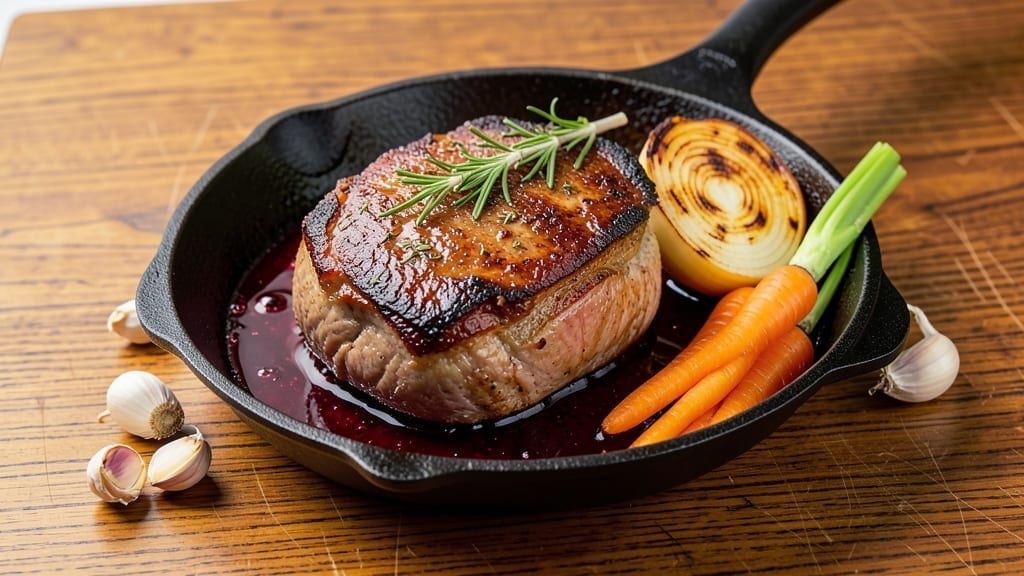
A 2-pound shoulder roast transformed into fork-tender perfection is what separates a good meal from an unforgettable one. This recipe unlocks the secret to meltingly soft beef with a rich, caramelized crust—no guesswork, just precise technique.
The slow-braising method breaks down tough fibers while building deep, savory flavors that make every bite irresistible.
What sets this method apart is the low-and-slow approach, where the roast cooks gently in its own juices for hours until the meat practically falls apart.
A simple salt-and-pepper rub starts the flavor foundation, but the real magic happens in the oven as the natural fats render and create a glossy, aromatic sauce. This isn’t just dinner—it’s a centerpiece that commands attention and delivers satisfaction.
The result is beef so tender it shreds easily, with a surface crust that’s rich and slightly caramelized. The aroma alone will have everyone gathering at the table, and the first bite proves why slow-cooked roasts are worth the wait.
Serve with roasted potatoes or crusty bread to soak up every last drop of that flavorful pan sauce.
Perfect for family dinners, holiday gatherings, or when you want to impress without spending hours in the kitchen. The key is patience—letting time work its magic while you handle the easy prep. Let’s get started on a roast that will have everyone asking for seconds.
Ingredients for 2 pound shoulder roast
Simple ingredients that transform into melt-in-your-mouth beef perfection with hours of slow cooking.
| Ingredient | Amount | Notes |
|---|---|---|
| Beef Shoulder Roast 🥩 | 2 lb | Bone-in, well-marbled cut |
| Yellow Onion 🧅 | 1 whole | Medium size, peeled |
| Garlic Cloves 🧄 | 6 cloves | Peeled, smashed slightly |
| Carrots 🥕 | 3 whole | Medium size, peeled |
| Beef Broth 💧 | 2 cups | Low-sodium preferred |
| Red Wine 🍷 | 1 cup | Dry, bold variety |
| Fresh Thyme 🌿 | ¼ cup | Leaves only, chopped |
| Fresh Rosemary 🌿 | ¼ cup | Leaves only, chopped |
| Olive Oil 🫒 | 2 tbsp | Extra-virgin preferred |
| Kosher Salt 🧂 | 1 ½ tbsp | Plus extra for seasoning |
| Ground Black Pepper 🌶️ | 1 tbsp | Freshly cracked |
| Tomato Paste 🍅 | 2 tbsp | Smooth, not chunky |
| Balsamic Vinegar 🍶 | 1 tbsp | For depth of flavor |
The beef shoulder is the star here—look for a cut with good marbling and a deep red color. Costco or Whole Foods typically carry excellent options, but any well-stocked grocery store’s butcher section will have quality choices. If you’re buying a whole shoulder, trim any excess fat to about 1/4-inch thickness—this helps render flavor without greasiness. The onions and carrots should be firm and free of soft spots; organic varieties have better flavor but aren’t mandatory. For the herbs, fresh is ideal but dried thyme and rosemary work at half the amount if that’s what you have on hand.
No red wine? Substitute with beef broth plus 1 tbsp balsamic vinegar—it adds that same depth. The tomato paste can be skipped entirely if you prefer, though it adds a subtle sweetness that balances the richness. For the broth, low-sodium versions prevent over-salting, but adjust seasoning at the end if needed. If you’re short on time, pre-minced garlic from a jar works fine, though fresh has superior flavor. The olive oil should be extra-virgin—it makes a noticeable difference in the final sauce’s richness.
This roast develops deeper flavor the longer it cooks, so don’t rush it. Once finished, let it rest for 15-20 minutes before shredding—this keeps the meat juicy. Store leftovers in an airtight container for up to 5 days in the fridge, or freeze portions for 3 months. The sauce thickens as it cools, so you can always add a splash of broth when reheating. For meal prep, portion the beef and sauce separately—they reheat beautifully and taste even better the next day.
Why You’ll Love This Recipe
- One-Pan Magic: I swear by this recipe because it’s that simple—just toss the roast, onions, carrots, and garlic into one pot with broth, then let it slow-cook. No flipping, no fussing, no extra dishes. Honestly, I’ve made it while chatting on the phone.
- Deep, Rich Satisfaction: That beef broth and garlic? They work their flavor magic, turning tough roast into melt-in-your-mouth perfection. The carrots caramelize just enough to add natural sweetness, and the onions? They’re so tender they practically dissolve. (Yes, even on a Tuesday night.)
- Leftovers That Don’t Suck: This recipe practically begs for seconds—and thirds. The roast stays juicy for days, and I’ve repurposed it into sandwiches, tacos, and even a quick stir-fry. Between us, my kids fight over the scraps.
- Budget-Friendly Feast: A 2-pound roast stretches further than you’d think, especially when paired with cheap veggies and broth. It’s my go-to for feeding a crowd without breaking the bank, and the flavor? Ridiculously good for the price. Solid win.
Step-by-step instructions for slow-braised beef shoulder roast
This method transforms tough beef into melt-in-your-mouth perfection through patience and technique.
Sear the Beef Shoulder Roast for Deep Flavor
Heat 2 tablespoons olive oil in a heavy Dutch oven over medium-high heat until shimmering. Pat the 2 lb beef shoulder roast completely dry with paper towels—this ensures maximum browning. Place the roast in the pot, fat-side down, and sear undisturbed for 8-10 minutes until deeply browned on one side.
Flip the roast and repeat on the second side. The goal is to develop a rich, caramelized crust that forms the flavor foundation. If the oil starts smoking excessively, reduce heat slightly but maintain a steady sizzle. Remove the roast and set aside temporarily—it will continue cooking in the braise.
Build the Aromatic Base with Onions, Garlic, and Herbs
In the same Dutch oven, add the 1 whole yellow onion cut into wedges, 3 whole carrots cut into chunks, and 6 cloves garlic cloves smashed slightly. Cook for 5-6 minutes until the vegetables soften and begin to caramelize, stirring occasionally. This step develops sweetness that balances the richness of the meat.
Add 2 tablespoons tomato paste and stir for 1 minute until it darkens slightly. This paste adds depth and helps thicken the braising liquid. Sprinkle in 1.5 tablespoons kosher salt and 1 tablespoon ground black pepper, then add 0.25 cup fresh thyme and 0.25 cup fresh rosemary. Stir everything together, scraping up any browned bits from the bottom of the pot—these contain concentrated flavor.
Deglaze and Braise with Wine and Broth
Pour in the 1 cup red wine and scrape the bottom of the pot vigorously with a wooden spoon to release all the fond. Let it simmer for 3-4 minutes until the wine reduces by half and its alcohol burns off. This step is crucial—it eliminates harsh alcohol flavors and concentrates the wine’s depth.
Add the 2 cups beef broth and 1 tablespoon balsamic vinegar, then return the beef shoulder roast to the pot. Bring everything to a gentle simmer, then reduce heat to low. Cover the pot and transfer it to a 300°F oven. The liquid should come about halfway up the roast—if not, add a splash of water or broth.
Braise Until Fork-Tender (Low and Slow)
Cook the roast for 3-4 hours until the meat is fork-tender. The key here is patience—the slow cooking breaks down tough connective tissue into gelatin, creating that signature melt-in-your-mouth texture. Check the internal temperature periodically after 2 hours—it should reach 195-205°F when fully tender.
About 30 minutes before the roast is done, uncover the pot and increase oven temperature to 350°F to thicken the sauce slightly. The vegetables should be tender but still holding their shape. If the sauce becomes too thin, remove the roast and reduce it on the stovetop for 5-10 minutes before returning the meat to the pot.
Rest and Serve with Perfectly Integrated Sauce
Remove the roast from the pot and transfer it to a cutting board. Tent loosely with aluminum foil and let it rest for 15-20 minutes. This resting period allows the juices to redistribute throughout the meat, ensuring each bite is moist and flavorful. During this time, skim any excess fat from the braising liquid and adjust the seasoning if needed.
Slice the beef shoulder roast against the grain into ¼-inch thick slices. Spoon the vegetables and sauce over the top, then serve immediately. The result should be fork-tender beef with a rich, velvety sauce that clings beautifully to each bite. This method guarantees a restaurant-quality dish at home with minimal effort after the initial sear.
Pro Tips For Making 2 Pound Shoulder Roast
- Sear First, Braise Slow: DESCRIPTION: Hit that shoulder roast with a screaming-hot pan—no crowding the meat—until it’s deep brown in spots. That crust locks in flavor during the braise, and I’ve learned the hard way that skipping this step means bland, stringy beef. (Yes, even if you’re impatient like me.)
- Peel Carrots Halfway: DESCRIPTION: Leave the root end and top inch of carrots unpeeled—they’ll stay crispier and sweeter while braising. I used to peel them all the way, and they turned into mush. This tiny detail keeps them edible and adds texture.
- Deglaze Before Adding Broth: DESCRIPTION: After browning onions and garlic, splash in ¼ cup broth before dumping the rest—scrape up every last bit of stuck-on goodness. That’s where half the flavor hides, and lazy scraping means weak sauce. (Your future self will notice.)
- Rest Under Foil: DESCRIPTION: Pull the roast out of the pot, wrap it in foil, and let it sit for 10 minutes. Skipping this step means dry meat—no matter how long you braise. The residual heat keeps it juicy, and it’s the easiest upgrade you’ll ever make.
Regional styles of 2 pound shoulder roast
Southern-Style Texas
In Texas, shoulder roast becomes a centerpiece for Sunday dinners and barbecue feasts. The key difference? Smoked paprika and a splash of hot sauce—like Cholula—added to the braising liquid for a subtle kick.
Texans also love serving this with cornbread and collard greens—the sweetness of the cornbread cuts through the rich beef beautifully. I’ve found that adding ½ teaspoon smoked paprika to the seasoning rub elevates the flavor profile to match Texas BBQ traditions. 🌶️
Italian-Inspired Braised
Italian cooks transform shoulder roast into a hearty stracotto, where the roast is slow-cooked with white wine, tomato paste, and bay leaves instead of red wine.
Swap the red wine for 1 cup dry white wine—like Pinot Grigio—and add 2 bay leaves—along with 1 sprig fresh parsley at the end for brightness. The result is a lighter, more herbaceous dish that pairs perfectly with polenta or crusty bread.
I’ve made this version for Italian nights and it’s always a crowd-pleaser.
French Classic Braised
French cuisine turns shoulder roast into a bœuf bourguignon-style dish, where the roast is braised with red wine, mushrooms, and lardons—**small cubes of bacon.
Add 8 oz mushrooms—like cremini or button—and 4 oz lardons—to the Dutch oven after searing the roast. Deglaze with 1 cup red wine—like Cabernet Sauvignon—and add 1 sprig thyme—and 1 sprig rosemary—for depth.
Serve with mashed potatoes—or crusty baguette—to soak up the rich sauce. This method adds a luxurious touch to the dish.
Caribbean Jerk-Inspired
For a bold twist, infuse the roast with jerk seasoning—a blend of allspice, scotch bonnet peppers, thyme, and garlic. Rub the roast with 2 tablespoons jerk seasoning—like Badia Jerk Seasoning—before searing.
Use ½ cup coconut milk—instead of wine—in the braising liquid, along with 1 scotch bonnet pepper—for heat. Serve with rice and peas—or plantains—to balance the spicy, smoky flavors.
This version is perfect for a flavor-packed dinner that feels like a vacation. 🌴
German-Style Pot Roast
In Germany, this cut is slow-cooked into a Rindergulasch, where the roast is braised with beer—like Dunkel lager—and carrots—and celery—for a hearty, comforting dish.
Replace the red wine with 1 cup beer—and add 2 celery stalks—chopped—along with the onions and carrots. Serve with buttered egg noodles—or potato dumplings—to complete the meal. The beer adds a malty depth that pairs wonderfully with the tender beef.
This version is ideal for cold weather gatherings.
Nutrition facts
Frequently asked questions
Can I use a bone-in or boneless beef shoulder for this recipe?
A bone-in shoulder roast (like a chuck roast) works perfectly—it adds extra flavor and moisture during braising. However, if you prefer boneless, choose a 2-pound boneless chuck roast instead. The cooking time remains the same, but boneless meat may dry out slightly faster, so monitor the internal temperature closely.
How do I know when the beef is fully tender?
The roast is ready when it reaches an internal temperature of 195-205°F and a fork slides in effortlessly. The meat should also pull apart easily when shredded. For extra confirmation, press your thumb into the thickest part—if it leaves a deep indentation, it’s perfectly tender.
Can I make this recipe in a slow cooker instead of the oven?
Sear the roast first, then transfer everything (including veggies and liquid) to a 6-quart slow cooker. Cook on low for 8 hours or high for 5-6 hours until fork-tender. The slow cooker’s gentle heat works perfectly for this method, and you’ll still get that rich, velvety sauce.
What if my roast isn’t tender after 4 hours?
Don’t panic! If the meat isn’t tender, check the internal temperature—it may need 1-2 more hours at 300°F. For stubborn toughness, shred the meat early, return it to the pot with extra broth, and simmer uncovered for 30-45 minutes to break down remaining fibers. The key is patience—this cut needs time to transform.
How should I store leftovers?
Let the roast cool completely, then store in an airtight container with the sauce. It keeps for 5 days in the fridge or 3 months in the freezer. Reheat gently in a skillet with a splash of broth to restore moisture. The flavors actually improve overnight as the meat continues to tenderize!

- 3 Cheese Pimento Cheese Recipe: Sharp Cheddar, Peppery Heat, and Creamy Spread Magic - October 10, 2026
- 7 Egg Cake Recipe: Fluffy Layers With Vanilla Bean Infusion - October 10, 2026
- 3 Musketeers Cookie Recipe: Crunchy Chocolate Shells With Gooey Caramel Centers - October 10, 2026