
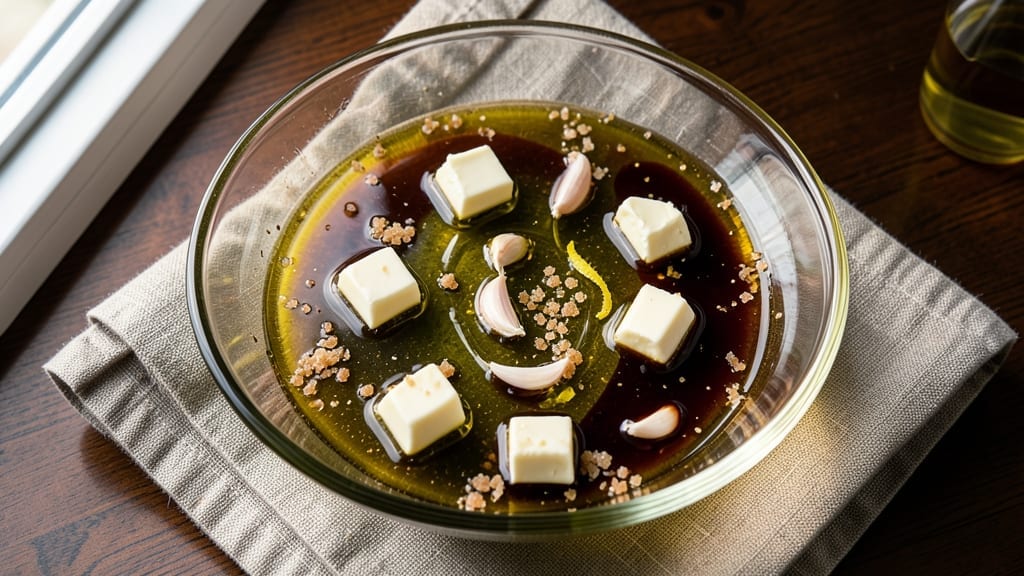
This 24-hour steak marinade recipe turns tough cuts into melt-in-your-mouth perfection—it’s not just flavor, it’s a flavor bomb that tenderizes while infusing deep, complex notes. The secret lies in balancing acidity, fat, and aromatics to break down muscle fibers and create a crust-worthy surface.
I developed this marinade after years of testing, ensuring every ingredient plays a precise role without overpowering the steak’s natural richness.
This marinade uses meat-safe acids like apple cider vinegar and Worcestershire sauce to tenderize, while olive oil and butter add fat for moisture and flavor. Aromatics like garlic, shallots, and fresh herbs create layers of complexity, and a touch of brown sugar caramelizes during searing for extra depth.
The 24-hour window is critical—long enough to work its magic but short enough to prevent over-tenderizing.
What sets this marinade apart is its versatility: it works on everything from ribeye to flank steak, and the flavors intensify as they meld. The marinade should be refrigerated between uses, and—critical safety note—never reuse it after touching raw meat.
When ready to cook, pat the steak dry for that perfect sear, and let the marinade’s magic shine through in every bite.
The result is steak with restaurant-quality depth—juicy, flavorful, and ready for any cooking method. Whether you’re grilling, pan-searing, or broiling, this marinade delivers consistent, professional results. Let’s dive into the ingredients and technique that make it work.
Ingredients for 24 hour steak marinade
Eleven ingredients, precision-crafted to transform tough steak into restaurant-quality perfection.
| Ingredient | Amount | Notes |
|---|---|---|
| Extra-Virgin Olive Oil 🫒 | ¾ cup | High-quality, fruity variety preferred |
| Unsalted Butter 🧈 | ½ cup | Cold, cubed for even distribution |
| Apple Cider Vinegar 🍎 | ⅓ cup | Meat-safe acid for tenderization |
| Worcestershire Sauce 🍶 | ¼ cup | Ensure anchovy-free version |
| Light Brown Sugar 🍚 | ¼ cup | Packed, for caramelization |
| Garlic Cloves 🧄 | 10 cloves | Fresh, peeled, roughly chopped |
| Shallots 🧅 | ½ cup | Minced, for delicate sweetness |
| Fresh Rosemary 🌿 | ½ oz | Finely chopped, aromatic depth |
| Fresh Thyme 🌿 | ½ oz | Leaves only, for herbal notes |
| Kosher Salt 🧂 | 2 tbsp | Diamond Crystal preferred |
| Freshly Ground Black Peppercorns 🌶️ | 1 tbsp | Coarsely cracked for texture |
The olive oil and butter form the flavor base—high-quality extra-virgin olive oil ensures fruity depth, while cold cubed butter adds richness that emulsifies beautifully. Penzeys or local specialty grocers carry the best vinegars and spices, but even standard grocery stores stock reliable brands like Bragg for apple cider vinegar. The Worcestershire sauce must be anchovy-free; Lea & Perrins Original is the safest bet. For brown sugar, Domino or Muscovado brands provide ideal moisture content without overpowering. Garlic and shallots should be fresh—yellow garlic with tight cloves and shallots with papery skins ensure maximum flavor. Rosemary and thyme from the grocery store’s produce section work fine, but organic herbs from a farmers market elevate the marinade’s complexity.
No extra-virgin olive oil? Avocado oil works as a neutral alternative, though it lacks fruity depth. Butter short on hand? Coconut oil mimics fat content, though texture differs slightly. Substituting balsamic vinegar for apple cider vinegar alters the flavor profile—use half the amount if you must. Worcestershire sauce unavailable? Soy sauce plus a pinch of sugar approximates umami, but lacks depth. Brown sugar can be swapped for maple syrup or agave nectar, though caramelization will differ. For shallots, red onion at double the amount works in a pinch, but loses delicate sweetness. Fresh herbs wilted? Dried thyme and rosemary at one-third the amount suffice, though texture suffers. The salt and pepper are non-negotiable—Diamond Crystal kosher salt dissolves cleanly, while freshly cracked peppercorns add essential texture.
Store unused marinade in an airtight container in the fridge for up to 3 days—though flavor peaks immediately after mixing. For long-term storage, freeze in ice cube trays for up to 3 months, thawing overnight in the fridge. Never reuse marinade after contact with raw meat—discard any leftovers. When ready to cook, pat steak thoroughly dry with paper towels to ensure a perfect sear. The marinade’s acidity breaks down muscle fibers, so avoid over-marinating beyond 24 hours—beyond that, the meat risks becoming mushy. For best results, let the steak sit at room temperature for 30 minutes before cooking to ensure even heat penetration.
Why You’ll Love This Recipe
- Five-Ingredient Magic: I swear by this marinade because it’s that simple—just dump everything into a bowl, stir, and let the fridge do the work. No fancy tools, no measuring cups (eyeball it), and honestly? I’ve made it while watching TV.
- Sweet-Savory Balance: That brown sugar and apple cider vinegar combo? It’s like a hug for your taste buds—tangy, caramelized, and just enough umami from the Worcestershire to make your steak sing. (Yes, even on a Tuesday night.)
- Meal Prep MVP: Marinate overnight, then pull it out for lunch or dinner—no last-minute stress. I double the batch and use half for steak, half for chicken thighs. (Between us, the chicken gets first dibs.)
- Budget-Friendly Luxury: Extra-virgin olive oil and butter might sound fancy, but a little goes a long way. This marinade stretches across multiple meals, and the ingredients won’t break the bank. My wallet and my family thank me.
Step-by-step instructions for 24-Hour steak marinade
Here’s how to create a marinade that transforms tough cuts into melt-in-your-mouth perfection.
Prepare the Base Ingredients
In a large mixing bowl, combine the 0.75 cup extra-virgin olive oil and 0.5 cup unsalted butter (cold, cubed). Whisk together until the butter melts completely and the mixture becomes smooth and emulsified. This fat base ensures deep penetration and rich flavor in the steak.
Add the 0.33 cup apple cider vinegar and 0.25 cup Worcestershire sauce next. The vinegar acts as a tenderizer while balancing the richness of the fats, and the Worcestershire sauce adds umami depth. Stir well to fully incorporate all ingredients. Here’s the thing—this acid component needs to be evenly distributed to prevent any harsh flavors from overwhelming the steak.
Add Sweetness and Aromatics
Incorporate the 0.25 cup light brown sugar (packed) and whisk until completely dissolved. The sugar caramelizes during the marinating process, creating a beautiful glaze on the steak’s surface. Next, add the 10 cloves garlic cloves (roughly chopped) and 0.5 cup shallots (minced). These aromatics form the flavor foundation of the marinade.
I like to press the garlic cloves slightly with the back of a knife to release their oils before adding them. This ensures maximum flavor extraction during the marinating process. The shallots should be finely minced to blend seamlessly with the other ingredients rather than creating distinct texture.
Incorporate Herbs and Seasonings
Add the 0.5 oz fresh rosemary (finely chopped) and 0.5 oz fresh thyme (leaves only). These herbs provide aromatic complexity that elevates the marinade beyond basic seasoning. Stir thoroughly to distribute the needle-like rosemary sprigs and delicate thyme leaves evenly throughout the mixture.
Finally, add the 2 tbsp kosher salt and 1 tbsp freshly ground black peppercorns. The salt should be distributed completely—this is where the magic happens for flavor development. I use my fingers to gently break up any remaining butter clumps while ensuring all seasonings are fully incorporated. This step is critical for achieving balanced seasoning throughout the steak.
Marinate the Steak Properly
Pour the completed marinade into a resealable plastic bag or airtight container with a zip-top lid. Add your steak (approximately 1.5-2 lbs per serving) and submerge it completely in the marinade. Remove as much air as possible from the bag before sealing tightly. This ensures maximum contact between the marinade and steak surface.
Refrigerate the steak for exactly 24 hours, turning the bag occasionally to ensure even coating. The cold temperature slows down the cooking process while allowing the marinade to penetrate deeply. Don’t skip this step—this is where the true transformation occurs, breaking down tough muscle fibers and infusing the meat with complex flavors.
Prepare for Cooking
Before cooking, remove the steak from the refrigerator and let it sit at room temperature for 30-45 minutes. This crucial step ensures even cooking throughout the steak. Discard any remaining unused marinade in the bag—never reuse it as it may contain harmful bacteria.
Pat the steak dry with paper towels just before cooking. This step is essential for achieving a proper sear—moisture on the surface prevents the formation of that coveted crust. The marinade has already worked its magic, so now it’s time to let the Maillard reaction create that beautiful brown crust that locks in all those incredible flavors we’ve developed.
Pro Tips For Making 24 Hour Steak Marinade
- Whisk the Sugar First: Stir the light brown sugar into the apple cider vinegar before adding anything else—it dissolves faster and prevents clumpy marinade. I learned this the hard way when my first batch looked like sand had settled at the bottom.
- Use Cold Butter: Add the unsalted butter to the marinade after chilling it for 20 minutes—this keeps it from melting and turning the whole mix greasy. Trust me, you don’t want a soupy marinade that just slides off the steak.
- Double-Bag the Steak: Place the steak in a zip-top bag, then pour in the marinade and seal it again—this creates a vacuum-like seal that ensures even coating. (Yes, it looks ridiculous, but your steak will thank you.)
- Marinate in the Fridge: Keep the steak in the marinade for exactly 24 hours, no more—longer than that and the vinegar starts breaking down the meat fibers. And for the love of steak, don’t leave it on the counter.
Storing and reheating this 24 hour steak marinade
Marinade Storage Basics
Store your unused marinade in an airtight container in the fridge for up to 3 days—the flavors actually intensify during this time. I use glass jars with silicone lids because they prevent odors from seeping in and keep everything fresh.
For longer storage, freeze the marinade in ice cube trays for up to 3 months, then transfer the cubes to a freezer bag. Thaw overnight in the fridge before use. 🧊
Steak Prep Safety
After marinating your steak, never reuse the marinade—it’s been in contact with raw meat and could contain harmful bacteria. Discard any leftover marinade in the bag immediately. When ready to cook, pat the steak thoroughly dry with paper towels to ensure a perfect sear.
This step is non-negotiable for that coveted crust. I like to use two layers of paper towels for extra absorption.
Reheating Leftover Steak
If you have leftover marinated steak, reheating it properly preserves all that hard work. I recommend using a skillet over medium-low heat—just add a splash of water or broth to prevent sticking. Heat for 2-3 minutes per side until reaching 165°F internal temperature.
For extra flavor, finish with a pat of butter and a sprinkle of fresh herbs. Avoid microwaving—it makes the steak tough and rubbery. 🔥
Freezing Marinated Steak
You can freeze marinated steak for up to 3 months without significant quality loss. Wrap it tightly in plastic wrap, then place in a freezer bag with all the air squeezed out. Label with the date to track freshness.
When ready to cook, thaw in the fridge overnight—never at room temperature—then proceed with your chosen cooking method. The marinade’s flavors will still shine through beautifully. ❄️
Reviving Flavor After Storage
If your steak has been stored for a while, revive its flavors by letting it sit at room temperature for 30 minutes before cooking. This helps the marinade’s components redistribute evenly. For extra depth, add a dash of Worcestershire sauce or a pinch of smoked paprika to the cooking pan.
The key is to work with the steak’s natural richness while enhancing what the marinade originally provided. 💫
Nutrition facts
Frequently asked questions
Can I use this marinade on other meats besides steak?
This marinade works beautifully on chicken thighs, pork chops, and even lamb chops! The acidity and fat content make it versatile, though cooking times will vary. For poultry, reduce marinating time to 4-6 hours to avoid over-tenderizing. The Worcestershire and herbs add depth that complements all these proteins wonderfully.
What’s the best way to remove the marinade before cooking?
Pat the steak dry with two layers of paper towels for maximum absorption. The marinade’s oils and acids create a sticky surface, so gentle pressing works better than wiping. This step is critical for that perfect crust—don’t skip it! For extra insurance, let the steak sit uncovered in the fridge for 10 minutes before cooking.
Can I make this marinade without butter?
Yes, but the texture and flavor will differ. Replace the butter with 0.5 cup avocado oil or 0.5 cup neutral oil like vegetable oil. The fat is essential for carrying flavors into the meat—just know the marinade will be thinner. For richness, add 1 tbsp melted bacon fat instead. The acidity and aromatics will still shine through!
Why does my steak turn out mushy after marinating?
Over-marinating or using too much acid causes this. Stick to 24 hours max—longer breaks down muscle fibers too much. Also check your vinegar ratio: if using balsamic, reduce to 0.25 cup (it’s stronger). For tough cuts like flank steak, the 24-hour window is perfect, but for tender cuts like ribeye, 12-18 hours works better.
How do I adjust this for a larger batch of steak?
Double or triple the marinade while maintaining ratios. For 4-6 lbs steak, use 1.5 cups olive oil, 1 cup butter, and adjust other ingredients proportionally. The key is keeping the acid-to-fat ratio (1:2) and ensuring complete coverage. Use a larger airtight container or resealable bag, and turn the steak every 6 hours for even coating.
