
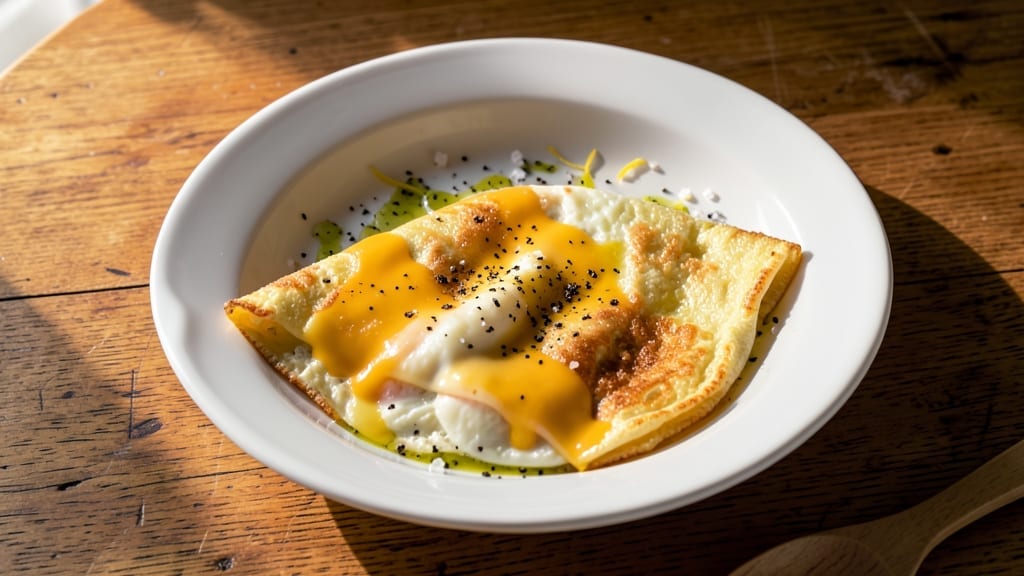
A 3-egg cheese omelette delivers the perfect balance of fluffy layers and melted cheese—every bite is a harmonious blend of texture and flavor. The secret lies in precise heat control and gentle folding, transforming simple ingredients into a restaurant-quality breakfast.
I’ve refined this method over years of morning experiments, ensuring consistent results without overcooking or breaking the delicate structure.
This recipe uses three large eggs for a generous portion, paired with 1.5 ounces of shredded cheese—just enough to create pockets of gooey goodness without overwhelming the dish. A nonstick skillet and medium-low heat are critical for achieving that signature tender interior and lightly golden exterior.
The key technique? Cooking the eggs slowly in stages, then folding with confidence to trap the melted cheese inside.
By the time you plate it, you’ll have a high-rise omelette with perfectly set edges, a velvety interior, and a blanket of melted cheese that holds its shape. The result is a breakfast that feels indulgent yet remains light enough for a weekday morning.
Optional fillings like herbs, mushrooms, or spinach can be incorporated mid-fold for added depth.
Whether you’re feeding yourself or a guest, this method delivers foolproof results every time. The instructions walk you through each step—from whisking the eggs to folding the final layers—so you’ll master the technique in minutes. Let’s get started on your perfect omelette.
Ingredients for 3 egg cheese omelette
Eight simple ingredients transform into a restaurant-worthy omelette with fluffy layers and melted cheese.
| Ingredient | Amount | Notes |
|---|---|---|
| Large Eggs 🥚 | 3 whole | Room temperature for even cooking |
| Shredded Cheddar Cheese 🧀 | 1 ½ oz | Sharp or mild, freshly shredded |
| Unsalted Butter 🧈 | 1 tbsp | European-style preferred for flavor |
| Diamond Crystal Kosher Salt 🧂 | ¼ tsp | Fine grain for delicate seasoning |
| Freshly Ground Black Pepper 🌶️ | ⅛ tsp | Freshly cracked for maximum aroma |
| Extra-Virgin Olive Oil 🫒 | ½ tsp | For nonstick skillet preheating |
| Fresh Chives 🌿 | 1 tbsp | Chopped, for garnish (optional) |
| Nonstick Skillet 🍳 | 1 whole | 8-inch diameter, well-seasoned |
The eggs are the foundation—room temperature is key for even cooking. Pasture-raised eggs from Trader Joe’s or your local farm store have richer flavor, but any large eggs work. The cheese? Freshly shredded makes all the difference—pre-shredded gets clumpy. For the best melt, sharp cheddar or a blend of cheddar and Gruyère works wonders. I always grab extra cheese since it freezes beautifully for up to 3 months.
No sharp cheddar? Monterey Jack or pepper jack add their own unique flavor profiles. Short on butter? Olive oil works in a pinch, but butter gives that unmistakable richness. The kosher salt is non-negotiable—Diamond Crystal dissolves perfectly. Fresh chives are optional but add a bright finish—dried chives at half the amount work if you’re in a hurry. For the skillet, well-seasoned cast iron or high-quality nonstick pans are ideal. If yours isn’t perfectly nonstick, a light coat of olive oil before heating helps.
Eggs keep best in the fridge for 3 weeks—use within 2 days of cracking for optimal texture. Cheese should be stored in an airtight container in the fridge for up to 2 weeks. The butter can be kept at room temperature in a cool pantry for up to 1 week. For meal prep, cook the omelette fresh—it’s all about that perfect texture. But if you must reheat, low heat in a dry pan prevents rubberiness.
Why You’ll Love This Recipe
- Three-Ingredient Magic: I swear by this combo—eggs, cheese, butter. That’s it. No fancy prep, no chopping, just crack, shred, melt.
- Crispy-Creamy Balance: The secret’s in the butter. A hot pan, a pat of butter—let it sizzle until it’s golden. Then those eggs? Perfectly set with a creamy center and a crispy edge. Add that sharp cheddar, and it’s ridiculously good.
- Breakfast or Brunch Fix: Honestly, I make this for dinner too. Toss in a handful of pre-cooked bacon or sautéed spinach if I’m feeling fancy, but even plain? It’s spot-on for lazy mornings or a quick lunch.
- No-Waste Leftovers: Between us, I always make two. The leftovers reheat beautifully—just a quick scramble in the microwave or pan. And since it’s just eggs and cheese? It’s my budget-friendly go-to when I’m broke but still want something satisfying.
Step-by-step instructions for a fluffy 3-Egg cheese omelette
Here’s how to make a perfectly layered omelette with tender eggs and melted cheese every time.
Whisk Eggs Until Silky Smooth
Place the 3 whole Large Eggs in a medium bowl and add the 0.25 teaspoon Diamond Crystal Kosher Salt and 0.125 teaspoon Freshly Ground Black Pepper. Using a fork or whisk, beat the eggs vigorously for about 30 seconds until the yolks and whites are fully combined. Here’s the thing—you want to incorporate air, but don’t overdo it or you’ll end up with tough eggs.
Next, fold in the 1.5 ounces of Shredded Cheddar Cheese using a spatula. I like to press the cheese against the side of the bowl first so it melts slightly into the eggs, creating a richer flavor. The cheese should be evenly distributed throughout the mixture. This step ensures every bite has that gooey, melty goodness you crave in a perfect omelette.
Preheat Skillet and Melt Butter
Place the 1 whole Nonstick Skillet over medium-low heat. Add the 1 tablespoon Unsalted Butter and let it melt completely, coating the bottom of the pan evenly. The butter should foam and bubble gently—this is your signal it’s ready. I always use European-style butter here because it has a higher fat content that creates better flavor and a more stable heat.
Once the butter is melted, tilt the pan slightly to ensure the entire surface is coated. This prevents sticking and creates that beautiful, even golden color on the bottom of your omelette. If you’re using the 0.5 teaspoon Extra-Virgin Olive Oil instead, add it now along with the butter for extra insurance against sticking.
Cook the Omelette with Gentle Precision
Pour the egg mixture into the prepared skillet, tilting the pan to spread the eggs evenly across the bottom. Let them cook undisturbed for about 2 minutes until the edges begin to set and the bottom turns a pale golden color. This is where patience pays off—the longer you let it cook undisturbed, the more time the eggs have to set properly at the bottom while staying fluffy on top.
Here’s the moment that matters: when you see the edges start to lift slightly from the pan and the top surface begins to firm up, it’s time to fold. Using a wide spatula, gently push one-third of the omelette toward the center, then fold it over again. The goal is to create those signature layers without breaking the eggs. You’ll know you’ve done it right when you see the melted cheese peeking out from between the layers.
Finish with Chives and Serve Immediately
Transfer the folded omelette to a warm plate and let it rest for about 30 seconds. This brief resting period helps the layers set slightly, making it easier to slice. While it rests, sprinkle the 1 tablespoon Fresh Chives over the top for a fresh, bright finish. The chives add a lovely pop of color and a mild onion flavor that complements the richness of the cheese.
Slice the omelette into wedges and serve immediately. The contrast between the tender, fluffy layers and the perfectly melted cheese is what makes this omelette truly special. If you’re serving two people, you’ll have beautiful, restaurant-quality portions that look as good as they taste.
Pro Tips For Making 3 Egg Cheese Omelette
- Whisk Until Ribbons: Beat those eggs like you’re trying to paint a wall—smooth, fast, and until the mixture holds soft ribbons when you lift the whisk. I used to rush this, and my omelettes came out dense and rubbery. Take the extra 30 seconds; it makes all the difference when folding.
- Salt the Cheese: Sprinkle a pinch of kosher salt directly onto the shredded cheddar before folding it in. The cheese melts faster and tastes brighter, especially if you’re using pre-shredded stuff (which can be dusted with anti-caking agents). Skip this, and you’ll wonder why your omelette tastes flat.
- Low and Slow Finish: Once the eggs set but are still slightly jiggly on top, drop the heat to medium-low and cover the pan for 20 seconds. This lets the cheese melt evenly without turning the bottom into a sad, overcooked pancake. I learned this after flipping crispy, dry omelettes for weeks—don’t repeat my mistake.
- Butter in Stages: Melt 1 teaspoon of butter in the pan until foamy, then add the eggs. Once they’re set but not browned, add another teaspoon to the off heat side of the pan and tilt to coat the top. This keeps the omelette rich without burning the butter. (Yes, it’s extra work, but your mouth will notice.)
Make-ahead tips for this recipe
Prep Ahead Components
Prep the egg mixture the night before by whisking the 3 eggs, 0.25 tsp salt, and 0.125 tsp pepper in a sealed container. Store it in the fridge for up to 12 hours—this gives the eggs time to chill and blend flavors.
When ready to cook, simply fold in the 1.5 oz shredded cheese just before cooking. The cold eggs will take slightly longer to set, so adjust your cooking time by 30 seconds if needed. 💫
Cheese Prep Shortcut
Shred your cheddar cheese ahead of time and store it in a freezer bag for up to 3 months. The freezing process prevents clumping, and the cheese will melt beautifully when thawed.
I like to portion it into 1.5 oz servings right when I shred it—just grab what you need from the freezer the morning of. For extra convenience, pre-portion the cheese into small containers labeled “omelette cheese.”
Skillet Prep for Speed
Get your skillet ready the night before by giving it a quick wipe-down and applying a light coat of olive oil to prevent rust. Store it covered at room temperature. In the morning, just place it on medium-low heat for 2 minutes before adding the butter—this jumpstarts your cooking process.
I keep my nonstick skillet in a dry cabinet with a lid to maintain its seasoning between uses. 🔥
Make-Ahead Serving Strategy
While you can’t fully assemble the omelette ahead of time, you can prep all components for a 5-minute assembly. Whisk eggs, shred cheese, and chop chives the night before. Store them separately in labeled containers.
In the morning, simply whisk the eggs again (they’ll be cold), melt the butter, and cook as directed. This strategy cuts your morning cooking time in half while keeping everything fresh. The secret is keeping the cheese and eggs at room temperature for just 5 minutes before cooking.
Freezer-Friendly Assembly
For a freezer-friendly version, cook the omelette as directed but without folding it completely. Let it cool on a plate, then wrap it tightly in plastic wrap and place it in the freezer.
To reheat, thaw overnight in the fridge, then warm in a dry skillet over medium heat for 2-3 minutes per side. The texture won’t be as fluffy, but it’s a great option for busy mornings.
I find this works best with Monterey Jack cheese—it reheats more smoothly than sharp cheddar. ❄️
Batch Cooking for the Week
Make two omelettes at once using a 10-inch skillet—just double the egg mixture and cheese. Cook them side by side, then wrap each in parchment paper and store in the fridge for up to 3 days.
Reheat in a skillet for 30 seconds per side for a quick breakfast. I like to make these on Sunday mornings and portion them into single-serving containers for grab-and-go breakfasts during the week. The key is reheating them gently to maintain that tender texture.
Nutrition facts
Frequently asked questions
Why does my omelette turn out rubbery instead of fluffy?
Overcooking is the #1 culprit! Use medium-low heat and cook undisturbed for only 2 minutes before folding. Also, whisk the eggs vigorously for 30 seconds to incorporate air—this creates those signature fluffy layers. If your pan isn’t hot enough, the eggs will cook too slowly and become tough.
Can I make this with fewer eggs?
Yes! For a single-serving omelette, use 2 eggs and reduce cheese to 1 oz. The cooking method stays the same—just adjust the skillet size to 6-inch for better heat control. The key is maintaining the same egg-to-cheese ratio (2:1) to balance texture and flavor.
What’s the best cheese alternative if I don’t have cheddar?
Try Monterey Jack (milder, melts beautifully), Gruyère (nutty, rich), or feta (salty, crumbly). For a vegetarian twist, swap cheese for 1/4 cup sautéed mushrooms or spinach—just reduce cooking time by 30 seconds since veggies release moisture. Always use freshly shredded cheese to avoid clumping.
How do I fix an omelette that broke while folding?
No need to stress—just fold the broken edges inward and press gently with your spatula. The secret is to work quickly while the eggs are still warm. For extra insurance, add a dash of milk to the egg mixture (1 tbsp per 3 eggs) to make it more forgiving. Serve immediately—broken omelettes taste just as good!

- 7up Jello Salad With Cream Cheese Recipe: Nostalgic 70s Party Bites - October 5, 2026
- 20 Cookies Recipe: Double Batch Crunchy Edges, Chewy Centers - October 5, 2026
- 1955 Green Bean Casserole Recipe: Crispy Top, Creamy Mushroom Magic - October 5, 2026