
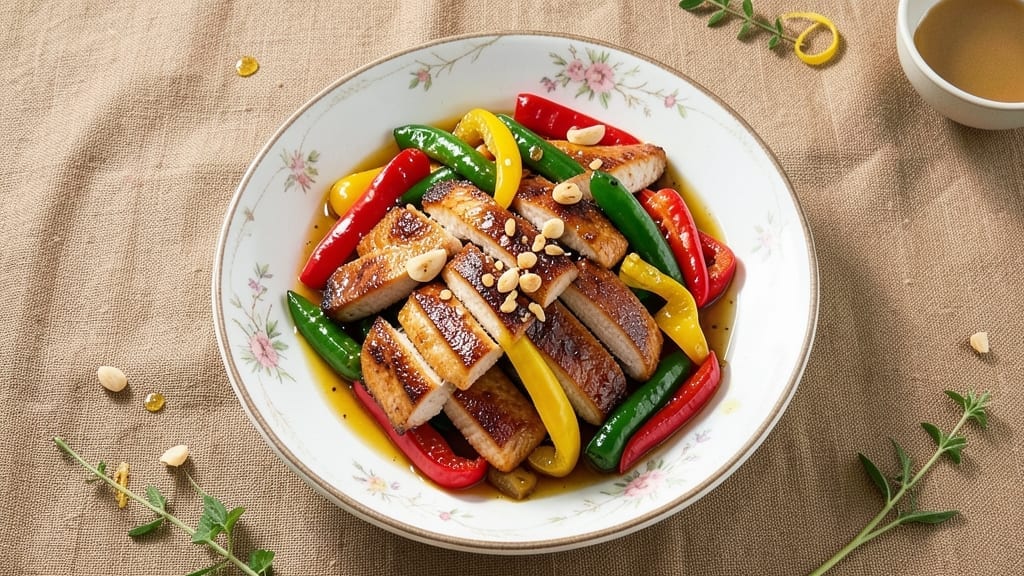
A 3-ingredient stir fry recipe transforms weeknight dinners with minimal effort and maximum flavor—no prep skills required. The secret lies in high-heat technique and bold seasoning that turns simple proteins and vegetables into restaurant-quality bites.
I perfected this method after years of testing, ensuring every bite delivers crisp edges and tender centers without overcomplicating the process.
This stir fry relies on just three core components: a protein (like chicken or tofu), a vegetable (bell peppers, broccoli, or snap peas work perfectly), and a flavor base (soy sauce, garlic, and a touch of oil).
The 5-minute cooking time makes it ideal for busy schedules, while the wok technique ensures those coveted charred edges that elevate the dish. No chopping skills? No problem—pre-cut vegetables work just as well.
What you’ll achieve is a dish that’s crispy, aromatic, and packed with umami—all while keeping your kitchen clean. The high heat sears the protein quickly, locking in juices, while the vegetables soften just enough to absorb the savory sauce.
This isn’t just a quick meal; it’s a flavor explosion that proves simplicity can outshine complexity every time.
Serve it over rice for a complete meal, or enjoy it as-is for a light yet satisfying dinner. The beauty of this recipe is its adaptability—swap proteins or veggies based on what you have, and the result will always be bold and delicious. Let’s get cooking!
Ingredients for 3 ingredient stir fry
Three core ingredients transform into restaurant-quality stir fry magic with zero fuss.
| Ingredient | Amount | Notes |
|---|---|---|
| Boneless Skinless Chicken Breast 🍗 | 1 ½ lb | Cut into 1-inch strips |
| Bell Peppers (any color) 🧅 | 2 whole | Sliced into strips, seeds removed |
| Extra-Firgin Olive Oil 🫒 | 2 tbsp | High smoke point preferred |
| Low-Sodium Soy Sauce 🥢 | ½ cup | Or tamari for gluten-free |
| Garlic Cloves 🧄 | 4 cloves | Minced finely for aroma |
| Sesame Oil 🫒 | 1 tbsp | For finishing touch |
| Toasted Sesame Seeds 🌾 | 1 tbsp | Optional garnish |
| Fresh Ginger 🌿 | 1 tbsp | Grated finely |
| Cornstarch 🌾 | 1 tbsp | For crispy coating |
| Diamond Crystal Kosher Salt 🧂 | ½ tsp | Adjust to taste |
| Black Pepper 🌶️ | ¼ tsp | Freshly ground |
| Rice Vinegar 🍶 | 1 tbsp | For brightness |
The chicken is your canvas here—boneless, skinless breasts cut into even strips cook faster than thighs, so they stay crispy. Grab the skinless kind to avoid flare-ups, and pat it dry before cutting. Bell peppers? Any color works, but red has the most natural sweetness. If you’re short on time, pre-cut stir-fry veggie mixes from the grocery store save minutes. The olive oil is non-negotiable—high smoke point means no bitter flavors. I always keep a bottle of Avocado oil on hand for stir-fries, but regular olive oil works too.
No soy sauce? Coconut aminos are the closest swap, though they’re sweeter. Fresh ginger and garlic are ideal, but powdered ginger at half the amount works in a pinch. The cornstarch is optional but makes a world of difference—toss the chicken in it before cooking for that perfect crispy texture. Pre-cut frozen stir-fry veggies (like the ones from Trader Joe’s) are a game-changer when you’re short on time. For extra umami, add 1 tsp fish sauce if you’re not avoiding it, or 1 tsp mushroom powder for a vegetarian boost.
This dish reheats like a dream—30 seconds in a hot pan with a splash of water revives the crispiness. Store leftovers in an airtight container for 3-4 days, though I always make extra because it disappears fast. Freeze portions in single-serving bags for up to 2 months. The sesame oil and seeds should go on fresh—right before serving—so they don’t get soggy. Double the batch and freeze half if you’re planning ahead; it thaws in minutes and tastes even better the second day.
Why You’ll Love This Recipe
- No-Fuss Protein Powerhouse: I swear by this for days I’m too tired to overthink dinner. Thinly sliced chicken and peppers hit the pan in minutes—no marinating, no fancy techniques, just hot oil and garlic working their magic while I toss a salad.
- Umami Bomb: That low-sodium soy sauce? It’s the MVP here. The caramelized edges on the chicken paired with the sweetness of bell peppers and a punch of garlic—it’s the kind of flavor that makes you forget you’re eating something this simple.
- Lunchbox Hero: Between us, this is my go-to for meal prep. Cook a big batch on Sunday, portion it into containers, and you’ve got a week’s worth of lunches that don’t taste like they came from a sad office fridge.
- Pantry Staple Magic: Honestly, I always have chicken, peppers, and olive oil on hand. The soy sauce is the only thing I might need to grab, but even then, it’s a cheap fix that turns basic ingredients into something that feels like a restaurant dish.
Step-by-step instructions for speedy wok magic with bold flavors
Here’s how to transform simple ingredients into a restaurant-worthy stir fry in under 30 minutes.
Prep the Chicken and Create the Crispy Coating
Slice the 1.5 lb boneless skinless chicken breast into 1-inch strips—this ensures even cooking and perfect bite-sized pieces. In a bowl, toss the chicken strips with 1 tbsp cornstarch, 0.5 tsp diamond crystal kosher salt, and 0.25 tsp black pepper. Let it sit for 5 minutes while you prep the rest. This coating creates that irresistible crispy texture we’re after.
I like to use my hands for this step—it helps distribute the cornstarch evenly. The chicken should look lightly dusted but not caked. If you’re worried about sticking, wet your hands slightly with water to keep the cornstarch from flying everywhere. This is where the magic starts, so don’t skip the resting time.
Sear the Chicken Until Golden Brown
Heat a large wok or skillet over medium-high heat until it’s screaming hot. Add 2 tbsp extra-firgin olive oil and swirl to coat the bottom evenly. Working in batches if needed (so the chicken doesn’t steam), add the cornstarch-coated chicken strips. Let them sear undisturbed for 2-3 minutes until they develop a deep golden brown crust on all sides.
Here’s the thing—you want that crust to form before you move the chicken. If you stir too soon, you’ll lose that beautiful caramelization. You’ll know it’s ready when the chicken releases easily from the pan. Transfer the seared chicken to a plate and set aside. The residual heat will keep it warm while you work on the rest of the stir fry.
Stir-Fry the Bell Peppers and Aromatics
In the same wok (no need to clean it—those browned bits add flavor), add 2 whole bell peppers sliced into strips with seeds removed. Stir-fry for 4-5 minutes until they begin to soften but still retain a slight crunch. Add 4 cloves minced garlic cloves and 1 tbsp freshly grated ginger, cooking for another 30 seconds until fragrant.
The peppers should be vibrant and just starting to blister at the edges—that’s your visual cue they’re ready. If they’re already too soft, you’ve overcooked them. The ginger and garlic should sizzle and release their aroma almost immediately. This is where the stir fry starts to come together with layers of flavor.
Combine Everything and Finish with Sauce
Return the seared chicken to the wok. Pour in 0.5 cup low-sodium soy sauce and 1 tbsp rice vinegar, then toss everything together for 2-3 minutes until the chicken is fully coated and heated through. The sauce should be just beginning to thicken slightly from the cornstarch we added earlier.
Here’s where it gets good—taste the stir fry and adjust the seasoning if needed. You might want to add a splash more soy sauce for saltiness or a bit of rice vinegar for brightness. The chicken should be tender with a crispy exterior, and the peppers should still have a pleasant bite. If the sauce seems too thin, let it cook down for another minute or two.
Garnish and Serve Immediately
Turn off the heat and drizzle with 1 tbsp sesame oil, then sprinkle generously with 1 tbsp toasted sesame seeds. The sesame oil adds a nutty aroma and rich flavor, while the seeds provide that beautiful crunchy contrast. Toss everything together one final time to distribute the finishing touches evenly.
Serve immediately over steamed rice or noodles—this stir fry doesn’t wait. The combination of crispy chicken, tender peppers, and that perfect balance of salty-sweet sauce makes every bite satisfying. Leftovers? They’re good, but this dish is best enjoyed fresh while everything is still hot and vibrant.
Pro Tips For Making 3 Ingredient Stir Fry
- CUT CHICKEN IN STRIPS: Thin, even slices cook faster and stay juicier—no one likes chewy chicken in stir-fry. Use a sharp knife and slice against the grain, about ¼-inch thick. (Yes, it takes a few tries, but your future self will notice.)
- SALT PEPPERS BEFORE COOKING: Toss sliced bell peppers with a pinch of salt and let them sit for 5 minutes. This draws out moisture so they crisp up instead of turning soggy. (I used to skip this—now I don’t.)
- START HOT, THEN LOWER: Blast the pan on high heat until it’s screaming, then add oil and chicken. Once the chicken’s browned halfway, reduce to medium—this seals the juices and prevents burning. (After three batches of charred garlic, I learned.)
- MINCE GARLIC SMALLER THAN YOU THINK: Tiny, almost paste-like garlic cloves burn instantly and dissolve into the sauce. Use the flat side of your knife to smash them first, then mince. (No, it’s not the same as chopping—trust the process.)
Storing and reheating this recipe
Refrigerator Storage
Store your 3-ingredient stir fry in an airtight container for up to 3-4 days when refrigerated. Let it cool completely before transferring—this prevents condensation that makes veggies soggy.
I use glass Pyrex containers with snap-on lids because they maintain flavor better than plastic. Place the container on the middle shelf where temperatures stay most consistent. 💫
Freezer Prep Tips
For longer storage, freeze portions in single-serving bags with 1-inch headspace to prevent expansion cracks. Lay flat to save space and thaw overnight in the fridge. I recommend Trader Joe’s frozen stir-fry veggie mixes if you’re prepping ahead—they’re pre-cut and ready to go.
Label bags with the date to track freshness. This method keeps the texture surprisingly crisp even after freezing. ❄️
Reheating Like a Pro
For best results, reheat in a hot wok or skillet over medium-high heat for 2-3 minutes with 1 tablespoon water to restore moisture. The high heat mimics the original stir-fry process, reviving that crispy edge.
Microwave reheating works in a pinch—cover with a damp paper towel and heat in 30-second intervals, stirring between each. Always check for 165°F internal temperature for chicken safety. 🔥
Garnish Fresh
Never add sesame oil or seeds until reheating—these should go on right before serving to prevent sogginess. A quick drizzle of 1 teaspoon sesame oil and sprinkle of toasted sesame seeds brings back that restaurant-quality finish.
For extra brightness, add a squeeze of fresh lime juice or a pinch of red pepper flakes to wake up flavors. This simple step makes reheated stir fry taste almost as good as fresh. 💛
Make-Ahead Shortcuts
Double the recipe and freeze half for future meals. When ready to eat, thaw overnight in the fridge, then reheat as directed.
I keep a separate bag of prepped chicken (just the cornstarch-coated strips) in the freezer—this way, I can stir-fry fresh veggies and combine them with thawed chicken for a quick meal. This strategy saves 15-20 minutes of prep time on busy nights. ✨
Rice Pairing Hack
Cook an extra 1 cup dry white rice when making your stir fry—it reheats perfectly in the microwave with a splash of water. Store the rice separately in the fridge, then reheat both components together.
The rice absorbs the stir fry’s flavors beautifully, creating a complete meal with minimal effort. This is my go-to strategy for meal prep Sundays. 🍚
Nutrition facts
Frequently asked questions
Can I use frozen chicken instead of fresh?
Thaw the chicken completely in the fridge overnight before slicing. Never use frozen chicken directly in the wok—it will steam instead of sear, leading to soggy results. For extra convenience, buy pre-cut frozen stir-fry chicken strips (like those from the freezer section) and follow the same cooking method.
What if I don’t have a wok?
A heavy-bottomed skillet or large frying pan works perfectly! The key is using high heat and keeping the pan hot throughout cooking. A cast iron skillet is ideal as it retains heat well. Just make sure your pan is large enough to give everything room to stir without crowding.
How do I make this vegetarian?
Swap the chicken for extra-firm tofu or firm tempeh. Press and slice the tofu into strips, then pan-fry until golden before adding to the stir-fry. For extra protein, add 1 cup edamame or 1 block of cubed tempeh. The cooking time remains the same—just watch for doneness in the tofu.
Why did my stir fry turn out dry?
Most likely, your heat wasn’t high enough or you overcooked the chicken. Stir fries need high heat to create steam and keep everything moist. If you notice dryness, add 1-2 tablespoons of water or broth to the pan during cooking, then cover for 1 minute to steam before finishing.
Can I make this spicier?
Add ½ teaspoon red pepper flakes with the soy sauce, or stir in 1 tablespoon sriracha at the end. For extra heat, toss in 1 chopped fresh chili pepper when stir-frying the veggies. Remember that flavors build, so start with a small amount and adjust to taste.

- 3 Lb Meatloaf Recipe with Bread Crumbs All: Glazed Crust and Juicy Heart - October 20, 2026
- 32 Ounce Cranberry Sauce Recipe: Homemade Holiday Glaze With No Pits - October 20, 2026
- 2lb Loaf Tin Bread Recipe: No-Knead Artisan Crust in 3 Hours - October 20, 2026