
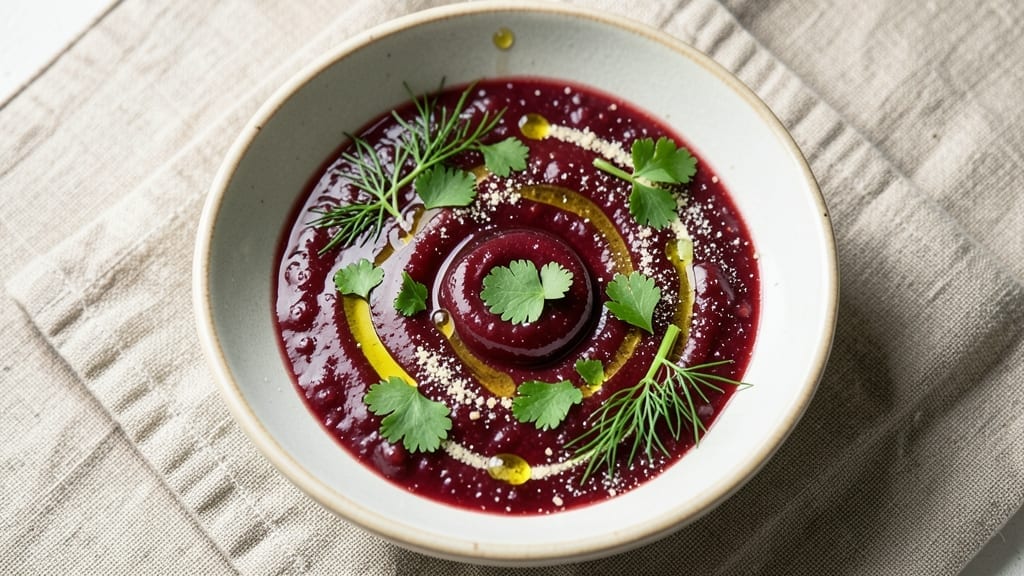
This 4 bean salad dressing recipe transforms simple pantry staples into a vibrant, herb-infused vinaigrette that elevates any bean salad from ordinary to extraordinary. The secret lies in balancing bold flavors—tangy vinegar, rich olive oil, and fresh herbs—while keeping it light enough to let the beans shine.
I developed this recipe after realizing most store-bought dressings overpower the delicate textures of mixed beans, so I focused on creating something that enhances rather than masks their natural goodness.
The dressing comes together in just 5 minutes with ingredients you likely already have: red wine vinegar, extra-virgin olive oil, Dijon mustard, and a blend of fresh parsley and dill.
A pinch of garlic powder and onion powder adds depth without overpowering, while a touch of honey or maple syrup balances the acidity for a smooth, well-rounded finish.
This isn’t just another vinaigrette—it’s a versatile base that works with any combination of beans, from classic black-eyed peas and kidney beans to chickpeas and lentils.
What sets this dressing apart is its long shelf life—it keeps for up to 2 weeks in the fridge when stored in an airtight container, making it perfect for meal prep.
The flavors actually improve over time as the herbs mellow and the vinegar mellows slightly, creating a richer taste with each use. Whether you’re prepping for a week of lunches or dressing a last-minute salad, this recipe delivers restaurant-quality results without the fuss.
The best part? This dressing isn’t just for bean salads. Drizzle it over roasted vegetables, toss it with grains like quinoa or farro, or use it as a marinade for grilled chicken or tofu.
The possibilities are endless, but the technique remains the same: simple, balanced, and foolproof. Let’s get started—your next salad is about to get a serious flavor upgrade.
Ingredients for 4 bean salad dressing
Nine pantry staples transform into a vibrant vinaigrette that enhances any bean salad beautifully.
| Ingredient | Amount | Notes |
|---|---|---|
| Red Wine Vinegar 🍷 | ½ cup | High-quality, aged variety preferred |
| Extra-Virgin Olive Oil 🫒 | ½ cup | Light, fruity for balance |
| Dijon Mustard 🌶️ | 2 tbsp | Mild or strong based on preference |
| Fresh Parsley Leaves 🌿 | ¼ cup | Finely chopped, stems removed |
| Fresh Dill Leaves 🌿 | ¼ cup | Finely chopped, stems removed |
| Garlic Powder 🧄 | 1 tsp | Freshly ground preferred |
| Onion Powder 🧅 | 1 tsp | Freshly ground preferred |
| Maple Syrup 🍯 | 1 ½ tbsp | Grade B for deeper flavor |
| Kosher Salt 🧂 | ½ tsp | Diamond Crystal preferred |
| Freshly Ground Black Pepper 🌶️ | ¼ tsp | Coarsely ground for texture |
The quality of your vinegar and olive oil makes all the difference here. Whole Foods or Trader Joe’s carry excellent options for both—look for aged red wine vinegar with a rich color and extra-virgin olive oil labeled ‘light’ to avoid overpowering bitterness. Fresh herbs are non-negotiable for that bright, restaurant-quality flavor. I always double-check the parsley and dill at the grocery store for vibrant green leaves with no wilting—Costco’s bulk herb section is my go-to for freshness. The maple syrup should be Grade B for its robust, caramel-like notes that complement the acidity perfectly.
No Dijon mustard? Whole-grain mustard thinned with water works in a pinch, though it lacks the same depth. Substituting dried herbs? Use one-third the amount of fresh, but honestly, dried parsley and dill just can’t replicate the freshness. Short on maple syrup? Agave nectar or honey both work, though maple adds a subtle earthiness that’s ideal. The garlic and onion powders are where flavor depth happens—don’t skip them, even if you’re using fresh garlic in your salad. For a smokier profile, swap half the onion powder for smoked paprika, but keep it subtle.
This dressing keeps beautifully in an airtight jar for up to 2 weeks in the fridge, with flavors actually improving over time. I portion mine into small containers for easy grab-and-go use—perfect for meal prep. If you notice separation, just give it a quick shake before using. The herbs will wilt over time, but the acidity preserves their flavor remarkably well. For long-term storage, freeze in ice cube trays and transfer to a bag once solid—3 months of fresh-tasting dressing whenever you need it.
Why You’ll Love This Recipe
- I use this on everything: grain bowls, roasted veggies, even as a dip for crusty bread. It’s my go-to for meal prep because it keeps well in the fridge and elevates whatever you’re serving—no matter the occasion.
- Five-Ingredient Magic: This dressing comes together with just a whisk and a jar—no fancy techniques, no last-minute grocery runs. I swear by the bright tang of red wine vinegar cutting through the richness of olive oil, and that Dijon mustard? It’s the secret that ties everything together without extra effort.
- Herb-Packed Punch: Between us, the parsley and dill give this dressing a freshness that makes it taste like summer in a bottle. Honestly, I’ve tried store-bought versions, and this homemade mix has a depth they just can’t match—the kind that makes you reach for seconds.
- Salad Game-Changer: I use this on everything: grain bowls, roasted veggies, even as a dip for crusty bread. It’s my go-to for meal prep because it keeps well in the fridge and elevates whatever you’re serving—no matter the occasion.
Step-by-step instructions for herb-infused vinaigrette
This vinaigrette combines pantry staples with fresh herbs for a perfectly balanced dressing.
Whisk Together the Vinegar and Mustard Base
In a medium bowl, combine the 0.5 cup red wine vinegar and 2 tablespoons Dijon mustard. Use a whisk to blend thoroughly until the mustard is completely dissolved and the mixture is smooth. The vinegar’s acidity will mellow slightly as it incorporates with the mustard, creating a stable emulsion base.
This step ensures the dressing won’t separate later. I like to whisk for about 30 seconds until the mixture looks uniform and slightly thickened. The Dijon mustard adds depth and helps emulsify the oil later, so don’t skip this blending process.
Gradually Incorporate the Olive Oil
With the whisk still in the bowl, slowly drizzle in the 0.5 cup extra-virgin olive oil while whisking continuously. Start with a slow stream and gradually increase speed as you add more oil. The key is to maintain constant motion to create a stable emulsion.
You’ll notice the mixture initially resist the oil, but with persistent whisking, it will eventually come together into a smooth vinaigrette. If it starts to separate, simply whisk harder for another 30 seconds—the mustard acts as an emulsifier to bind everything. The final texture should be silky and well-blended, with no visible oil separation.
Add Sweetness and Seasonings
Stir in the 1.5 tablespoons maple syrup, 1 teaspoon garlic powder, 1 teaspoon onion powder, 0.5 teaspoon kosher salt, and 0.25 teaspoon freshly ground black pepper. Mix well until all ingredients are fully incorporated. The maple syrup adds subtle sweetness that balances the acidity, while the garlic and onion powders contribute savory depth.
At this stage, taste the dressing and adjust seasonings if needed. I usually find the initial blend perfectly balanced, but if you prefer a stronger garlic flavor, add an extra pinch of garlic powder. The black pepper should be coarsely ground to provide texture contrast in each bite.
Fold in Fresh Herbs
Gently stir in the 0.25 cup finely chopped fresh parsley leaves and 0.25 cup finely chopped fresh dill leaves using a wooden spoon. Unlike whisking, which creates air, folding preserves the herbs’ delicate texture and vibrant color. The herbs should be evenly distributed throughout the dressing but still visible as bright green flecks.
This is the moment that transforms this from a basic vinaigrette to something truly special. The fresh herbs add brightness and complexity that pantry ingredients alone can’t provide. Give it one final taste to ensure all components are harmonized—you should detect the bright acidity of the vinegar, the herbal freshness, and the subtle sweetness all working together.
Rest and Adjust Consistency
Cover the bowl and let the dressing rest at room temperature for 10-15 minutes. This resting period allows all the flavors to meld together more completely. After resting, check the consistency—it should coat the back of a spoon but still pour easily.
If the dressing is too thick, thin it with 1-2 teaspoons of water or additional vinegar until it reaches your desired consistency for drizzling. If it’s too thin, let it sit another 5 minutes or add a pinch more mustard to help thicken it. The final product should be glossy, well-emulsified, and ready to elevate any bean salad.
Pro Tips For Making 4 Bean Salad Dressing
- Whisk in stages: Start with the vinegar and mustard—this keeps the mixture from curdling when you add the oil. Then drizzle in the olive oil slowly while whisking like you’re trying to win a bet. I used to dump it all in at once, and the dressing always split like a bad marriage.
- Pulse herbs, don’t chop: Tear the parsley and dill leaves by hand (no knife needed) and give them a quick pulse in a mini food processor—just until they’re confetti-sized. This releases their flavor without turning the dressing into a chunky soup. I tried mincing finely once, and it tasted like herbal wallpaper paste.
- Salt the vinegar: Add a pinch of salt directly to the vinegar before mixing—it balances the acidity right from the start. Skipping this means your dressing will taste sharp and unfinished, no matter how much you tweak later. Trust me, I’ve been there.
- Let it rest 10 minutes: Pour the dressing into a jar and let it sit before using—this lets the flavors marry. I know, I know, you’re eager to drizzle it on your beans, but waiting makes the mustard mellow and the herbs sing. (Yes, even if you’re impatient like me.)
Perfect pairings for this 4 bean salad dressing
Bean Salad Pairings
This dressing pairs beautifully with classic Southern-style bean salads featuring black-eyed peas, kidney beans, and pinto beans. The herbal notes complement the earthy flavors while keeping the dish light.
I love using it with canned beans (drained and rinsed) mixed with diced red onion, celery, and a touch of smoked paprika for extra depth. 🌿
Grain Bowls
Toss this dressing with quinoa, farro, or brown rice for a hearty grain bowl. Add roasted sweet potatoes, avocado, and crumbled feta for a complete meal. The tangy-sweet balance cuts through the richness of grains perfectly.
I often prep a big batch of grains on Sunday and keep this dressing ready for quick assembly during the week.
Roasted Vegetables
Drizzle over roasted Brussels sprouts, asparagus, or zucchini for a flavorful side dish. The herbs brighten up the charred flavors while the vinegar adds a welcome acidity.
For extra richness, top with toasted pine nuts or crumbled goat cheese before serving. This combo works especially well when served alongside grilled chicken or fish.
Protein Additions
Use this dressing as a marinade for grilled chicken, shrimp, or tofu before serving. The acidity tenderizes the protein while infusing it with herbal notes. For a complete meal, toss the cooked protein with mixed beans and fresh veggies, then drizzle with extra dressing.
The flavors meld beautifully when everything is served together. 🍗
Cheese Boards
Yes, you can use this dressing on cheese boards! Pair it with creamy goat cheese, sharp cheddar, or aged gouda alongside cured meats and fresh fruit. The dressing adds a refreshing contrast to the rich cheeses and salty meats.
I like to serve it in a small bowl with a spoon for dipping—it’s a game-changer for any charcuterie setup.
Meal Prep Ideas
Store the dressing in a small jar and pack it with prepped salads or grains for easy lunches. I divide mine into 4-ounce portions so I can grab one jar each morning and toss it with whatever I’m eating.
The dressing keeps for up to 2 weeks in the fridge, making it perfect for busy schedules. For extra convenience, freeze individual portions in ice cube trays and transfer to a bag for longer storage. ✨
Nutrition facts
Frequently asked questions
Can I make this dressing without fresh herbs?
You can substitute 1 teaspoon dried parsley and 1 teaspoon dried dill for the fresh herbs, but the flavor won’t be as bright. For best results, use one-third the amount of dried herbs as fresh, and consider adding a pinch of lemon zest to compensate for the lost freshness. The dressing will still taste good, but the herbal notes will be more subtle.
Why does my dressing separate after mixing?
Separation happens when oil and vinegar aren’t properly emulsified. To fix it, whisk vigorously for 30-60 seconds—the Dijon mustard acts as a natural emulsifier. If it persists, add 1 teaspoon of honey or sugar and whisk again. For future batches, ensure you’re whisking continuously while adding oil, and use a high-quality olive oil that’s less likely to resist emulsification.
How much dressing should I make for a 4-bean salad?
For a standard 8-cup bean salad, this recipe makes about 1 cup of dressing, which is perfect for generous drizzling. If your salad is larger, simply double the recipe—this vinaigrette scales beautifully. The ratio works well for grain bowls too, where you’ll want about 2 tablespoons per serving of grains.
Can I use balsamic vinegar instead of red wine vinegar?
Yes, but the flavor will be sweeter and less tangy. Use 0.3 cup balsamic vinegar plus 0.2 cup apple cider vinegar to maintain balance. The dressing will have a richer, slightly syrupy quality that pairs well with heartier beans like lentils or chickpeas. For classic bean salads, stick with red wine vinegar for the bright acidity this recipe was designed for.
Will this dressing work with canned beans?
This dressing enhances canned beans beautifully. Just drain and rinse the beans thoroughly to remove excess sodium. The herbs and acidity in the dressing will help brighten the beans’ flavor, making them taste fresher. For extra texture, add 1/4 cup diced celery or red onion to your salad before drizzling.

- 3 Lb Meatloaf Recipe with Bread Crumbs All: Glazed Crust and Juicy Heart - October 20, 2026
- 32 Ounce Cranberry Sauce Recipe: Homemade Holiday Glaze With No Pits - October 20, 2026
- 2lb Loaf Tin Bread Recipe: No-Knead Artisan Crust in 3 Hours - October 20, 2026