
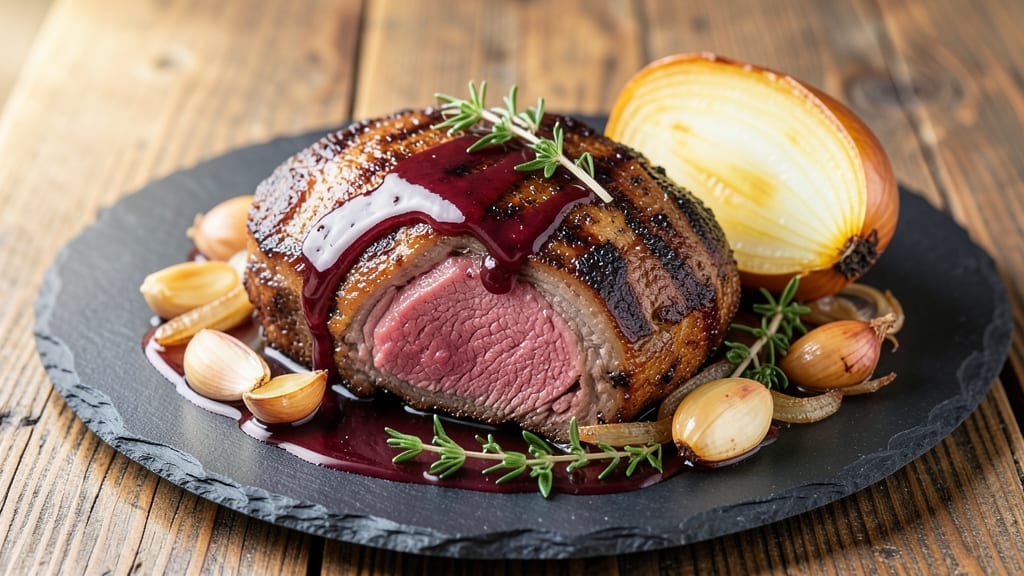
Transforming a tough cut of chuck roast into fork-tender luxury starts with the right slow-cooking technique—and this 5-star recipe delivers exactly that.
After years of perfecting the balance between low-and-slow braising and high-heat searing, I’ve cracked the code for restaurant-quality results at home, where every bite reveals deep, caramelized flavor and melt-in-your-mouth texture.
The secret lies in a two-stage process: first, a deep brown sear to lock in juices, then a slow braise in red wine and aromatics that transforms the meat into velvety perfection.
This isn’t just another chuck roast recipe—it’s a foolproof method that guarantees tender, juicy results even if you’re new to slow cooking.
With just five simple ingredients (plus pantry staples) and three hours of hands-off time, you’ll end up with a dish so impressive, it’ll fool even the most discerning guests.
The rich gravy that forms in the pot is just as important as the meat, infused with wine and herbs that elevate every bite to five-star dining without the fuss.
What makes this recipe truly special is the presentation—plating the roast with a pool of reduced gravy, fresh herbs, and a sprinkle of flaky salt turns it into a showstopper.
Serve it alongside creamy mashed potatoes or roasted root vegetables to complete the meal, and watch as compliments pour in. The key? Patience and precision, but the payoff is a dish that tastes like it belongs in a high-end steakhouse.
Whether you’re hosting a dinner party or treating yourself to a weekend indulgence, this chuck roast recipe delivers restaurant-quality results with minimal effort. The technique is simple, but the flavor is anything but—deep, complex, and unforgettable. Let’s get cooking.
Ingredients for 5 star chuck roast
Five core ingredients plus pantry staples—this is where restaurant-quality chuck roast begins.
| Ingredient | Amount | Notes |
|---|---|---|
| Chuck Roast 🥩 | 3 lb | Center-cut for even cooking |
| Dry Red Wine 🍷 | 1 ½ cups | Bold Cabernet Sauvignon preferred |
| Beef Broth 💧 | 2 cups | Low-sodium, homemade or high-quality |
| Yellow Onion 🧅 | 1 whole | Medium, sliced into half-moons |
| Garlic Cloves 🧄 | 6 cloves | Peeled, lightly smashed |
| Fresh Thyme 🌿 | ¼ cup | Stems removed, loosely packed |
| Olive Oil 🫒 | 2 tbsp | Extra-virgin, for searing |
| Tomato Paste 🍅 | 2 tbsp | Smooth, no added salt |
| Flaky Sea Salt 🧂 | 1 tsp | For finishing, like Maldon |
| Black Peppercorns 🌶️ | 1 tsp | Freshly cracked, coarse |
| Fresh Rosemary 🌿 | ⅛ cup | Needles only, finely chopped |
| Carrots 🥕 | 2 whole | Medium, peeled, cut into chunks |
| Balsamic Vinegar 🍶 | 1 tbsp | For deglazing, aged |
| All-Purpose Flour 🌾 | 1 tbsp | For thickening gravy |
The chuck roast is non-negotiable here—center-cut delivers the best marbling for flavor and tenderness. Costco or Whole Foods carry premium cuts, but any reputable butcher will have what you need. Look for bright red color and visible fat marbling; that’s your guarantee of juicy, melt-in-your-mouth results. The wine should be bold—Cabernet Sauvignon or Merlot—not cheap boxed stuff. If you’re using a cheaper bottle, decant it first to remove sediment. Fresh thyme and rosemary elevate the dish beyond basic beef stew; Penzeys or Trader Joe’s bulk bins are great sources for high-quality dried herbs if fresh isn’t available.
No red wine? Dry sherry or beef broth with an extra splash of balsamic works in a pinch. The tomato paste adds depth without overpowering—no need for fresh tomatoes unless you’re making a larger batch. For the onions and carrots, any variety will do, but yellow onions add natural sweetness. If you’re short on time, pre-sliced frozen onions (thawed) save prep work without sacrificing flavor. The flour is just for gravy thickening—all-purpose works fine, but if you’re making a big batch, cornstarch gives a glossier finish. Fresh herbs are ideal, but dried thyme at one-third the amount gets you close if you’re improvising.
This dish tastes even better the next day—plan ahead. The roast can be refrigerated for up to 5 days or frozen for 3 months if you want to prep ahead. For freezing, wrap the roast tightly in foil and store with the reduced gravy. Reheat slowly on low in a Dutch oven with a splash of water to prevent drying. The gravy thickens as it cools, so add a splash of broth when reheating if it’s too stiff. Serve with creamy mashed potatoes or roasted root vegetables for a complete meal.
Why You’ll Love This Recipe
- Wine-Infused Magic: Here’s what sold me—the deep, rich flavor from that dry red wine. It’s not just background taste; it’s the star. The beef broth rounds it out, but the wine? That’s the secret weapon. One sip of the sauce, and you’ll understand why this tastes like a fancy restaurant dish without the fancy price tag.
- Weeknight Crowd-Pleaser: Between us, this feeds a houseful of people without breaking the bank. My in-laws, my kids, even my picky teenager—everyone clears their plate. Serve it with crusty bread for dipping, or turn leftovers into sandwiches the next day. It’s the kind of meal that makes you look like a hero, no matter who’s at the table.
- Budget Meal, Big Payoff: I buy chuck roast on sale and stretch it across three meals. The first night is the showstopper, but the leftovers? Just as good reheated with a sprinkle of fresh herbs. Honestly, it’s one of those recipes where the ingredients cost less than takeout, but the flavor puts it in a whole different league. My wallet and my taste buds thank me every time.
Step-by-step instructions for slow-braised chuck roast
Transform tough chuck roast into melt-in-your-mouth luxury with this precise slow-braising method.
Sear the Chuck Roast for Deep Flavor
Heat a heavy Dutch oven over medium-high heat until smoking hot. Add 2 tablespoons olive oil and swirl to coat the bottom. Place the 3 lb chuck roast fat-side down and sear undisturbed for 5 minutes until deeply browned. Flip and sear the opposite side for another 5 minutes.
Here’s the thing—this initial sear creates the Maillard reaction that builds complex flavors. I press down gently on the roast during the first minute to prevent curling and ensure even contact with the pan. Remove the roast and set it aside temporarily on a plate.
Build the Aromatic Base
In the same Dutch oven, add 2 tablespoons tomato paste and cook for 1 minute until it darkens slightly. Add the 1 whole yellow onion and 6 cloves garlic cloves, cooking for 3 minutes until softened and fragrant. Stir in the 0.25 cup fresh thyme and 0.125 cup fresh rosemary.
The reason we cook these aromatics first is simple: they form the flavor foundation. You’ll notice the thyme and rosemary release their essential oils as they heat, infusing the oil with their aromatic compounds. This step prevents the wine from becoming too diluted with raw flavors later.
Deglaze and Braise with Wine and Broth
Pour in the 1.5 cups dry red wine and scrape up all the browned bits from the bottom with a wooden spoon. Let it simmer for 2 minutes until reduced by half. Add the 2 cups beef broth and 2 whole carrots, then return the roast to the pot fat-side up.
Bring to a gentle simmer, then reduce heat to medium-low to maintain a 325°F internal temperature. Here’s where patience pays off—the roast needs 3 hours to become fork-tender. The liquid should just barely bubble, not boil vigorously. If it boils too hard, cover and reduce heat slightly.
Finish with Balsamic and Rest for Perfection
After 2.5 hours, stir in the 1 tablespoon balsamic vinegar and 1 tablespoon all-purpose flour. Continue cooking for another 30 minutes until the sauce thickens to a velvety consistency. The roast should be fork-tender—no resistance when pierced with a fork.
Transfer the roast to a cutting board and tent loosely with foil. Let it rest for 15 minutes before slicing. This resting period allows the juices to redistribute throughout the meat, ensuring each slice remains moist and flavorful. The sauce should coat the back of a spoon with a glossy sheen.
Serve with Finishing Touches
Slice the chuck roast against the grain into ¼-inch thick slices. Ladle the reduced sauce over the top and sprinkle generously with flaky sea salt and cracked black peppercorns. Serve immediately with crusty bread or mashed potatoes to soak up every last drop of that luxurious sauce.
Each bite should deliver tender, juicy meat that practically melts in your mouth, with deep wine and herb flavors in every forkful. The sauce should cling to the meat, not pool in the bottom of the plate. This is the kind of dish that makes people ask for seconds before they’ve even finished their first helping.
Pro Tips For Making 5 Star Chuck Roast
- Sear First, Then Deglaze: That dark, rich crust on your chuck roast isn’t just for looks—it’s where all the flavor hides. After browning the meat in batches (yes, even if it takes extra time), immediately pour in that red wine and scrape every last bit of stuck-on fond from the pan. I used to skip this, and the sauce always tasted flat.
- Salt the Wine: The red wine deserves more than just a splash—dissolve ½ teaspoon of kosher salt directly into it before adding to the pot. This seasoning cuts through the acidity and infuses the meat with depth. I learned this the hard way when my first batch tasted underwhelming, no matter how long I braised it.
- Don’t Rush the Onion: Slow-cook the onions until they’re caramelized to a deep amber color, not just softened. This takes 20-30 minutes at low heat, but skipping it means missing out on the sweet, jammy texture that makes the dish sing. (Pro move: Add a pinch of sugar if your onions resist browning.)
- Test Internal Temp Twice: Chuck roast is forgiving, but pull it when it hits 200°F—then let it rest 15 minutes before slicing. I was skeptical until I tried it; the meat stays juicy and tender, not dry. Use a meat thermometer, not guesswork, and resist the urge to cut into it early.
Dietary considerations for these flavors
Gluten-Free Adaptations
This chuck roast recipe is naturally gluten-free, but the gravy thickening step uses 1 tablespoon all-purpose flour. For a gluten-free version, replace it with 1 tablespoon cornstarch or arrowroot powder—both work beautifully to achieve that same velvety consistency.
Just whisk the cornstarch with a splash of cold water first to create a slurry before adding it to the pot. The sauce will thicken just as nicely without any gluten traces. 💫
Low-Carb Options
Skip the flour entirely and thicken the sauce with a ½ cup beef broth reduction—simmer it uncovered for 10 minutes until it reaches the right consistency. The wine and tomato paste already provide enough depth of flavor, so you won’t miss the flour.
For extra richness, stir in 1 tablespoon unsalted butter at the end. This keeps the dish under 5g net carbs per serving while maintaining that luxurious texture.
Dairy-Free Considerations
The recipe is already dairy-free, but if you’re serving it with mashed potatoes or other dairy-based sides, consider using olive oil or dairy-free butter in those preparations. For extra flavor, I sometimes add 1 tablespoon nutritional yeast to the gravy for a cheesy note without any dairy.
The wine and herbs carry enough depth that you won’t need to compensate elsewhere.
Allergen-Friendly Swaps
For nut allergies, this recipe is naturally safe—just double-check your beef broth for hidden additives. If you’re avoiding wine, substitute with extra beef broth (add ½ cup more) and a splash of apple cider vinegar for acidity.
For soy allergies, ensure your tomato paste is soy-free (most brands are, but check labels). The dish remains hearty and flavorful with these simple adjustments.
Protein-Packed Variations
Want to boost protein without changing the dish? Add ½ cup cooked lentils to the braising liquid—they’ll absorb flavors beautifully while adding 12g protein per serving. For a meatier option, include ½ lb sliced mushrooms** with the carrots—they’ll break down into a rich, umami-packed addition.
Both options keep the dish gluten-free and add satisfying texture without altering the core recipe.
Nutrition facts
Frequently asked questions
Can I use a different cut of beef instead of chuck roast?
While chuck roast is ideal for its marbling and flavor, you can substitute with top round roast or bottom round roast—just expect slightly less tenderness. For a richer result, try short ribs or brisket, but adjust cooking time to 4-5 hours since they’re tougher cuts. The wine-braising method works for all, but chuck delivers the best balance of flavor and texture for this 5-star recipe.
How do I know when the chuck roast is done?
Use a meat thermometer for perfect results—the roast is done when it reaches 203°F internally. The 3-hour braising time should get you there, but check after 2.5 hours if your oven runs hot. The meat should be fork-tender with no resistance when pierced. If it’s not quite there, add ½ cup more broth and cook another 30 minutes. Never overcook, or the texture will turn tough.
Can I make this in an Instant Pot or slow cooker?
For an Instant Pot, sear the roast first, then cook on high pressure for 60 minutes with all ingredients. Release pressure naturally, then finish with balsamic and flour. In a slow cooker, use low heat for 8 hours or high heat for 5 hours. The key difference? Slow cookers won’t develop the same deep caramelization, but the meat will still be tender. For best results, finish with a quick pan sear after cooking.
Why did my chuck roast turn out dry?
Overcooking is the #1 cause—chuck roast needs patience! If you cooked it past 203°F or didn’t rest it properly, the juices escape. Always let it rest 15 minutes before slicing. Another common mistake? Not enough liquid. If your pot was too crowded, add ½ cup more broth halfway through cooking. For next time, keep the liquid level at least 1 inch above the meat and maintain a gentle simmer.
How far ahead can I prepare this dish?
This roast tastes even better the next day! Store it in the fridge for up to 5 days or freeze for 3 months. Reheat gently in a pot with ½ cup broth on low heat until warmed through. The sauce will thicken as it cools, so add a splash of broth if needed. For make-ahead convenience, prep all ingredients the night before and sear the roast in the morning—just throw everything in the pot and braise.

- 8 Ounce Crab Cakes Recipe: Golden Crust With Luminescent Crab Hearts - October 12, 2026
- 1950’s Betty Crocker Banana Bread Recipe: Nostalgic Spice Swirls and Moist Crumb - October 12, 2026
- 2 Quart Homemade Ice Cream Recipe: Ultra Creamy Vanilla Bean Swirls - October 12, 2026