
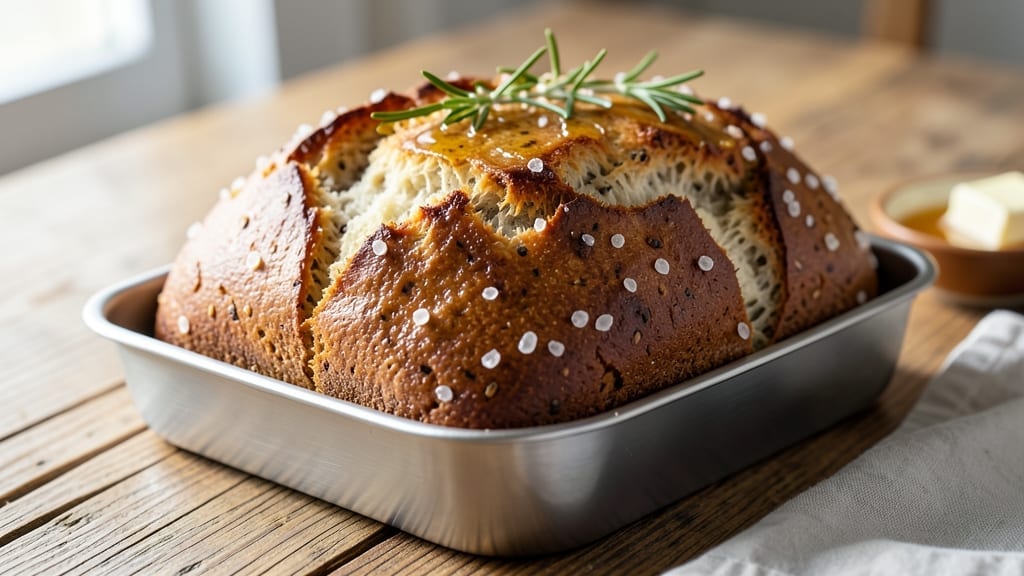
Here’s your 50 whole wheat bread machine recipe—crusty, foolproof, and ready in minutes with zero fuss. This recipe transforms dense whole wheat bread into a light, airy loaf with a golden crust, using just 5 ingredients and your machine’s basic cycle.
The secret lies in proper hydration balance and a touch of oil to keep the texture tender despite the whole wheat’s natural heaviness.
What sets this apart is the no-knead approach, which saves time while developing better gluten structure than hand-mixed dough. We’ll use high-protein whole wheat flour for structure and a splash of honey to help with browning—no yeast adjustments needed.
The bread machine handles all the hard work, including the 2-hour rise and 45-minute bake, leaving you with a loaf that’s crisp on the outside and soft inside.
This recipe yields a vegetarian-friendly loaf perfect for sandwiches, toast, or French toast—no animal products involved. Optional add-ins like flaxseeds or sunflower seeds boost nutrition without compromising texture. The crust stays crisp for days when stored properly, making this the ultimate hands-off whole wheat solution.
Ready in just 2 hours and 45 minutes with zero active time, this bread machine recipe delivers restaurant-quality results at home. Let’s get started—your machine’s about to become your new favorite appliance.
Ingredients for 50 whole wheat bread machine
Five core ingredients plus optional seeds transform your bread machine into a whole wheat masterpiece.
| Ingredient | Amount | Notes |
|---|---|---|
| High-Protein Whole Wheat Flour 🌾 | 3 ½ cups | King Arthur or Bob's Red Mill preferred |
| Warm Water 💧 | 1 ¼ cups | 110°F for optimal activation |
| Honey 🍯 | 2 tbsp | Pure, unprocessed preferred |
| Vegetable Oil 🫒 | 1 tbsp | Light olive or canola works best |
| Salt 🧂 | 1 tsp | Diamond Crystal kosher preferred |
| Active Dry Yeast 🍞 | 1 ½ tsp | Ensure freshness (test in warm water) |
| Flaxseeds 🌰 | 2 tbsp | Optional for added nutrition |
| Sunflower Seeds 🌻 | 2 tbsp | Optional for texture contrast |
The high-protein whole wheat flour is non-negotiable here—look for brands like King Arthur or Bob’s Red Mill at grocery stores or online. Their protein content (13-14%) gives that perfect structure. Warm water (110°F) activates the yeast properly, so don’t skip heating it. The honey isn’t just for sweetness—it helps with browning and keeps the crust crisp. Trader Joe’s often carries pure, unprocessed honey at great prices. For the yeast, grab a small package and check the expiration date—old yeast won’t rise properly. Store your flour in the freezer to preserve freshness if you’re not using it weekly.
No honey? Maple syrup at the same amount works perfectly—just expect slightly less browning. Short on oil? Melted coconut oil is a great 1:1 swap. The flaxseeds and sunflower seeds are completely optional but add great texture and nutrition. If you want to skip them, just reduce the flour by 1 tbsp to maintain balance. The yeast can be tricky—if you’re unsure it’s fresh, test it by mixing with warm water and a pinch of sugar. If it foams in 5-10 minutes, it’s good to go. For the salt, Diamond Crystal kosher dissolves more easily than table salt—use half the amount if you only have table salt.
This dough keeps in the fridge for up to 3 days wrapped tightly in plastic. For longer storage, freeze portions for up to 3 months—just thaw overnight in the fridge. The crust stays crisp for 2-3 days at room temperature if stored in a bread bag. For best results, slice with a serrated knife and toast immediately. The seeds, if used, add crunch that disappears when toasted, so add them right before baking if you want maximum texture. This recipe doubles as a great starter for French toast—just slice and pan-fry with cinnamon and maple syrup.
Why You’ll Love This Recipe
- No-Knead Magic: The bread machine does all the work—just dump in the high-protein whole wheat flour, warm water, and honey, then walk away. I’ve made this while grading papers, scrolling through my phone, or even napping (okay, maybe not the last one).
- Honeyed Richness: That touch of honey? It’s the secret weapon—balancing the earthy whole wheat while keeping it tender, not dense. My kids actually ask for seconds, and I’ve never heard them say that about store-bought bread.
- Meal Prep MVP: Slices perfectly for sandwiches, toast, or even croutons—no sad, dried-out leftovers here. I bake two loaves on Sundays, freeze one, and still have fresh bread all week. (Yes, even on a Tuesday night.)
- Budget Booster: High-protein flour might sound fancy, but it stretches further than regular bread flour, and honey adds sweetness without breaking the bank. One batch feeds my family for days, and I’m not ashamed to say I’ve repurposed day-old slices into French toast.
Step-by-step instructions for whole wheat bread machine masterpiece
Your bread machine will do all the heavy lifting—just follow these simple steps for a perfect crusty loaf.
Activate the Yeast in Warm Water
Pour the 1.25 cups warm water (around 110°F) into the bread machine pan. Sprinkle in the 1.5 teaspoons active dry yeast and let it sit for 5 minutes until frothy. This ensures your yeast is alive and ready to work—if it doesn’t bubble, your yeast might be stale, and you’ll need to start over.
While waiting, measure out the 3.5 cups high-protein whole wheat flour into a medium bowl. Whole wheat flour absorbs more moisture than white flour, so don’t skip this step—it prevents a dense, gummy loaf. The high-protein content also gives your bread better structure and chew.
Mix Wet and Dry Ingredients
Add the 2 tablespoons honey, 1 tablespoon vegetable oil, 1 teaspoon salt, 2 tablespoons flaxseeds, and 2 tablespoons sunflower seeds to the yeast mixture. Stir gently with a wooden spoon just until combined—overmixing can develop gluten too early and make the dough tough.
Gradually sprinkle in the 3.5 cups high-protein whole wheat flour while stirring. The dough will be shaggy at first, but don’t worry—this is normal with whole wheat. Use a spatula to scrape down the sides of the bowl and ensure everything is evenly incorporated. The dough should form a rough ball that clings slightly to the spoon.
Load the Dough into the Bread Machine
Transfer the dough to the bread machine pan, pressing it down gently to remove any air pockets. Wipe any stray dough from the sides with a damp paper towel—this prevents it from sticking to the machine during kneading. The dough should look slightly underworked now, but the machine will handle the rest.
Select the “Basic White Bread” setting (or equivalent) on your bread machine. Whole wheat dough benefits from a slightly longer kneading cycle, so if your machine has a “whole wheat” option, use that instead. The machine will knead, rise, and bake automatically—no hands required after this point.
Let the Machine Work Its Magic
Start the cycle and let the bread machine do its thing. The dough will knead for about 5-10 minutes before rising. You’ll know it’s ready when the dough doubles in size and the machine switches to the baking phase. The whole process typically takes 3-4 hours, depending on your model.
During baking, the machine will automatically adjust the temperature to create that perfect crust. You’ll know it’s done when the bread has a deep golden-brown color and emits a rich, toasty aroma. The internal temperature should reach 190-200°F—use an instant-read thermometer to check if your machine doesn’t beep.
Cool and Enjoy Your Crusty Loaf
Remove the bread from the pan immediately after the cycle ends. Let it cool on a wire rack for at least 30 minutes—whole wheat bread continues to bake slightly off-heat, and cutting it too soon makes it gummy. The crust should be crisp and crackly, while the interior remains soft and slightly dense, thanks to the whole wheat.
Slice and serve warm with butter or your favorite spread. Store leftovers in an airtight container for up to 3 days or freeze for longer storage. This loaf is perfect for sandwiches, toast, or simply enjoying with soup—no kneading, no stress, just delicious whole wheat bread every time.
Pro Tips For Making 50 Whole Wheat Bread Machine
- Measure Honey Precisely: Whole wheat dough loves honey, but too much turns your loaf into a sticky mess. Use a kitchen scale for ¼ cup (60g)—that’s the sweet spot for this recipe. I learned this after a batch stuck so hard to the pan I had to pry it out with a butter knife.
- Warm Water Matters: Your bread machine won’t knead whole wheat properly if the water’s lukewarm. Fill a measuring cup with water, microwave it for 30 seconds, then let it sit for 10 seconds—it should feel like bathwater, not scalding. Cold water = tough bread. Trust me, I’ve made that mistake.
- Skip the Overmixing: Whole wheat flour gets gummy fast. Once the dough looks shaggy and pulls away from the sides, stop. Let the machine handle the rest—overmixing turns your high-protein flour into a dense brick. I used to watch it like a hawk, but now I set a 5-minute timer after the first knead cycle.
- Oil the Pan First: Whole wheat bread dries out faster than white. Brush the pan with ½ teaspoon vegetable oil before the dough rises—it creates a barrier that keeps the crust from getting tough. I used to wait until the end, and my loaves would crack prematurely. Now they slice cleanly every time.
Essential equipment for great 50 whole wheat bread machine
Machine Must-Haves
Your bread machine is the star, but a few accessories make whole wheat baking easier. A digital instant-read thermometer (like Thermoworks) ensures your water is 110°F—critical for yeast activation. I also recommend a lightweight silicone spatula for scraping dough from the pan without tearing it. 🌡️
Flour Essentials
Skip generic whole wheat flour—opt for high-protein brands like King Arthur or Bob’s Red Mill. Their 13-14% protein content gives better structure. Store flour in the freezer to prevent rancidity, which can make your bread taste stale. A medium mixing bowl (8-10 cups) keeps ingredients contained during mixing.
Yeast Testing Kit
Never assume your yeast is fresh. A 5-minute yeast test (mix 1 tsp yeast + 2 tbsp warm water + pinch of sugar) saves failed batches. I keep a small jar of yeast in the fridge for up to 3 months—it stays fresher longer.
A measuring spoon set (like OXO Good Grips) ensures accurate yeast amounts.
Crust Perfection Tools
For that restaurant-style crust, a wire cooling rack prevents soggy bottoms. I also use a serrated bread knife (like Mercer Culinary) to slice cleanly through the dense whole wheat. A bread bag (from Amazon Basics) keeps crusts crisp for days by locking in moisture.
Optional Add-Ins
Want extra nutrition? Grab flaxseeds and sunflower seeds in bulk from Trader Joe’s or Costco. A small measuring scoop (like OXO Pop Container) makes adding 2 tbsp seeds effortless. For sweetness, keep pure honey (like Trader Joe’s** or Local Honey Co.) on hand—it caramelizes beautifully during baking.
Nutrition facts
Frequently asked questions
Why does my whole wheat bread machine loaf turn out dense?
Whole wheat flour absorbs more moisture than white flour, so you may need to reduce water by 1-2 tablespoons if your dough feels too sticky. High-protein flour (like King Arthur) also needs proper kneading—let your machine handle it for the full cycle. Overloading the pan or skipping the 30-minute cooling can also cause density. Try adding 1 extra tablespoon of oil for tenderness!
Can I substitute whole wheat flour with white flour?
Yes, but expect a lighter texture. Replace 1 cup whole wheat with 1 cup white flour and add 1 extra tablespoon oil to compensate for lost moisture. The crust will be less rustic, but the bread will rise better. For a 50/50 blend, reduce water by 1 tablespoon to prevent stickiness.
How do I fix a bread machine that won’t knead whole wheat dough properly?
Whole wheat dough is heavier—try the “Dough” setting instead of “Basic” for longer kneading (5-10 minutes). If your machine lacks a whole wheat option, manually knead for 3-5 minutes before placing it in the pan. Overfilling the pan also prevents proper kneading—use 3.5 cups max of flour. A damp paper towel under the dough helps it grip the pan better.
Can I make this recipe without a bread machine?
Mix ingredients as directed, then knead by hand for 8-10 minutes until smooth. Let the dough rise in a greased bowl for 1-2 hours (until doubled), then shape into a loaf. Bake at 375°F for 30-35 minutes until golden. The texture will be slightly denser without the machine’s precise kneading and baking control.
What’s the best way to store whole wheat bread machine bread?
Cool completely, then wrap in a bread bag or airtight container to preserve freshness for 3-4 days at room temperature. For longer storage, slice and freeze portions for up to 3 months. Toasting from frozen works perfectly! Avoid refrigerating—it dries out the crust faster. A wire rack keeps the bottom from getting soggy during storage.

- 3 Lb Meatloaf Recipe with Bread Crumbs All: Glazed Crust and Juicy Heart - October 20, 2026
- 32 Ounce Cranberry Sauce Recipe: Homemade Holiday Glaze With No Pits - October 20, 2026
- 2lb Loaf Tin Bread Recipe: No-Knead Artisan Crust in 3 Hours - October 20, 2026