
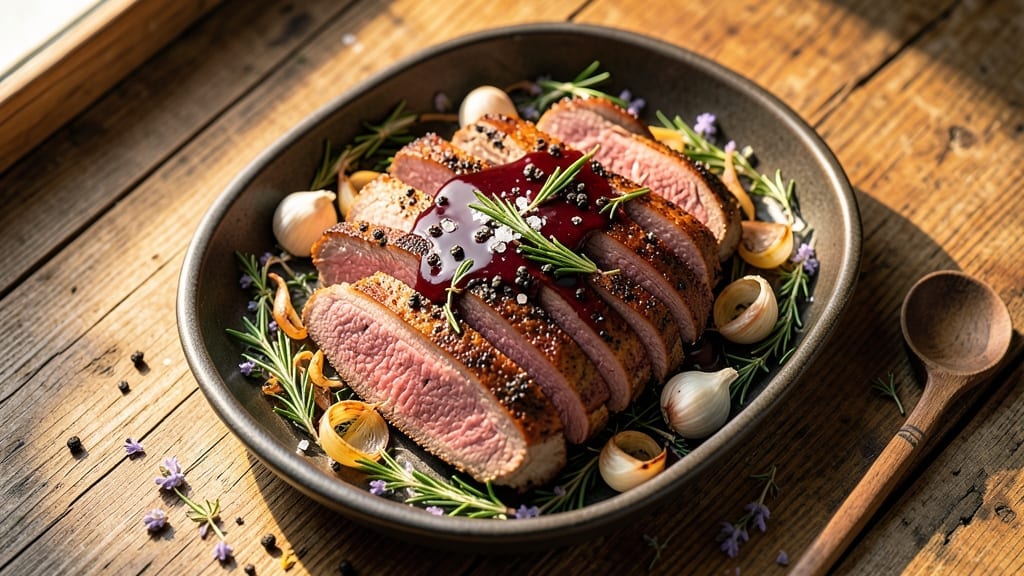
A 7-bone beef roast delivers restaurant-quality results at home with its juicy pink center and perfectly seared crust. This recipe transforms a premium cut into a showstopping centerpiece, whether you’re hosting a dinner party or treating yourself to a special meal.
The secret lies in dry-brining and precise temperature control, ensuring tender meat without overcooking.
Professional chefs rely on this method to achieve the ideal balance of flavor and texture. Start with a dry-brine the night before to enhance seasoning and moisture retention, then sear the roast in a hot pan to lock in juices before finishing in the oven.
The herb crust adds depth, while the internal temperature gauge ensures medium-rare perfection every time.
What you’ll end up with is a juicy, flavorful roast that slices effortlessly and pairs beautifully with red wine reduction or roasted vegetables. The crust remains crisp, while the inside stays tender—no dry, overcooked beef here. This is the kind of dish that makes weeknight dinners feel like a celebration.
Ready in about 3 hours (including resting time), this recipe is perfect for those who want restaurant-quality results without the fuss. Whether you’re serving a crowd or enjoying a special meal for two, this 7-bone roast delivers on every level. Let’s get started!
Ingredients for 7 bone beef roast
Six premium ingredients transform a simple roast into a showstopping centerpiece with restaurant-quality juiciness.
| Ingredient | Amount | Notes |
|---|---|---|
| 7-Bone Beef Roast 🥩 | 4 lb | Center-cut, bone-in, USDA Prime grade |
| Kosher Salt 🧂 | 2 tbsp | Diamond Crystal preferred, coarse grain |
| Fresh Black Peppercorns 🌶️ | 1 ½ tbsp | Cracked, freshly ground |
| Fresh Rosemary 🌿 | ½ cup | Finely chopped, stems removed |
| Fresh Thyme 🌿 | ¼ cup | Leaves only, stems discarded |
| Garlic Cloves 🧄 | 8 cloves | Smashed, skin-on for flavor infusion |
| Extra-Virgin Olive Oil 🫒 | ¼ cup | High-quality, fruity variety |
| Unsalted Butter 🧈 | ½ cup | Cold, cubed for crust |
| Dried Mustard Powder 🌶️ | 1 tbsp | For depth of flavor |
| Red Wine 🍷 | ½ cup | Bold Cabernet Sauvignon, dry |
| Beef Tallow 🧈 | 2 tbsp | For dry-brine mixture |
| Fresh Parsley 🌿 | ¼ cup | Chopped, for garnish |
The 7-bone beef roast is the star—USDA Prime grade with visible marbling ensures tenderness and flavor. Source from a reputable butcher or specialty market like D’Artagnan or Snake River Farms for optimal quality. Look for a center-cut roast with even thickness around the bones to ensure even cooking. The 4-pound size serves six beautifully, with generous leftovers for sandwiches. If your butcher doesn’t carry 7-bone roasts, a top round roast with bones trimmed can substitute, though flavor depth will differ slightly. For dry-brining, the beef tallow adds richness while enhancing moisture retention—rendered and cooled before mixing with salt.
No USDA Prime beef available? Choice grade works with slightly longer cooking time. Fresh herbs can be swapped for dried equivalents at one-third the amount (e.g., 1 tbsp dried rosemary for 0.5 cup fresh), though texture will differ. The red wine adds depth—Cabernet Sauvignon is ideal, but Merlot or Malbec work well. For a non-alcoholic version, beef broth with a splash of balsamic mimics the acidity. Olive oil should be extra-virgin for fruity notes; avocado oil is a neutral alternative. The butter crust is non-negotiable—full-fat ensures crispness, while European-style butter like Plugrá melts more cleanly. Preferring a different herb profile? Swap thyme for fresh sage or add fresh tarragon for an aromatic twist.
The roast requires 24 hours of dry-brining in the fridge—plan ahead. Store the fresh herbs in damp paper towels wrapped in plastic for 5-7 days, or freeze chopped herbs in ice cube trays with olive oil for longer shelf life. The beef tallow keeps indefinitely in a cool, dark place, while unsalted butter should be used within 3 months of opening. For the red wine, decant and reduce it to a syrup-like consistency before using—stores for 1 week in the fridge post-reduction. Leftovers? Slice thinly and serve on toasted brioche with horseradish cream for a gourmet sandwich—keeps for 3 days refrigerated or 3 months frozen.
Why You’ll Love This Recipe
- Minimal Prep Required: I swear by this—just season, sear, and let the oven do the work. No chopping, no fussing, just a handful of whole spices and a single roast. Honestly, it’s the kind of meal that makes me feel like I’ve earned my dinner.
- Herb-Crusted Perfection: That rosemary and thyme? They cling to the beef like a cozy blanket, turning every bite into something rich and aromatic. The black peppercorns add a little kick—just enough to make it feel special without overpowering.
- Weeknight or Weekend: Same recipe, different vibes. Toss it on the table for a lazy Sunday supper or serve it at a dinner party when you want to impress. Between us, it’s the kind of dish that works for both—no stress, all satisfaction.
- Leftovers That Don’t Suck: The roast stays tender for days, and the flavor only gets better. I’ve reheated slices in a pan with a splash of broth, turned them into sandwiches, and even tossed them into pasta. (Yes, even on a Tuesday night.)
Step-by-step instructions for herb-crusted 7-Bone beef roast
Mastering this prime cut requires precision timing and technique—follow these steps for a roast with perfect pink centers and deeply flavorful crust.
Prepare the Dry-Brine Mixture and Season the Roast
In a small bowl, combine the 2 tablespoons kosher salt, 2 tablespoons beef tallow, 1 tablespoon dried mustard powder, and 1.5 tablespoons fresh black peppercorns. Pulse in a food processor until the mixture resembles coarse sand. This dry-brine enhances moisture retention and creates an intense flavor crust.
Pat the 4 lb 7-bone beef roast dry with paper towels, removing any excess moisture from the surface. This step is critical—wet surfaces prevent proper browning. Rub the dry-brine mixture all over the roast, pressing firmly to ensure even coverage. Pay special attention to the bone crevices where flavor compounds will concentrate during cooking.
Create the Herb Butter Crust and Sear the Roast
In a separate bowl, mix the 0.5 cup unsalted butter (cold and cubed), 0.25 cup extra-virgin olive oil, 0.5 cup fresh rosemary, 0.25 cup fresh thyme, and the 8 smashed garlic cloves. Spread this mixture evenly over the roasted beef, pressing it into the meat with your hands. The butter will render during cooking, creating a flavorful crust while keeping the interior moist.
Heat your oven to 425°F and place a heavy roasting pan on the middle rack to preheat for 20 minutes. Once preheated, place the roast in the pan, fat-side up. Sear the roast uncovered on the stovetop over medium-high heat for 5 minutes per side until it develops a deep golden-brown crust. This initial sear locks in juices and builds foundational flavor.
Roast to Perfect Medium-Rare Doneness
Transfer the seared roast to the preheated oven and roast for 30 minutes uncovered. After this initial phase, reduce the oven temperature to 325°F and continue roasting. Insert a meat thermometer into the thickest part of the roast (avoiding bone contact). Remove the roast when the internal temperature reaches 120°F for medium-rare—this ensures a juicy pink center.
Real talk: Your oven may run hot, so start checking the temperature at the 20-minute mark of the reduced-heat phase. The roast will continue rising 5-10°F after removal due to carryover cooking. If the crust begins to darken too quickly, tent loosely with foil to prevent over-browning while maintaining internal temperature.
Rest and Slice for Maximum Juiciness
Transfer the roast to a cutting board and let it rest for 30 minutes before slicing. This resting period allows juices to redistribute throughout the meat, preventing them from pooling on the cutting board. Tent loosely with foil to keep warm during this time. The roast should feel warm to the touch but not hot—this is your signal that juices have settled.
Slice the roast against the grain into ½-inch thick portions. The meat should be tender enough to pull apart with gentle pressure but still hold its shape. Garnish each serving with 0.25 cup chopped fresh parsley and drizzle with the 0.5 cup red wine reduced by half (simmered in the roasting pan for 3 minutes) for an elegant presentation. Serve immediately with pan juices for maximum flavor impact.
Pro Tips For Making 7 Bone Beef Roast
- SEAR AT 450°F: Don’t start slow—blast that 7-bone roast in a screaming-hot oven (450°F) for the first 15 minutes with just salt and pepper. I used to worry about burning it, but this builds a crust that locks in flavor and moisture better than any low-and-slow approach. Flip it once for even browning.
- TRIM THE FAT CAP: That thick layer of fat on the 7-bone? Trim it down to about ¼-inch thick before roasting. Too much fat renders unevenly, making your pan a grease fire and your roast greasy instead of caramelized. Use a sharp knife—this isn’t a guesswork job.
- SALT THE HERBS: Crush the fresh rosemary and thyme sprigs with your palm before tucking them under the beef, then sprinkle them with a pinch of kosher salt. This releases their oils and makes them stick to the meat instead of floating away. (Yes, it sounds fussy, but it makes a real difference.)
- REST UNDER FOIL: As soon as the roast hits 130°F internal (for medium-rare), pull it from the oven and tent it loosely with foil. Let it sit for 10–15 minutes—this keeps the juices from rushing out when you slice. I know, I know, but cutting into it early turns a perfect roast into a sad, stringy mess.
Troubleshooting perfect results
Uneven Browning
If your roast develops dark spots or uneven color, it’s usually from moisture or inconsistent heat. Always pat the roast completely dry before searing—even a damp spot can prevent browning. For stubborn hot spots, use a kitchen torch to crisp the crust evenly after roasting.
I’ve also found that placing the roast on a wire rack in the pan elevates it for better air circulation and even browning. 🔥
Overcooked Center
Medium-rare perfection requires precision. If your roast hits 135°F before reaching the crust, it’s overdone. Use a laser thermometer for instant readings and remove the roast 5°F below your target temp—it’ll rise another 5-10°F while resting.
For extra insurance, I like to undercook slightly and finish with a quick sear in a 400°F oven for 2-3 minutes to lock in juices without overcooking.
Dry, Tough Meat
Dry beef is usually from overcooking or insufficient resting time. Always let the roast rest 30 minutes before slicing—this redistributes juices. For extra moisture, brush the roast with melted butter every 30 minutes during cooking.
I also recommend using a meat mallet to tenderize the surface slightly before seasoning, which helps with moisture retention during the long cook.
Crust Not Holding
A fragile crust often means the butter mixture wasn’t pressed firmly enough or the roast wasn’t seared properly. After applying the herb butter, press it into the meat with your palms until it sticks.
For the sear, use a cast-iron skillet—it retains heat better than nonstick. If the crust still falls apart, try adding 1 tablespoon cornstarch to the butter mixture for extra binding. ✨
Temperature Fluctuations
Oven temperature swings can throw off your roast. If your oven runs hot, reduce the temp by 25°F and add 10-15 minutes to your cook time. I always calibrate my oven before roasting—place an oven thermometer inside and adjust the dial if it’s off by more than 10°F.
For even more control, use the convection setting on low heat to maintain consistent temps.
Bone Interference
The 7-bone can make even cooking tricky. If one side finishes before the other, rotate the roast 90 degrees halfway through cooking. For extra insurance, place a small roasting rack under the roast to elevate it slightly, allowing heat to circulate more evenly around the bone.
I’ve also had success using aluminum foil tents on the slower-cooking side to protect it from direct heat while the other side crisps. 💡
Nutrition facts
Frequently asked questions
What makes a 7-bone roast different from other beef cuts?
The 7-bone roast is a premium cut featuring the 7th rib bone still attached, which adds rich flavor and natural moisture. Unlike boneless roasts, the bone helps retain juices during cooking, creating a more tender result. It’s typically sourced from the rib or loin area, offering a balance of marbling and lean meat that’s perfect for medium-rare doneness.
Can I substitute a different beef cut if I can’t find 7-bone roast?
Yes! A top round roast or ribeye roast works well, though the flavor profile will differ slightly. For best results, choose a bone-in cut with good marbling. If using ribeye, reduce cooking time by 10-15 minutes since it’s more tender. Always trim excess fat to prevent flare-ups during searing.
How do I know when the roast is done without overcooking it?
Use a meat thermometer for accuracy—insert it into the thickest part (avoiding bone) and remove the roast when it hits 120°F for medium-rare. The internal temperature will rise another 5-10°F while resting, so don’t overcook! For extra insurance, pull it out 5°F below your target temp and let it rest 30 minutes.
What’s the best way to reheat leftover 7-bone roast?
Slice leftovers into ½-inch thick portions and reheat in a 350°F oven for 10-15 minutes with a splash of beef broth to keep them moist. Avoid microwaving—it can dry out the meat. For sandwiches, reheat quickly in a skillet over medium heat for just 1-2 minutes to maintain texture.
Why is dry-brining important for this recipe?
Dry-brining for 24 hours enhances flavor penetration and moisture retention, resulting in a more tender roast. The salt and tallow mixture creates a flavorful crust while preventing moisture loss during cooking. Skipping this step can lead to a less flavorful, potentially drier result—especially important for a premium cut like 7-bone beef.
