
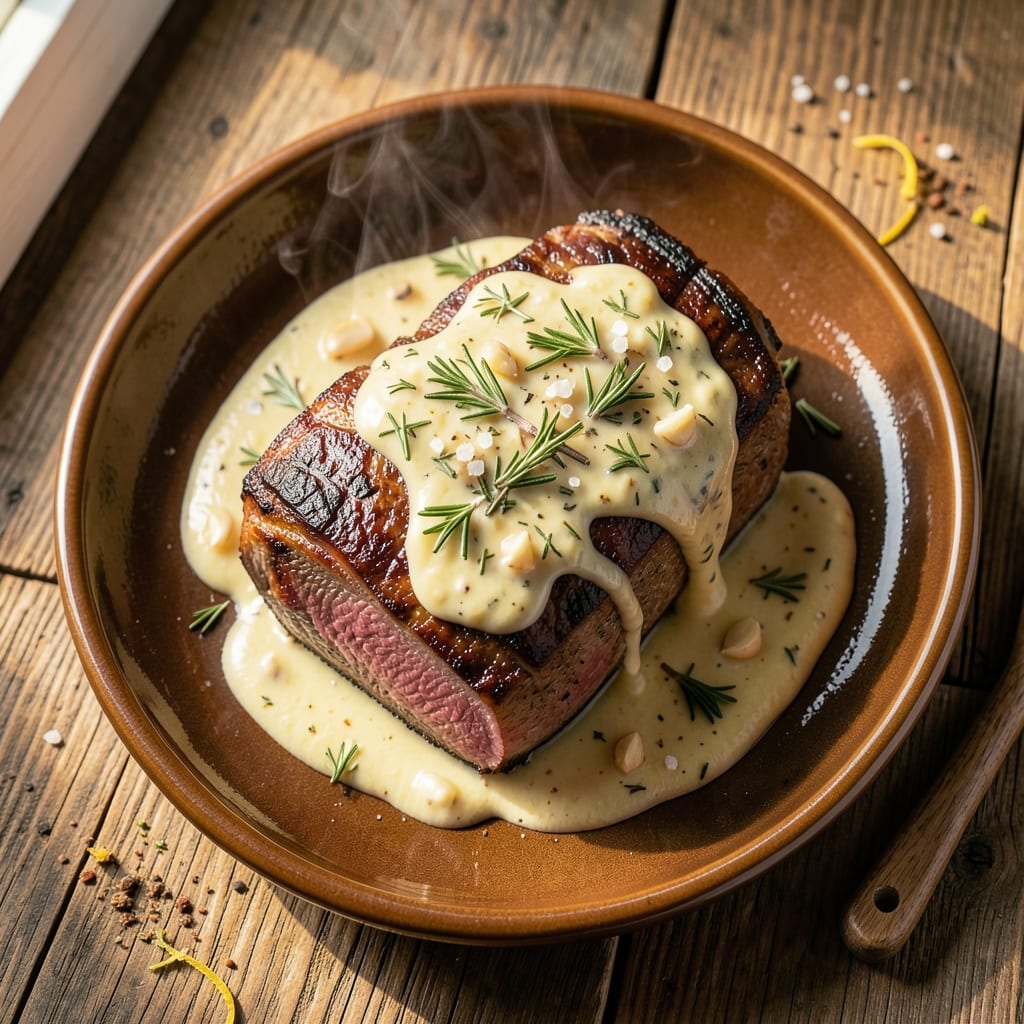
Mastering an 8 lb beef tenderloin transforms a special occasion into a culinary triumph—juicy, perfectly seared, and infused with herb butter that seals in every ounce of flavor.
The secret lies in precise temperature control and a herb butter seal that creates a golden crust while keeping the interior tender and medium-rare throughout. I’ve perfected this technique over years of hosting dinner parties, ensuring even the largest tenderloin comes out flawless every time.
This recipe demands patience but delivers restaurant-quality results with minimal effort. You’ll work with a 4-hour total time (including resting), but the active prep is just 30 minutes—ideal for when you want to impress without spending all day in the kitchen.
The herb butter isn’t just a finishing touch; it’s the key to that caramelized crust that holds up to slicing and serves as a flavorful barrier to keep the meat moist.
By the time you serve, each slice will reveal a deep pink center, a crispy exterior, and layers of aromatic herbs melting into every bite. The sides—roasted garlic mashed potatoes or a crisp winter salad—will complement the richness perfectly.
This isn’t just a recipe; it’s a confidence-building technique that turns any cook into the star of the meal.
For those hosting a crowd, this tenderloin feeds 8–10 people generously, with leftovers that reheat beautifully for sandwiches the next day. The herb butter can be prepped ahead, and the resting period is your chance to relax before the big reveal. Let’s get started—your guests won’t believe it’s homemade.
Ingredients for 8 lb beef tenderloin
Eight pounds of premium beef plus aromatic herbs—this is your secret to a showstopping centerpiece.
| Ingredient | Amount | Notes |
|---|---|---|
| Beef Tenderloin 🥩 | 8 lb | Center-cut, trimmed of silver skin |
| Unsalted Butter 🧈 | 1 cup | Cold, cut into 1-inch cubes |
| Fresh Rosemary 🌿 | ¼ cup | Finely chopped, stems removed |
| Fresh Thyme 🌿 | 0.15 cup | Leaves only, finely chopped |
| Garlic Cloves 🧄 | 8 cloves | Minced, peeled |
| Kosher Salt 🧂 | 2 tbsp | Diamond Crystal preferred |
| Freshly Ground Black Pepper 🌶️ | 1 tbsp | Coarse grind |
| Extra-Virgin Olive Oil 🫒 | ½ cup | High smoke point |
| Yellow Onion 🧅 | 1 whole | Thinly sliced, for garnish |
| Fresh Parsley 🌿 | 0.1 cup | Chopped, for garnish |
| Red Wine 🍷 | ½ cup | Dry, full-bodied (Cabernet Sauvignon) |
| Beef Tallow or Duck Fat 🧈 | 2 tbsp | For high-heat searing |
The beef tenderloin is where it all begins. Look for a center-cut roast with good marbling—Costco or Whole Foods usually carry the best quality. Trim any silver skin before cooking, and let it sit at room temperature for 30 minutes before searing. The herb butter isn’t just garnish; it’s the flavor lock that keeps the meat ultra-tender. I always use unsalted butter (salted can burn) and chop the herbs finely so they melt into the crust. Fresh rosemary and thyme are non-negotiable here—they’re the backbone of that restaurant-quality flavor.
No fresh rosemary? Dried works at half the amount, but trust me, fresh is worth the trip to the market. Running low on red wine? Substitute beef broth with a splash of balsamic—it won’t be identical, but it’ll still add depth. The tallow or duck fat is optional but game-changing for searing—it’s what gives that caramelized crust its rich color. If you’re avoiding it, use extra olive oil instead. And for the garlic? Roast it ahead for 10 minutes at 400°F to mellow the flavor—it blends better into the butter.
This herb butter keeps beautifully in the fridge for up to 1 week if wrapped tightly in parchment. The tenderloin itself? Slice against the grain for maximum tenderness, and serve within 2 hours of cooking for the best texture. Leftovers reheat well in a 350°F oven for 15 minutes, but they’re best enjoyed fresh. For a crowd, double the herb butter—you’ll want it for every slice.
Why You’ll Love This Recipe
- Foolproof Roast: The butter-basted garlic and rosemary crust? It’s basically hands-off. I just sear the tenderloin, stuff it with those herbs, and let the oven do the work—no flipping, no stressing.
- Buttery, Herby Magic: That melt-in-your-mouth tenderness with rosemary and thyme? It’s like a warm hug for your taste buds. The garlic-infused butter basting takes it from great to “I’ll have seconds” every time.
- Sunday Supper Star: Big enough for a crowd but simple enough to pull off when friends drop by. Honestly, I’ve used it for Thanksgiving leftovers, potlucks, and even a last-minute date night—it’s that reliable.
- Meat Stash Savior: An 8 lb roast means leftovers that taste even better the next day. I slice it thin for sandwiches, dice it for tacos, or just reheat with a splash of red wine—no one complains.
Step-by-step instructions for perfectly cooked 8-Lb beef tenderloin
Here’s how to achieve melt-in-your-mouth tenderness with a rich herb butter seal—every cut will impress.
Prepare the Herb Butter Seal
In a medium bowl, combine the 1 cup unsalted butter with the 0.25 cup fresh rosemary, 0.15 cup fresh thyme, 8 cloves garlic cloves, 2 tablespoons kosher salt, and 1 tablespoon freshly ground black pepper. Use a fork to mash everything together until fully incorporated and the mixture reaches a thick, spreadable consistency. This herb butter will create the signature seal that locks in juices and adds incredible flavor.
Transfer the herb butter to a piece of plastic wrap and shape it into a log about 3 inches long. Twist the plastic wrap to seal tightly and refrigerate while you prepare the beef. The cold butter will stay firm enough to slice cleanly later, making application effortless. This step is where the magic begins—don’t skip the chilling.
Sear the Beef Tenderloin with Precision
Preheat your oven to 450°F. Heat a large oven-safe skillet over high heat until it’s screaming hot. Add 2 tablespoons beef tallow or duck fat and let it shimmer for 1 minute—this high smoke point fat is crucial for that perfect sear. Place the 8 lb beef tenderloin in the skillet, fat-side down, and sear undisturbed for 4-5 minutes until a deep, golden-brown crust forms.
Flip the tenderloin and sear the other side for another 4-5 minutes. The goal is to develop that beautiful crust while keeping the interior perfectly raw. You’ll know it’s ready when the exterior releases easily from the pan with a gentle shake. Transfer the skillet to the preheated oven and continue cooking until the internal temperature reaches 115°F—about 15-20 minutes. This low-and-slow approach ensures perfect medium-rare throughout.
Apply the Herb Butter Seal
Remove the beef from the oven and let it rest for 5 minutes while you prepare the herb butter. Unwrap the chilled butter log and slice it into 10 thin slices (about ½-inch thick each). Using tongs, gently press one slice of herb butter onto each end of the tenderloin, sealing the cut surfaces. This technique creates a flavorful barrier that prevents juices from escaping and adds an extra layer of richness.
Return the tenderloin to the oven and cook until the internal temperature reaches 125°F—about 10-15 minutes more. The butter will melt and baste the beef, infusing it with aromatic herbs. The key here is patience—rushing will result in overcooked meat. Use a meat thermometer for accuracy, as visual cues can be misleading with large roasts.
Rest and Slice for Maximum Tenderness
Once the tenderloin reaches 125°F, remove it from the oven and transfer it to a cutting board. Tent loosely with foil and let it rest for 15-20 minutes. This resting period is critical—it allows the juices to redistribute throughout the meat, ensuring each slice is moist and flavorful. During this time, preheat a large skillet over medium heat and add 0.5 cup extra-virgin olive oil. Pour in the 0.5 cup red wine and let it reduce by half, creating a quick pan sauce.
Slice the tenderloin into 10 thick medallions (about 1-inch thick each) against the grain for maximum tenderness. Arrange the slices on a warm platter, drizzle with the reduced wine sauce, and garnish with the 1 whole yellow onion (thinly sliced) and 0.1 cup fresh parsley. Serve immediately with roasted potatoes or a fresh garden salad to complement the rich, herby beef.
Pro Tips For Making 8 Lb Beef Tenderloin
- CRANK THE HEAT FIRST: That 8-pound tenderloin won’t sear properly if you ease into it—start with your pan screaming hot. After 2-3 minutes per side, drop to medium-low for the butter baste, or you’ll end up with a gray, sad crust instead of that golden, caramelized armor everyone wants.
- SALT THE MEAT TWICE: Generously salt the tenderloin first thing (1.5 tsp per pound), then again 30 minutes before cooking. I learned this the hard way—skipping the second round means the salt never really penetrates that thick cut, and your rosemary-thyme butter gets lost in the flavor battle.
- USE ROOM-TEMP BUTTER: Cold butter won’t melt properly during basting, so take that unsalted stick out 10 minutes before cooking. Softened butter clings better to the meat, coats the herbs evenly, and releases flavor like a dream—no clumpy, uneven crust here.
- WAIT 5 MINUTES BEFORE SLICING: I know, I know, you’re hungry. But that 8-pound roast needs time to reabsorb juices—cover it loosely with foil and let it rest while you finish the garlic-herb butter. Cutting too soon means dry slices, and nobody wants that after all that work.
Common mistakes when making this dish
Overcooking the Tenderloin
I’ve seen this happen more times than I can count—beef tenderloin left in the oven too long until it’s dry and tough. The key is stopping at 125°F internal temperature for medium-rare.
Any higher, and you’ll lose that juicy, melt-in-your-mouth texture. I recommend using a meat thermometer—they’re not expensive, and they’re the only way to guarantee precision. 🌡️
Skipping the Resting Period
Rushing to serve immediately after cooking is a surefire way to end up with dry slices. The 15-20 minute rest lets the juices redistribute, making every bite succulent.
I’ve learned this the hard way—trust me, patience here is non-negotiable. Tent loosely with foil while resting to keep it warm without trapping steam.
Uneven Searing
Moving the tenderloin too soon during the sear can lead to patchy browning. Let it develop that deep crust for 4-5 minutes per side without touching it.
A screaming-hot skillet with beef tallow or duck fat is your best friend here—it creates that perfect caramelization while keeping the interior raw. 🔥
Using Salted Butter
Salted butter can burn and create an uneven flavor profile in your herb butter seal. Stick with unsalted butter and control the seasoning yourself. I always double-check the label to avoid this common mistake—trust me, the difference is noticeable.
Ignoring the Herb Butter Seal
This isn’t just garnish—it’s the secret to locking in moisture and flavor. Skipping it means missing out on that signature crust and the aromatic herbs that infuse the meat.
Slice the chilled butter log thinly and press it firmly onto the ends. It’s worth the extra effort for that restaurant-quality finish.
Incorrect Slicing Direction
Cutting with the grain instead of against it turns tender slices into chewy ones. The beef tenderloin’s muscle fibers run lengthwise, so slice perpendicular to them for maximum tenderness. I use a sharp knife and rotate the cutting board mid-slice to keep everything even. 💡
Nutrition facts
Frequently asked questions
How do I adjust this recipe for a smaller tenderloin?
This recipe scales perfectly! For a 4 lb tenderloin, reduce the herb butter to ½ cup and cut the garlic to 4 cloves. Keep the same cooking time but check the internal temp at 110°F for medium-rare. The herb butter seal technique works the same—just slice it proportionally thinner.
Can I cook this in a conventional oven instead of a skillet?
Preheat your oven to 450°F and place the tenderloin on a rack over a baking sheet. Sear it first in a separate skillet (or under the broiler for 3-4 minutes per side), then transfer to the oven. The herb butter seal and resting times remain identical.
What’s the best way to reheat leftovers?
Slice leftovers into ½-inch medallions and reheat in a 350°F oven for 10-12 minutes on a wire rack over a baking sheet. For sandwiches, warm gently in a skillet with a splash of beef broth to restore moisture. Never microwave—it turns beef tough.
Why does the herb butter sometimes melt too quickly?
Room-temperature butter melts faster. Always keep your herb butter log chilled until ready to use, and press it firmly onto the hot tenderloin—this creates a protective seal that prevents premature melting. If it softens too soon, return the beef to the oven for 2-3 minutes to firm it up.
What sides pair best with this tenderloin?
Roasted garlic mashed potatoes, creamy polenta, or a crisp winter salad with pomegranate seeds balance the richness beautifully. For a lighter option, try asparagus with lemon zest or roasted Brussels sprouts with balsamic glaze. The herb butter’s flavors complement all of these perfectly.
