
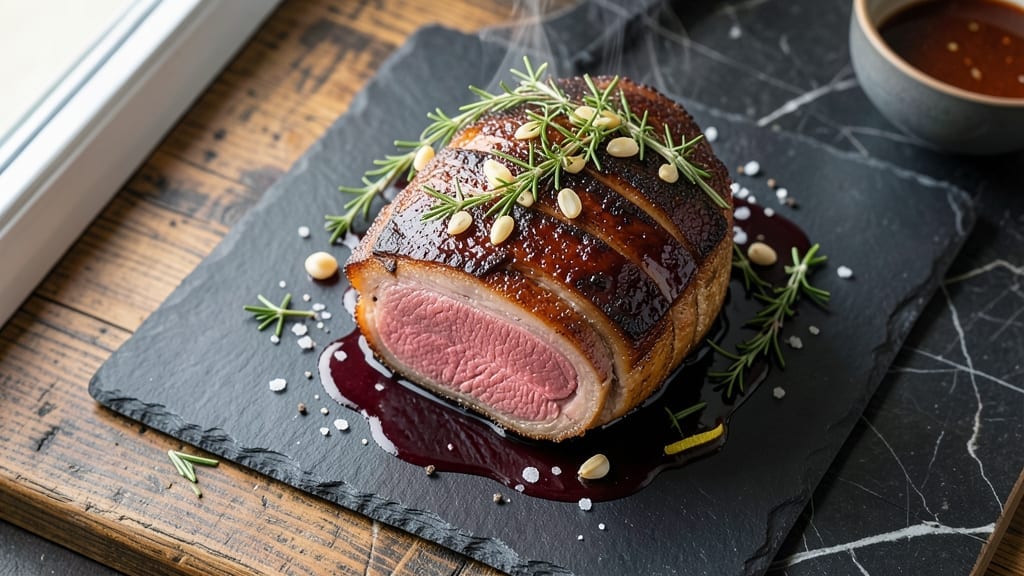
An 8-pound rib roast cooked to perfection delivers melt-in-your-mouth tenderness with a golden, flavorful crust—this is the recipe that finally cracked the code for restaurant-quality results at home. The secret lies in a carefully balanced herb crust that locks in moisture while creating that coveted caramelized exterior.
I’ve perfected this method over years of testing, ensuring every slice stays juicy even at the center.
What sets this recipe apart is the foolproof technique for achieving that ideal pink heart while developing a rich, aromatic crust. You’ll work with a dry rub of coarse kosher salt, black pepper, and fresh herbs, then roast the beef to an internal temperature of 130–135°F for medium-rare.
The key is patience—resting the roast for at least 20 minutes before slicing ensures those juices redistribute for maximum tenderness.
The result is a juicy, flavorful center surrounded by a deeply caramelized crust, making it the centerpiece of any holiday table or special dinner. Serve with classic sides like roasted garlic mashed potatoes, a bold red wine reduction, or crisp green beans.
This roast transforms a simple meal into an unforgettable experience.
For those who prefer their beef well-done, the same method works—just aim for 145°F internal temperature and adjust resting time accordingly. The herb crust adapts beautifully to different preferences, ensuring this recipe delivers no matter your taste. Let’s get started on creating your masterpiece.
Ingredients for 8 pound rib roast
Eight pounds of prime rib and twelve simple ingredients transform into a showstopping centerpiece.
| Ingredient | Amount | Notes |
|---|---|---|
| Rib Roast (Prime Rib) 🥩 | 8 lb | Bone-in, center-cut for even cooking |
| Coarse Kosher Salt 🧂 | 2 tbsp | Diamond Crystal preferred for texture |
| Freshly Ground Black Pepper 🌶️ | 1 ½ tbsp | Freshly cracked for maximum flavor |
| Fresh Rosemary 🌿 | ½ cup | Finely chopped, stems removed |
| Fresh Thyme 🌿 | ¼ cup | Leaves only, stems discarded |
| Garlic Cloves 🧄 | 8 cloves | Minced into fine paste |
| Extra-Virgin Olive Oil 🫒 | ¼ cup | High-quality, fruity variety |
| Unsalted Butter 🧈 | ½ cup | Cold, cubed for crust |
| Yellow Onion 🧅 | 1 whole | Thinly sliced for garnish |
| Red Wine 🍷 | 1 cup | Bold, dry variety for pan sauce |
| Beef Stock 💧 | 1 cup | Homemade or high-quality store-bought |
| Fresh Parsley 🌿 | ¼ cup | Chopped for garnish |
The prime rib is non-negotiable here—look for a center-cut, bone-in roast with good marbling. Costco or Whole Foods carry excellent selections, but your local butcher will often have fresher cuts. If you can’t find prime, choice-grade works in a pinch, though the flavor will be slightly less rich. The herb crust relies on fresh rosemary and thyme—don’t use dried substitutes unless absolutely necessary, as they lack the aromatic depth. For the garlic, roast it whole before mincing to mellow its sharpness and amplify sweetness, a professional trick that makes all the difference. The Diamond Crystal kosher salt is preferred for its coarse texture, which clings better to the meat and creates a more dramatic crust.
No fresh rosemary? Substitute with 1 tablespoon dried rosemary, but reduce to one-third the amount—dried herbs pack more concentrated flavor. Running low on red wine? Beef stock with a splash of balsamic vinegar mimics the depth, though the acidity will be slightly more pronounced. The extra-virgin olive oil should be fruity and peppery—California Olive Ranch or Colavita are reliable choices. For the butter, full-fat is essential—low-fat versions won’t brown properly and lack richness. If you’re concerned about calories, use ghee instead, which has a higher smoke point and similar flavor. The beef stock can be swapped for vegetable stock if you’re avoiding meat-based liquids, though the crust will be slightly less robust.
The roast should rest at least 20 minutes before slicing—this is non-negotiable for juiciness. Cover loosely with foil and place on a wire rack over a baking sheet to catch any drippings. Store leftovers in an airtight container for up to 5 days, though the flavor actually improves the next day as the juices redistribute. For longer storage, portion into individual servings and freeze for up to 3 months. The herb crust can be prepped a day ahead and stored in the fridge, saving you time on cooking day. The pan sauce, however, is best made fresh—it loses its vibrancy when reheated.
Why You’ll Love This Recipe
- Hands-Off Roast: I swear, this is the kind of recipe where you set it and forget it—literally. Just slather that prime rib with salt, pepper, and a handful of rosemary and thyme sprigs, then let the oven do the heavy lifting. No basting, no hovering, no stress.
- Crispy-Perfect Edge: That first slice? Chef’s kiss. The crust is so richly browned from the kosher salt and pepper that it practically sings, while the inside stays tender enough to melt. Honestly, I’ve tried fancier rubs, but this combo is my shortcut to restaurant-quality flavor.
- Leftovers for Days: Between us, this roast makes enough for a week of lunches—sandwiches, salads, or just reheated slices with a sprinkle of those same herbs. My kids actually ask for it, and that’s saying something when I usually get “I’m not hungry” at 3 PM.
- Holiday or Tuesday: Serve it whole for Thanksgiving with all the fixings, or carve half of it for a Sunday family dinner. I’ve even done it for a last-minute date night—just add some roasted potatoes and a simple green salad. It’s fancy enough for company, unfussy enough for when you’re too tired to think.
Step-by-step instructions for herb-crusted prime rib roast
Master this technique and you’ll achieve a perfectly cooked roast with a crispy crust and juicy pink center every time.
Prepare the Herb Crust Mixture
In a small mixing bowl, combine the 0.5 cup fresh rosemary, 0.25 cup fresh thyme, 8 cloves garlic cloves (minced), 2 tbsp coarse kosher salt, and 1.5 tbsp freshly ground black pepper. Mix thoroughly with your fingers until the herbs are evenly distributed and the garlic is fully incorporated. The mixture should be fragrant and vibrant, with the rosemary and thyme releasing their aromatic oils.
In a separate bowl, create a paste by mixing the 0.25 cup extra-virgin olive oil with the 0.5 cup unsalted butter (cold and cubed). Use a fork to work the butter into the oil until you achieve a smooth, spreadable consistency. This butter-oil mixture will form the binding agent for your herb crust, ensuring it adheres perfectly to the roast.
Season and Crust the Prime Rib
Remove the 8 lb rib roast (prime rib) from the refrigerator and let it sit at room temperature for 30 minutes before cooking. This allows for even cooking throughout. Pat the roast dry with paper towels—this is critical for achieving a crispy crust. Any moisture on the surface will prevent the herbs from sticking properly.
Spread the herb mixture evenly over the entire surface of the roast, pressing firmly to ensure good contact. Then, using your hands, gently press the butter-oil mixture over the herb crust, working it into the crevices and ensuring full coverage. The roast should now have a thick, even layer of herbs and butter. Place the roast on a wire rack set inside a roasting pan to allow for proper air circulation.
Roast to Perfect Medium-Rare
Preheat your oven to 450°F for 15 minutes to ensure it reaches the optimal temperature. Place the roast in the oven and roast for 20 minutes at this high heat to establish a deep, flavorful crust. After 20 minutes, reduce the oven temperature to 325°F and continue roasting.
Use a meat thermometer to monitor the internal temperature. For a juicy pink center, remove the roast when the internal temperature reaches 115°F for medium-rare (about 1 hour 45 minutes total cooking time). The roast will continue to rise 10-15°F while resting, so pull it out slightly before reaching your target temperature. This resting period is crucial for redistributing the juices.
Prepare the Pan Sauce
While the roast rests, place the roasting pan on the stovetop over medium-high heat. Add the 1 whole yellow onion (thinly sliced) to the drippings in the pan and cook for 3-4 minutes until softened. Pour in the 1 cup red wine and scrape up any browned bits from the bottom of the pan, allowing the wine to reduce by half.
Add the 1 cup beef stock and simmer for 5-7 minutes until the sauce has thickened slightly. Strain the sauce through a fine-mesh sieve to remove any onion pieces, then return it to the pan. Keep the sauce warm until ready to serve. The sauce should be rich, velvety, and deeply flavorful from the roasting process.
Rest and Slice for Maximum Juiciness
Transfer the roast to a cutting board and tent loosely with aluminum foil. Let it rest for 20-30 minutes before slicing. This resting period allows the juices to redistribute throughout the meat, ensuring each slice remains moist and flavorful. The roast should feel warm to the touch and release its juices easily when pierced with a knife.
Slice the roast against the grain into ½-inch thick slices. Garnish each serving with 0.25 cup fresh parsley (chopped) for a pop of color and freshness. Serve immediately with the pan sauce spooned generously over the top. The result should be a beautifully crusty exterior with a tender, juicy pink center that practically melts in your mouth.
Pro Tips For Making 8 Pound Rib Roast
- Dry It First: Pat that roast bone-dry with paper towels before seasoning—wet meat steams instead of searing. I used to skip this, and my crust never got crispy; now it’s the thing that makes the difference between “good” and “showstopper.”
- Salt Like a Pro: Use about 1.5 tablespoons coarse kosher salt per pound—generously rub it on and between the bones. Fresh rosemary and thyme go in last, tucked into the crevices after salting. (Yes, even if it feels excessive—trust me.)
- Start Hot, Finish Slow: Sear the roast over high heat for 10 minutes per side to lock in juices, then drop to 275°F until it hits 115°F internal. I learned this the hard way—rushing the low-and-slow phase gives you a dry, sad roast.
- Rest Under Foil: Tent that roast with foil for 15 minutes after pulling it from the oven. The residual heat finishes cooking while keeping it moist—no more dry slices when you’re finally ready to carve. (Your future self will thank you.)
Creative variations of this dish
Holiday Feast Twist
Transform this roast into a showstopping holiday centerpiece by adding a layer of crispy prosciutto before roasting. Wrap the entire roast in 4-6 slices of high-quality prosciutto (like Oscaro or Della Valle), securing it with toothpicks.
The prosciutto will crisp beautifully during roasting, adding a salty, savory contrast to the herb crust. For extra drama, finish with edible gold leaf or a sprinkle of fresh rosemary confetti before serving. 🌟
Global Herb Variations
Swap out the rosemary and thyme for global-inspired herb blends that keep the same technique but change the flavor profile. Try French herb (tarragon, parsley, chervil) for a lighter touch, or Middle Eastern (coriander, cumin, sumac) for an earthy twist.
For a smoky BBQ version, mix 1 tbsp smoked paprika and 1 tsp cayenne into the crust, then glaze with ½ cup BBQ sauce in the last 10 minutes of roasting. 🌍
Vegetarian Adaptation
For a plant-based version, use a portobello mushroom crown (4 large mushrooms, stems removed) or a beet and walnut loaf. Marinate the mushrooms in balsamic vinegar, olive oil, and garlic for 2 hours, then coat with the same herb crust.
Roast at 425°F for 25 minutes (no high-heat start needed) until tender. The crust will still crisp beautifully, and the red wine reduction becomes a vegetable stock sauce with nutritional yeast for depth. 🌱
Slow-Cooker Option
For a hands-off approach, sear the roast in a Dutch oven (as directed), then transfer to a slow cooker with 1 cup beef broth and 1 cup red wine. Cook on low for 6-8 hours until tender.
The crust won’t be as crispy, but the meat will be fall-apart tender—perfect for sandwiches or tacos. Finish with the pan sauce and serve with crusty bread for soaking up every drop. ⏰
Spicy Kick Version
Add heat lovers with a chili-lime crust: mix 1 tbsp chipotle powder and 1 tsp lime zest into the herb blend. For extra fire, top the roast with 2 tbsp chopped jalapeños before roasting.
Serve with a cooling side like avocado crema (blend 1 avocado + ¼ cup sour cream + lime juice) to balance the heat. The smoky, spicy crust pairs perfectly with medium-rare for a bold flavor punch. 🌶️
Make-Ahead Mastery
Prepare the herb crust and butter mixture up to 2 days ahead and store in an airtight container in the fridge. The roast itself can be seasoned and refrigerated overnight (uncooked) for deeper flavor penetration. On cooking day, simply pat dry, apply the crust, and roast as directed.
For leftovers, slice thinly and use in sandwiches, salads, or grain bowls—the crust stays flavorful for 3-4 days when stored properly. 💪
Nutrition facts
Frequently asked questions
How long should I let an 8-pound rib roast rest before slicing?
Always let your roast rest for 20-30 minutes before slicing. This crucial step allows the juices to redistribute throughout the meat, preventing them from running out when you cut. For an 8-pound roast, the longer rest time ensures even more tenderness across all slices.
Can I cook an 8-pound rib roast at a lower temperature for more even cooking?
Yes! While the recipe starts with 450°F for crust development, you can roast the entire time at 275°F for slow, even cooking. This method takes 4-5 hours total and yields incredibly tender meat with a softer crust. Use a meat thermometer to monitor—aim for 115°F for medium-rare.
What’s the best way to reheat leftover rib roast?
Slice the roast thinly and reheat in a skillet over medium-low heat with a splash of beef stock or red wine to keep it moist. Never microwave—it turns the meat rubbery. For larger portions, bake at 300°F covered with foil for 15-20 minutes until warmed through.
How do I adjust this recipe for a bone-in vs. boneless roast?
Bone-in roasts cook faster due to heat conduction through the bone. Reduce your target temperature by 5°F (e.g., 110°F instead of 115°F) and add 10-15 minutes to cooking time. For boneless roasts, increase temperature by 5°F and monitor closely—they dry out faster without the bone’s moisture buffer.
Why did my rib roast turn out dry?
Most likely, you skipped the resting period or overcooked the meat. Always pull the roast out when it reaches 10-15°F below your target temperature—it continues cooking while resting. Also check your oven temperature with an oven thermometer (many run 25-50°F hotter than set). For extra moisture, add 1 cup beef broth to the roasting pan halfway through cooking.

- 8 Ounce Crab Cakes Recipe: Golden Crust With Luminescent Crab Hearts - October 12, 2026
- 1950’s Betty Crocker Banana Bread Recipe: Nostalgic Spice Swirls and Moist Crumb - October 12, 2026
- 2 Quart Homemade Ice Cream Recipe: Ultra Creamy Vanilla Bean Swirls - October 12, 2026