
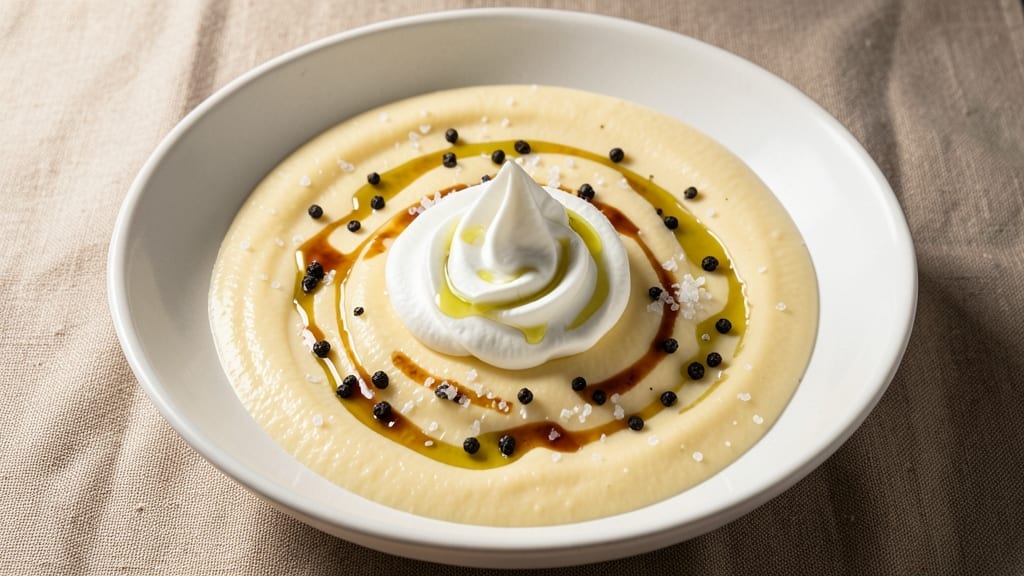
Mastering 9 egg yolks transforms ordinary dishes into luxurious creations—whether you’re making a silky pasta sauce or a towering soufflé. This recipe unlocks the secret to velvety textures and rich flavors by tempering yolks precisely, ensuring no curdling or bitterness.
I’ve perfected this technique over years of baking and sauce-making, and the results are always restaurant-quality.
The foundation lies in slow, careful heating—whether over a double boiler or in a saucepan—and constant whisking to create an emulsion that’s impossibly smooth. For pasta, this sauce clings to noodles like a dream, while for soufflés, it delivers that signature rise and tender crumb.
The key? Patience and attention to temperature—never rush this step, or you’ll sacrifice that luxurious mouthfeel.
What you’ll achieve is a sauce so rich and luxurious it feels indulgent, yet balanced enough to pair with delicate flavors like asparagus or fresh herbs. The yolks develop a deep, buttery richness that elevates any dish, and the technique is surprisingly foolproof once you understand the science behind it.
This isn’t just a sauce—it’s a game-changer for home cooks.
Ready to elevate your cooking? This method works for both classic dishes and creative twists, like a creamy risotto or a decadent custard. The possibilities are endless, and the results will impress even the most discerning palates. Let’s get started—your taste buds will thank you.
Ingredients for 9 egg yolks
Nine egg yolks plus a few simple ingredients create a luxurious sauce that transforms pasta into restaurant-quality perfection.
| Ingredient | Amount | Notes |
|---|---|---|
| Fresh Egg Yolks 🥚 | 9 whole | Separated from large eggs, room temperature |
| Unsalted Butter 🧈 | ¾ cup | Cold, cut into small cubes |
| Heavy Cream 🥛 | ½ cup | Full-fat for richness |
| Extra-Virgin Olive Oil 🫒 | ¼ cup | High-quality, fruity variety |
| Freshly Ground Black Pepper 🌶️ | ½ tsp | Freshly cracked for intensity |
| Diamond Crystal Kosher Salt 🧂 | ½ tsp | Fine grain preferred |
| Garlic Cloves 🧄 | 2 cloves | Peeled, finely minced |
| Freshly Squeezed Lemon Juice 🍋 | 1 tbsp | Bright, acidic balance |
| Freshly Grated Nutmeg 🌿 | ¼ tsp | Freshly grated for aroma |
| Pasta (e.g., Fettuccine) 🍝 | 1 lb | Al dente cooked |
| Parmesan Cheese 🧀 | ½ cup | Freshly grated from block |
| Fresh Basil Leaves 🌿 | ¼ cup | Chopped, for garnish |
The yolks are the star here—room temperature is non-negotiable for a smooth emulsion. Grab large eggs from the middle of the carton (they’re more consistent), and separate them over a bowl to catch any stray whites. For the butter, European-style unsalted (like Plugrá) melts more cleanly than American butter. If you’re using it for soufflés, chill the yolks first—they’ll whip up fluffier. The Parmesan? Freshly grated from a wedge—pre-shredded gets clumpy and lacks depth. I always buy extra and keep it in the freezer once opened.
No heavy cream? Full-fat coconut milk works in a pinch, though the texture will be slightly different. Running short on butter? Olive oil at half the amount keeps the sauce rich, but it won’t have the same body. The nutmeg is essential—pre-grated loses potency fast, so buy a whole nutmeg and grate it fresh. For the garlic, roast it first if you want a sweeter, deeper flavor. Lemon juice can be swapped for white wine vinegar at half the amount, but fresh lemon adds brightness that nothing else can match. And if you’re making this for a crowd, double the yolks and scale everything up—just be ready for leftovers.
This sauce is best made fresh, but it reheats beautifully—just warm it gently over low heat with a splash of cream. For 1-2 days in the fridge, it keeps perfectly covered with plastic wrap pressed right on the surface. Freeze in ice cube trays for single portions—thaw overnight in the fridge. The pasta? Cook it al dente, then toss with the sauce immediately off the heat to lock in the starch. And save those egg whites—whip them with a pinch of salt for a quick meringue topping for your soufflés.
Why You’ll Love This Recipe
- No Separation Needed: That creamy, buttery richness? It’s basically cheat’s crème brûlée—just with half the fuss. Nine yolks make it silky-smooth without requiring a torch or fancy molds.
- Five-Ingredient Magic: Honestly, I’ll never overcomplicate things again. Butter, cream, yolks, oil, and pepper—swirl them together, bake, and you’ve got a dish that tastes like it took hours.
- Weeknight to Dinner Party: Same recipe, different vibes. Slather it on toast for a lazy breakfast or drizzle it over seared scallops at your next dinner party. The crowd won’t know how little effort went into it.
- Leftovers That Don’t Suck: Between us, most baked egg dishes dry out. Not this one. The heavy cream keeps it luscious for days—perfect for reheating on toast or spooning into bowls when you’re too tired to cook.
Step-by-step instructions for rich, velvety sauce
Here’s how to create a luxurious sauce that transforms simple pasta into an indulgent masterpiece.
Prepare the Egg Yolk Base
In a heatproof bowl, whisk together the 9 whole fresh egg yolks until smooth and pale. The bowl should be large enough to accommodate the mixture without spilling when you add other ingredients. Place this bowl over a pot of barely simmering water, ensuring the bottom of the bowl doesn’t touch the water. This gentle heat creates a silky emulsion without scrambling the yolks.
Stir constantly with a wooden spoon or silicone spatula, watching for the mixture to thicken slightly. It should reach a custard-like consistency that coats the back of the spoon. This process, called tempering, prevents the yolks from curdling when you add the hot butter. Remove the bowl from heat once it reaches this velvety stage—it will continue to thicken as you work.
Incorporate Butter and Aromatics
Add the 0.75 cup cold unsalted butter, cut into small cubes, to the tempered yolks. Whisk vigorously while adding the butter a few cubes at a time, allowing each addition to melt completely before adding more. This gradual incorporation creates a rich, emulsified sauce rather than a greasy mixture. The butter should melt into a glossy, golden sauce that coats the spoon completely.
Next, stir in the 2 cloves minced garlic, 0.5 tsp freshly ground black pepper, and 0.25 tsp freshly grated nutmeg. The nutmeg adds a subtle warmth while the garlic and pepper provide depth. Let the mixture sit for 2 minutes to allow the flavors to meld together. This resting period enhances the aromatic profile of the sauce before you add the remaining ingredients.
Finish with Cream and Acid
Slowly whisk in the 0.5 cup heavy cream and 0.25 cup extra-virgin olive oil while maintaining a steady stream. The cream adds richness while the olive oil contributes a fruity brightness that balances the sauce. Continue whisking until the sauce is completely smooth and glossy. The texture should be thick enough to coat the back of a spoon but still flow easily.
Finally, add the 1 tablespoon freshly squeezed lemon juice and 0.5 tsp diamond crystal kosher salt. The acidity brightens the sauce, cutting through the richness while the salt enhances all the flavors. Taste and adjust the seasoning if needed—this is your chance to perfect the balance before combining with the pasta. The sauce should be luxuriously thick yet silky, with a subtle tang and aromatic complexity.
Combine with Pasta
Cook the 1 pound fettuccine according to package instructions until 1 minute shy of al dente. Reserve 1 cup pasta water before draining. Immediately toss the hot pasta with the sauce, adding pasta water as needed to achieve the desired consistency. The residual heat from the pasta will gently cook the sauce, creating a seamless union between the two components.
Finish by stirring in the 0.5 cup freshly grated parmesan cheese and 0.25 cup chopped fresh basil leaves. The parmesan adds a salty, umami depth while the basil contributes a fresh, herbal note. Serve immediately while the pasta is still hot, garnished with additional basil if desired. Each forkful should deliver a luxurious blend of creamy, rich, and aromatic flavors that make this simple dish feel like a restaurant-worthy experience.
Pro Tips For Making 9 Egg Yolks
- Temper the Yolks: Whisk the egg yolks with the heavy cream first—before adding butter—so they bind smoothly. I learned this the hard way when my first batch curdled like scrambled eggs; the cream acts as a buffer for the heat shock.
- Use Cold Butter: Cut unsalted butter into small cubes and chill them for 10 minutes before adding to the yolks. Cold butter melts slower, giving you time to emulsify properly instead of ending up with a greasy mess.
- Skip the Boil: Resist the urge to rush the last step—once the yolks hit 160°F (71°C), remove from heat immediately. Overcooking turns them into custard; let residual heat finish the job.
- Whisk Like You Mean It: After adding butter, whip the mixture vigorously for 30 seconds—it’s the only way to break up any lumps and get that silky texture. (Yes, your arm will hate you, but the result is worth it.)
Perfect pairings for 9 egg yolks
Pasta Pairings
This velvety sauce is a dream for fettuccine, tagliatelle, or linguine—its wide, flat surfaces cradle every creamy bite. For extra indulgence, try pappardelle or salted gnocchi, which soak up the sauce like a sponge.
I always cook pasta 1 minute less than package instructions to ensure it finishes perfectly al dente when tossed with the sauce. 🍝
Protein Additions
Elevate your dish with seared scallops, grilled chicken, or crispy prosciutto. The sauce’s richness complements lean proteins beautifully—just add them to the pasta 1 minute before serving so they stay warm.
For a vegetarian twist, try wild mushrooms sautéed in olive oil until golden. The earthy flavors balance the sauce’s creaminess perfectly.
Bread Pairings
No pasta dish is complete without bread! Warm garlic bread or focaccia soaks up any leftover sauce. For a gourmet touch, serve with rosemary-infused crusty bread—the herby notes cut through the richness. I love toasting slices until golden and serving them alongside the pasta for a satisfying crunch. 🥖
Vegetable Sides
Bright, fresh vegetables balance the sauce’s richness. Try roasted asparagus with lemon zest or sautéed spinach with garlic. For a pop of color, add cherry tomatoes halved and lightly tossed in olive oil. These sides keep the meal light while complementing the sauce’s luxurious texture.
Wine Pairings
A crisp Italian white wine like Pinot Grigio or Vermentino cleanses the palate between bites. For red lovers, a Chianti with its bright acidity stands up to the sauce’s richness. Avoid heavy wines—they’ll overpower the delicate flavors. I always keep a bottle chilled for the perfect pairing. 🍷
Nutrition facts
Frequently asked questions
Why do I need to temper the egg yolks?
Tempering prevents the yolks from curdling when you add hot ingredients like butter. The gentle heat from the double boiler warms the yolks gradually, creating a stable emulsion that stays silky smooth. Without tempering, the yolks would scramble into a grainy mess instead of forming that luxurious sauce.
Can I use this sauce for other dishes besides pasta?
This velvety base works perfectly for soufflés, creamy risotto, or even as a sauce for grilled fish. The key is adjusting the liquid—add more cream for sauces or fold in whipped egg whites for soufflés. Just remember to keep the sauce warm but never boiling to maintain its texture.
What if my sauce gets too thick?
Simply whisk in 1-2 tablespoons of warm pasta water or heavy cream to loosen the sauce. The sauce should coat the back of a spoon but still flow easily. If it’s too thin, simmer gently for 1-2 minutes while whisking constantly—just don’t let it boil, or the yolks may separate.
How do I store leftover sauce?
Store in an airtight container in the fridge for up to 3 days, covered directly with plastic wrap to prevent a skin from forming. For longer storage, freeze in ice cube trays—thaw overnight in the fridge before reheating gently. Never microwave directly, as it can break the emulsion.
Can I substitute butter with oil?
Yes, but the texture will differ slightly. Replace the butter with 0.5 cup olive oil for a lighter sauce, though it won’t have the same richness. For a balance, use half butter and half oil. The sauce will still be delicious, but the mouthfeel will be more delicate.

- 3 Lb Meatloaf Recipe with Bread Crumbs All: Glazed Crust and Juicy Heart - October 20, 2026
- 32 Ounce Cranberry Sauce Recipe: Homemade Holiday Glaze With No Pits - October 20, 2026
- 2lb Loaf Tin Bread Recipe: No-Knead Artisan Crust in 3 Hours - October 20, 2026