
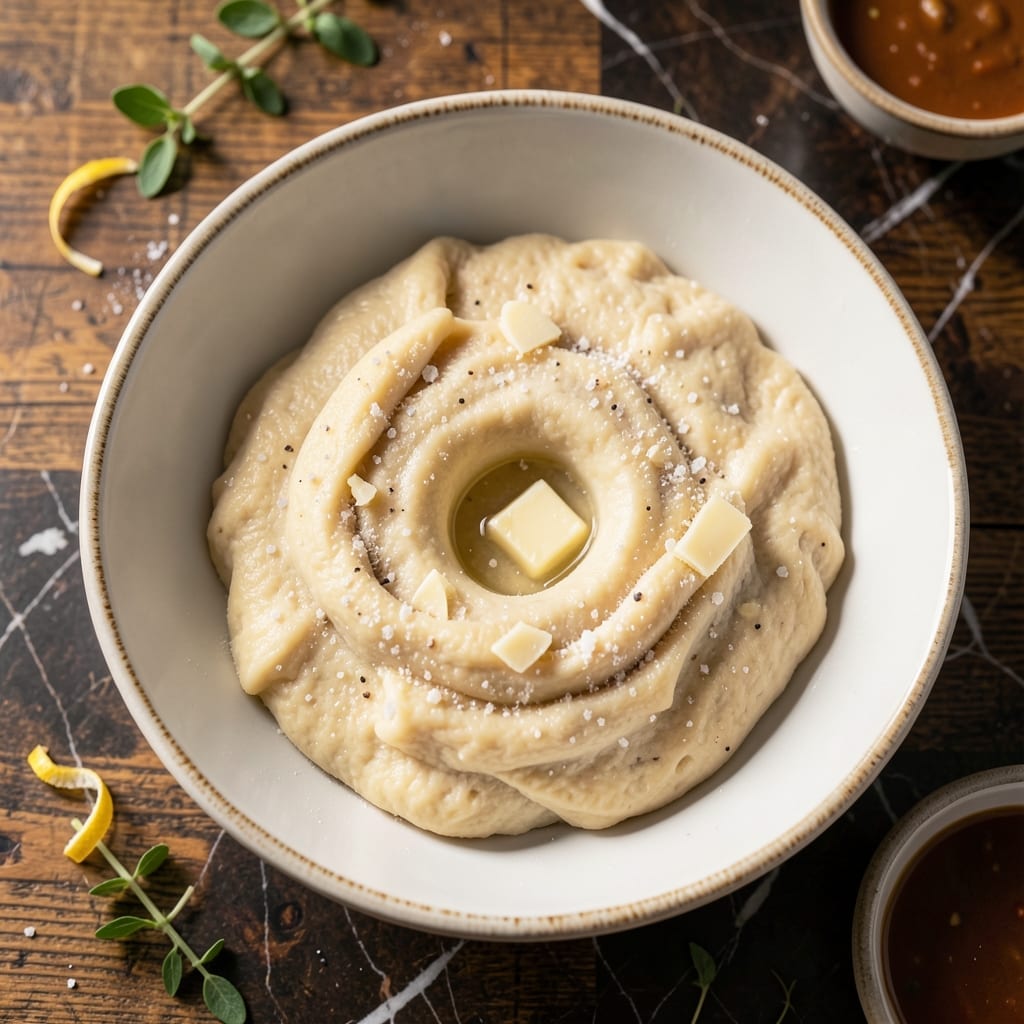
This pastry dough transforms a good pot pie into an unforgettable one. The secret lies in the balance of cold butter and precise layering, creating a flaky, golden crust that holds up to the rich filling.
I’ve refined this recipe to ensure it stays tender yet sturdy, with a melt-in-your-mouth texture that complements the savory chicken and vegetables inside. The key is keeping everything ice-cold until it hits the oven.
With just a few simple ingredients and a bit of patience, you’ll craft a crust that’s buttery, crisp, and perfectly layered. It’s the foundation of a dish that feels like home in every bite.
Use it for classic chicken pot pie or any savory filling you love. Here’s how to make it right.
Ingredients for Chicken Pot Pie Pastry Dough
Cold butter and flour are all you need for this flaky, golden foundation.
| Ingredient | Amount | Notes |
|---|---|---|
| All-Purpose Flour 🌾 | 2 ½ cups | Spoon and level for accuracy |
| Unsalted Butter 🧈 | 1 cup | Ice cold, cubed |
| Ice Water 💧 | ½ cup | Plus 1 tbsp as needed |
| Salt 🧂 | 1 tsp | Fine sea salt preferred |
| Granulated Sugar 🍚 | 1 tsp | Optional for color |
| Large Egg 🥚 | 1 whole | For egg wash (optional) |
| Vinegar 🍶 | 1 tbsp | White or apple cider |
The butter is everything here. Use high-fat European-style—it has less water, which means flakier layers. Land O’Lakes or Kerrygold are solid choices. Keep it ice-cold (literally—pop the cubes back in the freezer for 10 minutes before starting). The flour? King Arthur if you want to splurge, but any all-purpose works. Just don’t overwork it.
No unsalted butter? Use salted but skip the added salt. Short on ice water? Any very cold water works (tap’s fine). Want a richer color? Add the egg wash plus a splash of cream. The vinegar tenderizes—don’t skip it (you won’t taste it, promise). If the dough cracks when rolling, let it rest for 5 minutes then try again.
Dough keeps 3 days wrapped tightly in the fridge, or freeze for 1 month. Let frozen dough thaw overnight before rolling. Pre-cut parchment circles make assembly faster next time.
Why You’ll Love This Recipe
- 5-Ingredient Magic: Honestly, it’s just flour, butter, ice water, salt, and a pinch of sugar—no fancy ingredients, yet it turns out flaky every single time.
- Buttery Layers: The cold butter and ice water create that perfect crisp, golden crust that shatters with every bite.
- Freezer Friendly: I make a double batch and freeze half for next time—saves me a full 45 minutes when cravings hit.
- Weeknight Hero: Between us, this dough comes together faster than takeout arrives, and tastes way better.
Step-by-Step Instructions for Chicken Pot Pie Pastry Dough
Here’s the method I use to create flaky, golden pastry that holds up beautifully to hearty fillings.
Step 1: Combine Dry Ingredients and Cold Butter
In a large bowl, whisk together the 2.5 cups All-Purpose Flour, 1 tsp Salt, and 1 tsp Granulated Sugar. I use fine sea salt because it distributes more evenly throughout the dough.
Add the 1 cup Unsalted Butter cubed directly from the refrigerator. The key here is keeping everything cold—this prevents the butter from melting into the flour, which is essential for those buttery layers we’re after.
Work the butter into the flour with your fingers, a pastry cutter, or a fork until the mixture resembles coarse crumbs with pea-sized butter pieces visible. This should take about 3-4 minutes of steady work.
Step 2: Add Vinegar and Ice Water Gradually
Create a well in the center of the flour mixture. Add the 1 tbsp Vinegar and ½ cup Ice Water to the well. I use ice water straight from the fridge to maintain the cold temperature.
Using a fork, gradually incorporate the dry ingredients into the wet ingredients. Start from the center and work your way outward. The dough will look shaggy and dry at first—this is normal.
Continue mixing until the dough just comes together when pressed. If it’s still too dry, add 1 tbsp of additional ice water. The dough should hold together but not be sticky.
Step 3: Knead and Shape the Dough
Turn the dough out onto a lightly floured surface. Gently knead it 4-5 times just until it forms a cohesive ball. Over-kneading will develop the gluten too much, resulting in tough pastry instead of tender layers.
Divide the dough into two equal portions. Shape each into a 1-inch thick disk. This makes it easier to roll out later and ensures even baking.
Wrap each disk tightly in plastic wrap. The dough needs to rest in the refrigerator for at least 1 hour, or up to 2 days. This chilling time allows the gluten to relax and the butter to firm up.
Step 4: Roll and Prepare for Filling
On a lightly floured surface, roll out one disk of dough to about ⅛-inch thickness. Use a rolling pin and apply even pressure from the center outward. Rotate the dough occasionally to prevent sticking.
To use as a bottom crust, transfer the rolled dough to your pie dish and press it gently into the bottom and up the sides. Trim the edges, leaving a ½-inch overhang. For the top crust, roll the second disk to the same thickness and set it aside until ready to assemble.
If using for a pot pie, you can also cut the dough into strips for a lattice top. Brush the edges with some of the 1 whole Large Egg beaten with a tablespoon of water to help seal and create a golden finish when baked.
Pro Tips For Making Chicken Pot Pie Pastry Dough
- Chill the Butter: Cut your unsalted butter into small cubes and refrigerate for 15 minutes before mixing—this keeps the fat cold, which is non-negotiable for flaky layers in your pot pie crust.
- Use Ice Water: I learned this the hard way: even slightly warm water will soften the dough and ruin the texture. Fill a glass with ice and water, then measure from that.
- Don’t Overwork It: Mix just until the dough comes together, even if it looks a little shaggy. Overworking develops gluten, and your crust will end up tough instead of tender.
- Rest Before Rolling: After shaping the dough into a disk, wrap it and refrigerate for at least 30 minutes. Skipping this makes the pastry shrink and crack when you try to roll it out.
Storing and Reheating Leftovers
Refrigerator Storage
Wrap your dough disks tightly in plastic wrap or place in airtight containers. They’ll keep beautifully in the fridge for up to 3 days. The cold actually enhances the flavor as the butter continues to work its magic. ❄️
Freezer Storage
For longer storage, freeze the wrapped dough for up to 1 month. I recommend double-wrapping in plastic wrap and then a freezer bag to prevent freezer burn. Label with the date so you don’t forget!
Thawing the Dough
When ready to use, transfer frozen dough to the fridge and let it thaw overnight. Never microwave—this will melt the butter and ruin the flaky texture. For a quick thaw, submerge the sealed dough in cold water for 30-45 minutes.
Re-Rolling Tips
If the dough cracks while rolling, let it rest at room temperature for 5-10 minutes to soften slightly. Always roll from the center outward, turning the dough ¼ turn between rolls to maintain even thickness.
Pre-Baking Prep
Before filling, dock the bottom crust by pricking it all over with a fork. This prevents air bubbles from forming during baking. Brush the top crust with egg wash for that golden, glossy finish we all love. 💛
Reheating Baked Pie
To revive leftovers, warm slices in a 350°F oven for 10-15 minutes until crisp. The microwave works in a pinch, but cover with a damp paper towel to retain moisture.
Nutrition Facts
Frequently Asked Questions
Why does the butter need to stay cold?
Cold butter creates flaky layers by melting in the oven, not before. If it warms up during prep, it blends into the flour, making tough crust instead of tender pastry.
Can I use a food processor instead of my hands?
Yes! Pulse the flour and cold butter until pea-sized crumbs form. Be careful not to over-process—just 5-6 short pulses should do it.
What if my dough cracks while rolling?
Let it rest at room temperature for 5-10 minutes to soften slightly. If cracks persist, patch with extra dough and seal with a bit of water.
Do I need to blind-bake the crust first?
Not for pot pie! The filling cooks with the crust, so just dock (prick) the bottom to prevent air bubbles. Save blind-baking for custard pies.

- 6 Qt Dutch Oven Bread Recipe: Crusty Crumb and Golden Crust in One Bake - September 25, 2026
- 8-Inch Chocolate Cake Recipe: Fudgy Crust and Decadent Ganache Swirls - September 25, 2026
- 5 Star Lasagna Recipe with Ricotta Cheese: Layers of Creamy Cheese and Tender Meat - September 25, 2026