
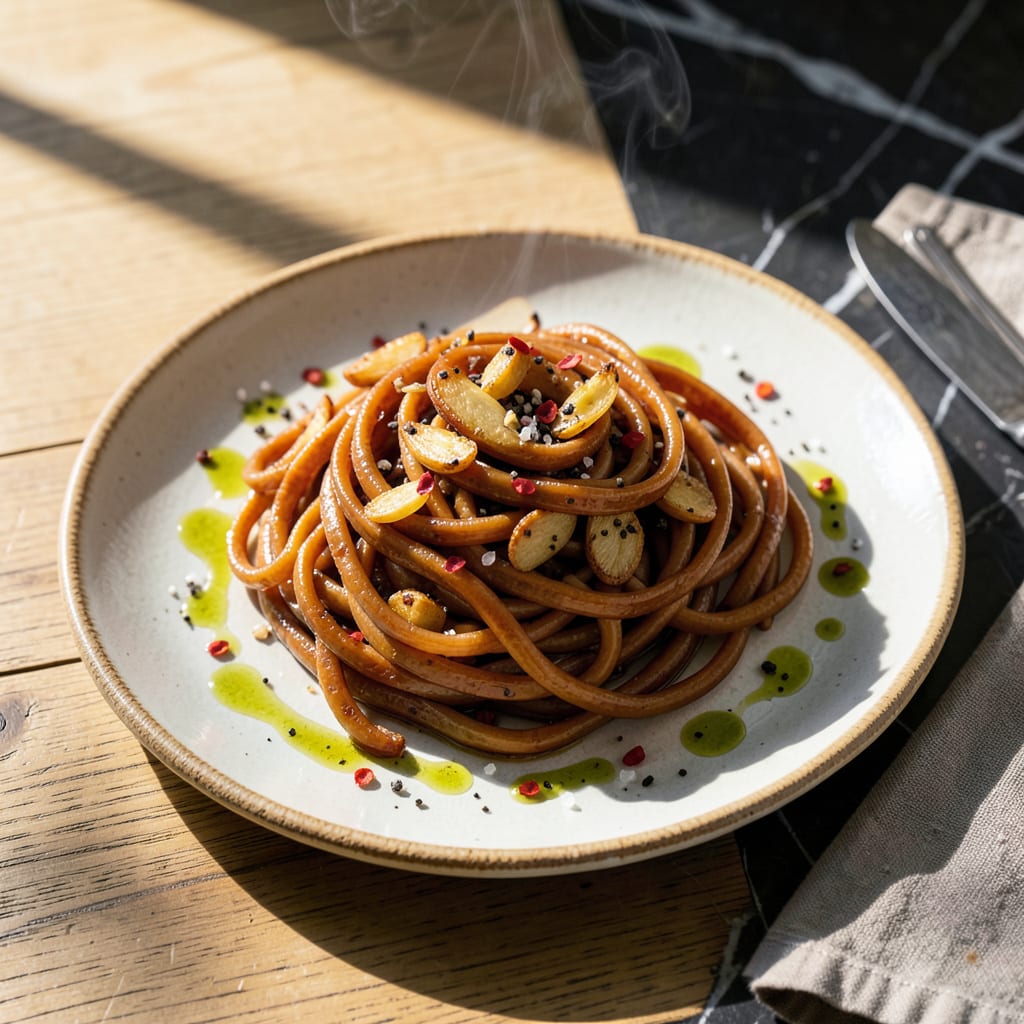
Sweet potato noodles offer a vibrant, nutrient-packed alternative to traditional pasta that delivers both comfort and nutrition. This recipe transforms fresh sweet potatoes into tender, spiralized strands in just 20 minutes, creating a dish that satisfies cravings while keeping ingredients wholesome and simple.
The key to perfect texture lies in proper preparation and quick cooking. By selecting firm sweet potatoes and using a consistent spiralizing technique, you’ll achieve noodles that maintain their shape and offer a satisfying bite. Whether served warm or chilled, these noodles adapt beautifully to various sauces and flavor profiles.
Ingredients for Fresh Kitchen Sweet Potato Noodle
This vibrant dish requires just twelve wholesome ingredients to create restaurant-quality spiralized sweet potato noodles at home.
| Ingredient | Amount | Notes |
|---|---|---|
| Medium Sweet Potatoes 🍠 | 2 whole | Firm, unblemished, about 10 oz each |
| Extra-Virgin Olive Oil 🫒 | 2 tbsp | Divided for cooking and finishing |
| Garlic Cloves 🧄 | 3 cloves | Thinly sliced for even distribution |
| Red Pepper Flakes 🌶️ | ½ tsp | Adjust to preferred heat level |
| Sea Salt 🧂 | ¾ tsp | Divided for seasoning and finishing |
| Freshly Ground Black Pepper 🌶️ | ½ tsp | Coarsely ground for texture |
| Fresh Cilantro 🌿 | ¼ cup | Roughly chopped for garnish |
| Toasted Sesame Seeds 🌾 | 1 tbsp | For nutty finish and presentation |
| Lime 🍋 | 1 whole | Zested and juiced for brightness |
| Tamari or Soy Sauce 💧 | 1 ½ tbsp | Gluten-free tamari preferred |
| Maple Syrup 🍁 | 1 tbsp | Grade A for balanced sweetness |
| Sesame Oil 🫒 | 1 tsp | Toasted variety for depth |
Optimal quality requires selecting firm, unblemished sweet potatoes with deep orange flesh—organic varieties from Whole Foods or local farmers markets yield superior texture. The extra-virgin olive oil should be cold-pressed and recently bottled; California Olive Ranch or Bragg offer reliable options. For the tamari, San-J provides consistent gluten-free quality. Proper spiralizing demands a sharp, Japanese-style mandoline or dedicated spiralizer—the Paderno World Cuisine model delivers professional results for under $30.
Substitutions maintain integrity when carefully considered. Yams may replace sweet potatoes (adjust cooking time by 2 minutes), while coconut aminos stand in for tamari at a 1:1 ratio. For nut-free preparation, omit sesame seeds and increase toasted pumpkin seeds to 1.5 tbsp. The maple syrup can be replaced with agave nectar at equal volume, though flavor profiles will shift slightly. Pre-cut spiralized sweet potatoes (available at Trader Joe’s) reduce prep time but require immediate cooking to prevent oxidation.
Storage demands attention to texture preservation. Prepared noodles keep in airtight containers for 3 days refrigerated, though crispness diminishes after 24 hours. For meal prep, spiralize raw sweet potatoes and store submerged in cold water for up to 48 hours—drain and blot thoroughly before cooking. The finished dish reheats best via gentle sauté rather than microwaving to maintain al dente quality. All dry ingredients (sesame seeds, spices) retain potency for 6-12 months in cool, dark pantry conditions.
Why You’ll Love This Recipe
- No Spiralizer Needed: I just use a vegetable peeler—thick strips, no fancy gadgets. The sweet potatoes hold their shape better than zucchini, so even my clumsy slices turn out great.
- Garlic Meets Heat Magic: When those minced garlic cloves hit the hot olive oil with red pepper flakes? That sizzle is your flavor foundation. The sweetness of the potatoes caramelizes against the spicy garlic oil—honestly, I could eat it straight from the pan.
- My Lunchbox Hero: Cold or room temp, these noodles keep their texture for days. I toss leftovers with a fried egg for breakfast or pack them with roasted chickpeas for a desk lunch that doesn’t make coworkers jealous (okay, maybe a little).
- Five-Ingredient Flex: Between us, I’ve swapped the red pepper flakes for smoked paprika when my kid’s eating it, and it still works. The base recipe’s so unfussy that I can splurge on fancy olive oil or use what’s already open—no extra grocery trips.
Step-by-Step Instructions for Sweet Potato Noodles
This method transforms fresh sweet potatoes into tender, flavorful noodles with minimal effort and maximum satisfaction.
Step 1: Prepare and Spiralize the Sweet Potatoes
Begin by thoroughly washing and drying the 2 whole medium sweet potatoes. I recommend using a vegetable brush to remove any dirt from the skin, as we’ll be keeping it on for texture and nutrients. Trim off any blemishes or rough spots, but leave the skin intact for fiber and visual appeal.
Secure the sweet potato in your spiralizer using the medium blade setting (about ⅛-inch thickness). Spiralize into long, even noodles. If you encounter resistance, stop and readjust the potato’s position. The noodles should be uniform in thickness to ensure even cooking. Transfer immediately to a clean kitchen towel to absorb excess moisture, which prevents soggy results.
Step 2: Sauté Aromatics and Bloom Spices
Heat 1 tablespoon extra-virgin olive oil in a large skillet over medium heat. Add the thinly sliced garlic cloves and 0.5 teaspoon red pepper flakes, stirring constantly for 45-60 seconds until the garlic turns light golden brown and becomes fragrant. This careful timing prevents burning while developing deep, aromatic flavors.
Immediately add the remaining 1 tablespoon extra-virgin olive oil and swirl to coat the pan. The residual heat will gently infuse the oil with the garlic and chili flavors, creating a flavorful foundation for the noodles. Reduce heat to medium-low to prevent scorching while you prepare to add the sweet potato noodles.
Step 3: Cook Noodles to Perfect Tenderness
Add the spiralized sweet potato noodles to the skillet in an even layer. Sprinkle with 0.5 teaspoon sea salt and 0.5 teaspoon freshly ground black pepper. Cook undisturbed for 2 minutes to allow the bottom layer to develop slight caramelization. Then, using tongs, gently toss the noodles for another 3-4 minutes until they’re tender-crisp but not mushy.
The noodles should maintain some bite while being easily pierced with a fork. Watch for the color to shift from bright orange to a slightly deeper hue, indicating proper cooking. Avoid over-stirring, which can break the delicate strands. The edges should just begin to curl when perfectly done.
Step 4: Create the Signature Sauce
Reduce heat to low and push the noodles to one side of the pan. In the cleared space, add 1.5 tablespoons tamari or soy sauce, 1 tablespoon maple syrup, and 1 teaspoon sesame oil. Stir these together for 30 seconds until the mixture becomes glossy and slightly reduced.
Immediately toss the noodles in this sauce, coating them evenly. The heat should be just enough to warm the sauce without reducing it further. Add the zest of 1 lime and half of its juice, tossing again to distribute the bright citrus notes throughout the dish. The sauce should lightly coat each noodle without pooling in the pan.
Step 5: Finish and Serve with Fresh Elements
Transfer the noodles to a serving platter and sprinkle with the remaining 0.25 teaspoon sea salt, 0.25 cup fresh cilantro, and 1 tablespoon toasted sesame seeds. Cut the zested lime into wedges for serving. The contrast of warm noodles with cool, fresh garnishes creates the ideal balance of flavors and textures.
Serve immediately while the noodles retain their optimal texture. Each serving should have an even distribution of garlic, sesame seeds, and cilantro. The final dish should present vibrant orange noodles glistening with sauce, speckled with green cilantro and golden sesame seeds, offering both visual appeal and layered flavors in every bite.
Creative Variations of This fresh kitchen sweet potato noodle
Spicy Thai Peanut
Transform your sweet potato noodles into a Thai-inspired masterpiece by tossing them with 3 tablespoons natural peanut butter (I love Crazy Richard’s brand), 1 tablespoon sriracha, and 1 teaspoon grated ginger. Thin the sauce with 2 tablespoons warm water for perfect consistency. Garnish with crushed peanuts and thinly sliced scallions for crunch. 🌶️
Creamy Garlic Alfredo
For a decadent twist, blend ½ cup raw cashews (soaked in hot water for 15 minutes) with ½ cup vegetable broth, 2 garlic cloves, and 1 tablespoon nutritional yeast. Toss the warm noodles in this velvety sauce and finish with black pepper and fresh parsley. The cashews create an incredibly rich texture without dairy.
Mediterranean Herb Salad
Serve your noodles chilled as a refreshing salad. Toss with 2 tablespoons lemon juice, 3 tablespoons extra-virgin olive oil, 1 teaspoon dried oregano, and ½ cup diced cucumber. Add Kalamata olives and crumbled vegan feta (I recommend Follow Your Heart brand) for a briny, tangy kick that brightens every bite.
Korean-Inspired Gochujang
Whisk together 1 tablespoon gochujang (Korean chili paste), 1 tablespoon rice vinegar, and 1 teaspoon toasted sesame oil. Toss the warm noodles in this bold sauce and top with quick-pickled radishes and chopped scallions. The combination of sweet, spicy, and tangy flavors creates an addictive umami bomb that’s ready in minutes.
Breakfast Hash Style
Turn your noodles into a hearty breakfast by sautéing them with ½ cup diced bell peppers, ¼ cup chopped red onion, and 1 teaspoon smoked paprika. Top with avocado slices and a drizzle of hot sauce (I’m obsessed with Cholula). The smoky, savory notes pair perfectly with the natural sweetness of the potatoes. This version keeps me full until lunch!
Sesame-Ginger Stir-Fry
For a restaurant-quality stir-fry, add 1 cup shredded purple cabbage and ½ cup shelled edamame to your cooked noodles. Drizzle with a sauce made from 2 tablespoons tamari, 1 tablespoon grated ginger, and 1 teaspoon honey (or maple syrup for vegan). The vibrant colors and textures make this my go-to for meal prep—it reheats beautifully in a skillet with a splash of water.
Nutrition Facts
Frequently Asked Questions
Do I need a spiralizer for this recipe?
While a spiralizer creates perfect noodles, you can use a sharp chef’s knife or mandoline slicer instead. Cut potatoes into ⅛-inch thick matchsticks for similar results. The texture may vary slightly, but the flavor remains delicious.
Why did my noodles turn out mushy?
Mushiness usually comes from overcooking or excess moisture. Cook noodles just until tender-crisp (about 5 minutes total). Pat dry after spiralizing and avoid crowding the pan. High heat with quick tossing preserves texture.
Can I make these ahead for meal prep?
For best results, spiralize raw potatoes and store in cold water for up to 2 days. Drain and blot dry before cooking. Cooked noodles keep 3 days refrigerated but lose crispness—reheat gently in a skillet.
What’s the best way to reheat leftovers?
Skip the microwave! Warm in a dry skillet over medium heat for 2-3 minutes, stirring occasionally. Add a splash of water if needed to refresh. This method maintains texture better than microwaving.

- 8 Bean Soup Recipe Crock Pot: Hearty Vegetable Medley in One Pot - September 25, 2026
- 4C Bread Crumbs Meatballs Recipe: Crispy Crust and Juicy Centers - September 25, 2026
- 6 Oz Chocolate Chip Cookie Recipe: Perfectly Balanced Crispy Edges and Chewy Hearts - September 25, 2026