
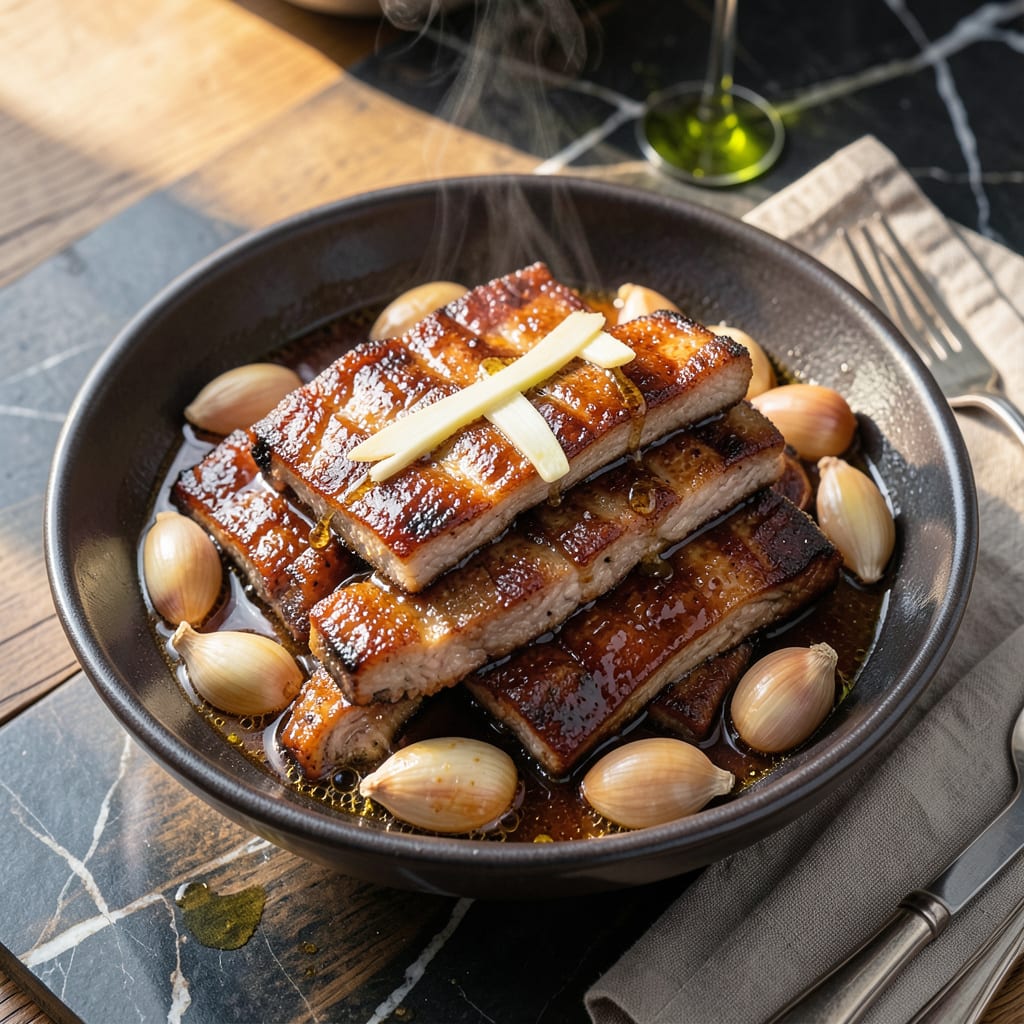
Achieving fall-off-the-bone ribs in hot pot requires the right cut and proper preparation. This method ensures the meat stays juicy while absorbing the rich, spiced broth flavors.
I’ve refined this technique to balance tenderness with depth of taste. The ribs slowly cook in the aromatic broth, becoming irresistibly tender and infused with every savory note.
Ingredients for Hot Pot Ribs
Pork spare ribs and aromatic spices create this rich, tender hot pot experience.
| Ingredient | Amount | Notes |
|---|---|---|
| Pork Spare Ribs 🥩 | 2 lb | Cut into individual ribs |
| Soy Sauce 🫒 | ½ cup | Low-sodium preferred |
| Shaoxing Wine 🍷 | ¼ cup | Or dry sherry substitute |
| Rock Sugar 🍬 | 2 tbsp | Or granulated sugar |
| Garlic Cloves 🧄 | 6 cloves | Smashed lightly |
| Fresh Ginger 🌿 | 3 slices | Thinly sliced, unpeeled |
| Star Anise Pods ✨ | 2 whole | For aromatic broth |
| Sichuan Peppercorns 🌶️ | 1 tsp | Lightly crushed |
| Dried Red Chilies 🌶️ | 4 whole | Optional for heat |
| Scallions 🧅 | 4 whole | Cut into 2-inch pieces |
| Vegetable Oil 🫒 | 1 tbsp | For browning ribs |
| Chicken Stock 🍲 | 4 cups | Or water in pinch |
| Dark Soy Sauce 🫒 | 1 tbsp | For color depth |
| White Pepper 🧂 | ½ tsp | Freshly ground |
The ribs are everything here. Pork spare ribs deliver the perfect fat-to-meat ratio for fall-off-the-bone results—avoid baby back ribs, which can dry out. Source them from Asian markets where they’re often pre-cut into individual ribs, saving prep time. Look for ribs with good marbling (those white streaks of fat) for maximum tenderness. If buying from a butcher, ask for the ribs to be cut into 2-inch pieces for even cooking.
No Shaoxing wine? Dry sherry works in a pinch, or skip the alcohol entirely and add an extra tablespoon of soy sauce. Rock sugar can be swapped for granulated sugar, but reduce slightly as it’s sweeter. For the broth, vegetable stock keeps it lighter, while chicken stock adds depth. The star anise and Sichuan peppercorns are non-negotiable for authentic flavor—find them in the spice aisle at H Mart or any well-stocked Asian grocery.
The ribs can marinate overnight for even more flavor penetration. Cooked ribs keep in the broth for 2-3 days in the fridge, and the broth actually improves as flavors meld. Freeze leftovers (ribs and broth) for up to 3 months—just thaw and reheat gently to preserve texture.
Why You’ll Love This Recipe
- One Pot Wonder: I just toss the ribs, soy sauce, Shaoxing wine, and garlic into a pot and let it simmer—hardly any cleanup.
- Crowd Pleaser: Honestly, it’s my go-to for family dinners or casual get-togethers—everyone always asks for seconds.
- Budget Stretch: A few pounds of spare ribs feed a whole table, and the leftovers taste even better the next day.
Step-by-Step Instructions for Hot Pot Ribs
Master the technique for tender, aromatic ribs that absorb every spice from the broth.
Step 1: Blanch and Parboil the Ribs
Cut the 2 lb Pork Spare Ribs into individual pieces if not pre-cut. Bring a large pot of water to a rolling boil and add the ribs. Blanch for 3-4 minutes to remove impurities and tighten the meat for better texture.
Drain and rinse the ribs under cold water to stop the cooking process. This step ensures the final dish remains clean and clear, with the ribs ready to soak up the complex flavors of the broth. Pat them dry with paper towels before proceeding.
Step 2: Build the Spiced Broth Base
In a large pot, heat the 1 tbsp Vegetable Oil over medium heat. Add the 6 cloves Garlic Cloves, 3 slices Fresh Ginger, 4 whole Scallions, 2 whole Star Anise Pods, 1 tsp Sichuan Peppercorns, and 4 whole Dried Red Chilies. Stir for 1-2 minutes until fragrant.
This aromatic base releases essential oils that infuse the broth with depth. Watch for the Sichuan peppercorns to begin sizzling and the scallions to soften slightly—this signals the flavors are developing properly.
Step 3: Simmer Ribs in the Seasoned Broth
Pour in the 0.5 cup Soy Sauce, 2 tbsp Rock Sugar, 0.25 cup Shaoxing Wine, 1 tbsp Dark Soy Sauce, 0.5 tsp White Pepper, and 4 cups Chicken Stock. Stir until the rock sugar dissolves completely, then add the blanched ribs.
Bring to a gentle boil, then reduce heat to low. Cover and simmer for 1.5 to 2 hours, stirring occasionally. The ribs are done when the meat pulls away from the bone easily with a fork. The broth should reduce slightly and become deeply aromatic.
Step 4: Rest and Serve
Remove the ribs from the broth and arrange them on a serving platter. Skim any excess fat from the surface of the broth if desired, then ladle the hot, spiced broth over the ribs to serve.
The star anise and Sichuan peppercorns will have infused the broth with their signature warmth, while the soy sauces create a rich, savory base. Serve immediately with additional broth on the side for dipping or pouring over rice.
Pro Tips For Making Hot Pot Ribs
- Blanch the Ribs: Parboil the spare ribs for 3-5 minutes in boiling water first to remove impurities—I learned this the hard way after my first few batches had a scummy broth.
- Smash the Garlic: Lightly crush the garlic cloves with the side of your knife instead of mincing; it releases the flavor without the bitterness that can come from over-chopping.
- Skip the Sugar Rush: Dissolve the rock sugar in a splash of hot water before adding it to the pot, otherwise it’ll sink to the bottom and caramelize unevenly.
- Low and Slow: After the initial boil, drop to a gentle simmer for at least 45 minutes—any higher heat and the ribs turn tough instead of fall-off-the-bone tender.
Flavor Customization for This hot pot ribs
Spice Level Adjustments
For a milder experience, reduce the dried red chilies to 1-2 whole and omit the Sichuan peppercorns entirely. This creates a gentler warmth while keeping the aromatic depth. I find this perfect for kids or sensitive palates. 🌶️
Sweeter Broth Variation
Increase the rock sugar to 3 tbsp and add 1 cinnamon stick to the broth. This balances the savory soy with a caramelized sweetness that’s popular in Cantonese-style hot pot. The sugar should dissolve completely before adding ribs.
Extra Umami Depth
Add 2 tbsp oyster sauce or 1 tbsp hoisin sauce for a richer, more complex flavor profile. This works especially well if you’re using vegetable stock instead of chicken stock. Stir these in with the soy sauces before adding the ribs.
Herbal Infusion
Include 3-4 dried shiitake mushrooms and 1 tbsp goji berries in the broth for earthy notes and health benefits. These ingredients are traditional in many hot pot recipes and add beautiful color. Remove them before serving if you prefer a clearer broth.
Citrus Brightness
Finish with 1 tbsp rice vinegar or a squeeze of lime just before serving. This cuts through the richness and brightens all the flavors. I always add this at the table so guests can adjust to taste. 💡
Nutty Garnish
Top with toasted sesame seeds or crushed peanuts for texture and visual appeal. About 1 tsp per serving adds a satisfying crunch that contrasts beautifully with the tender ribs. Sprinkle these on just before serving.
Nutrition Facts
Frequently Asked Questions
What cut of ribs works best?
Pork spare ribs deliver the ideal fat-to-meat ratio for fall-off-the-bone results. Avoid baby back ribs, which can dry out during the long simmer.
Can I make this without Shaoxing wine?
Yes, dry sherry works as a substitute, or skip alcohol entirely and add an extra 1 tbsp soy sauce. The flavor depth remains excellent.
How do I store leftovers?
Cooked ribs keep in the broth for 2-3 days refrigerated. For longer storage, freeze for up to 3 months and reheat gently.
Why blanch the ribs first?
Blanching removes impurities and tightens the meat, ensuring a clean broth and better texture. This step takes just 3-4 minutes.

- 4C Bread Crumbs Meatballs Recipe: Crispy Crust and Juicy Centers - September 25, 2026
- 6 Oz Chocolate Chip Cookie Recipe: Perfectly Balanced Crispy Edges and Chewy Hearts - September 25, 2026
- 6-Inch Coffee Cake Recipe: Vanilla Bean Swirls and Buttery Streusel Topping - September 25, 2026