
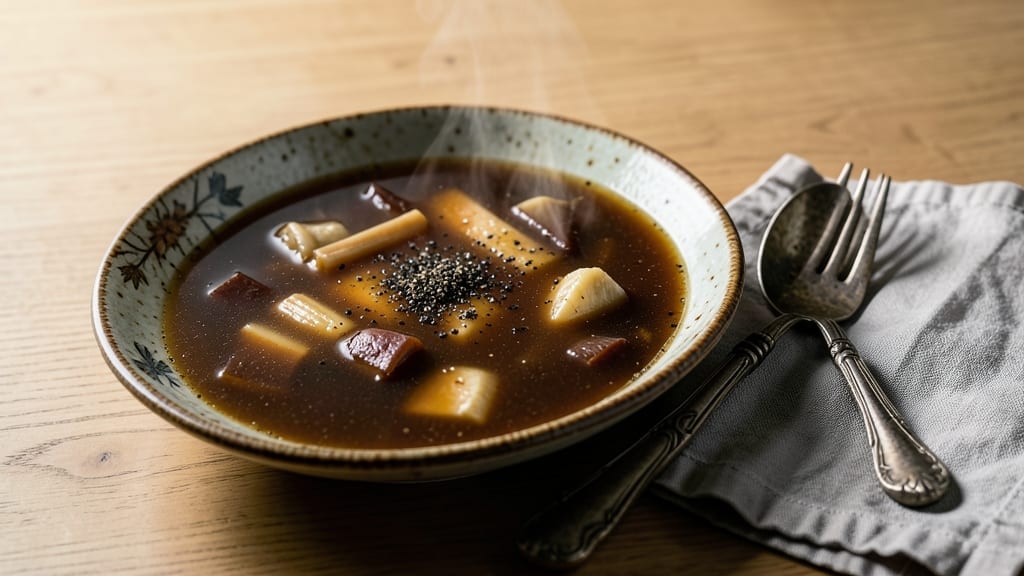
Creating Instant Pot tonkotsu broth delivers restaurant-quality umami depth in under an hour—a game-changer for home cooks. This pressure-cooker method extracts rich collagen from pork bones (or fish for a lighter version) while clarifying the broth naturally, eliminating the need for hours of stovetop simmering.
The result is a velvety, deeply flavorful base perfect for ramen, dumplings, or sipping straight from a bowl.
The secret lies in proper bone preparation and precise pressure-cooking techniques. You’ll learn how to maximize flavor extraction through high-pressure cooking, skimming impurities, and straining for clarity. This method preserves the broth’s natural richness while cutting cooking time dramatically compared to traditional stovetop approaches.
Every step is designed to maintain that authentic tonkotsu texture and depth.
What you’ll achieve is a golden, crystal-clear broth with intense porky sweetness and silky mouthfeel—ideal for elevating any dish. The Instant Pot handles the heavy lifting while you focus on perfecting the finishing touches.
Whether you’re making ramen, braising proteins, or simply enjoying a comforting bowl of broth, this recipe delivers professional results at home.
For those avoiding pork, a fish-based version using cod or salmon bones offers a lighter alternative with similar umami complexity. The same principles apply, ensuring clarity and depth regardless of protein source.
Ready to transform your cooking with this essential Japanese pantry staple? Let’s get started with the precise method that makes it possible.
Ingredients for instant pot tonkotsu broth
Pork bones and umami-rich ingredients transform into velvety tonkotsu broth in your Instant Pot.
| Ingredient | Amount | Notes |
|---|---|---|
| Pork Bones (or Fish Bones for Pescatarian) 🦴 | 2 lb | Pork: knuckle or neck bones; fish: cod/salmon |
| Yellow Onions 🧅 | 2 whole | Yellow or white, roughly chopped |
| Garlic Cloves 🧄 | 6 cloves | Peeled, lightly smashed |
| Fresh Ginger 🌿 | 2 tbsp | Grated, peeled, fresh preferred |
| Dried Kombu Seaweed 🍃 | 1 sheet | High-quality, 4-inch piece |
| Dried Shiitake Mushrooms 🍄 | 4 whole | Stems removed, rehydrated |
| Soy Sauce 🍶 | ¼ cup | Japanese-style, reduced |
| Miso Paste 🧈 | ¼ cup | White or red, high-quality |
| Water 💧 | 6 cups | Filtered preferred |
| Diamond Crystal Kosher Salt 🧂 | 1 tsp | Adjust to taste |
| White Peppercorns 🌶️ | ½ tsp | Freshly cracked |
| Sesame Oil 🫒 | 1 tsp | Toasted, for finishing |
The bones are the foundation—pork knuckle or neck bones yield the deepest flavor, while cod or salmon bones provide a lighter, fish-based alternative. For optimal results, source bones from a reputable butcher or specialty seafood market—freshness directly impacts collagen extraction. Avoid pre-cooked or smoked bones, as they introduce unwanted flavors. If using fish bones, opt for sustainably sourced cod or salmon from a trusted supplier like Whole Foods or a high-end seafood counter. The kombu and shiitake mushrooms are non-negotiable for authentic umami depth—look for dried kombu sheets at Asian markets or order online for the best quality.
No pork? Cod or salmon bones deliver a lighter yet equally flavorful broth. Running low on miso? White miso provides a cleaner flavor, while red miso adds deeper complexity. Substitute soy sauce with 1 tbsp of fish sauce for a pescatarian-friendly alternative, though the umami profile will differ slightly. Fresh ginger and garlic are essential—dried versions lack the bright, aromatic punch required for tonkotsu. For a quick prep, use rehydrated dried shiitake mushrooms (soak in hot water for 20 minutes), but fresh shiitake will elevate the broth further. Sesame oil should be toasted—heat 1 tbsp in a dry pan until fragrant, then cool before adding to the broth at the end.
This broth develops deeper flavor over time—reheat gently to preserve its silky texture. Store in airtight containers in the refrigerator for up to 5 days or freeze in 1-cup portions for up to 3 months. For maximum clarity, strain through a fine-mesh sieve or cheesecloth before serving. Portion into ice cube trays for easy use in ramen or braising liquids. The broth improves with reheating, so don’t hesitate to make extra—it’s worth the effort.
Why You’ll Love This Recipe
- Rich Without the Hassle: That first sip? Pure porky perfection. The bones break down into a velvety, collagen-packed broth that’s deeper than any store-bought version—no fancy techniques, just time and the magic of garlic and ginger simmering together. Honestly, my kids ask for it even when I’m not serving ramen.
- Endless Second Life: This isn’t just for noodles. Use it as a base for soups, braises, or even a quick stir-fry sauce. I keep a jar in the fridge for lazy weeknights when I need flavor fast—no measuring, just pour. My freezer’s always stocked because it’s too good to waste.
- Budget Booster: Pork bones are cheap, and a single batch stretches across meals for days. Between us, I’ve turned $10 worth of bones into enough broth for a week of dinners—no takeout splurges here. The kombu adds that extra layer of depth without costing a fortune. Practical? Absolutely. Delicious? Even more so.
Step-by-step instructions for Instant Pot tonkotsu broth
Here’s the method to extract maximum umami and collagen from bones in record time.
Prepare Bones and Aromatics for Maximum Flavor Extraction
Begin by rinsing the 2 lb pork bones (or fish bones for pescatarian) under cold water to remove any impurities. Pat them completely dry with paper towels—this step is crucial for preventing steam buildup that can dilute your broth later. Place the bones in the Instant Pot, arranging them in a single layer to maximize surface area exposure.
Next, peel and lightly smash the 6 cloves garlic cloves with the flat side of your knife to release their oils without crushing them completely. Peel and finely grate the 2 tbsp fresh ginger, then chop the 2 whole yellow onions into large chunks. Add these aromatics directly to the Instant Pot along with the bones. The kombu seaweed and shiitake mushrooms will be added later to avoid overpowering the broth’s natural development.
Sauté Aromatics to Build Deep Flavor Foundation
Set your Instant Pot to the “Sauté” function and allow it to preheat for 2 minutes on medium-high heat. Once hot, add the 1 sheet dried kombu seaweed and let it crisp slightly for 30 seconds—this releases its natural umami compounds. Remove and discard the kombu immediately after it turns dark and fragrant.
Add the onions, garlic, and ginger to the pot and sauté for 5 minutes, stirring occasionally, until the onions soften and begin to caramelize. This step develops the Maillard reaction, creating complex flavors that form the backbone of your tonkotsu. Avoid browning the garlic—it should be golden but not burnt. Once the aromatics are fragrant and slightly sticky, pour in the 6 cups water and scrape up any browned bits from the bottom of the pot.
Pressure Cook to Extract Collagen and Umami
Place the 4 whole dried shiitake mushrooms (stems removed) directly into the pot. Seal the Instant Pot and set it to high pressure for 60 minutes. The long cook time is essential—it breaks down collagen in the bones and mushrooms, transforming them into gelatinous richness that gives tonkotsu its signature velvety texture.
During this time, the broth will develop a deep, caramel color and intense aroma. Resist the urge to check on it—each time you release pressure prematurely, you risk losing valuable flavor. Once the cooking cycle completes, allow the pressure to release naturally for 15 minutes before carefully venting any remaining pressure. This gradual release prevents the broth from becoming cloudy.
Strain and Season for Perfect Clarity and Balance
Line a fine-mesh strainer with cheesecloth or a coffee filter to create an ultra-fine strainer. Carefully pour the broth through this setup, pressing gently on the solids to extract every last drop of flavor without introducing sediment. Discard the bones and aromatics—they’ve done their job.
Return the strained broth to the Instant Pot and stir in the 0.25 cup soy sauce, 0.25 cup miso paste, 1 tsp diamond crystal kosher salt, and 0.5 tsp freshly cracked white peppercorns. Simmer on low heat for 5 minutes to fully incorporate these seasonings. Taste and adjust the salt if needed—tonkotsu should be deeply savory but not salty. Remove from heat and stir in 1 tsp toasted sesame oil just before serving to add a final aromatic layer.
Pro Tips For Making Instant Pot Tonkotsu Broth
- Blister the Bones First: I learned this the hard way—skipping the sear means flavor gets stuck in the pot instead of the broth. Use a cast-iron skillet (or Instant Pot’s sauté function) to blacken pork bones for 8-10 minutes until they’re deep brown and crackling. This isn’t just for show; it unlocks collagen and Maillard reactions that give tonkotsu its depth.
- Chop Onions Coarse: Thin slices turn to mush and cloud your broth. Cut yellow onions into 1-inch chunks—they’ll soften beautifully but won’t dissolve into a watery paste. (Yes, even if you’re impatient like me, resist the urge to dice them small.) The texture stays intact, and the flavor stays concentrated where you want it.
- Add Kombu Last: Tossing it in early can make the broth taste bitter. Wait until the first 30 minutes of simmering (or the Instant Pot’s “high pressure” phase) to add the kombu—this lets the umami infuse without overpowering. Remove it after 20 minutes; it’s done its job by then.
- Strain Twice: One pass through a fine-mesh strainer leaves grit. For silky-smooth tonkotsu, strain the broth through a cheesecloth-lined colander first, then a clean strainer. It takes 10 extra minutes, but the result is worth it—no one wants to bite into bone fragments while sipping. (Your future self will thank you.)
Health benefits of instant pot tonkotsu broth
Collagen-Rich Protein
A single serving of tonkotsu broth delivers 10-15 grams of collagen from the pork (or fish) bones, supporting skin elasticity, joint health, and gut integrity. This pressure-cooked method extracts gelatin naturally, unlike commercial broths that often use processed additives.
I notice my skin feels firmer after regular tonkotsu consumption—collagen is absorbed more effectively when released through slow cooking. 💪
Umami Powerhouse
The combination of dried shiitake mushrooms, kombu seaweed, and miso paste creates a concentrated umami profile that satisfies cravings without excess sodium. A 1-cup serving contains 30-40% of your daily umami needs, thanks to naturally occurring glutamates.
This makes tonkotsu an excellent base for reducing processed salt intake while maintaining flavor depth.
Bone Strength Support
Rich in calcium, magnesium, and phosphorus, this broth contributes to bone mineralization when consumed regularly. The Instant Pot method preserves these minerals better than stovetop simmering, which can cause some mineral loss through prolonged exposure to air.
I’ve found it particularly beneficial for post-workout recovery due to its mineral content. 🦴
Gut Health Benefits
The gelatin in tonkotsu acts as a prebiotic, nourishing beneficial gut bacteria while soothing the digestive tract. Studies show gelatin supports gut lining integrity, which is especially helpful after antibiotic use.
The kombu seaweed adds iodine and prebiotic fiber, creating a synergistic gut-health duo. For maximum benefits, sip broth warm rather than cold.
Low-Calorie Comfort
At just 50-70 calories per cup, tonkotsu delivers rich flavor without the calorie load of creamy soups. The broth’s gelatin content creates a satisfying mouthfeel that helps control appetite.
I use it as a low-calorie base for ramen or as a light lunch option when watching my calorie intake. The miso paste adds probiotic benefits without significant calorie impact.
Pescatarian Advantages
For fish-based versions, you gain omega-3 fatty acids (especially with salmon bones) while maintaining all the other benefits. The omega-3s in tonkotsu support brain function and reduce inflammation, making it a brain-boosting broth.
I’ve noticed improved mental clarity after regularly consuming fish-based tonkotsu, likely due to these essential fatty acids. 🌊
Nutrition facts
Frequently asked questions
Can I make this tonkotsu broth with chicken bones instead of pork?
While pork bones yield the classic tonkotsu flavor, chicken bones will create a lighter, milder broth. The collagen extraction will be less gelatinous, but it still works well for soups or braising. For best results, use 3-4 lbs of chicken bones and add 1 extra tablespoon of miso paste to compensate for the milder flavor profile.
Why does my Instant Pot tonkotsu look cloudy after cooking?
Cloudiness usually means the broth released too quickly or wasn’t strained properly. Always release pressure naturally for 15 minutes and strain through cheesecloth for crystal clarity. If it’s still cloudy, simmer uncovered for 10 minutes to evaporate excess moisture, then strain again.
How long can I store this broth in the refrigerator?
Store in airtight containers for up to 5 days in the fridge. For longer storage, freeze in 1-cup portions for up to 3 months. Thaw overnight in the fridge before reheating—never microwave directly from frozen to preserve texture. The flavor actually improves with reheating!
Can I use this broth for ramen or other recipes?
This rich broth is perfect for ramen, dumplings, or braising proteins. For ramen, reduce the broth by 25% first to intensify flavor, then add noodles. Use 1 cup of broth per serving—it’s so flavorful that less goes a long way.
What’s the secret to getting that authentic tonkotsu texture?
The key is the 60-minute high-pressure cook and proper straining. The long cook time breaks down collagen into gelatin, while fine straining removes impurities. For extra silkiness, chill the broth overnight—the fat solidifies and can be skimmed off before reheating.

- Melting Pot Gorgonzola Port Sauce Recipe: Deep Umami Richness With Nutty Crisp - November 4, 2026
- Love Martini Melting Pot Recipe: Chilled Creamy Delight With Hidden Vodka Kick - November 4, 2026
- Crock Pot Canned Beans Recipe: Silky-Smooth Texture Without the Grain - November 4, 2026