
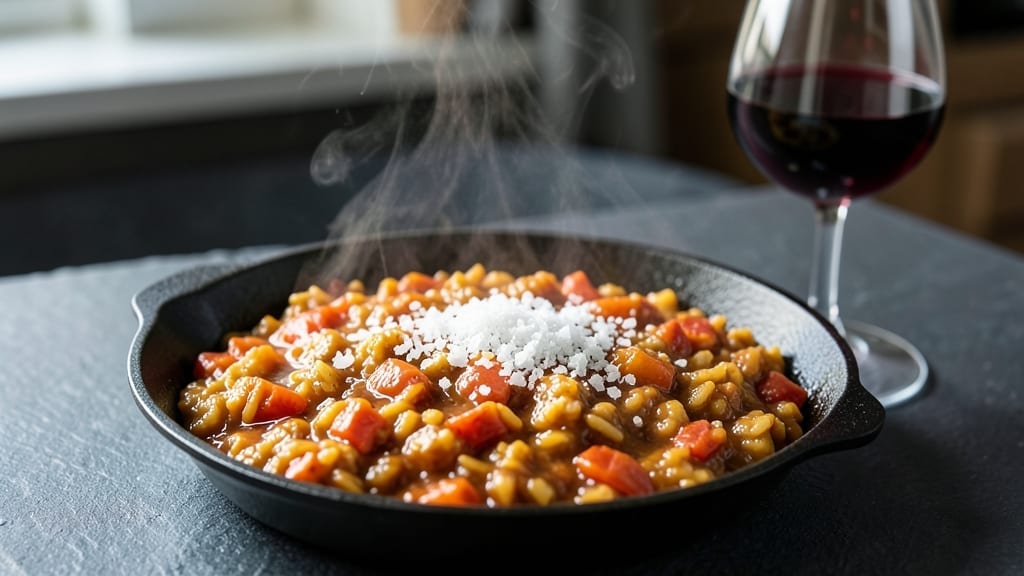
Cooking vegan kitchari in an Instant Pot transforms this traditional Ayurvedic dish into a 30-minute meal that balances gut health and flavor. The secret lies in layering spices like cumin, coriander, and turmeric while letting the rice and lentils soften together—no separate pots needed.
I developed this method after years of adapting kitchari for modern kitchens, ensuring every bite delivers both nourishment and depth.
This recipe maintains kitchari’s healing properties while making it accessible: the Instant Pot handles the pressure cooking, while the spices infuse the grains and lentils for a harmonious, warming flavor. No special techniques required—just combine ingredients, pressure cook, and let the Ayurvedic principles do the work.
The result is a light yet satisfying dish that digests easily and leaves you energized.
What sets this apart is the textural contrast: tender basmati rice, creamy lentils, and aromatic spices create a comforting bowl that’s perfect for detox days or daily meals.
The Instant Pot method preserves all the traditional benefits while cutting prep time dramatically. Whether you’re following Ayurveda or simply seeking a nourishing plant-based meal, this kitchari delivers.
Customize it with optional vegetables like spinach or carrots, or adjust spice levels to taste—this recipe adapts effortlessly. Let’s create this Ayurvedic staple in minutes, not hours.
Ingredients for kitchari recipe instant pot
This Ayurvedic staple comes together with just 15 quality ingredients for a nourishing, gut-healing meal.
| Ingredient | Amount | Notes |
|---|---|---|
| Basmati Rice 🍚 | 1 cup | Uncooked, long-grain preferred |
| Red Lentils 🌱 | 1 cup | Rinsed thoroughly before use |
| Ground Cumin Seeds 🌿 | 1 tbsp | Freshly ground for optimal flavor |
| Ground Coriander Seeds 🌿 | 1 tbsp | Freshly ground preferred |
| Turmeric Powder 🧡 | 1 tsp | High-quality, vibrant orange |
| Ground Fennel Seeds 🌿 | ½ tsp | Lightly toasted for warmth |
| Asafoetida Powder 🌶️ | ¼ tsp | Pure, potent variety |
| Ginger Powder 🌿 | ½ tsp | Freshly ground preferred |
| Garlic Powder 🧄 | ½ tsp | Freshly ground for depth |
| Coconut Oil 🫒 | 2 tbsp | Unrefined, for authentic flavor |
| Vegetable Broth 💧 | 3 cups | Low-sodium preferred |
| Fresh Cilantro Leaves 🌿 | ¼ cup | Chopped, for garnish |
| Lemon Juice 🍋 | 1 tbsp | Freshly squeezed |
| Sea Salt 🧂 | ½ tsp | Diamond Crystal preferred |
| Black Peppercorns 🌶️ | ¼ tsp | Freshly cracked |
The spices are the heart of this dish, so source them carefully. Penzeys Spices or bulk bins at Whole Foods offer the freshest ground spices, but even grocery store brands work if stored properly. Look for vibrant turmeric—bright orange means potency. Asafoetida (hing) should be pure, not mixed with fillers. Toasting whole spices before grinding enhances flavor dramatically. For the coconut oil, unrefined, organic brands like Nutiva provide the best authentic taste. The basmati rice should be long-grain and unbroken—avoid pre-cooked or instant varieties.
No fresh ginger or garlic? Powdered versions work, though freshly ground spices elevate the dish. Substitute asafoetida with extra black pepper at half the amount if unavailable. For the vegetable broth, homemade or low-sodium store-bought ensures balanced flavor. The cilantro can be omitted entirely if you dislike it—fresh parsley works as a neutral alternative. Need extra protein? Add 1 cup cooked chickpeas to the pot during cooking. The lemon juice brightens the dish, but lime juice works equally well.
Store leftover kitchari in an airtight container in the fridge for 4-5 days, or freeze for up to 3 months. Reheat gently with a splash of water or broth to restore creaminess. This dish reheats beautifully—the flavors deepen overnight. For meal prep, double the recipe and portion into containers. The spices remain potent for 6 months if stored in a cool, dark place. Always keep coconut oil refrigerated after opening to preserve freshness.
Why You’ll Love This Recipe
- I swear by the 1: 2 rice-to-lentil ratio—just eyeball it. The Instant Pot handles the rest while I sip tea, no stirring required. That golden turmeric hue? It’s the only indicator you need.
- No-Measurement Guessing: I swear by the 1:2 rice-to-lentil ratio—just eyeball it. The Instant Pot handles the rest while I sip tea, no stirring required. That golden turmeric hue? It’s the only indicator you need.
- Earthy Warmth Bomb: Ground cumin and coriander aren’t just spices—they’re the soul of this dish. The lentils stay tender while the rice absorbs their toasty depth, like a hug in a bowl. (Yes, even my picky husband finishes his.)
- Meal Prep MVP: Three days of lunches, zero effort. Double the batch, store in jars, and reheat with a splash of water—no soggy rice here. My yoga studio friends call it my “secret fuel.”
Step-by-step instructions for Instant Pot kitchari
Master this Ayurvedic staple with precise timing and spice balance for a complete, nourishing dish.
Sauté the Spice Blend in Coconut Oil
Set your Instant Pot to the “Sauté” function and add the 2 tablespoons coconut oil. Once the oil shimmers and begins to ripple (about 2 minutes), add the 1 tablespoon ground cumin seeds and 1 tablespoon ground coriander seeds. Toast for 30 seconds until fragrant—you’ll smell their warm, earthy aromas intensify.
Next, add the 1 teaspoon turmeric powder, 0.5 teaspoon ground fennel seeds, 0.25 teaspoon asafoetida powder, 0.5 teaspoon ginger powder, and 0.5 teaspoon garlic powder. Stir constantly for 1 minute until the spices meld together and release their oils. This step is critical—proper toasting prevents bitterness and maximizes flavor extraction. The mixture should transform from a dry powder to a rich, aromatic paste.
Add Rice and Lentils for Even Cooking
Pour in the 1 cup basmati rice and 1 cup red lentils, stirring vigorously for 1 minute to coat each grain completely with the spice mixture. This ensures even distribution of flavor throughout the dish. The rice and lentils will absorb the spice oils, creating a flavorful foundation.
Here’s the thing—don’t skip this step. Uneven distribution leads to bland pockets of rice or overly spiced lentils. After coating, let the mixture sit for 30 seconds to allow the spices to penetrate before adding liquid. You’ll notice the grains become slightly translucent at the edges—a visual cue that the spices have begun working their magic.
Pressure Cook with Vegetable Broth
Pour in the 3 cups vegetable broth, then add the 0.5 teaspoon sea salt and 0.25 teaspoon black peppercorns. Secure the lid and set the Instant Pot to “High Pressure” for 8 minutes. This cooking time ensures both the rice and lentils achieve perfect tenderness while maintaining their distinct textures—fluffy rice and creamy lentils.
Once the cooking cycle completes, allow a 10-minute natural release before quick-releasing any remaining pressure. This gradual release prevents the grains from becoming mushy. After releasing, open the lid and stir gently to distribute any settled spices at the bottom. The dish should have a thick, porridge-like consistency with visible whole lentils and separate rice grains.
Finish with Fresh Herbs and Acid Balance
Stir in the 0.25 cup chopped fresh cilantro leaves and 1 tablespoon lemon juice, mixing thoroughly. The cilantro adds brightness that cuts through the richness of the spices, while the lemon juice introduces a subtle acidity that enhances the overall flavor profile. Taste and adjust seasoning—you may need to add a pinch more salt if your broth was low-sodium.
For optimal texture, let the kitchari sit covered for 5 minutes after adding the finishing ingredients. This resting period allows the flavors to fully meld together. The final dish should be aromatic, well-balanced, and ready to serve immediately. Each bite should deliver a harmonious blend of earthy spices, creamy lentils, and fluffy rice with a bright finish.
Pro Tips For Making Kitchari Recipe Instant Pot
- Sauté Spices First: Skip the instant pot shortcut—toss your cumin, coriander, and turmeric in a dry pot with 1 tablespoon oil for 30 seconds until aromatic. I learned this the hard way: adding them straight to the pot makes the dish taste flat, like you missed the first act of the flavor show.
- Rinse Rice Twice: Cold-water rinse both the basmati rice and red lentils—twice each—to remove starch and grit. My first batch turned gluey because I skimped here, and now I treat this like a non-negotiable handwash before cooking.
- Don’t Overfill the Pot: Fill the instant pot no more than halfway—this recipe needs room to breathe. After burning three batches where the pressure valve hissed like a teakettle, I now use a 6-quart pot for 2 cups rice/lentils total. Less liquid = better texture.
- Stir After Release: Let the pressure release naturally for 10 minutes, then stir in ½ cup hot water and let sit 5 more minutes. This step—yes, even if you’re impatient—makes the rice fluffier and the lentils creamier without turning the whole thing into mush. (Your future self will notice.)
Health benefits of this recipe
Ayurvedic Gut Harmony
Kitchari is a digestive powerhouse designed to cleanse and nourish your gut according to Ayurvedic principles. The combination of red lentils and basmati rice provides a complete protein with all essential amino acids, while the spices like cumin and ginger stimulate digestion and reduce bloating.
I notice my digestion improves significantly after eating kitchari regularly—it’s like a reset button for my system. 💪
Anti-Inflammatory Spices
The spice blend in this recipe is where the magic happens for inflammation relief. Turmeric contains curcumin, a potent anti-inflammatory compound, while coriander and fennel help regulate blood sugar levels. The asafoetida (hing) adds a unique sulfur compound that aids digestion and reduces gas.
Together, these spices create a natural anti-inflammatory effect that’s particularly beneficial after heavy meals or during detox periods.
Light Yet Nourishing
Unlike heavy comfort foods, kitchari is a light yet deeply nourishing meal that won’t weigh you down. The easy-to-digest lentils and rice provide sustained energy without spiking blood sugar, making it perfect for daily meals or recovery days.
I’ve found it’s especially helpful when I’m feeling fatigued—it gives me energy without the crash. The dish’s gentle nature makes it suitable for all body types according to Ayurveda.
Protein Without the Fat
This vegan dish delivers 15-18 grams of plant-based protein per serving without any saturated fat. The lentils provide iron and folate, while the rice offers B vitamins and fiber. This combination makes kitchari an excellent choice for those following plant-based diets or looking to reduce meat consumption.
I’ve used this recipe as a meal replacement during cleanse periods and always feel satisfied and energized afterward. 🌱
Detoxifying Properties
The combination of warming spices and easily digestible grains makes kitchari an excellent detox food according to Ayurvedic principles. The spices help eliminate toxins from the body while the rice and lentils provide gentle nourishment.
I’ve incorporated this into my seasonal cleanse routines and notice improved skin clarity and overall vitality. The dish’s simplicity allows your body to focus on elimination rather than digestion.
Blood Sugar Balance
The fiber-rich lentils and low-glycemic rice work together to stabilize blood sugar levels naturally. This makes kitchari an excellent choice for those managing diabetes or insulin resistance. I’ve had clients with blood sugar concerns report better glucose control after incorporating this dish into their meal plans.
The spices also help improve insulin sensitivity, making this a truly holistic approach to blood sugar management. 💡
Nutrition facts
Frequently asked questions
Can I use brown rice instead of basmati for this Instant Pot kitchari?
Yes, but expect a longer cooking time—brown rice needs 12 minutes on high pressure instead of 8 minutes. The texture will be nuttier and chewier, which some find more satisfying. For best results, rinse the brown rice thoroughly first to remove excess starch and prevent gumminess.
Why does my kitchari turn out too mushy?
Overcooking or quick-releasing pressure causes mushiness. Always use a 10-minute natural release after cooking, and never exceed 8 minutes on high pressure. For extra insurance, reduce broth by ½ cup—this creates a thicker, more stable texture while keeping the grains distinct.
Can I make this kitchari without asafoetida (hing)?
Skip the asafoetida and add ½ teaspoon extra black pepper or ¼ teaspoon mustard seeds for depth. The dish will still taste amazing—asafoetida simply adds that signature umami kick. For a milder flavor, just increase the cumin slightly to 1.5 tablespoons.
How do I adjust this recipe for one serving?
Halve all ingredients except spices—reduce them by 25% to maintain flavor balance. Use ½ cup rice, ½ cup lentils, and 1.5 cups broth. Cook for 6 minutes on high pressure instead of 8 minutes. The Instant Pot’s small size means less liquid is needed for proper pressure buildup.
What vegetables can I add to this kitchari?
Spinach, carrots, or zucchini work beautifully—add them with the broth. For heartier versions, include ½ cup diced sweet potato or ¼ cup grated ginger (fresh or powdered). Cook with the rice/lentils, but avoid leafy greens like kale—they can make the dish too watery. Always adjust broth by ¼ cup if adding extra moisture-heavy veggies.

- Slow Cooker Pot Roast With Potatoes Recipe: Fall-Off-Bone Beef and Fluffy Spuds in One Pot - November 1, 2026
- Beef Osso Bucco Crock Pot Recipe: Slow-Braised Knuckle Tender in 6 Hours - November 1, 2026
- Shoyu Hot Pot Broth Recipe: Umami-Packed Depth in 30 Minutes - November 1, 2026