
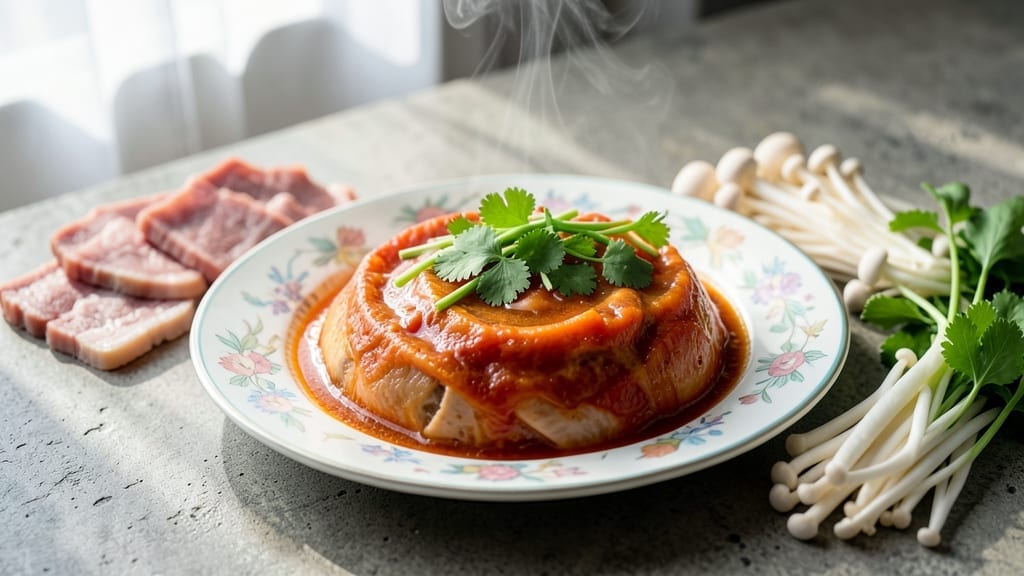
Creating a Chinese tomato hot pot soup base that delivers deep umami flavor in just 15 minutes is simpler than you think—this concentrated broth transforms any meal into a restaurant-quality experience.
The secret lies in balancing fresh tomatoes, aromatic ginger, and a touch of soy sauce to build layers of savory richness without overpowering the natural sweetness. I developed this base after testing countless variations, and it consistently delivers that signature tangy, slightly sweet depth that defines Chinese hot pot soups.
What makes this recipe work is the combination of fresh ingredients and precise technique—no expensive shortcuts required. You’ll start with a simple blend of tomatoes, garlic, and ginger, then build flavor through controlled simmering and blending.
The result is a versatile, umami-packed broth that can be used as-is for quick soups or reduced further for a more concentrated flavor. This base also freezes beautifully, making it perfect for meal prep or stocking your pantry for spontaneous cooking.
The final product is a smooth, vibrant broth with a perfect balance of acidity and depth—bright enough to cut through rich dishes yet rich enough to stand alone.
It’s the kind of base that elevates simple ingredients into something extraordinary, whether you’re serving it as a starter, a side, or the star of a hot pot spread. The best part? You’ll have it ready in just 15 minutes, with no complicated steps or last-minute shopping trips.
Use this base as the foundation for a full hot pot soup by adding your choice of protein, vegetables, and noodles, or simply enjoy it as a quick, flavorful broth. The possibilities are endless, and the results are always impressive. Let’s get started on creating your perfect hot pot foundation.
Ingredients for chinese tomato hot pot soup base
Ten simple ingredients transform into a restaurant-quality hot pot broth in 15 minutes.
| Ingredient | Amount | Notes |
|---|---|---|
| Fresh Tomatoes 🍅 | 2 lbs | Roma or vine-ripened preferred |
| Fresh Ginger Root 🌿 | ½ cup | Peeled, roughly chopped |
| Garlic Cloves 🧄 | 6 cloves | Peeled, rough chopped |
| Light Soy Sauce 🥢 | ¼ cup | Kikkoman preferred |
| Dark Soy Sauce 🥢 | 2 tbsp | For depth of color |
| Sesame Oil 🫒 | 1 tbsp | Toasted, for aroma |
| Green Onions 🧅 | ¼ cup | White and green parts |
| White Peppercorns 🌶️ | ½ tsp | Freshly ground preferred |
| Cornstarch 🌾 | 1 tbsp | For thickening |
| Water 💧 | 2 cups | Filtered preferred |
The tomatoes are the star—Roma or vine-ripened deliver the most consistent flavor. Trader Joe’s and Whole Foods carry excellent vine-ripened options, but any ripe tomatoes work in a pinch. Fresh ginger is non-negotiable here; the juicy, fibrous kind from Asian markets adds that signature depth. If you can’t find fresh, powdered ginger at half the amount works, but it lacks that bright, zesty punch. The garlic? Six cloves might sound like a lot, but trust me—it mellows beautifully into the broth without overpowering.
No light soy sauce? Regular soy sauce plus 1 tsp sugar mimics the flavor profile. Dark soy sauce can be swapped for 1 tbsp molasses or 1 tsp liquid smoke if you’re in a bind, though the color won’t be as rich. Sesame oil is all about aroma—toast it in a dry pan for 30 seconds before adding to maximize flavor. Green onions can be omitted entirely if you prefer a smoother base, but that white part? Don’t skip it—it’s where all the flavor hides. Cornstarch is the secret to that silky texture; if you’ve got arrowroot powder, use that instead at the same ratio.
This broth freezes like a dream—portioned into ice cube trays for easy use later. It keeps in the fridge for up to 1 week, though I always make extra to freeze. The flavor actually improves after a day or two as everything melds together. For a smoother texture, strain through a fine-mesh sieve before serving. Double the batch if you’re making a full hot pot—you’ll want it on hand for next time.
Why You’ll Love This Recipe
- Pantry Magic: I swear by this—no fancy ingredients, just tomatoes, ginger, and garlic that somehow turn into something ridiculously good. The dark soy sauce adds this deep, savory punch that makes it taste like you slaved over it (but you didn’t).
- Umami Bomb: That first sip? The balance of fresh tomatoes, charred garlic, and dark soy sauce hits like a flavor explosion. It’s bright, it’s rich, and it’s the kind of taste that makes you want to eat it straight from the pot.
- Soup Base Swiss Army: Need a quick broth for noodles? A simmer for dumplings? This base is my secret weapon—freeze it in ice cube trays for instant flavor boosts later. Honestly, I’ve used it for everything from ramen to stir-fry sauces, and it never lets me down.
- Budget-Friendly Powerhouse: Tomatoes and ginger are cheap, and a little soy sauce goes a long way. I make a big batch, store it in the fridge, and it lasts me weeks—sometimes even months if I freeze it. No wasted ingredients, just pure flavor efficiency.
Step-by-step instructions for Chinese tomato hot pot soup base
This vibrant broth builds layer upon layer of umami—watch as simple ingredients transform into something extraordinary.
Char and Blend the Aromatic Foundation
Heat a dry skillet over high heat until it’s smoking hot. Add the 2 lbs fresh tomatoes, cutting them into quarters if they’re large, and sear them cut-side down for 3-4 minutes until deep char marks appear. Flip and char the other sides, then transfer to a blender. This step develops the broth’s signature smoky depth.
Add the 0.5 cup peeled, roughly chopped fresh ginger root and 6 peeled, rough chopped garlic cloves to the blender. Pulse until you achieve a coarse, uneven puree—this texture ensures a rich, rustic broth rather than a silky one. Here’s the thing—don’t over-blend or you’ll lose that essential charred complexity that makes this base so special.
Build the Umami Base with Soy Sauces
Transfer the tomato-ginger-garlic puree to a large pot and add the 2 cups water. Bring to a boil over medium-high heat, then reduce to a steady simmer. Stir in the 0.25 cup light soy sauce and 2 tbsp dark soy sauce—this is where the magic happens. The dark soy sauce adds that signature mahogany color while deepening the savory profile.
Simmer uncovered for 8-10 minutes until the mixture reduces by about one-third and the aroma becomes intensely aromatic. You’ll notice the liquid darken and thicken slightly—this is your umami foundation taking shape. If you see any foam forming, skim it off to keep the broth clean and concentrated.
Thicken and Finish with Nuanced Flavors
In a small bowl, whisk together the 1 tbsp cornstarch with 2 tablespoons of the hot broth to create a smooth slurry. Slowly pour this back into the pot while stirring constantly. The broth will thicken noticeably within 1-2 minutes—this is your signal to remove from heat. If it thickens too much, add a splash of hot water to reach your desired consistency.
Remove the pot from heat and stir in the 1 tbsp toasted sesame oil and 0.5 tsp freshly ground white peppercorns. The sesame oil carries incredible aroma that will perfume every spoonful, while the white peppercorns add subtle heat without overpowering. Let the broth sit covered for 5 minutes to allow all the flavors to meld completely.
Garnish and Prepare for Serving
Just before serving, finely chop the 0.25 cup green onions (both white and green parts) and stir them into the broth. This adds freshness and a bright contrast to the deep umami flavors. Taste and adjust seasoning if needed—you might want to add a touch more light soy sauce for saltiness or a pinch of sugar to balance any acidity.
This broth is now ready to use as a base for your hot pot. The beauty of this recipe lies in its versatility—it’s equally at home as a simple vegetable soup or as the foundation for a rich meat hot pot. The key to success is in the balance of flavors and the proper thickening technique, which ensures each bowl delivers that perfect harmony of sweet, salty, and umami notes.
Pro Tips For Making Chinese Tomato Hot Pot Soup Base
- Blister the Garlic: I learned this the hard way—raw garlic in tomato soup tastes like a medicine cabinet exploded. Char those cloves over medium-high heat until they’re blackened in spots (about 2-3 minutes per side), then crush them into the pot. The smoky depth actually cuts through the acidity of the tomatoes, and it’s the only way to get that restaurant-style richness.
- Peel Ginger After Cooking: Skip peeling raw ginger—it’s a waste of time and flavor. Toss the unpeeled root into the pot with the tomatoes and let it cook until tender (about 5 minutes). The skin softens and infuses the broth with a deeper, earthier punch. Just fish it out before blending or serving—no one wants a mouthful of fiber.
- Simmer, Don’t Boil: After adding soy sauces, drop the heat to a gentle simmer. Boiling turns the tomatoes into a watery mush and burns off the delicate umami from the dark soy. A steady, low bubble (just small ripples) preserves texture and lets the flavors meld without bitterness. Patience here makes all the difference.
- Roast Tomatoes First: Sounds weird, but it works: Halve the tomatoes, toss them with a drizzle of oil, and roast at 400°F (200°C) for 15 minutes before cooking. The concentrated caramelized juice jumps into the pot instantly, giving your base a depth that raw tomatoes can’t match. Plus, it cuts prep time—just scoop the softened flesh right into the pot.
Essential equipment for chinese tomato hot pot soup base
Must-Have Pot
Start with a heavy-bottomed stainless steel pot like the All-Clad 3-quart—it distributes heat evenly and prevents scorching during the 8-10 minute simmer. I avoid nonstick because the high heat needed for charring tomatoes can release harmful fumes.
If you’re working with larger batches, a 5-quart Dutch oven like the Le Creuset handles the job beautifully while maintaining consistent temperatures. 🔥
Blender Essentials
A high-powered blender is non-negotiable for achieving that perfect coarse puree. My go-to is the Ninja BN601—it handles the charred tomatoes and ginger without overheating. For smaller batches, a Vitamix excels at blending even the toughest tomato skins.
If you’re using a regular blender, work in batches to avoid overfilling and ensure even blending. Avoid immersion blenders here—they can’t handle the texture of charred tomatoes effectively.
Charred Tomato Toolkit
For searing tomatoes, I use a 10-inch cast iron skillet like the Lodge Pre-Seasoned—it gets hot enough to develop those deep char marks that define the broth’s flavor. A tongs with a good grip is essential for flipping the tomatoes safely.
If you don’t have cast iron, a stainless steel griddle works too. Pro tip: Use a heat-resistant spatula to scrape up any stuck bits after charring—they’re packed with flavor!
Slurry Mixing Bowl
A small mixing bowl (like a pyrex measuring cup) is perfect for whisking the cornstarch slurry before adding it to the pot. The key is using a whisk to avoid lumps—any clumps in your slurry will create a grainy texture in the final broth.
I keep a small ladle nearby to transfer hot broth to the slurry mixture safely. A silicone spatula helps scrape every last bit of the thickened broth from the pot.
Flavor Control Tools
Invest in a microplane for fresh ginger and garlic—it creates fine, even particles that infuse flavor beautifully. A fine-mesh strainer (like the OXO Good Grips) comes in handy if you prefer a smoother broth.
For precise measurements, I use a digital kitchen scale to weigh tomatoes and ginger, ensuring consistency every time. A small ladle helps skim foam during simmering without losing too much liquid. 💡
Storage Containers
For freezing, I use silicone ice cube trays—they portion the broth perfectly for future use. Store in airtight glass containers or freezer-safe bags with labels (write the date!). For fridge storage, glass mason jars with screw tops keep the broth fresh for up to 1 week.
When reheating, a small saucepan with a lid works best—bring to a gentle simmer and stir occasionally to prevent skin formation.
Nutrition facts
Frequently asked questions
Can I use canned tomatoes instead of fresh for this broth?
The recipe calls for fresh tomatoes to develop that signature charred depth, but you can use high-quality canned tomatoes in a pinch. Drain them well and add 1 extra tablespoon of sugar to balance the acidity. For the best results, char the canned tomatoes in the skillet first to mimic the fresh flavor.
How do I adjust the thickness of the broth?
If your broth is too thick after simmering, simply add hot water one tablespoon at a time until you reach your desired consistency. For a thicker base, increase the cornstarch to 1.5 tablespoons and whisk it into the slurry. Always adjust gradually—too much cornstarch can make the broth gluey.
Can I make this base without sesame oil?
If you don’t have sesame oil, swap it for 1 teaspoon of toasted sesame seeds or ½ teaspoon of white miso paste. Both add depth without overpowering the tomato flavor. The key is toasting the sesame seeds in a dry pan for 30 seconds to release their aroma before adding.
How long will this base keep in the fridge or freezer?
This broth stays fresh in the fridge for up to 1 week in an airtight container. For freezing, portion it into ice cube trays or small containers—it keeps its quality for 3 months. Thaw overnight in the fridge before using. The flavor actually improves after a day or two as the ingredients meld together.
What can I add to turn this base into a complete hot pot?
Start with protein like shrimp, tofu, or pork slices, then add your favorite vegetables (bok choy, mushrooms, or bell peppers). For texture, include rice noodles or udon, and finish with fresh herbs like cilantro or Thai basil. The broth’s versatility makes it perfect for customizing any hot pot style.

- Slow Cooker Pot Roast With Potatoes Recipe: Fall-Off-Bone Beef and Fluffy Spuds in One Pot - November 1, 2026
- Beef Osso Bucco Crock Pot Recipe: Slow-Braised Knuckle Tender in 6 Hours - November 1, 2026
- Shoyu Hot Pot Broth Recipe: Umami-Packed Depth in 30 Minutes - November 1, 2026