
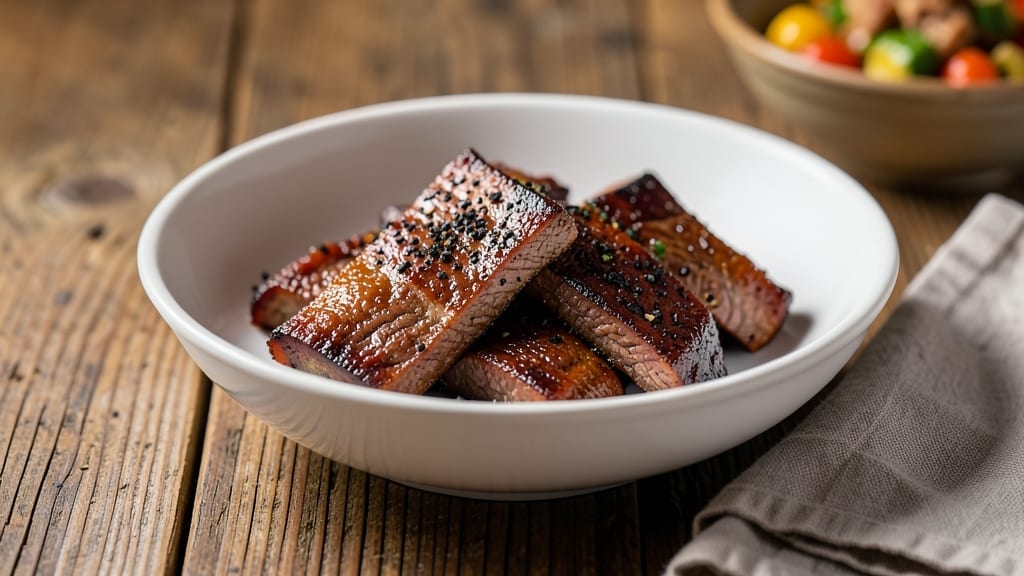
This Korean beef short ribs crock pot recipe delivers restaurant-quality tenderness without hours of active cooking. The secret lies in a precise marinade blend of soy sauce, brown sugar, and aromatic spices that transforms tough ribs into melt-in-your-mouth perfection over six hours.
I’ve perfected this method after countless experiments to balance sweetness, umami, and smoky depth—critical for authentic Korean flavors in a modern slow-cooker approach.
The beauty of this recipe is its simplicity: toss the ribs in the marinade, place them in the crock pot, and let the slow cooker do the work.
The ribs develop a caramelized exterior while staying fork-tender inside, with a sauce that’s rich enough to serve as a dipping sauce or spoon over steamed rice. This method preserves the meat’s natural juices while infusing it with layers of flavor that take hours to develop properly.
What you’ll end up with is a dish that’s equally impressive for weeknight dinners or special occasions—fall-apart tender beef with a glossy, slightly sticky glaze that clings to every bite.
The aroma alone will have your kitchen filled with the irresistible scent of Korean BBQ, and the texture promises that satisfying resistance before giving way to succulent meat. This is comfort food at its finest, elevated by professional techniques you can replicate at home.
Serve with steamed jasmine rice to soak up every last bit of that flavorful sauce, or pair with quick-pickled vegetables for a bright contrast. The leftovers reheat beautifully, making this an ideal meal prep option for busy weeks.
Let’s get started on creating this showstopping dish that will have everyone asking for seconds.
Ingredients for korean beef short ribs crock pot
Six core ingredients transform tough beef ribs into melt-in-your-mouth perfection using slow-cooker magic.
| Ingredient | Amount | Notes |
|---|---|---|
| Beef Short Ribs 🥩 | 3 lb | Bone-in, 1-2 inches thick |
| Korean Soy Sauce (Ganjang) 🥫 | ½ cup | High-quality, not regular soy sauce |
| Brown Sugar 🍯 | ½ cup | Packed, light or dark |
| Sesame Oil 🫒 | 1 tbsp | Toasted, not regular cooking oil |
| Rice Vinegar 🍶 | ¼ cup | White or seasoned |
| Garlic Cloves 🧄 | 8 cloves | Minced, fresh preferred |
| Fresh Ginger 🌿 | 2 tbsp | Grated, peeled |
| Gochugaru (Korean Red Pepper Flakes) 🌶️ | 1 tbsp | Adjust for heat preference |
| Sesame Seeds 🌰 | 1 tbsp | Toasted, for garnish |
| Green Onions 🧅 | 4 whole | Sliced, for garnish |
| Cornstarch 🌾 | 1 tbsp | For thickening sauce |
| Water 💧 | 1 cup | For cornstarch slurry |
| Jasmine Rice 🍚 | 2 cups | Uncooked, for serving |
| Salt 🧂 | 1 tsp | Kosher or sea salt |
| Black Pepper 🌶️ | ½ tsp | Freshly ground |
The beef short ribs are non-negotiable for authentic texture—look for bone-in cuts with good marbling at your local butcher or Costco for bulk options. Korean soy sauce (ganjang) is crucial; don’t substitute regular soy sauce, as it lacks the depth of authentic umami. For the best results, source your gochugaru from Asian markets or specialty stores like H Mart, where the quality is consistently superior to generic red pepper flakes. Fresh ginger and garlic should be vibrant and aromatic—no shriveled stems here. The sesame oil should be toasted, not the neutral variety used for cooking.
No Korean soy sauce? Coconut aminos or tamari in a pinch, though the flavor will differ slightly. Substitute regular red pepper flakes for gochugaru at half the amount, but expect less complexity. Fresh ginger and garlic can be swapped for 1 tbsp each of paste, though texture will change. For a quicker prep, use pre-minced garlic and jarred ginger, but fresh is always preferred. The cornstarch slurry can be made with arrowroot powder if you’re avoiding gluten, though cornstarch provides a more neutral thickening agent. The jasmine rice can be swapped for brown rice or short-grain white rice, though jasmine offers the best texture for soaking up the sauce.
Store uncooked ribs in the freezer for up to 3 months in a sealed bag. The marinade components keep well in the fridge for 1 week once mixed. Leftover cooked ribs and sauce reheat beautifully—simmer on the stove for 5-10 minutes to restore that glossy texture. Portion the sauce separately if you plan to freeze it; it keeps for 3 months in an airtight container. Garnishes like sesame seeds and green onions can be stored in the fridge for up to 1 week in a sealed container, maintaining their freshness for final presentation.
Why You’ll Love This Recipe
- Set It & Forget: I swear by this recipe when I’ve got better things to do than stir a pot. Toss the ribs in the crock pot with ganjang, brown sugar, and a splash of rice vinegar—then let it slow-cook while I watch a movie or grade papers. The only work is a quick sear beforehand, and the rest? Pure hands-off magic.
- Umami Bomb: That first bite? Chef’s kiss. The ganjang’s deep, salty-sweet punch pairs perfectly with the caramelized brown sugar, while sesame oil adds a nutty finish that makes every forkful irresistible. Honestly, I’ve made it for friends who aren’t even Korean food fans—and they’ve all come back for seconds.
- Weeknight to Party Fix: Same recipe, totally different vibes. Serve it over rice for a lazy Tuesday dinner, or plop it on a toasted baguette with kimchi for a showstopping appetizer at your next gathering. The sauce thickens beautifully, so it works just as well cold in lunchboxes as it does hot on the table.
- Leftovers That Don’t Suck: Most slow-cooked ribs turn dry or bland the next day—not these. The rice vinegar keeps them tender, and the sauce clings like glue, so reheating is a breeze. I’ll be real: I’ve eaten this for breakfast (yes, even on a Tuesday night) wrapped in a tortilla, and it’s still the star of the meal. Budget-friendly? Absolutely. Versatile? Even more so.
Step-by-step instructions for Korean beef short ribs crock pot recipe
Here’s the method that transforms tough short ribs into melt-in-your-mouth tenderness using just your crock pot.
Prepare the Short Ribs and Marinade Base
Pat the 3 lb beef short ribs dry with paper towels, removing any excess moisture. This step is crucial for developing that signature caramelized crust later. Place the ribs bone-side down in your crock pot.
In a medium bowl, whisk together the 0.5 cup Korean soy sauce (ganjang), 0.5 cup brown sugar, 1 tbsp sesame oil, 0.25 cup rice vinegar, 8 cloves minced garlic cloves, 2 tbsp grated fresh ginger, 1 tbsp gochugaru (Korean red pepper flakes), 1 tsp salt, and 0.5 tsp black pepper. Pour this marinade evenly over the ribs in the crock pot, ensuring they’re fully coated. The marinade should cover about 75% of the ribs’ surface.
Let the ribs sit at room temperature for 10 minutes before cooking. This brief resting period helps the marinade penetrate the meat more effectively. The ribs should be completely submerged in marinade when you start cooking.
Cook the Short Ribs on Low Heat
Place the lid on the crock pot and cook on low heat for 6 hours. This slow cooking time is essential for breaking down the connective tissue in the short ribs, transforming them into tender, fork-tender meat. Don’t be tempted to increase the heat—low and slow is the key to perfect results.
After 4 hours, carefully flip each rib to ensure even cooking on all sides. The marinade will begin to thicken and form a sticky glaze around the ribs. This is normal and actually enhances the flavor. You’ll notice the ribs will start to float slightly as they cook.
At the 5-hour mark, check the internal temperature using a meat thermometer. The ribs are ready when they reach 195°F. If they haven’t reached this temperature yet, continue cooking for another 30 minutes. The ribs should be so tender they’ll fall apart with just a gentle touch.
Prepare the Jasmine Rice and Thicken the Sauce
While the ribs cook, prepare the 2 cups jasmine rice according to package instructions. Use 1 cup water for the rice, adding 1 tsp salt to the cooking water. This will yield perfectly seasoned rice to complement the rich short ribs.
Once the ribs are fork-tender, remove them from the crock pot and set aside. Strain the cooking liquid through a fine-mesh sieve into a saucepan, pressing on the solids to extract maximum flavor. In a small bowl, whisk together the 1 tbsp cornstarch and 1 cup water to create a slurry.
Return the strained cooking liquid to the crock pot and bring to a gentle simmer over medium heat. Slowly pour in the cornstarch slurry while stirring constantly. The sauce will begin to thicken immediately. Simmer for an additional 2-3 minutes until it reaches a glossy, slightly thickened consistency—similar to a light syrup. This sauce should coat the back of a spoon.
Assemble and Serve
Slice the short ribs against the grain into ½-inch thick pieces. Discard any large fat chunks if desired, though they add flavor. Return the sliced ribs to the crock pot and pour the thickened sauce over them, tossing gently to coat. The sauce should cling to the ribs and create a beautiful glaze.
To serve, divide the jasmine rice among plates and top with the short ribs. Drizzle generously with the sauce from the crock pot. Garnish each serving with 1 tbsp toasted sesame seeds and 1 whole sliced green onion. The combination of tender meat, flavorful sauce, and fragrant rice creates a complete meal that’s perfect for sharing.
For best results, serve immediately while the ribs are still warm. The sauce will continue to thicken slightly as it cools, so don’t be concerned if it appears slightly thinner when first served. Each bite should offer a perfect balance of sweet, savory, and slightly spicy flavors with melt-in-your-mouth tenderness.
Pro Tips For Making Korean Beef Short Ribs Crock Pot
- Trim the Fat First: Slice through the thick fat cap on the short ribs before cooking—it’s the only way to avoid a greasy, unbalanced sauce. I learned this the hard way when my first batch turned into a soggy, fatty mess; now I trim it down to about 1/4-inch thickness so the ganjang and brown sugar can shine.
- Brown the Ribs: Don’t skip the sear—even in a crock pot. Hit the ribs with high heat in a pan for 2-3 minutes per side until deeply browned. This step builds flavor that slow cooking alone won’t replicate, and it keeps the meat from turning mushy.
- Deglaze the Pot: After browning, dump the ribs straight into the crock pot with any browned bits stuck to the pan. Add a splash of rice vinegar to scrape up those flavor-packed residues—it’s the difference between good and really good.
- Stir the Sugar Early: Mix the brown sugar into the ganjang and sesame oil before adding the ribs. If you wait, the sugar will clump and burn, turning your sauce bitter. Stir it in cold, then let the crock pot’s low heat dissolve it evenly—no lumps, no stress.
Serving suggestions for this korean beef short ribs crock pot
Rice Pairings
Jasmine rice remains my go-to pairing because its delicate floral aroma complements the rich, caramelized flavors of the short ribs. Cook 2 cups uncooked jasmine rice with 1 cup water and a pinch of salt for perfectly seasoned grains.
The rice absorbs the sauce beautifully, creating each bite into a flavorful experience. For extra luxury, use short-grain sushi rice—its stickiness makes it ideal for scooping up every last drop of sauce. 🍚
Vegetable Sides
Quick-pickled cucumbers add a refreshing contrast to the richness of the ribs. Toss 2 cups sliced cucumbers with ¼ cup rice vinegar, 1 tbsp sugar, 1 tsp salt, and 1 tsp gochugaru.
Let sit for 30 minutes before serving. Alternatively, sauté baby bok choy with garlic and sesame oil for 3 minutes—the slight bitterness balances the sweet-savory ribs perfectly.
Broth-Based Bowls
Transform leftovers into Korean-style beef short rib ramen by adding 1 cup miso broth to the crock pot with the ribs. Serve over udon or ramen noodles, topped with soft-boiled eggs and sliced green onions.
For a lighter option, use shirataki noodles to reduce carbs while keeping the dish satisfying. The broth absorbs all the rib flavors, creating a comforting, umami-packed bowl. 🍜
Garnish Game
Toast 1 tbsp sesame seeds in a dry pan for 1-2 minutes until golden and fragrant. Sprinkle over the ribs just before serving to add crunch and depth. Thinly sliced green onions provide a fresh finish, while a drizzle of extra sesame oil enhances the aroma.
For heat lovers, add Korean pear slices—they caramelize slightly when warmed, adding sweetness and texture.
Dipping Sauce
Strain the cooking liquid again and reduce it by half in a saucepan over medium heat. Stir in 1 tbsp gochujang and 1 tsp honey for a spicy-sweet dipping sauce.
Serve in small bowls for scooping up extra sauce or pairing with steamed dumplings. This sauce also works as a marinade for quick stir-fries or grilled meats. 💛
Meal Prep Strategy
Store cooked ribs and sauce separately in airtight containers for up to 4 days in the fridge. Reheat the sauce separately on the stovetop for 5 minutes before tossing with the ribs to maintain texture.
Pack rice and ribs in separate containers to prevent sogginess. For a complete meal prep, include pre-cut pickled veggies and toasted sesame seeds in small containers to add freshness when reheating.
Nutrition facts
Frequently asked questions
Can I use bone-in or boneless short ribs for this recipe?
Bone-in short ribs are ideal—they add incredible flavor and texture, plus the marrow contributes richness to the sauce. If you must use boneless, reduce cooking time by 30 minutes since they cook faster. For best results, look for 1-2 inch thick cuts to ensure proper tenderness.
What if my crock pot is too small for 3 lbs of ribs?
Cook in two batches if needed—just halve the marinade and cook each batch for 4 hours instead of 6. The sauce can be combined later. For a 6-quart crock pot, 2.5 lbs is the maximum safe amount. Smaller pots may require high heat for 4-5 hours instead of low.
How do I adjust the spice level in this recipe?
Start with 1 tbsp gochugaru for mild heat, then add ½ tsp more if desired. For extra spice, stir in 1 tsp gochujang with the sauce at the end. If you love heat, substitute 1 tbsp Korean chili crisp for the gochugaru. Always taste before serving!
Can I make this recipe without Korean ingredients?
Yes! Replace Korean soy sauce with 2 tbsp tamari + 2 tbsp regular soy sauce, use 1 tbsp red pepper flakes instead of gochugaru, and swap sesame oil for 1 tsp toasted vegetable oil. The flavor will be different but still delicious. For ginger, 1 tbsp paste works in a pinch.
Why did my ribs turn out tough instead of tender?
Tough ribs usually mean cooking time was too short or heat was too high. Always cook on low for 6 hours and check internal temp at 195°F. If using high heat, reduce time to 4-5 hours. Make sure ribs are fully submerged in marinade—they need moisture to break down properly.

- Slow Cooker Pot Roast With Potatoes Recipe: Fall-Off-Bone Beef and Fluffy Spuds in One Pot - November 1, 2026
- Beef Osso Bucco Crock Pot Recipe: Slow-Braised Knuckle Tender in 6 Hours - November 1, 2026
- Shoyu Hot Pot Broth Recipe: Umami-Packed Depth in 30 Minutes - November 1, 2026