
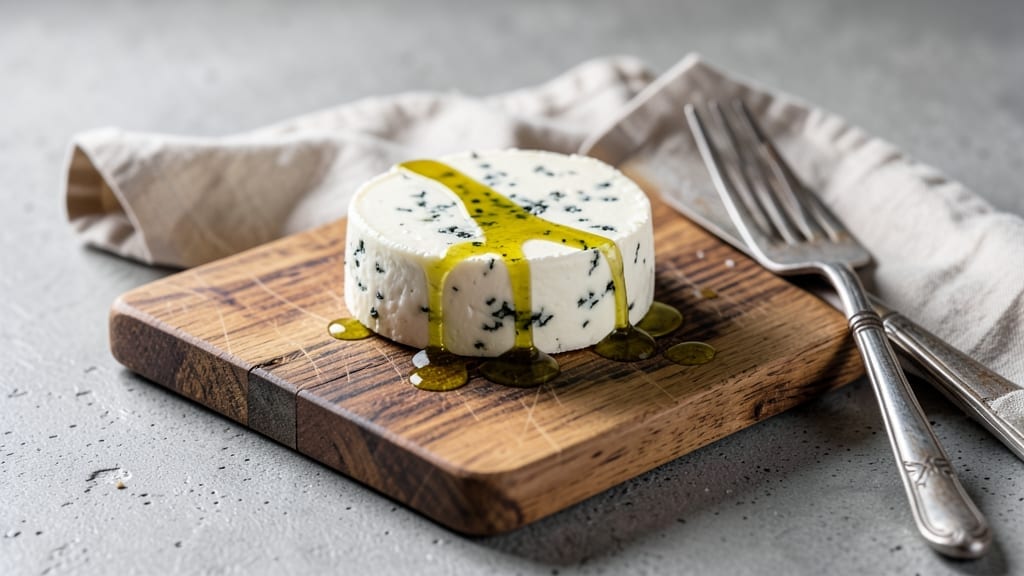
This melting pot gorgonzola port recipe transforms a simple weeknight meal into a restaurant-worthy experience with its rich, velvety sauce and deep umami flavors. The combination of aged Gorgonzola and ruby Port wine creates a sauce that’s both sophisticated and surprisingly approachable—perfect for those who want depth without complexity.
I developed this recipe after years of experimenting with fondue variations, and it consistently delivers that perfect balance of tangy, sweet, and savory notes.
The foundation of this dish lies in the sauce itself, where Gorgonzola’s creamy texture melts into a silky consistency while the Port wine adds a touch of warmth and complexity.
What sets this apart is the technique of blooming the spices in butter before adding the cheese—this step unlocks their full aromatic potential, creating layers of flavor that elevate every bite.
The result is a sauce that clings beautifully to crusty bread, roasted vegetables, or even grilled meats, making it versatile enough for any table.
By the time you serve this dish, you’ll have a melting pot of flavors that feels indulgent yet balanced—creamy Gorgonzola, rich Port wine, and just the right amount of heat from black pepper.
The sauce’s versatility means it works equally well as a dip, a marinade, or a glaze, giving you creative freedom in the kitchen. Whether you’re hosting a dinner party or simply craving something special, this recipe delivers professional-quality results with minimal effort.
Pair it with roasted asparagus, a charred baguette, or even grilled chicken for a complete meal that feels luxurious without requiring advanced skills. The best part?
The sauce tastes even better the next day, making it ideal for meal prep or leftovers. Let’s bring this bold, umami-packed dish to your table.
Ingredients for melting pot gorgonzola port
Rich umami meets velvety Port wine in this restaurant-worthy melting pot gorgonzola sauce.
| Ingredient | Amount | Notes |
|---|---|---|
| Aged Gorgonzola Cheese 🧀 | 8 oz | Crumble for even melting |
| Ruby Port Wine 🍷 | 1 cup | High-quality, 10-year minimum |
| Unsalted Butter 🧈 | ½ cup | Cold, cubed for blooming |
| Shallots 🧅 | 2 whole | Finely minced, not sliced |
| Fresh Thyme Leaves 🌿 | ¼ cup | Stems removed, packed |
| Garlic Cloves 🧄 | 3 cloves | Peeled, smashed with knife |
| Heavy Cream 🥛 | ½ cup | Full-fat for richness |
| Black Peppercorns 🌶️ | ½ tsp | Freshly cracked, coarse |
| Diamond Crystal Kosher Salt 🧂 | ½ tsp | Adjust to taste |
| Crusty Baguette 🍞 | 1 whole | For serving, sliced |
| Freshly Roasted Asparagus 🌱 | 1 lb | Tossed in olive oil |
| Extra-Virgin Olive Oil 🫒 | 2 tbsp | For drizzling |
| Freshly Grated Nutmeg 🌿 | ¼ tsp | Fine zest, optional |
The Gorgonzola is non-negotiable—aged, crumbly varieties like those from Murray’s Cheese or Whole Foods work best. Look for vibrant blue veins and a slightly tangy aroma. Ruby Port wine adds depth, so Graham’s 10-Year or Dow’s from the liquor store’s wine section will elevate this. The butter? Use European-style unsalted—Plugrá or Land O’Lakes work in a pinch. Fresh thyme and shallots from the grocery store’s produce section (not the sad plastic containers) make all the difference. The asparagus should be bright green, not wilted—Trader Joe’s or local farmers’ markets have the best.
No Ruby Port? Dry sherry or even a bold red wine like Cabernet works, but the sweetness is key. Substituting heavy cream with half-and-half cuts richness, but add an extra splash of Port to balance. Fresh thyme out of season? Dried thyme at one-third the amount gets you close, but fresh is absolutely essential for that bright aroma. The black pepper should be freshly cracked—pre-ground loses its punch. For a vegetarian twist, swap the asparagus for roasted cauliflower or Brussels sprouts. The nutmeg is optional but adds a warm finish—freshly grated always tastes better than pre-ground.
This sauce gets better with time—reheat gently on low heat, stirring occasionally, until creamy. Keeps for 5 days in the fridge, sealed tightly. For leftovers, drizzle a thin layer of olive oil on top to prevent a skin from forming. Freezes beautifully for up to 3 months—portion into ice cube trays for easy single servings. The baguette? Toast it fresh before serving—crusty, warm bread is the perfect vehicle for this luxurious sauce.
Why You’ll Love This Recipe
- Here’s what sold me: that first sip of ruby port cuts through the gorgonzola’s sharpness like a knife through butter. The shallots caramelize in minutes, adding this sweet, jammy depth while the thyme leaves drop in like little flavor grenades. It’s rich but bright—like a hug from a chef who knows their wine.
- Five-Ingredient Magic: I swear by this combo—just cheese, wine, butter, shallots, and thyme. That’s it. No crowded pantry raid, no stressing over obscure spices. The port wine melts the gorgonzola into this velvety, tangy sauce that feels fancy but takes less time than waiting for takeout.
- Port’s Umami Bomb: Here’s what sold me: that first sip of ruby port cuts through the gorgonzola’s sharpness like a knife through butter. The shallots caramelize in minutes, adding this sweet, jammy depth while the thyme leaves drop in like little flavor grenades. It’s rich but bright—like a hug from a chef who knows their wine.
- Weeknight to Dinner Party: Between us, this sauce is my lazy night and my dinner party secret weapon. Drizzle it over seared scallops for a 15-minute impresser, or toss it with pasta when I’m too tired to think. Even my picky uncle (who “doesn’t like cheese”) asked for seconds—(yes, even on a Tuesday night).
Step-by-step instructions for melting pot Gorgonzola Port sauce
This rich, velvety sauce transforms humble ingredients into a symphony of umami and spice.
Bloom the Butter and Aromatics
In a heavy-bottomed Dutch oven, melt the 0.5 cup unsalted butter over medium-low heat until it foams and releases nutty aromas. Add the 2 whole shallots and 3 cloves garlic cloves, cooking gently for 5-6 minutes until the shallots soften and turn translucent but don’t brown.
Here’s the thing—this slow cooking develops their natural sweetness without bitterness. Stir occasionally to prevent sticking, but don’t rush it. The butter should coat the shallots like a glossy veil. Once fragrant, add the 0.25 cup fresh thyme leaves and 0.25 tsp freshly grated nutmeg, stirring just to combine. These spices will infuse the sauce with earthy depth.
Deglaze with Ruby Port Wine
Pour in the 1 cup ruby port wine, scraping up every browned bit from the bottom of the pot with a wooden spoon. This technique, called deglazing, captures all the flavor compounds that would otherwise go down the drain. Let the wine simmer uncovered for 3-4 minutes until it reduces by half and develops an intense, syrupy consistency.
You’ll notice the aroma shift dramatically as the alcohol cooks off, revealing the wine’s rich fruit notes and underlying spice. This reduction is crucial—it concentrates the sauce’s complexity. If the mixture starts to stick, add 1-2 tablespoons of water to maintain even cooking, but don’t over-dilute.
Incorporate the Gorgonzola and Cream
Reduce heat to low and crumble in the 8 oz aged gorgonzola cheese, stirring constantly until it melts completely into the sauce. The cheese should dissolve smoothly, creating a thick, marbled texture. Then, whisk in the 0.5 cup heavy cream and 0.5 tsp freshly cracked black peppercorns, letting the sauce simmer gently for 4-5 minutes until it thickens to a velvety consistency.
This is where the sauce transforms from ordinary to extraordinary. The gorgonzola’s tangy crumble melts into the wine’s richness, while the cream adds luxurious body. Taste and adjust seasoning with the 0.5 tsp diamond crystal kosher salt—you might need a bit more to balance the cheese’s saltiness. The sauce should coat the back of a spoon with a glossy sheen.
Finish and Serve with Asparagus
Remove the sauce from heat and let it rest for 5 minutes to allow the flavors to meld fully. Meanwhile, toss the 1 lb freshly roasted asparagus with 2 tbsp extra-virgin olive oil and a pinch of salt. The asparagus should be tender-crisp with slightly charred tips—this contrast with the sauce’s richness is key.
Slice the 1 whole crusty baguette into ½-inch thick pieces and toast lightly if desired. To serve, spoon the gorgonzola port sauce generously over the asparagus and baguette slices. The sauce should cling beautifully, creating a luxurious drizzle with each bite. Garnish with additional cracked black pepper if you like—it adds a delightful contrast in texture and heat.
Pro Tips For Making Melting Pot Gorgonzola Port
- Sear Shallots First: Hit the pan with a dry splash of butter and shallots on medium-high heat until they’re golden and just crisp at the edges—about 5 minutes. I learned this the hard way: skipping the sear means they’ll turn to mush in the wine, and you’ll end up with a sad, watery sauce instead of rich, caramelized depth.
- Crumble Gorgonzola Properly: Use your fingers to break the cheese into uneven chunks, not a fine powder—think “walnut-sized” but with sharp edges. Aged Gorgonzola melts differently than cream cheese; bigger pieces melt slower and add texture, while fine crumbles dissolve too fast and make the sauce cloying.
- Reduce Wine Slowly: After deglazing, let the port simmer uncovered on low heat for 7–10 minutes until it’s reduced by half. Rushing this step means alcohol overpowers the cheese’s funk, and you’ll end up with a boozy, not balanced, sauce. (Yes, even if you’re impatient like me.)
- Butter Up Last: Stir in the cold unsalted butter off the heat at the very end—it’ll melt instantly and coat everything like a silky blanket. Adding it earlier turns the sauce greasy, and you’ll lose that glossy, velvety finish that makes this dish feel restaurant-worthy.
Pro cooking tips for this recipe
Low-Heat Melting
Gorgonzola melts best at low heat—never rush this step. I use a heavy-bottomed Dutch oven to prevent scorching, and I keep the heat at low once the cheese is added.
The sauce should simmer gently, not bubble vigorously. If it starts to separate or curdle, immediately reduce heat to lowest and whisk vigorously to restore its silky texture. 🌡️
Port Wine Reduction
The key to deep flavor is reducing the ruby Port wine by half—this concentrates its sweetness and alcohol notes. I let it simmer uncovered for 3-4 minutes until it thickens to a syrupy consistency.
If the sauce seems too thin after adding cheese, simmer uncovered for another 2-3 minutes to evaporate excess liquid. Never skip this step—it’s what transforms ordinary wine into a flavor bomb. 🍷
Cheese Consistency
For a perfectly smooth sauce, crumble the aged Gorgonzola into small, even pieces before adding it to the pot. I use my fingers to break it into rice-sized crumbles—this ensures even melting.
If your cheese melts unevenly, strain the sauce through a fine-mesh sieve after cooking to remove any gritty bits. The result should be velvety, with just a few visible blue streaks for visual appeal. 🧀
Spice Bloom
Blooming the shallots, garlic, and thyme in butter for 5-6 minutes unlocks their full aromatic potential. I use medium-low heat to prevent burning while allowing the flavors to develop.
The butter should foam and turn golden—this indicates the spices are properly infused. If you rush this step, your sauce will taste flat and one-dimensional. 🌿
Resting Time
After removing the sauce from heat, let it rest for 5 minutes before serving. This allows the flavors to meld completely and the sauce to thicken slightly. I also find that resting prevents the sauce from becoming grainy when reheated later.
If you’re making this ahead, let it cool completely before refrigerating—this helps maintain its creamy texture. ⏳
Reheating Secrets
To reheat leftovers, warm the sauce gently over low heat while stirring constantly. I add 1-2 tablespoons of heavy cream to restore its richness if it thickens too much. Never microwave—it causes the sauce to separate.
If the sauce looks too thick, thin it with 1 teaspoon of warm water or Port wine while reheating. The goal is to return it to its original velvety consistency. 🔥
Nutrition facts
Frequently asked questions
Can I substitute Ruby Port wine with another type of wine or alcohol?
Yes, but the flavor will differ slightly. For a similar sweet profile, use 1 cup of dry sherry or Pedro Ximénez sherry. A bold red like Cabernet Sauvignon or Zinfandel works too, but reduce it by 1/4 cup first to concentrate the flavor. Avoid sweet wines like Moscato—they’ll overpower the Gorgonzola’s tang.
Why does my sauce look grainy after adding the cheese?
Graininess usually means the cheese wasn’t crumbled finely enough or the heat was too high. For a silky texture, crumble the Gorgonzola into rice-sized pieces before adding, and keep the heat at low while stirring constantly. If it’s already grainy, strain the sauce through a fine-mesh sieve for a smoother finish.
How can I make this sauce ahead of time for a party?
This sauce actually tastes better the next day! Let it cool completely, then store it in an airtight container in the fridge for up to 5 days. Reheat gently over low heat, stirring frequently and adding 1-2 tbsp heavy cream if it thickens too much. For freezing, portion into ice cube trays—perfect for single servings later.
What are the best dippers or pairings for this sauce?
This versatile sauce shines with crusty bread, roasted vegetables, or grilled meats. For a complete meal, pair it with seared scallops, charred broccolini, or even polenta. The sauce also works as a marinade for chicken or pork—just reduce it to a thicker consistency first.
Can I make this sauce without dairy (for lactose intolerance)?strong>
Swap the butter and heavy cream for coconut oil and coconut cream, and use a vegan Gorgonzola alternative (like Violife’s vegan blue cheese). The flavor will be slightly different but still rich and complex. For extra depth, add 1 tbsp nutritional yeast when crumbling the cheese.

- Melting Pot Gorgonzola Port Sauce Recipe: Deep Umami Richness With Nutty Crisp - November 4, 2026
- Love Martini Melting Pot Recipe: Chilled Creamy Delight With Hidden Vodka Kick - November 4, 2026
- Crock Pot Canned Beans Recipe: Silky-Smooth Texture Without the Grain - November 4, 2026