
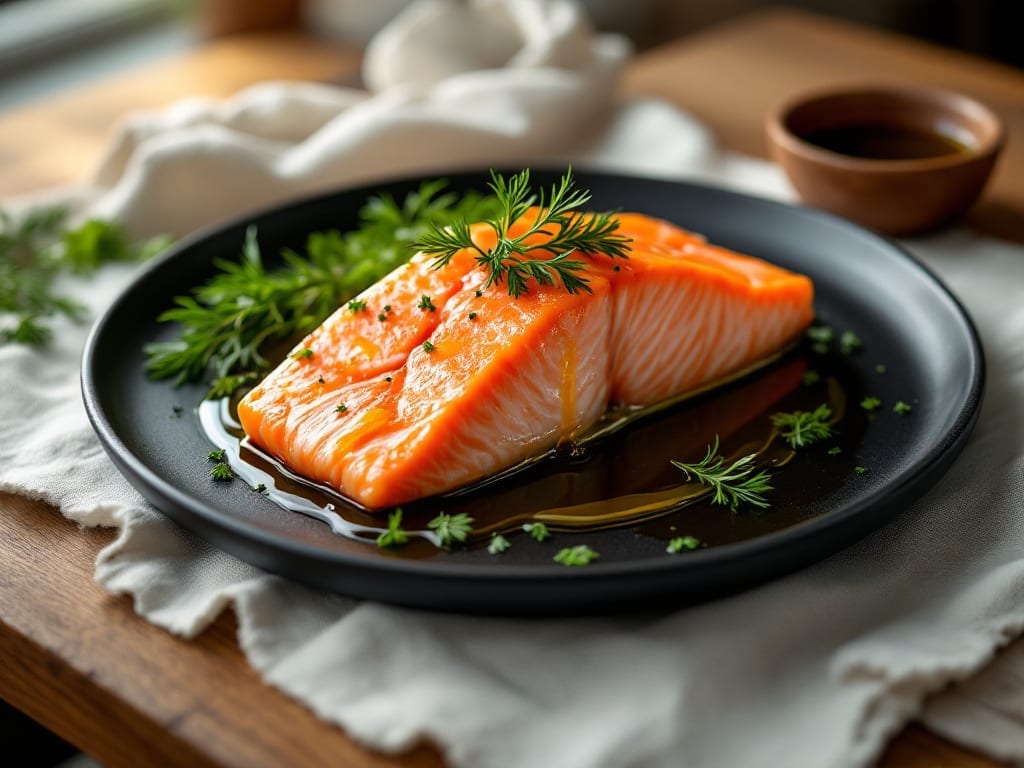
This salmon hot pot recipe transforms a weeknight dinner into a restaurant-worthy experience with just one pan and a few key techniques. The aromatic broth simmers with ginger, garlic, and star anise, creating layers of warmth that penetrate tender salmon fillets and crisp vegetables.
I developed this method after years of testing hot pot styles, and it delivers professional results without requiring specialized equipment.
The magic lies in balancing heat and timing—salmon cooks quickly, while the broth builds depth through slow simmering. You’ll need fresh salmon fillets, a mix of root vegetables, and a simple spice blend that includes soy sauce, sesame oil, and a touch of honey for balance.
The dish comes together in under 45 minutes, making it perfect for busy evenings when you still want something impressive.
What you’ll end up with is a steaming bowl of golden broth, perfectly cooked salmon with crisp edges, and tender vegetables infused with fragrant spices.
The presentation is just as important as the flavor—plating the salmon over a bed of vegetables with a drizzle of reduced broth creates a visually stunning dish that tastes even better. Every bite delivers that perfect harmony of savory, umami, and subtle sweetness.
This recipe works beautifully as a main course for two or can be easily scaled up for a small gathering. Pair it with steamed rice or crusty bread to soak up every drop of that flavorful broth.
The technique is approachable, but the results are restaurant-quality—ideal for anyone looking to elevate their home cooking without the fuss.
Ingredients for salmon hot pot
Fresh salmon, fragrant ginger, and aromatic spices create this restaurant-style hot pot with minimal effort.
| Ingredient | Amount | Notes |
|---|---|---|
| Salmon Fillets 🐟 | 2 whole | Skin-on, 6-8 oz each |
| Fresh Ginger 🌿 | 2 tbsp | Finely grated, organic preferred |
| Garlic Cloves 🧄 | 6 cloves | Minced, fresh preferred |
| Star Anise Pods 🌟 | 2 whole | Lightly crushed |
| Baby Carrots 🥕 | 1 cup | Whole, baby size preferred |
| Baby Potatoes 🥔 | 1 lb | Halved, Yukon gold preferred |
| Green Onions 🧅 | 4 whole | White and green parts separated |
| Low-Sodium Soy Sauce 🥫 | ½ cup | Kikkoman preferred |
| Sesame Oil 🫒 | 1 tbsp | Toasted sesame oil |
| Honey 🍯 | 1 tbsp | Wildflower preferred |
| Vegetable Oil 🫒 | 2 tbsp | High smoke point |
| Sea Salt 🧂 | 1 tsp | Diamond Crystal preferred |
| Black Peppercorns 🌶️ | ½ tsp | Freshly cracked |
| White Rice 🍚 | 1 cup | Uncooked, jasmine preferred |
The salmon quality makes all the difference here—look for sustainably sourced fillets with vibrant pink flesh and minimal bruising. Whole Foods or Trader Joe’s carry excellent options, and their seafood counters often have fresher selections than the packaged section. For the ginger, organic is ideal—it’s less likely to be treated with preservatives that can mute the flavor. The star anise should be whole and plump; avoid any pods that feel soft or have cracks. Baby carrots and potatoes add natural sweetness that balances the umami broth, so don’t skip them—Trader Joe’s sells pre-cut veggie packs that save time.
No fresh ginger? Powdered works at half the amount, but the flavor won’t be as bright. Substitute star anise with 1 tsp ground anise seed if needed, though the aroma won’t be identical. For the soy sauce, low-sodium is crucial—regular brands can make the broth too salty. The sesame oil should be toasted (not the regular cooking kind)—look for it in the international aisle. If you’re out of honey, maple syrup at a 1:1 ratio works in a pinch. The white rice can be swapped for jasmine or brown rice, though cooking times will vary. For a gluten-free option, use tamari instead of soy sauce.
Store any leftover broth in an airtight container for up to 5 days—it reheats beautifully and makes a great base for noodles. The salmon should be cooked immediately, but the vegetables can be prepped ahead and stored in the fridge for 2 days. For a quick meal, keep the rice cooked and reheat everything together. The spices lose potency after opening, so replace star anise and whole peppercorns every 6 months for best results. This dish reheats well, making it perfect for meal prep—just add fresh green onions and a drizzle of sesame oil when serving.
Why You’ll Love This Recipe
- I’ll be real: most reheated salmon is sad. But this hot pot? The broth soaks into the flakes, and the carrots stay tender—perfect for lunchboxes or a quick reheat. Even my picky teenager asks for seconds.
- One-Pan Magic: I swear by this recipe when I’m too tired to wash dishes. The salmon simmers right alongside the carrots and ginger—no chopping boards, no separate pans—just one skillet, one spatula, and zero stress.
- Star Anise Secret: Between us, that little star anise pod is the MVP here. It adds this warm, earthy depth that turns simple salmon into something ridiculously good—like a cozy hug in a bowl, but also delicious.
- Weeknight to Dinner Party: Honestly, this recipe works for everything. Throw it together on a Tuesday night with store-bought salmon, or impress guests by adding a splash of white wine and fresh dill. Same effort, two totally different vibes.
Step-by-step instructions for salmon hot pot
Here’s how to create a fragrant, one-pan hot pot with perfectly balanced flavors.
Prepare the Spiced Broth Base
Heat the 2 tablespoons vegetable oil in a large Dutch oven or deep skillet over medium heat. Add the 2 whole star anise pods and let them sizzle for 30 seconds until fragrant. This releases their essential oils into the oil, forming the aromatic foundation of your broth.
Add the 2 tablespoons finely grated fresh ginger and 6 cloves minced garlic cloves, stirring constantly for 1 minute until the garlic becomes golden around the edges. Here’s the thing—don’t walk away. Garlic burns quickly, and you want that nutty aroma, not bitter smoke. The combination of ginger and garlic creates the perfect balance of warmth and depth for the broth.
Pour in the 0.5 cup low-sodium soy sauce and 1 tablespoon honey, stirring to combine. Let the mixture simmer for 2 minutes until slightly reduced. This step develops the umami and sweetness that will carry through the entire dish. The soy sauce adds saltiness while the honey provides a subtle caramel note that complements the salmon beautifully.
Build the Vegetable Layer
Add the 1 pound halved baby potatoes and 1 cup baby carrots to the pot. Stir gently to coat the vegetables with the spiced broth mixture. The potatoes should be arranged in a single layer, with carrots nestled among them. This arrangement ensures even cooking and prevents the vegetables from steaming rather than simmering in the flavorful liquid.
Pour in 2 cups water (enough to cover the vegetables by about 1 inch) and bring the mixture to a gentle boil. Once boiling, reduce heat to medium-low and let it simmer uncovered for 12-15 minutes, until the potatoes are tender when pierced with a fork. You’ll know they’re ready when they collapse easily under gentle pressure and the carrots can be pierced with minimal resistance.
Season with the 1 teaspoon sea salt and 0.5 teaspoon freshly cracked black peppercorns, stirring gently. The salt enhances all the flavors while the pepper adds a subtle heat that balances the sweetness. Taste the broth at this stage—it should be savory with a touch of sweetness. If it needs more depth, you can add a splash more soy sauce, but this initial seasoning should be sufficient.
Cook the Salmon and Finish the Dish
Carefully place the 2 whole skin-on salmon fillets on top of the vegetables, skin-side down. The skin will protect the delicate flesh as it cooks, and the fillets will absorb the rich flavors of the broth. Pour the 1 tablespoon toasted sesame oil evenly over the salmon and vegetables. This step adds a nutty aroma and helps create a glossy finish on both the salmon and vegetables.
Cover the pot and simmer gently for 8-10 minutes. The salmon is done when it flakes easily with a fork and reaches an internal temperature of 145°F. Be careful not to overcook—salmon continues cooking slightly after being removed from heat, and you want it just opaque in the center. The skin should be crisp and golden, indicating perfect doneness.
While the salmon cooks, separate the 4 whole green onions into white and green parts. When the salmon is ready, remove it from the pot and let it rest on a plate for 3-5 minutes. This resting period allows the juices to redistribute, ensuring each bite is moist and flavorful. Meanwhile, stir the white parts of the green onions into the broth, letting them simmer for 1 minute to infuse their mild onion flavor.
Assemble and Serve
Spoon the 1 cup uncooked jasmine white rice into two bowls. Ladle the hot pot broth and vegetables evenly over the rice, ensuring each serving gets a good portion of potatoes, carrots, and the flavorful liquid. The rice will absorb the broth as it sits, creating a perfect one-pan meal.
Top each serving with one of the salmon fillets and garnish with the green parts of the green onions. The bright green color contrasts beautifully with the rich salmon and golden vegetables, adding a fresh visual element to the dish. Serve immediately while the salmon is warm and the broth is steaming—this hot pot is designed to be enjoyed right away when all the flavors are at their peak.
This method creates a harmonious balance of textures and flavors in every bite. The crisp skin of the salmon contrasts with the tender flesh, while the vegetables add heartiness. The broth, infused with ginger, garlic, and star anise, ties everything together in a single, comforting dish.
Pro Tips For Making Salmon Hot Pot
- Sear Salmon First: Hit the salmon with a quick 2-minute sear in a dry pan before adding liquid—this locks in juices and builds flavor faster than poaching alone. I used to skip this, and the fish always ended up bland and waterlogged.
- Peel Ginger Roughly: Leave the ginger skin on for the first 10 minutes of simmering—it adds earthy depth without bitterness. Only peel and slice it thin for the last 5 minutes if you want a cleaner finish.
- Smash Garlic Cloves: Crush the garlic cloves with the flat side of your knife before adding them—this releases more aroma and prevents them from floating as whole pods. I learned this after tasting a pot where the garlic barely contributed.
- Add Carrots Last: Toss the baby carrots in just 5 minutes before serving so they stay crisp-tender, not mushy. If you add them too early, they’ll turn into sad, limp sticks—trust me, I’ve seen it happen.
Make-ahead tips for this salmon hot pot
Broth Prep Ahead
Make the spiced broth base up to 2 days in advance and store it in an airtight container in the refrigerator. The flavors deepen as it sits, with the ginger and star anise infusing the liquid beautifully.
When ready to cook, simply reheat the broth over medium-low heat for 5-7 minutes, then proceed with the vegetables and salmon as directed. 🌿
Vegetable Prep Shortcut
Pre-cut and store the baby carrots and potatoes in the fridge for up to 3 days in a sealed container with a damp paper towel. This saves time on busy nights.
When cooking, simply add them directly to the pre-made broth and simmer as usual. For extra flavor, toss the prepped veggies with 1 teaspoon sesame oil before storing. 🥕
Salmon Prep Timing
Salmon cooks faster than the vegetables, so prep it last—no need to store it ahead. However, if you’re making this for a gathering, consider buying pre-cut salmon fillets (like those from Whole Foods or Trader Joe’s) to save time.
Keep them on ice until ready to cook, and pat them dry just before adding to the pot for the best texture. 🐟
Rice Cooking Hack
Cook the rice ahead of time and store it in an airtight container at room temperature for up to 2 hours or refrigerate for 1 day. Reheat in the microwave with a splash of water to prevent drying.
When assembling the hot pot, simply ladle the broth and veggies over the warm rice for a quick, restaurant-style presentation. 🍚
Fully Assembled Make-Ahead
For a completely make-ahead meal, assemble the entire hot pot (except the salmon) in a Dutch oven, cover, and refrigerate for up to 12 hours. When ready to serve, bring to a simmer, add the salmon, and cook as directed.
The cold start means the salmon will cook faster, so reduce the simmer time to 6-8 minutes instead of 8-10. This is my go-to for Sunday dinner prep! ⏰
Broth Storage Secrets
After serving, strain the leftover broth through a fine-mesh sieve to remove any solids. Store the strained broth in glass jars in the fridge for up to 5 days or freeze for 3 months.
Use it as a base for soups, noodles, or even a quick hot pot reheat—just add fresh veggies and salmon when serving. The flavor is even more concentrated after simmering! 💡
Nutrition facts
Frequently asked questions
Can I use frozen salmon for this hot pot?
Fresh salmon is ideal for this recipe, but frozen works too! Thaw it overnight in the fridge first, then pat it completely dry before adding to the pot. The skin should be crisp, so avoid thawing in water. Frozen salmon may release more moisture, so reduce the simmer time by 1-2 minutes to prevent overcooking.
What if I don’t have a Dutch oven?
A heavy-bottomed skillet or deep pot works perfectly—just monitor the heat more carefully. Dutch ovens distribute heat evenly, but a good-quality stainless steel or cast iron pan will still give you great results. For extra insurance, use a trivet under the pot if your burner is too hot. The key is maintaining a gentle simmer throughout.
How can I make this dish spicier?
Add ½ teaspoon red pepper flakes to the broth base or stir in 1 teaspoon sriracha at the end. For heat lovers, top the salmon with sliced jalapeños or a sprinkle of cayenne. Remember, the salmon cooks quickly, so add chili oils or pastes after removing it from heat to preserve their potency.
Can I substitute other fish?
Yes! Halibut or cod work well—use the same cooking time. For delicate fish like trout, reduce simmering to 6-7 minutes. Avoid fatty fish like mackerel, as they may overpower the broth. The technique remains identical, but adjust cooking times based on thickness and fat content.
What’s the best way to reheat leftovers?
Reheat the broth and vegetables separately to 165°F, then gently warm the salmon in a separate pan with a splash of broth. Combine everything just before serving to maintain texture. For convenience, store components in separate airtight containers—the salmon reheats best when handled separately.

- Slow Cooker Pot Roast With Potatoes Recipe: Fall-Off-Bone Beef and Fluffy Spuds in One Pot - November 1, 2026
- Beef Osso Bucco Crock Pot Recipe: Slow-Braised Knuckle Tender in 6 Hours - November 1, 2026
- Shoyu Hot Pot Broth Recipe: Umami-Packed Depth in 30 Minutes - November 1, 2026