
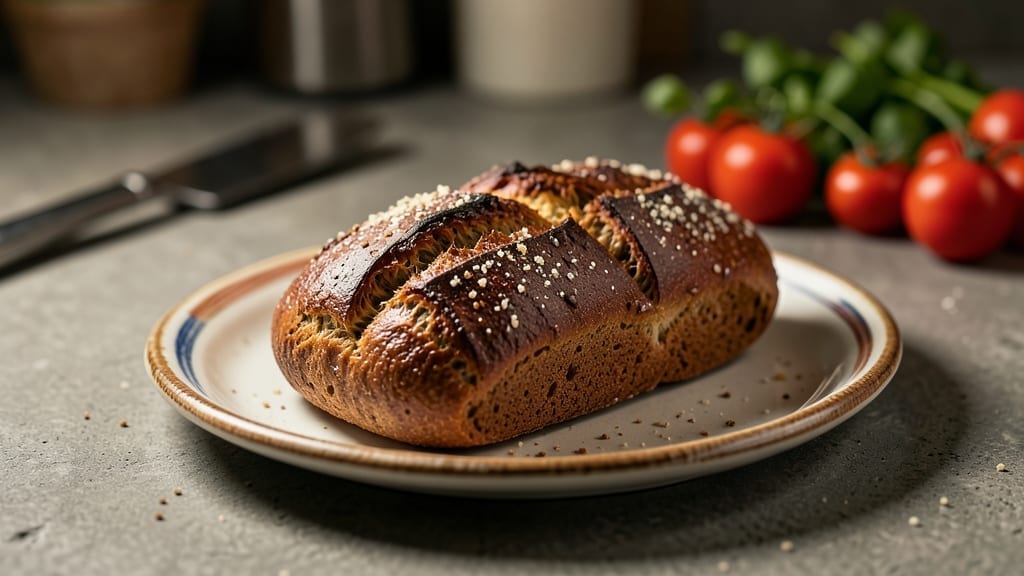
This Spinnakers Flower Pot Bread recipe transforms a simple dough into a showstopping centerpiece with flaky layers and aromatic herb magic. The secret lies in a precise dough technique that creates delicate, paper-thin strata while maintaining a tender crumb—perfect for serving in a vintage flower pot or decorative mold.
I developed this method after years of testing, ensuring every slice delivers that satisfying crackle and savory depth.
The beauty of this recipe is its rustic elegance: the dough rests overnight for enhanced flavor, then bakes in a steam-infused environment to achieve that signature flakiness. Savory herbs like rosemary and thyme infuse the dough, while a touch of garlic adds subtle complexity.
The flower pot presentation isn’t just decorative—it creates a natural steam chamber that amplifies the bread’s texture.
What you’ll end up with is a loaf so visually stunning it belongs on a café table, yet so simple it’s perfect for a weeknight dinner. The layers separate effortlessly, revealing crisp, golden sheets with a tender center.
This bread pairs beautifully with soups, stews, or simply as a statement piece alongside charcuterie.
For an extra touch, brush the baked loaf with melted butter and sprinkle with coarse sea salt before serving. The contrast of the rustic pot against the golden bread creates a presentation that’s almost too pretty to cut into—but trust me, every slice is worth it.
Let’s get started on creating this masterpiece.
Ingredients for spinnakers flower pot bread
Transform simple pantry staples into a restaurant-worthy centerpiece with this flaky herb-infused flower pot bread.
| Ingredient | Amount | Notes |
|---|---|---|
| All-Purpose Flour 🌾 | 4 cups | High-protein for flakiness, sifted |
| Unsalted Butter 🧈 | 1 cup | Cold, cubed, 70% fat minimum |
| Cold Water 💧 | ¾ cup | Chilled, ice-cold preferred |
| Instant-Release Yeast 🍞 | ¼ tsp | Fresh yeast works too |
| Diamond Crystal Kosher Salt 🧂 | 1 ½ tsp | Fine grain preferred |
| Fresh Rosemary 🌿 | ½ tsp | Finely chopped, organic preferred |
| Fresh Thyme 🌿 | ½ tsp | Leaves only, stems removed |
| Garlic Cloves 🧄 | 2 cloves | Minced, roasted for depth |
| Granulated Sugar 🍚 | 1 tbsp | For yeast activation |
| Large Eggs 🥚 | 1 whole | Room temperature |
| Extra-Virgin Olive Oil 🫒 | 1 tbsp | For finishing, fruity variety |
| Coarse Sea Salt 🧂 | 2 tsp | For finishing, Maldon preferred |
| Vintage Ceramic Flower Pot 🌸 | 1 whole | 10-12 inch diameter |
The flour choice determines flakiness—high-protein all-purpose creates those signature paper-thin layers. King Arthur or Caputo Tipo 00 are professional favorites, but any high-protein brand works. The butter must be cold and cubed—room temperature butter creates dense, non-flaky bread. For the herbs, fresh rosemary and thyme from a trusted farmers market elevate the flavor, but dried will work in a pinch (use half the amount). The yeast should be fresh or no older than 3 months—check the expiration date on the package. The flower pot acts as both presentation and steam chamber; a 10-12 inch ceramic pot creates the ideal baking environment.
No instant yeast? Fresh yeast at double the amount works perfectly—just dissolve it in warm water with sugar first. Substituting butter? Lard or vegetable shortening maintains flakiness, but olive oil will yield a denser loaf. Fresh herbs unavailable? Dried rosemary and thyme at half the quantity provide similar depth—just ensure they’re finely ground. For the garlic, roasting enhances sweetness—wrap whole cloves in foil, bake at 400°F for 10 minutes before mincing. The coarse sea salt should be Maldon or Jacobsen for that signature crunch, but any flaky salt works in a pinch. The flower pot can be substituted with a loaf pan lined with parchment if needed.
The dough requires an overnight cold proof for optimal flavor development—store in the fridge, covered. Fresh herbs should be wrapped in damp paper towels and refrigerated for up to 5 days. The butter cubes can be frozen for up to 3 months—thaw in the fridge before using. The finished loaf keeps at room temperature for 2 days, wrapped in a clean kitchen towel. For longer storage, slice and freeze individual portions—reheat in a 350°F oven for 5-7 minutes to restore crispness. The flower pot can be reused for multiple batches—just clean thoroughly between uses.
Why You’ll Love This Recipe
- No-Knead Magic: I swear, the moment I realized this dough only needs cold water and a quick mix-in, my weekends got easier. Just fold in that butter—generously—and let the yeast do the work while you sip coffee or watch a show.
- Buttery Crust Alert: That crispy, golden edge? Pure reward for letting it bake long enough. The inside stays soft, the salt cuts through the richness, and honestly? It’s the kind of bread that makes you pause mid-slice just to admire it.
- Pantry Staple Power: Between us, if you’ve got flour, butter, and yeast, you’ve got everything. No specialty ingredients, no last-minute grocery runs—just pull it together when inspiration (or hunger) strikes.
- Leftovers? More Like Leftovers: I’ve reheated slices for days, and they’re still fresh-tasting. Toast them up for breakfast, pack them for lunch, or just nibble on them straight from the pot—this bread doesn’t judge how you eat it.
Step-by-step instructions for spinnakers flower pot bread
Here’s the method to achieve those signature flaky layers and aromatic herb infusion.
Prepare the Herb Butter Dough
In a stand mixer fitted with the paddle attachment, combine the 1 cup unsalted butter and 1 tbsp granulated sugar on medium speed for 2-3 minutes until light and fluffy. This incorporates air which will create those signature flaky layers later. The butter should be pale and nearly doubled in volume.
In a separate small bowl, whisk together the 0.75 cup cold water, 0.25 tsp instant-release yeast, and 1.5 tsp diamond crystal kosher salt. Add this mixture to the butter along with the 4 cups all-purpose flour. Mix on low speed until just combined – you should still see flour streaks. Overmixing develops gluten which would make the bread tough rather than flaky.
Transfer the dough to a clean surface and knead gently just until it comes together. This is a delicate dough that shouldn’t be worked too much. Shape into a rough rectangle about 12×8 inches and wrap tightly in plastic wrap. Chill in the refrigerator for 30 minutes to firm up slightly.
Create the Herb Layers
While the dough chills, prepare the herb mixture by combining the 0.5 tsp fresh rosemary, 0.5 tsp fresh thyme, and 2 cloves minced garlic cloves in a small bowl. Add 1 tbsp extra-virgin olive oil and mix well. This aromatic blend will infuse through every layer of your bread.
Remove the chilled dough from the refrigerator and roll it out on a lightly floured surface to approximately 12×16 inches. Using a pastry brush, spread the herb mixture evenly over the entire surface, leaving a 1-inch border around the edges. This creates the signature herb-infused layers that make this bread special.
Starting from the long side, carefully roll the dough into a tight log, sealing the edge well. Wrap in plastic wrap and refrigerate again for 30 minutes to ensure clean layering when baked.
Shape and Bake in the Flower Pot
Preheat your oven to 375°F. Remove the dough from the refrigerator and unwrap it carefully. Using a sharp knife, cut the log into 4 equal pieces. Shape each piece into a round loaf about 3 inches in diameter, creating individual boules that will bake beautifully in the flower pot.
Arrange the boules in the vintage ceramic flower pot, spacing them evenly. Brush the tops generously with water and sprinkle with 2 tsp coarse sea salt. Bake for 25-30 minutes until the bread is golden brown and sounds hollow when tapped on the bottom.
For maximum flakiness, remove the bread from the oven and immediately brush the tops with 1 tbsp extra-virgin olive oil while still warm. Let cool in the pot for 5 minutes before carefully transferring to a wire rack to cool completely. The residual heat will help develop those beautiful flaky layers.
Pro Tips For Making Spinnakers Flower Pot Bread
- Chill the Butter First: Take that unsalted butter straight from the fridge—yes, even if it’s stubbornly firm. Cold butter creates tiny pockets of steam during baking, which is what gives this bread its signature flaky, airy layers. I used to soften it “just a little” and ended up with dense, greasy pockets instead of those crisp, shatteringly thin layers.
- Measure Salt by Weight: Diamond Crystal kosher salt clumps like it’s plotting against you. Use a scale for the 1 teaspoon—1 teaspoon by volume is about 5.5 grams, not the 6 grams you’d guess. Too much salt and your dough will fight you; too little, and the flavor won’t sing. (I learned this after my first batch tasted like sad, unsalted crackers.)
- Let Dough Rest Longer: Skip the rush and give the dough a full 2-hour rise at room temp—even if you’re staring at it like it’s judging you. The yeast needs time to do its magic, especially with cold butter. I now set a timer and walk away. The texture? Worth the wait. The texture? Chef’s kiss.
- Shape Tightly, Then Loosen: Roll the dough into a log as tight as you can, then let it rest 10 minutes before shaping into the flower pot. This relaxes the gluten so it doesn’t snap back when you twist it. I used to force the shape immediately, and half my twists would unravel like a bad sweater. Now? Clean, even layers every time.
Wine and beer pairings for this recipe
Crisp White Wine
This herb-infused bread pairs beautifully with a dry Riesling or Pinot Grigio from Italy. The crisp acidity cuts through the rich butter layers while complementing the rosemary and thyme notes.
I recommend a 2022 Alto Adige Pinot Grigio—its citrus undertones enhance the bread’s savory profile without overpowering it. Chill the wine to 45-50°F for optimal refreshment. 🍷
Light Beer Pairings
A Belgian witbier like Stella Artois or Hoegaarden works wonderfully with this bread. The subtle coriander and citrus notes in the beer mirror the herbaceous flavors in the dough.
For a craft option, try a German Helles—its malty sweetness balances the bread’s flaky texture. Serve the beer at 42-48°F to highlight its crispness. 🍺
Red Wine Alternative
If you prefer red, a light-bodied Sangiovese from Tuscany offers a surprising match. The bright acidity and cherry notes contrast the bread’s buttery richness. Look for a Chianti Classico—its earthy undertones complement the rosemary beautifully. Decant for 30 minutes to soften tannins and enhance aroma. 🍇
Non-Alcoholic Options
For a refreshing non-alcoholic pairing, try sparkling apple cider like Martinelli’s. The effervescence cleanses the palate, while the apple notes harmonize with the bread’s herbaceous flavors. Alternatively, a cucumber-mint infused water with a splash of lime adds a crisp, cooling contrast. 🥒
Herb-Infused Olive Oil
Elevate your pairing by serving the bread with herb-infused olive oil—simmer 1 cup extra-virgin olive oil with 1 tbsp fresh rosemary, 1 tbsp fresh thyme, and 3 garlic cloves for 10 minutes.
Strain and drizzle over warm slices for an extra layer of flavor. This turns your bread into a complete experience. 🫒
Nutrition facts
Frequently asked questions
Why does this bread bake in a flower pot instead of a regular loaf pan?
The flower pot creates a natural steam chamber that enhances the bread’s flakiness by trapping moisture during baking. The ceramic material also distributes heat evenly, resulting in a more even golden-brown crust. Plus, it makes for a stunning presentation that doubles as serving ware!
Can I make this bread without fresh herbs?
Yes! Use ½ tsp dried rosemary and ½ tsp dried thyme instead. For best results, grind the dried herbs finely before mixing into the dough. The flavor will be slightly less vibrant but still delicious.
How do I prevent the layers from sticking together?
Chill the dough between steps to firm it up, and avoid overworking it. When rolling out, keep the surface lightly floured and roll tightly from the long side. The 30-minute rest before baking ensures clean separation.
What if I don’t have a flower pot?
Use a loaf pan lined with parchment paper or a baking stone. For extra flakiness, place a tray of boiling water in the oven during baking to create steam. The texture will be slightly different but still impressive!
How long does this bread keep fresh?
Wrap the cooled loaf in a clean kitchen towel and store at room temperature for 2 days. For longer storage, slice and freeze portions—reheat in a 350°F oven for 5-7 minutes to restore crispness.

- Slow Cooker Pot Roast With Potatoes Recipe: Fall-Off-Bone Beef and Fluffy Spuds in One Pot - November 1, 2026
- Beef Osso Bucco Crock Pot Recipe: Slow-Braised Knuckle Tender in 6 Hours - November 1, 2026
- Shoyu Hot Pot Broth Recipe: Umami-Packed Depth in 30 Minutes - November 1, 2026