
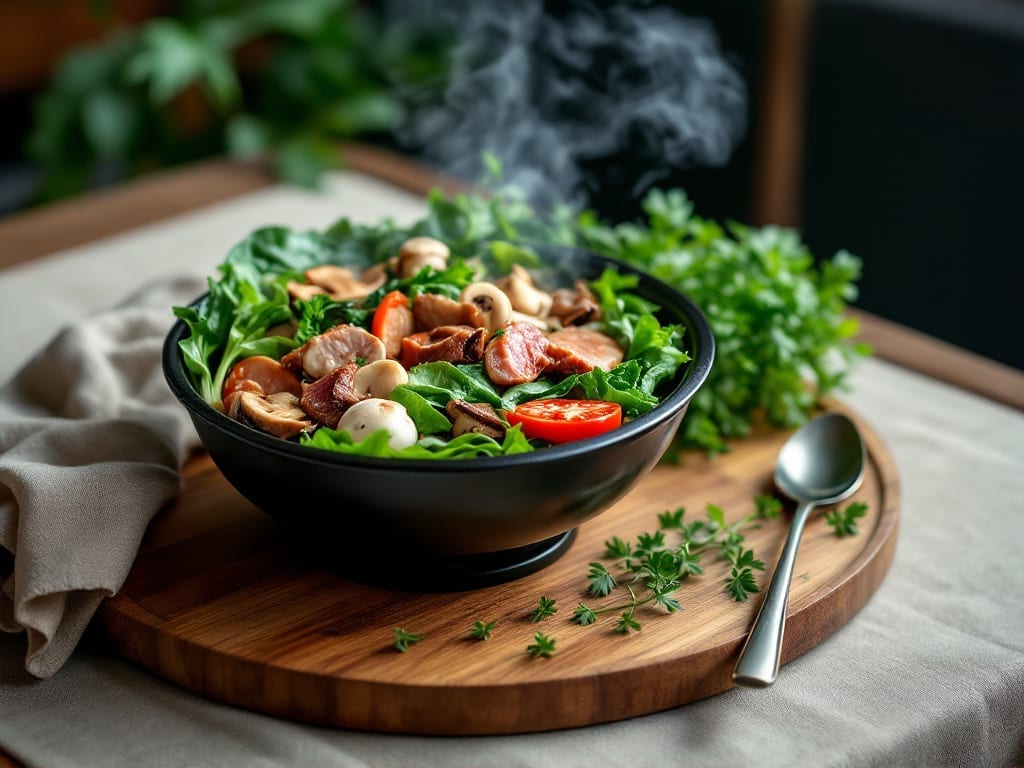
This traditional Chinese hot pot recipe transforms your dining table into a communal feast where every guest becomes the chef. The secret lies in the broth—whether you choose a fragrant clear soup, bold Sichuan spice blend, or tangy tomato base—each simmered to perfection over a small gas burner.
I’ve perfected this method after years of hosting gatherings where the sizzle of fresh ingredients hitting the pot became the centerpiece of the meal.
The beauty of hot pot is its flexibility—marinate thinly sliced meats in soy-ginger or chili-oil mixtures, prep delicate seafood to cook in seconds, and arrange vegetables for quick dipping. The broth’s heat control is critical; too hot, and your proteins overcook before the vegetables are ready.
Too cool, and the flavors won’t develop their depth. This recipe balances both, ensuring every ingredient achieves its ideal texture while maintaining the broth’s rich, aromatic essence.
Once the pot is bubbling, the real magic happens at the table. Guests skewer their own ingredients, dip them into the simmering broth, and enjoy the contrast of temperatures and flavors—tender lamb, crisp mushrooms, silky tofu, all bathed in the same shared pot.
Serve with dipping sauces like chili oil or peanut sauce, and pair with steamed rice or noodles to soak up every last drop of that flavorful broth.
Regional variations add another layer of excitement—Sichuan’s fiery broths, Cantonese’s lighter clear soups, or Shanghai’s tomato-based versions each offer a distinct experience. The key is customization: let your guests choose their own combinations, turning a simple meal into an interactive culinary adventure.
This isn’t just dinner; it’s a shared ritual that brings people together around the pot.
Ingredients for traditional chinese hot pot
Fresh ingredients and aromatic spices create the perfect hot pot experience for a communal feast.
| Ingredient | Amount | Notes |
|---|---|---|
| Chicken Breast 🍗 | 1 ½ lb | Thinly sliced, boneless skinless preferred |
| Beef Chuck Roast 🥩 | 1 ½ lb | Thinly sliced, well-marbled preferred |
| Fresh Ginger Root 🧄 | ½ cup | Julienned, peeled, organic preferred |
| Garlic Cloves 🧄 | 12 cloves | Minced, peeled, fresh preferred |
| Dried Shiitake Mushrooms 🍄 | ¼ lb | Rehydrated, sliced, organic preferred |
| Silken Tofu 🧈 | 1 package | Firm, cubed, non-GMO preferred |
| Green Onions 🧅 | 1 bunch | Cut into 2-inch pieces, white and green parts |
| Napa Cabbage 🥬 | ½ head | Cut into wedges, core removed |
| Star Anise 🌿 | 2 whole | Whole pods, for broth infusion |
| Cinnamon Sticks 🌿 | 2 whole | For aromatic broth base |
| Dried Red Chili Peppers 🌶️ | 4 whole | For Sichuan heat, optional |
| Light Soy Sauce 🍶 | ½ cup | For marinating proteins |
| Sesame Oil 🫒 | 2 tbsp | Toasted, for finishing |
| Vegetable Oil 🫒 | ½ cup | For pot heating, high smoke point |
| Chicken Broth 💧 | 4 cups | Homemade or quality store-bought |
The broth is where the magic happens. For the ginger and garlic, organic is ideal—more complex flavor. Whole Foods or Asian markets carry the best quality. The shiitake mushrooms should be rehydrated in hot water for 20 minutes before adding to the pot. Star anise and cinnamon sticks are essential for that authentic aroma; don’t skip them. For the proteins, thinly sliced beef chuck gives the best texture—ask your butcher to slice it against the grain if possible. The silken tofu should be firm, not soft, for that satisfying bite.
No fresh ginger? Ginger paste works in a pinch, but fresh is non-negotiable for the full flavor. Running short on shiitake? Cremini mushrooms are a decent substitute, but they won’t have the same umami depth. The dried red chilies can be omitted if you prefer a milder broth, but they add that essential Sichuan kick. For the soy sauce marinade, add a splash of Shaoxing wine if you have it—it elevates everything. The green onions should be cut into 2-inch pieces so guests can easily spear them on skewers.
Broth reheats beautifully—simmer uncovered for 10-15 minutes before serving to revive the aromatics. The ginger and garlic can be prepped a day ahead and stored in an airtight container in the fridge. Marinated proteins keep for 2 days in the fridge, while the tofu and vegetables should be prepped within 4 hours of serving. For large gatherings, double the broth recipe—it freezes exceptionally well for up to 3 months. Always keep a small pot of hot water nearby to maintain the broth’s temperature during serving.
Why You’ll Love This Recipe
- No Chopping Chaos: I swear by this recipe because the prep is ridiculously simple—just slice the beef and chicken into bite-sized pieces, and those dried shiitake mushrooms? They soak up flavor while you prep the rest. Even my husband, who burns toast, can handle this.
- Umami Bomb Combo: That beef chuck roast? It melts into tender perfection, while the garlic and ginger sizzle into a fragrant base that makes the broth smell like a restaurant kitchen. And the shiitake mushrooms? They add this deep, earthy richness that turns a simple broth into something dangerously addictive.
- Weeknight or Dinner Party: Between us, this recipe works just as well for a lazy Tuesday as it does for hosting friends. Double the broth, add extra veggies, and suddenly you’ve got a communal meal that feels fancy without the stress. (Yes, even on a Tuesday night.)
- Leftovers That Don’t Suck: Honestly, the best part? The broth gets even better the next day. I always make extra—it’s my secret weapon for quick stir-fries or noodle dishes later in the week. And since beef chuck is budget-friendly, you’re not breaking the bank for leftovers that actually taste good.
Step-by-step instructions for traditional Chinese hot pot
Aromatic broth meets fresh ingredients in this authentic hot pot preparation.
Prepare the Base Broth Ingredients
In a large pot, combine the 4 cups chicken broth, 2 whole star anise, 2 whole cinnamon sticks, and 4 whole dried red chili peppers (if using). Bring to a gentle simmer over medium heat for 15 minutes, allowing the spices to infuse deeply into the liquid. The broth should develop a warm, earthy aroma with subtle heat from the chilies.
While the broth simmers, prepare the 0.5 cup fresh ginger root (julienned) and 12 cloves garlic cloves (minced). Add these to the pot and cook for an additional 5 minutes until fragrant. This step ensures the broth carries the essential flavors that define traditional hot pot. Skim off any foam that rises to the surface during this time for a clearer broth.
Marinate and Sear the Proteins
In a separate bowl, combine the 1.5 lb chicken breast (thinly sliced) and 1.5 lb beef chuck roast (thinly sliced) with 0.5 cup light soy sauce. Let this marinate for 15-20 minutes while the broth continues to simmer. The soy sauce will tenderize the proteins and add depth of flavor.
Heat 0.5 cup vegetable oil in a large skillet over medium-high heat. Working in batches, sear the marinated proteins until they develop a light golden crust—about 2-3 minutes per side. Transfer the seared proteins to a plate and set aside. The high heat creates a flavorful crust that enhances the hot pot experience without overcooking the proteins.
Rehydrate and Prepare Vegetables
Soak the 0.25 lb dried shiitake mushrooms in hot water for 20 minutes until pliable, then slice them. Cut the 0.5 head napa cabbage into wedges and remove the core. Slice the 1 bunch green onions into 2-inch pieces, separating the white and green parts. Cube the 1 package silken tofu into bite-sized pieces.
These fresh ingredients will be added directly to the pot during the hot pot session, allowing diners to customize their experience. The mushrooms will absorb the broth’s flavors, the cabbage will add a crisp texture, and the tofu will soak up the aromatic essence of the broth.
Assemble and Simmer the Broth
Return the pot with the simmering broth to the stove and add the seared proteins. Reduce the heat to low and let everything simmer gently for 20-30 minutes. The proteins should cook through while maintaining their tenderness, and the broth should deepen in flavor. Taste and adjust seasoning with additional light soy sauce if needed.
This simmering step is critical—it allows the flavors to meld together, creating a rich, aromatic broth that’s the heart of the hot pot. The proteins should be cooked but still retain their moisture, ready to be served with the prepared vegetables.
Pro Tips For Making Traditional Chinese Hot Pot
- PREP THE BEEF FIRST: Beef chuck roast needs a head start—slice it into thick 1-inch chunks and marinate in soy sauce, Shaoxing wine, and a pinch of sugar for at least 30 minutes (or overnight if you’re patient). I learned this the hard way: skipping the prep means tough, flavorless bites that’ll have your guests reaching for the dipping sauce instead of the broth.
- REHYDRATE MUSHROOMS RIGHT: Dried shiitake mushrooms soak up broth like sponges—soak them in warm water for 20 minutes, then slice before adding to the pot. If you slice first, they’ll turn to mush and disappear into the broth. (Yes, even if you’re in a hurry—this isn’t the step to skip.)
- CONTROL THE GINGER: Thinly slice the ginger—no, paper-thin—so it infuses the broth without turning it into a chunky surprise. Toss it in whole at the start, then remove it after 10 minutes. Burnt ginger = bitter broth, and nobody wants that fighting for attention with the garlic.
- DON’T BOIL THE CHICKEN: Chicken breast cooks fast and turns rubbery if left in the pot too long. Slice it thin, add it last, and cook for just 2–3 minutes—until it hits 165°F. Overcook it, and you’ll have dry, sad bites that’ll make your beef look like the star. (Pro move: pull it out early and let it rest under foil while you finish the broth.)
Make-ahead tips for traditional chinese hot pot
Broth Prep Ahead
Simmer your broth base up to 2 days in advance and store it in an airtight container in the refrigerator. The flavors actually deepen overnight, making it even more aromatic.
I like to reheat it over low heat for 10 minutes before adding fresh ingredients—this revives the spices without overcooking them. For large gatherings, freeze the broth in quart-sized freezer bags (leave 1-inch headspace for expansion) and thaw it in the fridge overnight. 💧
Marinated Proteins
The soy-ginger marinade for your proteins keeps for 2 days in the fridge, making it perfect for meal prep. I recommend sealing the marinated chicken and beef in separate ziplock bags to prevent cross-contamination.
For extra flavor, add 1 tbsp Shaoxing wine to the marinade—it enhances the umami profile significantly. Sear the proteins just before serving to maintain their texture and prevent drying out. 🍗
Vegetable Prep Timeline
Prep your vegetables in stages to maintain freshness. The napa cabbage and green onions can be chopped and stored in airtight containers for 2 days, while the shiitake mushrooms should be rehydrated and sliced the same day you plan to serve.
Cube the silken tofu and store it in its original packaging with a paper towel to absorb excess moisture—this keeps it fresh for 3 days in the fridge. 🥬
Broth Temperature Control
Use a candy thermometer to maintain your broth at 185-195°F during serving—this range keeps proteins tender while allowing vegetables to cook quickly. I place the pot on a low heat setting and add a small saucepan of hot water nearby to keep the broth warm without overcooking.
For electric burners, use the simmer setting to avoid temperature spikes. 🌡️
Dipping Sauce Prep
Make your dipping sauces (like chili oil or peanut sauce) up to 3 days ahead and store them in small jars. The flavors meld beautifully over time, and having them ready simplifies the serving process. I keep these sauces in mini mason jars on the table for easy access.
For a quick chili oil, mix ½ cup neutral oil with 2 tbsp chili flakes and let it infuse for 1 hour before serving. 🍶
Last-Minute Additions
Fresh ingredients like bok choy, water chestnuts, or fresh herbs should be added just before serving to preserve their texture and vibrant colors. I keep these on a separate platter at room temperature and let guests add them to their skewers as desired.
This final step ensures your hot pot remains colorful and fresh throughout the meal. ✨
Nutrition facts
Frequently asked questions
What’s the best way to keep the broth hot during a long hot pot session?
Use a small saucepan of hot water on the same burner to maintain consistent heat. Keep the broth temperature between 185-195°F—this range prevents overcooking proteins while keeping vegetables tender. For electric burners, the simmer setting works best to avoid temperature spikes.
Can I make this hot pot recipe vegetarian or vegan?
Replace the chicken and beef with mushrooms, tofu, and seasonal vegetables like bok choy or daikon. Use vegetable broth instead of chicken broth and add extra umami with soy sauce, mushrooms, and fermented black beans. The same cooking method applies—just adjust ingredient combinations.
How do I prevent the broth from getting too cloudy?
Skimming foam during the initial 15-minute simmer helps clarify the broth. For an extra-clear result, strain it through a fine-mesh sieve before serving. Avoid boiling vigorously—simmer gently to prevent excess foam formation. The spices (star anise, cinnamon) naturally add depth without cloudiness.
What’s the difference between Sichuan and Cantonese hot pot broths?
Sichuan broths use dried chilies, Sichuan peppercorns, and fermented black beans for bold heat and numbing spice. Cantonese versions are lighter, with ginger, garlic, and goji berries for subtle sweetness. The Cantonese style relies more on fresh ingredients’ natural flavors, while Sichuan embraces intense spice.
Can I use frozen vegetables in hot pot?
Fresh is ideal, but frozen works in a pinch—just thaw and drain excess water first. Frozen veggies lose texture when reheated, so add them last to the pot. For best results, use frozen corn, peas, or green beans—they hold up better than leafy vegetables.

- Crock Pot Round Steak Recipe: Slow-Sear Crust With Juicy Center - November 6, 2026
- Candied Sweet Potatoes Crock Pot Recipe: Caramelized Sweetness With Zero Effort - November 6, 2026
- Steak Recipe Crock Pot: Juicy, Caramelized Crust in 4 Hours - November 6, 2026