
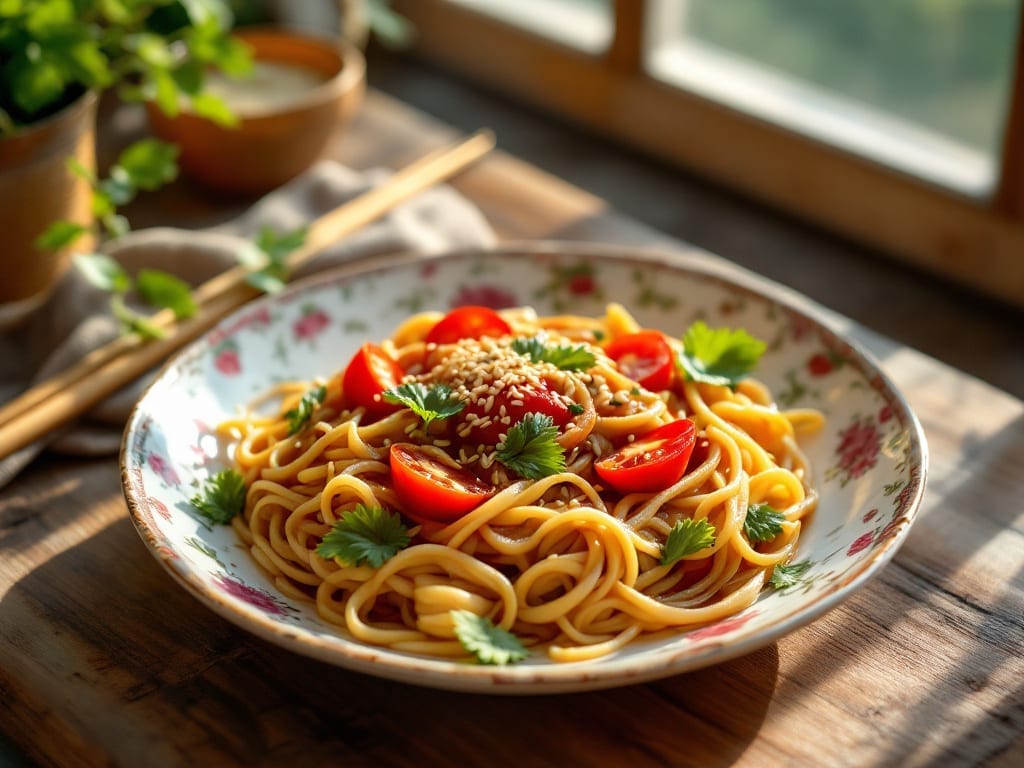
This vegan hot pot recipe transforms a traditional communal dining experience into a plant-based masterpiece, where rich umami broth meets silky tofu and fresh vegetables in a sizzling, interactive meal.
The secret lies in layering fermented ingredients like shiitake mushrooms and kombu to create depth without animal products, while the tofu—marinated in a savory-sweet blend—absorbs the broth beautifully.
What makes this dish special is the customizable nature of hot pot: guests can choose their own ingredients, dipping sauces, and toppings, turning every meal into a personal experience.
The broth forms the heart of this recipe, simmering for hours to develop a complex, aromatic base that’s both comforting and restaurant-quality. We’ll use king oyster mushrooms and smoked paprika to mimic the depth of traditional hot pot broths, while a touch of miso paste adds that signature umami punch.
The tofu bites, pre-cooked and marinated, become the star protein—firm enough to hold their shape but tender enough to melt in your mouth when dipped in the savory broth.
What you’ll achieve is a hot pot experience that’s just as satisfying as the original, with silky tofu absorbing the rich flavors, crisp vegetables adding texture, and a broth so flavorful it becomes the star.
The interactive nature of hot pot makes it perfect for gatherings, while the vegan adaptations prove plant-based dining can be just as hearty and flavorful. Let’s create a meal that brings people together around the table.
This recipe includes everything you need to recreate the experience: from the umami-packed broth to the silky tofu bites, fresh vegetables, and traditional toppings like chili oil and sesame seeds. The process is designed to be adaptable—swap in your favorite vegetables or experiment with different marinades for the tofu.
Whether you’re hosting a dinner party or simply craving a comforting meal, this vegan hot pot delivers on both flavor and tradition.
Ingredients for vegan hot pot
Sixteen ingredients create this vegan hot pot masterpiece—umami-rich broth, silky tofu, and vibrant vegetables all in one sizzling bowl.
| Ingredient | Amount | Notes |
|---|---|---|
| Extra-Firm Tofu 🍲 | 2 lb | Pressed for extra firmness |
| King Oyster Mushrooms 🍄 | 1 lb | Sliced into thick rounds |
| Shiitake Mushrooms 🍄 | 8 whole | Fresh or dried, stems removed |
| Dried Kombu 🍃 | 1 piece | 1-inch square, rinsed |
| White Miso Paste 🥄 | ⅓ cup | High-quality, organic preferred |
| Smoked Paprika 🌶️ | 2 tbsp | For depth and smokiness |
| Fresh Ginger 🧅 | ½ cup | Grated, organic preferred |
| Garlic Cloves 🧄 | 8 cloves | Minced, fresh preferred |
| Sesame Oil 🫒 | 2 tbsp | Toasted, for aroma |
| Napa Cabbage 🥬 | 1 lb | Thinly sliced, core removed |
| Baby Bok Choy 🥬 | 1 lb | Whole heads, rinsed |
| Carrots 🥕 | 1 lb | Julienned, organic preferred |
| Green Onions 🧅 | 1 bunch | Thinly sliced, white parts only |
| Sesame Seeds 🌾 | ¼ cup | Toasted, for garnish |
| Chili Oil 🌶️ | ¼ cup | Homemade or store-bought |
| Soy Sauce 🥄 | ½ cup | Tamari for gluten-free option |
| Rice Vinegar 🍶 | ¼ cup | For tofu marinade |
| Maple Syrup 🍁 | 2 tbsp | For tofu marinade sweetness |
The king oyster mushrooms and kombu are non-negotiable for that signature hot pot depth. King oysters add meaty texture, while dried kombu from Asian markets or bulk bins delivers oceanic richness. For shiitake mushrooms, fresh is ideal but dried shiitake rehydrated in hot broth works beautifully. The miso paste? White miso from Marukome is my go-to—it’s sweeter and more approachable than red. Smoked paprika adds that smoky campfire flavor without overpowering, and Penzeys or Goya carry the best quality. Fresh ginger and garlic? Always buy organic—no need for the extra wash if you’re peeling them anyway.
No king oyster mushrooms? Hearts of palm or thick portobello slices mimic that chewy texture. Swap white miso for red if you prefer deeper umami, but reduce to 2 tbsp—it’s more intense. The tofu marinade can use coconut aminos instead of soy sauce for gluten-free. For the vegetables, baby spinach or watercress work alongside bok choy, while daikon radish adds a nice crunch. Chili oil can be homemade (just chili flakes + neutral oil) or store-bought—La Choy or Lee Kum Kee are solid choices. The sesame oil is for aroma only—use sparingly or skip if you’re sensitive to its flavor.
The tofu marinade keeps for 3 days in the fridge, while the broth freezes beautifully for up to 3 months. Store vegetables in airtight containers with paper towels to absorb moisture—Napa cabbage and bok choy stay crisp for 5 days. The chili oil and sesame seeds can be toasted fresh before serving—just 30 seconds in a dry pan makes all the difference. For leftovers, reheat the broth gently and add fresh veggies and tofu to the pot—never reheat tofu directly as it turns rubbery. Portion the broth into containers with a layer of oil on top to preserve freshness.
Why You’ll Love This Recipe
- No-Chop Needed: I swear by this—just slice the tofu into thick slabs, toss the mushrooms in whole, and let the kombu and miso do the magic. Minimal prep, maximum flavor without the mess.
- Umami Bomb: That white miso paste? It’s the secret weapon here. The kombu adds this deep, oceanic richness, while the shiitakes bring earthy warmth—every bite tastes like a hug from a Japanese grandmother.
- Weeknight to Party: Same ingredients, endless uses. Simmer a big batch for lazy nights, then double it for guests. The tofu and mushrooms soak up flavors like sponges, so it’s always a crowd-pleaser.
- Budget Flex: Tofu and dried kombu stretch this dish further than you’d think. I’ve made it last four days in the fridge, and the taste only gets better as the flavors meld. Frugal? Absolutely. Delicious? Even more so.
Step-by-step instructions for vegan hot pot
Here’s how to build a rich, umami-forward broth and prepare silky tofu bites that transform into delicate hot pot favorites.
Prepare the Umami Broth Base
In a large stockpot, combine 8 cups water with the 1 piece dried kombu and bring to a gentle simmer over medium heat. Let it steep for 15 minutes—this draws out the deep oceanic flavors that will anchor your broth. Remove and discard the kombu after steeping.
While the kombu steeps, whisk together 0.33 cup white miso paste, 0.5 cup soy sauce, 0.25 cup rice vinegar, and 2 tbsp maple syrup in a small bowl. This marinade will infuse the tofu with complex sweet-savory depth. Add this mixture to the simmering water along with 0.5 cup grated fresh ginger and 8 minced garlic cloves. Stir gently and let the broth simmer uncovered for 15 minutes to meld the flavors. You’ll notice the aroma become more concentrated and aromatic—this is your signal the base is ready for the next layer of ingredients.
Press and Marinate the Tofu
Wrap the 2 lb extra-firm tofu in a clean kitchen towel and place it on a plate. Top with another towel and place a heavy object like a cast-iron skillet on top for 30 minutes. This pressing step removes excess water, ensuring your tofu bites will absorb the marinade and cook evenly. After pressing, cut the tofu into 1-inch cubes—they should feel firm but still yield slightly when pressed with your finger.
In a separate bowl, combine 2 tbsp smoked paprika, 2 tbsp toasted sesame oil, and 1 tbsp soy sauce. Toss the tofu cubes in this mixture until evenly coated. Let them marinate for 10 minutes while you prepare the remaining ingredients. This step creates the signature smoky crust that transforms simple tofu into restaurant-quality hot pot bites.
Cook the Vegetable Medley
While the broth simmers, prepare your vegetables for quick cooking. Thinly slice the 1 lb napa cabbage into ¼-inch strips, julienne the 1 lb carrots into 2-inch matchsticks, and separate the 1 lb baby bok choy into individual leaves. Keep these in separate piles—they’ll cook at different rates in the hot pot.
When ready to serve, add the 1 lb king oyster mushrooms (sliced into thick rounds) and 8 shiitake mushrooms (stems removed) to the simmering broth. Let them cook for 5 minutes until they begin to soften but still retain their structure. This pre-cooking step ensures all ingredients are heated through when assembled at the table. Keep the broth at a gentle simmer—185-195°F—so it’s ready to receive your tofu and vegetables when guests arrive.
Assemble the Hot Pot
Arrange the prepared vegetables in a large serving bowl or hot pot base. Place the marinated tofu cubes in a separate small bowl with 0.25 cup sesame seeds and 0.25 cup chili oil mixed together. This combination adds crunch and heat that complements the silky tofu perfectly.
When ready to serve, ladle 2 cups of the hot broth over the vegetables in the serving bowl. The vegetables will begin to wilt slightly—this is perfect as they’ll continue cooking from the residual heat. Have guests add their tofu bites directly to the broth as they eat, allowing the tofu to cook for 2-3 minutes in the hot liquid. The tofu should transform from firm to silky, absorbing the rich umami broth while maintaining its structure.
Garnish and Serve with Fresh Elements
Just before serving, slice the 1 bunch green onions into ½-inch pieces and scatter them over the hot pot. The fresh, bright flavor cuts through the richness of the broth. Keep the remaining broth warm in a separate pot for continuous ladling throughout the meal.
Serve with traditional hot pot dipping sauces on the side—this recipe pairs beautifully with a simple mixture of 0.25 cup rice vinegar, 1 tbsp soy sauce, and 1 tsp grated fresh ginger. The combination of textures and flavors in each bite—silky tofu, tender vegetables, and aromatic broth—creates an unforgettable dining experience that’s completely plant-based yet deeply satisfying.
Pro Tips For Making Vegan Hot Pot
- Press Tofu Hard: Wrap the extra-firm tofu in a clean kitchen towel, place a heavy pan on top, and let it sit for 10 minutes before slicing. I learned this the hard way—skipping it leaves your tofu spongy, soaking up broth like a dry sponge instead of holding its shape.
- Slice Mushrooms Thin: King oyster mushrooms should be cut into ¼-inch slices—thick pieces stay tough, and no one wants chewy mushrooms in hot pot. Shiitakes? Tear the stems (they’re meatier) and slice the caps into thirds for even cooking.
- Bloom Miso First: Whisk the white miso paste into a paste with 2 tablespoons of hot broth before adding it to the pot. Dumping it dry clumps it up, and you’ll end up with a grainy, uneven flavor—no one wants to fish out miso bits.
- Simmer Kombu Low: Add dried kombu last, and keep the broth at a gentle simmer—boiling turns it bitter. Let it steep for 10 minutes, then remove it before serving. Sounds weird, but it works: the umami deepens without the off-flavor.
Pro cooking tips for this dish
Broth Simmering Secrets
The key to a restaurant-quality vegan hot pot broth is patience and temperature control. Simmer your broth at a gentle 185-195°F—any hotter and you’ll risk burning the delicate miso and kombu flavors.
I use a Thermoworks Sous Vide Precision Cooker set to 190°F for consistent results, but a simple candy thermometer works too. The kombu should steep for exactly 15 minutes—no longer, or it can turn bitter.
After removing it, let the broth reduce slightly uncovered to concentrate those umami flavors. 🌡️
Tofu Pressing Hacks
Pressing tofu properly makes all the difference between rubbery bites and silky perfection. I swear by the tofu press method with a heavy cast-iron skillet for 30 minutes, but no press? No problem. Place your wrapped tofu between two wooden cutting boards and stack heavy books on top.
For extra firmness, add a second towel layer and press for 10 minutes longer. After pressing, pat the cubes dry with paper towels—this helps the marinade cling better and prevents them from falling apart in the broth.
Vegetable Prep Timing
Hot pot vegetables cook at different rates, so prep them separately and keep them organized. Napa cabbage and carrots need 3-4 minutes in the broth, while bok choy cooks in just 1-2 minutes.
I use three separate bowls labeled with masking tape: one for hard veggies (carrots, mushrooms), one for medium veggies (cabbage), and one for quick-cooking greens (bok choy).
When serving, have guests add their vegetables to the broth in the right order—start with the hardest, then medium, and finish with the quickest. This ensures everything’s perfectly tender. ✨
Marinade Magic
The tofu marinade transforms bland tofu into flavor bombs. I double the smoked paprika to 2 tbsp for that campfire depth, but add ½ tsp liquid smoke if you want extra smokiness. Let the tofu marinate for exactly 10 minutes—any longer and the outer layer can get too firm.
For color, add ½ tsp turmeric to the marinade (it’s vegan-friendly and gives that golden hue). The sesame oil should be toasted—heat 2 tbsp in a dry pan for 30 seconds until fragrant, then cool before mixing. This aroma boost makes all the difference.
Broth Thickening Trick
If your broth looks too thin after simmering, don’t add flour or cornstarch—it’ll cloud the broth. Instead, whisk 1 tbsp arrowroot powder with 2 tbsp cold water and stir it into the broth at the end. Simmer for 2 minutes until slightly thickened.
For extra richness, add 1 tbsp nutritional yeast when serving—it adds a cheesy, umami depth without dairy. The broth should coat the back of a spoon but still be pourable. 💡
Serving Temperature Tips
Hot pot broth should be served at 185-195°F—hot enough to cook the tofu and vegetables quickly but not scalding. If your broth cools too much, reheat it gently over low heat or in a double boiler. Never microwave it directly, as this can break down the delicate flavors.
For a restaurant-style experience, keep the broth in a chafing dish or slow cooker on warm setting. The residual heat in the broth will continue cooking the vegetables after they’re added, so aim for a 1-minute head start on cooking time when serving.
Nutrition facts
Frequently asked questions
Can I make this vegan hot pot recipe without a traditional hot pot pot?
While a hot pot pot creates the classic experience, you can easily adapt this recipe. Use a large stockpot for the broth and serve the vegetables and tofu in individual bowls. Keep the broth warm in a separate pot and let guests add their ingredients directly to their bowls. For a more interactive experience, use a chafing dish or slow cooker to maintain the broth’s temperature.
What can I substitute for king oyster mushrooms in the broth?
King oyster mushrooms add a meaty texture, but you can substitute with hearts of palm or thick portobello slices. For extra umami, add 1 tbsp soy sauce or 1 tsp mushroom powder to the broth. If using dried shiitake, soak them in hot water for 20 minutes before adding to the broth for maximum flavor.
How do I prevent the tofu from becoming rubbery in the broth?
Proper pressing and marinating are key! Press the tofu for at least 30 minutes before cubing, and pat the cubes dry before marinating. Use a mix of smoked paprika and sesame oil in the marinade to add flavor without overpowering. Cook the tofu in the broth for only 2-3 minutes—it should be silky, not firm.
Can I make the broth ahead of time and reheat it?
Yes, the broth freezes beautifully for up to 3 months! Store it in an airtight container, leaving some space for expansion. To reheat, thaw it in the fridge overnight, then warm it gently on the stove. Avoid microwaving, as it can break down the delicate flavors. For the best texture, reheat to 185-195°F and add fresh vegetables and tofu when ready to serve.
What are some easy dipping sauce variations for this vegan hot pot?
Here are three simple options:
- Classic Soy-Ginger: Mix 0.25 cup soy sauce, 1 tbsp rice vinegar, 1 tsp grated ginger, and 1 tsp maple syrup.
- Spicy Chili Oil: Combine 0.25 cup chili oil, 1 tbsp soy sauce, and 1 tsp sesame seeds.
- Creamy Tahini: Blend 0.25 cup tahini, 2 tbsp lemon juice, 1 tbsp water, and 1 tsp garlic powder.

- Crock Pot Round Steak Recipe: Slow-Sear Crust With Juicy Center - November 6, 2026
- Candied Sweet Potatoes Crock Pot Recipe: Caramelized Sweetness With Zero Effort - November 6, 2026
- Steak Recipe Crock Pot: Juicy, Caramelized Crust in 4 Hours - November 6, 2026