
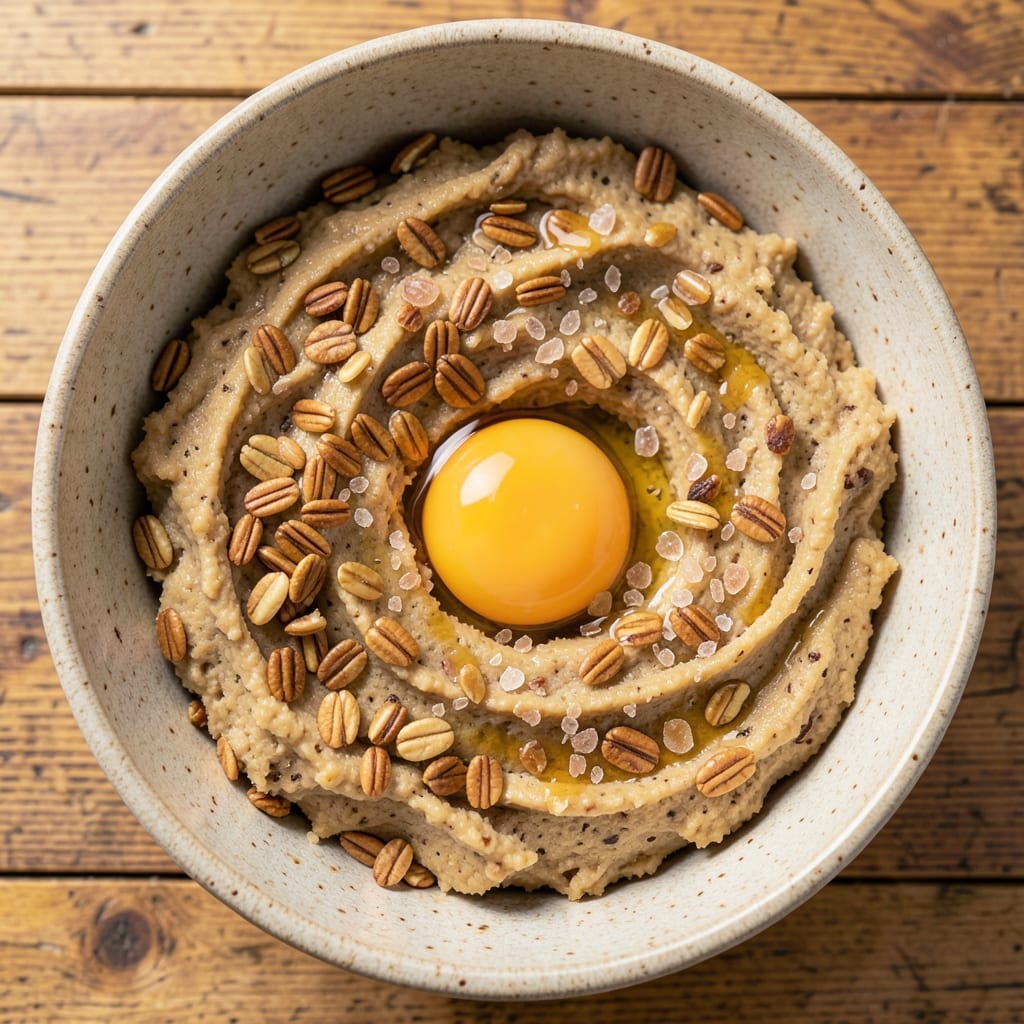
This 1-cup oatmeal cookie recipe delivers chewy, butterscotch-swirled perfection in just 15 minutes—no waiting for dough to chill, no overmixing, just foolproof technique that yields crispy edges and tender centers every time.
The secret lies in a precise balance of brown sugar for caramel depth, melted butter that creates that signature cookie texture, and a quick butterscotch swirl that adds rich, nutty sweetness without overpowering the oats.
I developed this recipe after burning through three batches of overly dry oatmeal cookies, and now it’s my go-to for when I need something comforting yet impressive.
The beauty of this recipe is its simplicity: 1 cup of oats forms the hearty base, while a touch of cinnamon and vanilla extract enhances the warm, cozy flavors. The butterscotch swirl—made from brown sugar, butter, and a splash of vanilla—adds a luxurious twist without complicating the process.
Unlike traditional oatmeal cookies that can turn out dense or crumbly, this method ensures a chewy, satisfying bite with just the right amount of crunch from the oats.
By the time these cookies emerge from the oven, you’ll have golden-brown, swirled masterpieces with a caramelized aroma that fills your kitchen. The butterscotch swirls peek through the edges, promising bursts of sweetness in every bite, while the oats add a satisfying texture that keeps them from being too soft.
These cookies stay fresh for days, making them perfect for meal prep or sharing with neighbors—though I can’t promise they’ll last that long in your house.
For extra indulgence, fold in chocolate chips or chopped nuts before baking, or dust with powdered sugar for a festive touch. The recipe scales easily if you want to double the batch, and the 15-minute prep makes it ideal for weeknight cravings or last-minute dessert solutions. Let’s get baking!
Ingredients for 1 cup oatmeal cookie
Pantry staples plus a few key ingredients make these chewy butterscotch oatmeal cookies irresistible.
| Ingredient | Amount | Notes |
|---|---|---|
| Old-Fashioned Rolled Oats 🌾 | 1 cup | Quick or old-fashioned, toasted for nutty flavor |
| Unsalted Butter 🧈 | ½ cup | Cold, cubed for even melting |
| Light Brown Sugar 🍯 | ½ cup | Packed, for caramel depth |
| Granulated Sugar 🍚 | ¼ cup | For crispy edges |
| Large Egg 🥚 | 1 whole | Room temperature for even mixing |
| Pure Vanilla Extract 🌿 | 1 tsp | Imitation-free for authentic flavor |
| Ground Cinnamon 🌶️ | 1 tsp | Warm, aromatic |
| Kosher Salt 🧂 | ½ tsp | Fine grain for balanced flavor |
| All-Purpose Flour 🌾 | ¼ cup | Sifted for light texture |
| Light Brown Sugar (for swirl) 🍯 | ¼ cup | Packed, for butterscotch richness |
| Unsalted Butter (for swirl) 🧈 | ¼ cup | Melted, cooled slightly |
| Pure Vanilla Extract (for swirl) 🌿 | ½ tsp | Enhances butterscotch notes |
| Optional Chocolate Chips 🍫 | ½ cup | Semi-sweet or milk chocolate |
| Optional Chopped Walnuts 🥜 | ¼ cup | Toasted for extra crunch |
The oats are the star here, so grab the old-fashioned kind—they hold up better to baking and add that satisfying chew. Bob’s Red Mill or Quaker Steel Cut are my go-tos, but any rolled oats work. Toast them in a dry pan for 3-5 minutes until golden and nutty—this step is non-negotiable for flavor. The butter needs to be cold when you start, so take it out of the fridge right before measuring. Plugrá or Land O’Lakes unsalted melt beautifully without overpowering the other flavors. For the brown sugar, pack it tightly into the measuring cup—this ensures the right caramel depth that makes these cookies sing.
No vanilla extract? Vanilla bean paste works perfectly, or a splash of bourbon for depth. Running short on flour? Oat flour works at 1:1 ratio, though texture will be slightly denser. The butterscotch swirl can be made ahead—just mix the brown sugar, melted butter, and vanilla in a small bowl and refrigerate until ready to use. For extra indulgence, fold in chocolate chips or chopped nuts before baking, but keep the total additions to no more than half a cup so the oats stay the star. If you’re feeling fancy, swap the walnuts for pecans or hazelnuts—just toast them first for maximum flavor.
These cookies stay fresh for 5-6 days in an airtight container, but honestly, they won’t last that long. For longer storage, freeze the dough balls in a single layer before baking—pop them in the oven straight from the freezer for 10-12 minutes extra. The butterscotch swirl keeps beautifully, so you can make the dough ahead and swirl just before baking. Dust with powdered sugar right after baking for a festive touch, or serve as-is for a rustic vibe. Double the batch if you can—trust me, you’ll want seconds.
Why You’ll Love This Recipe
- No Mixer Needed: I swear by this dough—just smash the oats roughly in a bowl with my fingers, then fold in the softened butter and sugars. No food processor, no fuss, and somehow it still holds together like magic. (Yes, even my toddler can “help” without making a mess.)
- Chewy-Crisp Magic: That buttery oat texture? It’s the star. The rolled oats add a satisfying bite, while the brown sugar keeps them soft inside—like a hug in cookie form. Honestly, I’ll take these over store-bought any day.
- Bulk-Friendly Batches: Make a double batch, freeze half, and thank me later. These cookies reheat perfectly (30 seconds in the microwave) for after-school snacks or impromptu coffee dates. My freezer’s always stocked with them.
- Pantry Staple Power: Five ingredients, zero specialty items. You’re probably already reaching for the oats and butter—no last-minute grocery runs. Between us, this is my go-to when I’ve got nothing but basics left.
Step-by-step instructions for chewy butterscotch swirl cookies
Here’s how to transform simple pantry staples into irresistible cookies with a perfect chewy texture and rich butterscotch swirl.
Toast the Oats for Maximum Flavor
Preheat your oven to 350°F. Spread the 1 cup old-fashioned rolled oats evenly on a rimmed baking sheet. Toast for 8-10 minutes, stirring halfway, until they’re golden brown and smell deeply nutty. Let them cool completely before using—this enhances their flavor and prevents the dough from getting gummy.
Here’s the thing—skipping this step means missing out on that toasty, caramelized depth. The oats should be cool enough to handle when you mix them later, but still warm enough to release their aroma when you add them to the dough. If you’re short on time, you can toast them in a dry skillet over medium heat for 3-4 minutes, stirring constantly.
Cream Butter and Sugars Until Light and Fluffy
In a stand mixer fitted with the paddle attachment, beat the ½ cup cold unsalted butter (cut into cubes), ½ cup packed light brown sugar, and ¼ cup granulated sugar on medium speed for 3-4 minutes. You’ll know it’s ready when the mixture is pale, thick, and nearly doubled in volume—this incorporates air that creates those signature chewy pockets.
I always use cold butter for this step because it creates tiny air pockets that dissolve when the dough hits the oven, leaving behind those perfect chewy pockets. If your mixture isn’t light enough after 4 minutes, keep going—it should look almost fluffy, like whipped buttercream. This is where the magic happens for that signature texture.
Mix in Wet Ingredients and Prepare the Swirl Dough
Add the 1 whole large egg, 1 teaspoon pure vanilla extract, 1 teaspoon ground cinnamon, and ½ teaspoon kosher salt to the creamed mixture. Mix on low speed until just combined. In a separate small bowl, combine ¼ cup packed light brown sugar (for swirl), ¼ cup melted and slightly cooled unsalted butter (for swirl), and ½ teaspoon pure vanilla extract (for swirl)—this will be your butterscotch swirl.
Don’t overmix the main dough here—just until everything is incorporated. The swirl mixture should be thick but pourable, like a very stiff syrup. If it’s too thick, warm it gently for 10 seconds in the microwave to loosen it. The contrast between the chewy cookie and the rich butterscotch swirl is what makes these cookies extraordinary.
Combine Dry Ingredients and Fold in Mix-ins
In a separate bowl, whisk together the ¼ cup all-purpose flour with the toasted oats. Gradually add this mixture to the wet ingredients, mixing on low speed until just combined. Fold in the ½ cup optional chocolate chips and ¼ cup optional chopped walnuts (if using) with a silicone spatula—just until evenly distributed. Don’t overmix or the cookies will be tough.
Here’s where it gets fun—drop spoonfuls of dough onto the prepared baking sheet, leaving 2 inches between each cookie. For the swirl, drop a small spoonful of the butterscotch mixture onto each mound of dough, then gently swirl it in with the tip of a butter knife. The swirl should be visible but not overwhelming—think elegant ribbons rather than globs.
Bake to Golden Perfection
Bake the cookies on the middle rack for 12-14 minutes, rotating the pan halfway through, until the edges are deep golden brown and the centers look slightly underdone. They’ll continue cooking on the hot pan after you remove them from the oven. Let them cool on the baking sheet for 5 minutes before transferring to a wire rack to cool completely.
The key here is timing—you want the edges set but the centers still soft. If you bake them too long, they’ll lose that chewy texture we worked so hard to achieve. The butterscotch swirl should be gooey in the center, creating that perfect contrast with the crispy edges. For best results, serve warm with a glass of cold milk or iced coffee.
Pro Tips For Making 1 Cup Oatmeal Cookie
- Pulse Oats Twice: Dump the oats in your food processor and pulse twice—once for 2 seconds, then again for 3—until they’re roughly the size of breadcrumbs. I used to just chop them by hand, but this keeps the texture consistent and chewy. (Yes, even if you’re impatient like me.)
- Cream Butter Cold: Take the unsalted butter straight from the fridge and beat it with the sugars until it’s light but still holds peaks. Warm butter = greasy cookies. I learned this the hard way when my first batch turned out like hockey pucks.
- Underbake Slightly: Pull the cookies when the edges are golden but the centers still look soft—about 30 seconds before the recipe’s suggested time. They’ll firm up as they cool, and overbaking turns them into dry, sad crackers. (Your future self will thank you.)
- Mix Wet First: Whisk the egg, brown sugar, and granulated sugar together before adding the dry ingredients. This ensures the sugars dissolve fully and the egg binds everything properly. Skipping this step? You’ll end up with lumpy dough that spreads like a pancake.
Pro cooking tips for 1 cup oatmeal cookie
Butter Temperature Matters
The secret to those perfect chewy pockets starts with cold butter—never softened or melted. I cube mine from the fridge and let it sit out for just 5 minutes before creaming. This creates tiny air pockets that dissolve in the oven, leaving behind that signature texture.
If your butter is too warm, you’ll end up with flat, dense cookies instead of the chewy, tender ones we want. 🧈
Toast Oats Properly
Skipping the toasting step is a rookie mistake—it’s what gives these cookies their nutty depth. Spread your 1 cup of oats on a baking sheet and toast at 350°F for 8-10 minutes, stirring halfway. They should smell deeply caramelized and look golden brown.
If they’re still pale, toast another 2 minutes. Cool completely before mixing—warm oats make the dough gummy. Pro tip: Use a light-colored baking sheet to avoid burning.
Swirl Technique for Elegance
The butterscotch swirl is what makes these cookies special, but execution matters. Drop a small spoonful of the swirl mixture onto each dough mound, then use the tip of a butter knife to gently swirl it in.
Aim for 3-4 elegant ribbons per cookie—not too thick, or the swirl will dominate. If the mixture is too thick, warm it for 10 seconds in the microwave to loosen it. The contrast between the chewy cookie and gooey swirl is pure magic. ✨
Avoid Overmixing
Overmixing is the enemy of tender cookies. Once you’ve combined all ingredients, stop mixing as soon as the dough comes together. Use a silicone spatula to fold in chocolate chips or nuts—just until evenly distributed.
If the dough feels sticky, chill it for 15-20 minutes before scooping. This prevents spreading and keeps the texture perfect. Trust me, your cookies will thank you.
Bake Time Precision
Bake these cookies for 12-14 minutes at 350°F, rotating the pan halfway through. The edges should be deep golden brown, but the centers should still look slightly underdone—they’ll firm up as they cool.
If you bake them too long, they’ll dry out. Let them rest on the baking sheet for 5 minutes before transferring to a rack. This ensures even cooling and prevents cracking. 🍪
Mix-Ins Matter
If you add chocolate chips or nuts, keep it to ½ cup total—any more and the oats lose their star status. For extra flavor, toast your nuts in a dry pan for 3-4 minutes until fragrant. Fold them in last to avoid breaking them.
And here’s a pro move: Use semi-sweet chocolate chips for depth, or swap in white chocolate for a sweeter twist. Just don’t skip the butterscotch swirl—that’s non-negotiable for the full experience.
Nutrition facts
Frequently asked questions
Can I substitute quick oats for old-fashioned in this recipe?
You can use quick oats, but the texture will be slightly different. Quick oats absorb more moisture and may make the cookies denser. For best results, stick with old-fashioned rolled oats—they hold their shape better and add that satisfying chew. If you must use quick oats, reduce the total by 1-2 tablespoons to compensate for their higher moisture content.
How do I prevent my oatmeal cookies from spreading too much?
Chill the dough for 15-20 minutes before baking to firm it up. Use a cookie scoop to portion dough balls and place them 2 inches apart on the baking sheet. For extra insurance, flatten each dough ball slightly with your palm before baking. The 350°F oven temperature and proper butter temperature also help control spreading.
Can I make this recipe gluten-free?
Yes, but with adjustments. Replace the ¼ cup all-purpose flour with a 1:1 gluten-free baking flour blend (like Bob’s Red Mill). You may need to add ½ teaspoon xanthan gum if your blend doesn’t contain it. Keep in mind the texture will be slightly different—gluten-free cookies tend to be more crumbly. Test with half the batch first.
What’s the best way to store these cookies?
Store in an airtight container at room temperature for up to 5-6 days. The butterscotch swirl stays fresh this way, though the cookies will soften slightly. For longer storage, freeze the dough balls (before baking) in a single layer for 1-2 hours, then transfer to a freezer bag. Bake straight from frozen, adding 2-3 extra minutes to the baking time.
Why did my butterscotch swirl turn hard instead of gooey?
This usually happens when the swirl mixture cools too much before baking. Keep the swirl ingredients at room temperature and bake immediately after shaping. If the mixture thickens while working, warm it for 10 seconds in the microwave to restore pourability. The swirl should be thick but still spreadable—like stiff syrup—not solid.
