
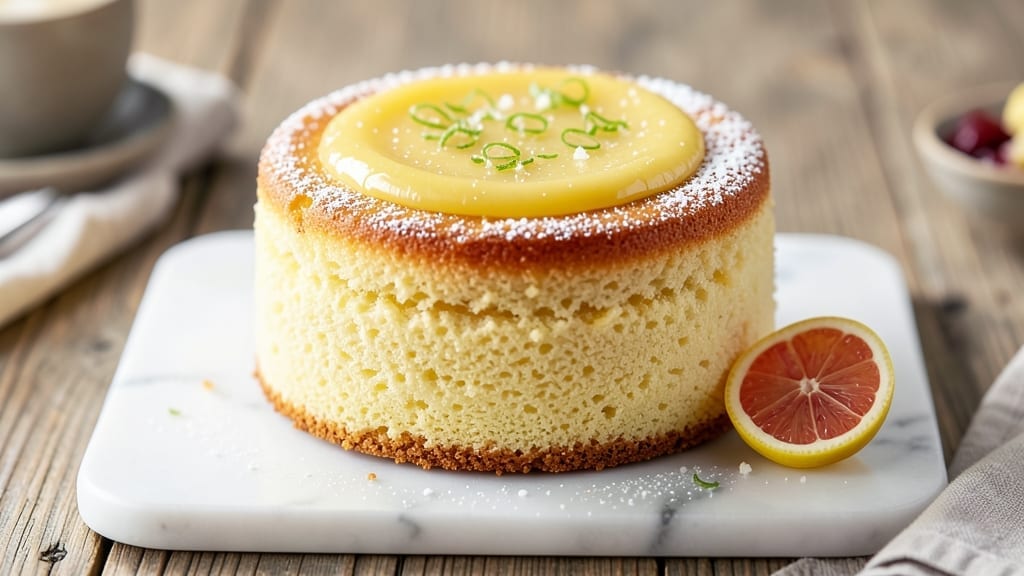
This 1-layer lemon cake recipe delivers the perfect balance of buttery richness and bright citrus zing in every bite—no frosting required. After years of perfecting the classic, I’ve cracked the code for a tender crumb, moist texture, and that signature lemony aroma that fills your kitchen.
The secret lies in proper butter creaming and freshly zested lemon, which infuses every layer with authentic flavor.
What makes this recipe stand out is its simplicity: just 10 ingredients and 35 minutes in the oven at 350°F (175°C). The cake rises beautifully with a golden top and tender crumb, while the lemon zest and juice create layers of zesty brightness that cut through the buttery richness.
This is the kind of dessert that tastes homemade but requires no advanced techniques—just precise measurements and patience.
By the time it emerges from the oven, you’ll have a cake that’s perfectly moist yet sturdy enough to slice cleanly. The aroma alone will have everyone gathering around the kitchen, and the first bite delivers that perfect harmony of sweet, tangy, and buttery.
Serve it warm with a dusting of powdered sugar or a drizzle of simple lemon glaze for an elegant finish.
This recipe scales beautifully for gatherings or keeps perfectly for days in an airtight container. The beauty of a 1-layer cake is its versatility—enjoy it as-is for a light dessert, or add a lemon cream filling if you prefer extra decadence. Let’s get baking!
Ingredients for 1 layer lemon cake
Ten simple ingredients for a lemon cake that tastes like sunshine in every slice.
| Ingredient | Amount | Notes |
|---|---|---|
| Unsalted Butter 🧈 | 1 cup | Softened to room temperature |
| Granulated Sugar 🍚 | 1 ½ cups | White or light brown |
| Fresh Lemon Juice 🍋 | ½ cup | From 2-3 large lemons |
| Lemon Zest 🍋 | 2 tbsp | Finely grated from organic lemons |
| All-Purpose Flour 🌾 | 2 cups | Sifted for even texture |
| Baking Powder 🧂 | 2 tsp | Aluminum-free preferred |
| Salt 🧂 | ½ tsp | Fine sea salt |
| Large Eggs 🥚 | 3 whole | Room temperature |
| Vanilla Extract 🌸 | 1 tsp | Pure vanilla preferred |
| Powdered Sugar 🍚 | ¼ cup | For dusting (optional) |
The butter and sugar are your foundation—don’t skip the room temperature step. Crisco or Earth Balance vegan butter works if you’re avoiding dairy, but real butter gives that classic richness. For the lemons, organic is best—they’re brighter and less bitter. I grab mine from Whole Foods or the farmers market when they’re in season. If you can’t find organic, regular lemons work fine, just zest extra to compensate. The flour? King Arthur or Bob’s Red Mill are my go-to brands—they bake consistently. Sift it before measuring to avoid dense cake.
No fresh lemons? Bottled lemon juice works in a pinch, but add a pinch of sugar to balance the tartness. Short on vanilla? Vanilla bean paste gives deeper flavor, or use almond extract at half the amount. The baking powder is crucial—double-check it’s fresh (old powder won’t rise). For a gluten-free version, swap the flour for 1:1 gluten-free baking flour (like Bob’s Red Mill) plus an extra 0.5 tsp xanthan gum. The powdered sugar is optional but adds that restaurant-quality finish—just dust it lightly over the warm cake.
This cake keeps beautifully—3 days at room temperature in an airtight container, or 5 days in the fridge. For longer storage, wrap tightly and freeze for up to 3 months. I like to make a double batch and freeze half—perfect for last-minute gatherings. The cake reheats well too: 20 seconds in the microwave restores that warm-from-the-oven magic. If you’re making ahead, bake the cake a day early and store it covered at room temp—flavors develop overnight.
Why You’ll Love This Recipe
- One-Bowl Wonder: I swear by this recipe—just cream butter and sugar, toss in dry ingredients, and fold in lemon juice and zest. No extra bowls, no fuss, and zero excuses to skip dessert.
- Zesty Magic: That bright lemon juice and zest? It’s like sunshine in cake form. The butter and sugar create a tender crumb, while the citrus keeps it from being too sweet—just perfectly balanced.
- Weekend or Weeknight: Slice it for breakfast with yogurt, pack it in lunchboxes, or serve it at a brunch. It’s my go-to for when I need something fresh but still feels special without the effort.
- Budget-Friendly Staples: Butter, sugar, flour—these are pantry basics that won’t break the bank. Plus, it keeps well for days, so I can bake once and enjoy it all week without extra trips to the store.
Step-by-step instructions for 1 layer lemon cake
Here’s how to bake a tender, citrus-kissed cake with a moist crumb and bright lemon flavor.
Cream Butter and Sugar Until Light
In a large mixing bowl, beat the 1 cup unsalted butter and 1.5 cups granulated sugar together using an electric mixer on medium speed for 3-5 minutes. You’re looking for a pale, fluffy mixture that nearly doubles in volume—the butter should look airy and leave light ribbons when the beaters are lifted. This step is crucial for creating a tender crumb.
I like to scrape down the sides of the bowl every minute or so to ensure everything gets evenly incorporated. Don’t rush this part; the sugar needs to fully dissolve into the butter to create that perfect texture. If the mixture feels too thick, that’s normal—it will lighten up as you add more ingredients.
Add Eggs and Lemon Flavor
Add the 3 whole large eggs, one at a time, mixing well after each addition until fully combined. Then stir in the 0.5 cup fresh lemon juice and 2 tablespoons lemon zest, along with the 1 teaspoon vanilla extract. The mixture will look slightly curdled at first, but don’t worry—it will smooth out when you add the dry ingredients.
Here’s the thing—fresh lemon juice and zest make all the difference. If you’re using bottled lemon juice, add an extra tablespoon to compensate for the lack of zest. The zest gives that gorgeous golden color and extra citrus punch, while the juice keeps everything moist. Mix everything together until just combined—overmixing can make the cake dense.
Combine Dry Ingredients
In a separate bowl, whisk together the 2 cups all-purpose flour, 2 teaspoons baking powder, and 0.5 teaspoon salt. Sift the flour mixture directly into the wet ingredients, mixing on low speed just until the flour is incorporated. You should still see some streaks of flour—this ensures a tender cake rather than a tough one.
I always sift the flour to prevent lumps and aerate the batter slightly. Once everything is combined, give the batter a quick stir with a spatula to make sure there are no pockets of dry flour. The batter should be smooth and slightly thick, like a thick pancake batter. If it looks too stiff, you can add a tablespoon or two of milk (though it’s not in our ingredients list, it’s a common fix).
Bake Until Golden and Springy
Pour the batter into a 9-inch round cake pan lined with parchment paper or lightly greased. Spread it evenly with a spatula. Bake in a preheated 350°F oven for 30-35 minutes, or until a toothpick inserted into the center comes out clean. The edges should be golden brown, and the top should spring back when gently pressed in the center.
Don’t open the oven door during the first 20 minutes of baking—this helps the cake rise properly. If the top starts to brown too quickly, you can loosely cover it with aluminum foil. Once it’s done, let the cake cool in the pan for 10 minutes before transferring it to a wire rack to cool completely. This resting period prevents the cake from sinking in the middle as it cools.
Dust with Powdered Sugar (Optional)
Once the cake is completely cool, dust the top with 0.25 cup powdered sugar using a fine-mesh sieve for a beautiful, professional finish. This step is optional but adds a lovely touch to your cake. The powdered sugar gives a light, sweet coating that complements the bright lemon flavor perfectly.
I like to serve this cake at room temperature, so if you’re making it ahead, store it in an airtight container for up to 3 days. The flavors actually improve as the cake sits, allowing the lemon essence to fully infuse. Slice it into wedges and enjoy with a cup of tea or coffee—it’s pure citrus happiness in every bite.
Pro Tips For Making 1 Layer Lemon Cake
- Cream Butter Properly: Beat the unsalted butter and sugar until it’s pale yellow and fluffy—about 3-4 minutes with an electric mixer. I learned this the hard way: under-creaming means a dense cake, and over-whipping turns it into buttercream. Stop when the mixture holds stiff peaks but still looks smooth, not grainy.
- Measure Lemon Juice Precisely: Use a kitchen scale or a small measuring cup—lemon juice varies wildly in acidity. One tablespoon of fresh juice is not the same as bottled; stick to the recipe’s call if you want consistent brightness. (Yes, even if you’re impatient like me.)
- Sift the Dry Ingredients: Sift the flour, baking powder, and salt together—twice—to avoid lumps and ensure even distribution. I skip this when I’m lazy, but the cake rises more evenly and doesn’t sink in the middle. (Your future self will notice the difference.)
- Test for Doneness Early: Pull the cake from the oven when the edges are golden but the center still jiggles slightly—a toothpick should come out with moist crumbs, not wet batter. Overbaking dries out the lemon flavor, and no one wants a brick. (Sounds weird, but it works: let it cool 5 minutes before checking.)
Flavor customization for 1 layer lemon cake
Tangy Twist Variations
Boost the lemon flavor by adding 1 tablespoon of lemon extract to the batter for an extra punch. For a grapefruit-lemon fusion, replace half the lemon juice with ¼ cup fresh grapefruit juice—the bitterness balances beautifully with the sweetness.
I’ve also experimented with 1 teaspoon of orange zest alongside the lemon for a layered citrus experience. 🍋
Sweetness Adjustments
Reduce the sugar by ¼ cup if you prefer a less sweet cake, or add 1-2 tablespoons of honey to the wet ingredients for a subtle floral note.
For a caramelized depth, sprinkle 2 tablespoons of brown sugar over the batter before baking. The Maillard reaction creates a crispy top while keeping the crumb tender.
Spiced Lemon Infusions
Warm spices elevate the lemon flavor beautifully. Add ½ teaspoon of cinnamon or ¼ teaspoon of cardamom to the dry ingredients for a cozy twist. For a ginger-lemon kick, mix 1 teaspoon of fresh grated ginger into the wet ingredients. These spices complement the citrus without overpowering it.
Texture Modifications
For a moist, dense crumb, replace ¼ cup of flour with ¼ cup of cornstarch—it keeps the cake tender. If you love crunch, fold in ¼ cup of crushed pistachios or toasted coconut flakes before baking.
These additions add visual appeal and texture contrast to every bite. 🌟
Frosting Alternatives
Skip the powdered sugar and drizzle with a simple lemon glaze (mix ½ cup powdered sugar with 2 tablespoons lemon juice). For a cream cheese frosting, beat 4 oz softened cream cheese with ½ cup butter and 1 cup powdered sugar—it pairs perfectly with the bright lemon.
A whipped cream topping adds lightness for a summery dessert.
Seasonal Adaptations
In winter, add 1 teaspoon of maple syrup to the batter for warmth. For spring, swap half the lemon juice for raspberry purée—the berry tartness enhances the citrus.
In summer, top with fresh berries like blueberries or strawberries for a fresh, vibrant dessert. These seasonal tweaks keep the cake exciting year-round. ✨
Nutrition facts
Frequently asked questions
Can I make this lemon cake without eggs?
Yes! For a vegan version, replace the 3 eggs with 3 tablespoons ground flaxseed mixed with 9 tablespoons water (let sit for 5 minutes to thicken). Or use ½ cup unsweetened applesauce for moisture. The cake will be slightly denser but still delicious. The lemon flavor shines through either way!
How do I prevent my lemon cake from tasting too sour?
Balance the tartness by adjusting the sugar ratio. For every 2 tablespoons of extra lemon juice, add 1 tablespoon more sugar. Also, ensure you’re using fresh, ripe lemons—their natural sweetness helps. If it still tastes too sharp, a thin layer of cream cheese frosting (sweetened) on top will smooth out the flavor beautifully.
Can I bake this cake in a different pan size?
For a 9-inch round pan, bake 30-35 minutes. Use a 8-inch pan? Reduce baking time by 5 minutes. For a 10-inch pan, add 5 minutes. The key is to bake until a toothpick comes out clean. Adjustments are needed because pan size affects heat distribution and rise time.
Why did my cake sink in the middle?
This usually happens from opening the oven too soon or underbaking. Let the cake bake undisturbed for the full time (first 20 minutes are critical). Also, check your oven temperature—if it runs hot, reduce to 325°F. Cooling the cake in the pan for 10 minutes before removing helps prevent sinking too.
What’s the best way to store leftover lemon cake?
Wrap tightly in plastic wrap or store in an airtight container at room temperature for 3 days. For longer storage, freeze slices wrapped individually for up to 3 months. To refresh, warm slices in the microwave for 10-15 seconds—they’ll taste almost as good as fresh!

- 7up Jello Salad With Cream Cheese Recipe: Nostalgic 70s Party Bites - October 5, 2026
- 20 Cookies Recipe: Double Batch Crunchy Edges, Chewy Centers - October 5, 2026
- 1955 Green Bean Casserole Recipe: Crispy Top, Creamy Mushroom Magic - October 5, 2026