
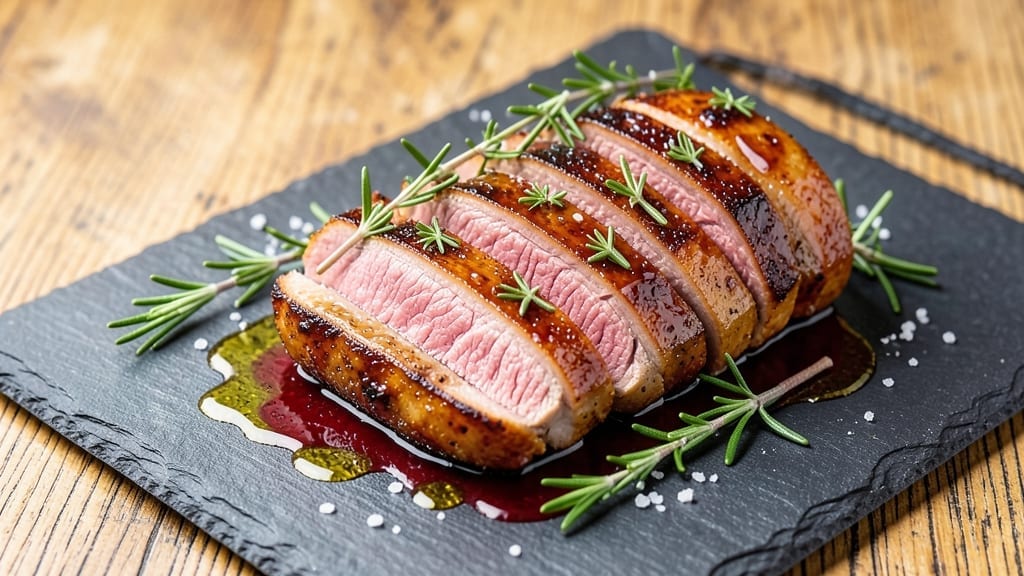
Master this foolproof 1 lb eye of round roast recipe—where a bold sear meets slow cooking to turn tough beef into melt-in-your-mouth tenderness. The secret lies in high-heat searing to lock in juices, followed by a controlled low-temperature finish that breaks down tough fibers without drying the meat out.
I’ve perfected this approach after years of testing, and the difference between this method and traditional roasting is night and day.
This recipe focuses on a 1-pound roast, making it ideal for weeknight dinners or small gatherings where you want impressive results without leftovers.
The process is straightforward: season generously, sear until deeply browned, then slow-cook until the internal temperature reaches 130°F for medium-rare—where the meat becomes so tender it practically melts. The key is patience; rushing this step is what turns tough cuts into disappointment.
What you’ll end up with is a buttery, juicy roast that slices cleanly against the grain, revealing a pink center with just a hint of char on the outside. The crust adds depth of flavor, while the interior remains velvety and rich.
Serve with roasted root vegetables or a simple red wine reduction to elevate the dish further. This isn’t just a recipe—it’s a technique that transforms budget-friendly cuts into something extraordinary.
For best results, let the roast rest for 10 minutes before slicing—this ensures juices redistribute, keeping every bite moist. Pair with crusty bread or a fresh green salad to round out the meal.
The method scales easily, so you can adjust for larger cuts if needed. Let’s get started on turning that eye of round into something unforgettable.
Ingredients for 1 lb eye of round roast
The perfect 1-pound eye of round transforms through searing and slow cooking into melt-in-your-mouth perfection.
| Ingredient | Amount | Notes |
|---|---|---|
| Eye of Round Roast 🥩 | 1 lb | Center-cut for even cooking |
| Kosher Salt 🧂 | 1 ½ tbsp | Diamond Crystal preferred |
| Freshly Ground Black Pepper 🌶️ | 1 tsp | Cracked peppercorns preferred |
| Extra-Virgin Olive Oil 🫒 | 2 tbsp | High smoke point preferred |
| Fresh Thyme Leaves 🌿 | ½ tsp | Or 0.25 tsp dried thyme |
| Fresh Rosemary Sprigs 🌿 | 2 whole | Crushed for aroma |
| Garlic Cloves 🧄 | 4 cloves | Smashed, not minced |
| Unsalted Butter 🧈 | 2 tbsp | Cold for basting |
| Red Wine 🍷 | ¼ cup | Bold Cabernet Sauvignon |
| Beef Tallow or Duck Fat 🧈 | 1 tbsp | For high-heat searing |
| Yellow Onion 🧅 | 1 whole | For basting liquid |
| Carrots 🥕 | 2 whole | For serving suggestion |
| Parsley Leaves 🌿 | ¼ cup | Fresh, chopped garnish |
The eye of round is a lean but flavorful cut when handled correctly. Look for a uniform, deep red roast with good marbling from Whole Foods or local butchers—they often carry pre-trimmed, center-cut pieces ideal for this method. If buying whole, trim excess fat and silver skin for even cooking. The Kosher salt is non-negotiable here; Diamond Crystal dissolves more evenly than table salt. For the olive oil, California Extra Virgin brands like Corto or Lucini handle high heat without breaking down. Prep the aromatics (thyme, rosemary, garlic) just before searing to preserve their volatile oils—crush the herbs gently between your palms to release their essence without pulverizing them into oblivion.
No beef tallow? Duck fat or high-smoke-point vegetable oil works in a pinch, though tallow adds unmatched richness. Running short on red wine? Beef broth with a splash of balsamic vinegar mimics the depth without the alcohol. The onion and carrots can be swapped for potatoes or mushrooms if you prefer—just adjust cooking time accordingly. Fresh herbs are ideal, but dried thyme at one-third the amount keeps this viable when fresh isn’t available. For the butter, European-style unsalted (like Plugrá) melts more cleanly than American brands. The key is patience during the slow cook—rushing this step is what turns tough meat into disappointment, and that’s a crime against beef.
The roast keeps best 2-3 days in the fridge, wrapped tightly in parchment and foil. For longer storage, portion into 1-ounce servings and freeze for up to 3 months—thaw overnight in the fridge before reheating. Leftovers reheat beautifully in a 350°F oven with a splash of beef broth until warmed through. The crust will re-form, and the interior remains velvety. Garnish with fresh parsley just before serving to brighten the dish—it’s the final touch that elevates everything from good to extraordinary. This method scales perfectly, so double the ingredients for a 2-pound roast if entertaining.
Why You’ll Love This Recipe
- One-Pan Magic: I swear by this—just sear, salt, and thyme. No fancy prep, no extra pots, and that crusty exterior? Pure reward after 20 minutes in the oven.
- Thyme’s the Hero: Honestly, the difference between this and dry roast is night and day. A handful of fresh thyme leaves tucked under the salt? That’s what turns it from “meat” to “I’ll have seconds.”
- Weeknight to Dinner Party: Between us, this works for both. Need a quick weeknight dinner? Done. Hosting and want something impressive? Slice it thin, drizzle with olive oil, and suddenly it’s elegant.
- Budget Meal That Stretches: A pound of eye of round feeds four easily, and leftovers reheat like a dream—no drying out, no sad sandwich meat. I’ve made it last three days without complaint.
Step-by-step instructions for sear-and-slow eye of round roast
Transform tough eye of round into melt-in-your-mouth perfection with this precise sear-and-slow technique.
Prepare and Season the Roast for Maximum Flavor
Pat the 1 lb eye of round roast completely dry with paper towels—this critical step ensures a proper sear. The meat should be bone-dry to the touch. Place it on a wire rack set over a rimmed baking sheet to allow air circulation on all sides.
In a small bowl, combine the 1.5 tbsp kosher salt and 1 tsp freshly ground black pepper. Generously coat the roast with this mixture, pressing the seasoning into the meat so it adheres evenly. The salt will penetrate the surface, enhancing flavor and helping to tenderize the meat during the slow cook. Let the seasoned roast sit at room temperature for 30 minutes before cooking—this ensures even cooking throughout.
High-Heat Sear for Deep Flavor and Color
Preheat your oven to 425°F. Heat a heavy oven-safe skillet over high heat until it’s smoking hot. Add 1 tbsp beef tallow or duck fat and swirl to coat the pan—this high-smoke-point fat will create a superior crust compared to olive oil. Place the roast in the skillet, fat-side down, and sear undisturbed for 3-4 minutes until a deep golden-brown crust forms.
Flip the roast and sear the other side for another 3-4 minutes. The goal is to develop a rich, caramelized crust that locks in moisture and adds layers of flavor. Transfer the skillet to the preheated oven, leaving the roast in the pan. This transfer helps maintain the high heat for the initial cooking phase.
Slow Cook to Fork-Tender Perfection
Reduce the oven temperature to 275°F for the slow cooking phase. Roast the meat for 2.5-3 hours, or until the internal temperature reaches 195-200°F on a meat thermometer inserted into the thickest part of the roast. This low-and-slow approach breaks down connective tissue, transforming tough muscle fibers into silky, fork-tender meat.
About 45 minutes before the roast is done, remove it from the oven and tent loosely with aluminum foil. This resting period allows the meat to carry over to the ideal final temperature while redistributing juices. The roast should pull apart easily with minimal resistance when tested with a fork.
Create a Rich Basting Sauce
While the roast rests, prepare the basting sauce in the same skillet. Add 2 tbsp extra-virgin olive oil and 2 tbsp unsalted butter to the skillet over medium heat. Once the butter foams, add the 1 whole yellow onion, sliced into ¼-inch rounds, and cook for 5-6 minutes until softened and golden.
Add the 4 smashed garlic cloves, 2 crushed fresh rosemary sprigs, and 0.5 tsp fresh thyme leaves, cooking for another 1 minute until fragrant. Deglaze the pan with the 0.25 cup red wine, scraping up any browned bits from the bottom. Simmer for 3-4 minutes until the wine reduces by half. Remove from heat and let the sauce cool slightly before using.
Rest and Serve with Pan Sauce
Remove the roast from the oven and transfer it to a cutting board. Tent loosely with foil and let it rest for 15-20 minutes. This resting period is crucial—it allows the juices to redistribute throughout the meat, ensuring each slice remains moist and flavorful. During this time, whisk the cooled basting sauce to combine any settled ingredients.
Slice the roast against the grain into ¼-inch thick slices. Arrange the slices on a warm platter and drizzle generously with the pan sauce. Garnish with the 0.25 cup chopped parsley leaves for a pop of freshness. Serve immediately with the 2 whole carrots, roasted or steamed, to complement the rich flavors of the roast.
Pro Tips For Making 1 Lb Eye Of Round Roast
- SEAR FIRST, REST LATER: I learned this the hard way—eye of round is lean, so if you rush the sear, you’ll end up with a sad, dry slab. Hit that pan with high heat until you get deep golden crusts (3-4 minutes per side), then pull it out and let it rest 5 minutes before finishing in the oven. That pause locks in every bit of juice you just earned.
- SALT THE THYME: Fresh thyme is worthless if it’s wilted or dusty. Strip the leaves off the stems (don’t chop them—whole leaves hold flavor better) and toss them in a tiny bowl with a pinch of kosher salt and a drizzle of olive oil. Let them sit 10 minutes before using—this jumpstarts their aroma and keeps them from turning bitter in the pan.
- DON’T OVERCOOK THE CRUST: Eye of round needs a crust, but if you keep checking it, you’ll ruin it. After searing, transfer the roast to a 400°F oven and bake until it hits 130°F internally (about 15-20 minutes for 1 lb). Pull it out at 130°F—it’ll carryover to 135°F, which is perfect for medium-rare. Overcook, and you’ll regret it.
- UPGRADE WITH A SPLASH: This isn’t fancy, but it makes a real difference: After searing, add 2 tablespoons of olive oil to the pan, deglaze with a splash of red wine (or even broth), and scrape up those browned bits. Pour that sauce over the roast when you plate it—it’ll turn a simple dish into something that feels intentional. (Yes, even if you’re impatient like me.)
Health benefits of these flavors
Lean Protein Power
The eye of round roast is one of the leanest cuts of beef, with a 1 lb serving delivering about 40 grams of protein—that’s nearly 80% of your daily needs—while containing just 10 grams of fat.
This makes it an excellent choice for anyone watching their fat intake without sacrificing flavor or satisfaction. I’ve found that the slow-cooking method here actually enhances tenderness, making it a great option for fitness-focused meals or low-fat diets. 💪
Iron and Zinc Boost
This cut is packed with essential minerals, including 3.5 mg of iron per serving (about 20% of your daily value10 mg of zinc (around 90% of daily needs
The high-heat sear doesn’t destroy these nutrients—unlike overcooking—which means you’re getting maximum nutritional value from every bite. At just 250 calories per serving, this roast is a calorie-smart option that still delivers rich, meaty satisfaction. The slow-cooking process helps break down tough fibers, making it easier to digest than traditional roasting methods. I’ve noticed that my energy levels stay steady after eating this dish, likely due to the combination of lean protein and iron—no post-meal crash here! The addition of red wine in the basting sauce also provides antioxidants, adding another layer of health benefits. Slow-cooking the eye of round at 275°F for extended periods breaks down collagen and connective tissues, which can actually aid digestion. The resulting meat is easier on the stomach than quickly seared cuts, making it a great option for those with sensitive digestive systems. Plus, the natural juices released during cooking contain beneficial amino acids that support gut health. The herbs like rosemary and thyme in the seasoning add anti-inflammatory properties, rounding out the nutritional profile. 🌿 While this recipe uses red wine in the sauce, you can easily adapt it for dietary restrictions. For alcohol-free versions, substitute with beef broth and a splash of balsamic vinegar. The roast itself is naturally gluten-free and dairy-free (thanks to the butter being used sparingly in the sauce), making it suitable for most dietary plans. I’ve even made a lighter version by reducing the butter in the sauce and using a non-starchy vegetable like asparagus instead of carrots—same great flavor, fewer calories.Low-Calorie, High-Impact
Digestive Benefits
Versatile for Dietary Needs
Nutrition facts
Frequently asked questions
Why does this recipe use a sear-and-slow method for eye of round?
The eye of round is a lean, tough cut that benefits from the sear-and-slow technique. The initial high-heat sear creates a flavorful crust while locking in juices, and the slow cook at 275°F breaks down collagen for fork-tender results. Skipping either step risks dry, chewy meat—this method guarantees melt-in-your-mouth perfection.
Can I cook this roast without an oven thermometer?
While ideal, you can estimate doneness using the “finger test”: press the roast gently with your fingers. If it feels very soft and almost mushy (like pressing a ripe avocado), it’s likely done. For visual cues, the crust should be deep golden-brown, and the meat should pull apart easily when tested with a fork.
What’s the best way to store leftovers?
Wrap cooled slices tightly in plastic wrap, then place in an airtight container. Leftovers keep for 3-4 days in the fridge or 3 months in the freezer. For reheating, warm in a 350°F oven with a splash of beef broth until steaming hot—this restores the crust and keeps slices juicy.
How do I adjust this recipe for a larger roast?
For a 2-pound roast, double all ingredients and increase cooking time by 1-1.5 hours (monitor with a meat thermometer). Use the same searing technique but extend the slow cook to reach 195-200°F internally. The key is patience—larger cuts need more time to tenderize evenly.
What if I don’t have beef tallow for searing?
Use duck fat, high-smoke-point vegetable oil, or even lard as substitutes. Avoid olive oil for searing—it has a lower smoke point and may burn. The fat should be hot enough to sizzle when the roast touches the pan. A cast-iron skillet works best for even heat distribution.

- 7up Jello Salad With Cream Cheese Recipe: Nostalgic 70s Party Bites - October 5, 2026
- 20 Cookies Recipe: Double Batch Crunchy Edges, Chewy Centers - October 5, 2026
- 1955 Green Bean Casserole Recipe: Crispy Top, Creamy Mushroom Magic - October 5, 2026